Silicone Roof Coatings
Evaluate silicone roof coating repair or recoating in Fontana, CA, including adhesion, ponding, preparation, drainage, heat, and access limits.
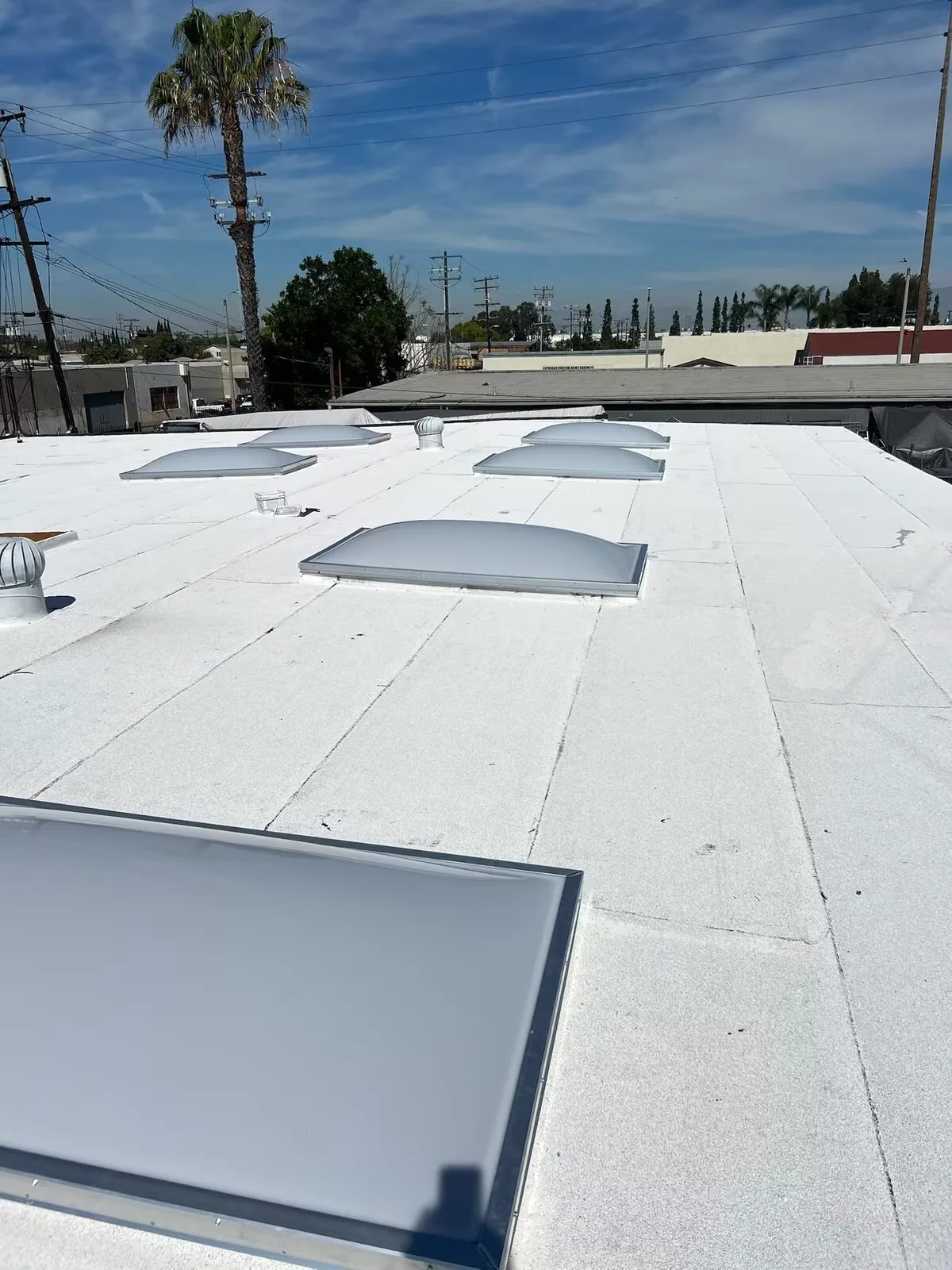
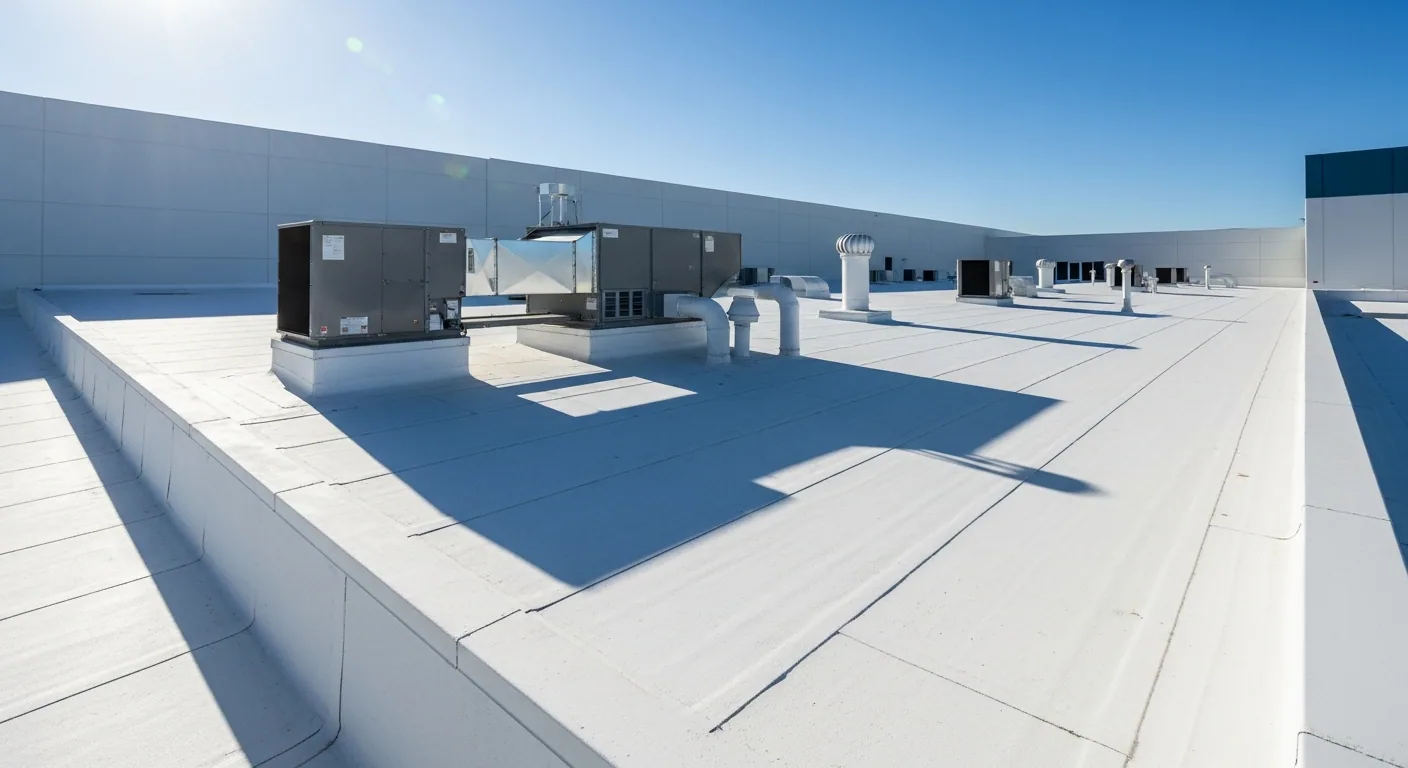
A roof with standing water needs more than a fresh reflective finish. We inspect the existing membrane, drainage, seams, and substrate before considering a silicone coating in Fontana, CA. Silicone is a liquid-applied protective layer used on suitable roof assemblies. It can resist water exposure when correctly specified and bonded, but it cannot correct saturated insulation, loose sheets, or structural low points by itself.
Fontana's Inland Empire summers bring sustained sun and high roof-surface temperatures. Warehousing, transportation, healthcare, and manufacturing add occupied operations and rooftop equipment to the planning picture. We check the actual property and current roof conditions, then decide whether a coating, localized repair, or removal is supported by the inspection.
Start with a sound surface
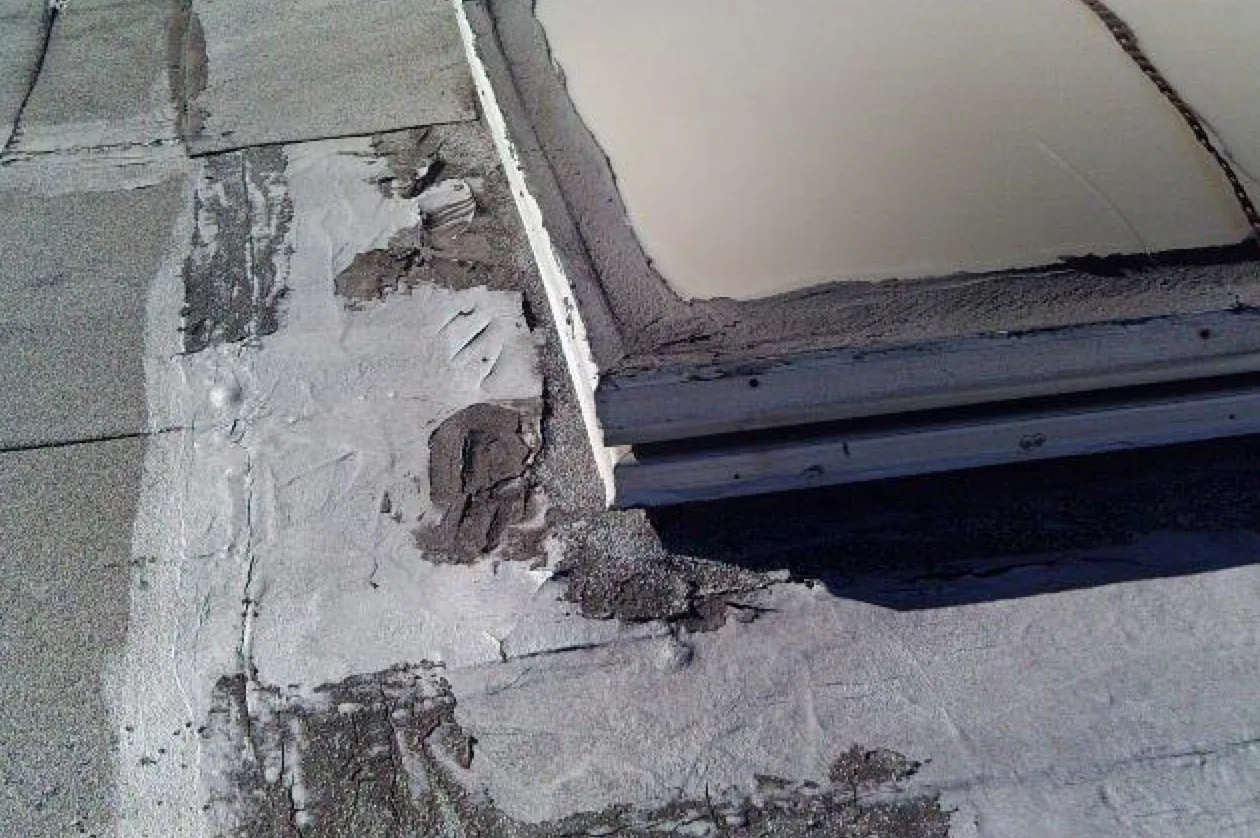
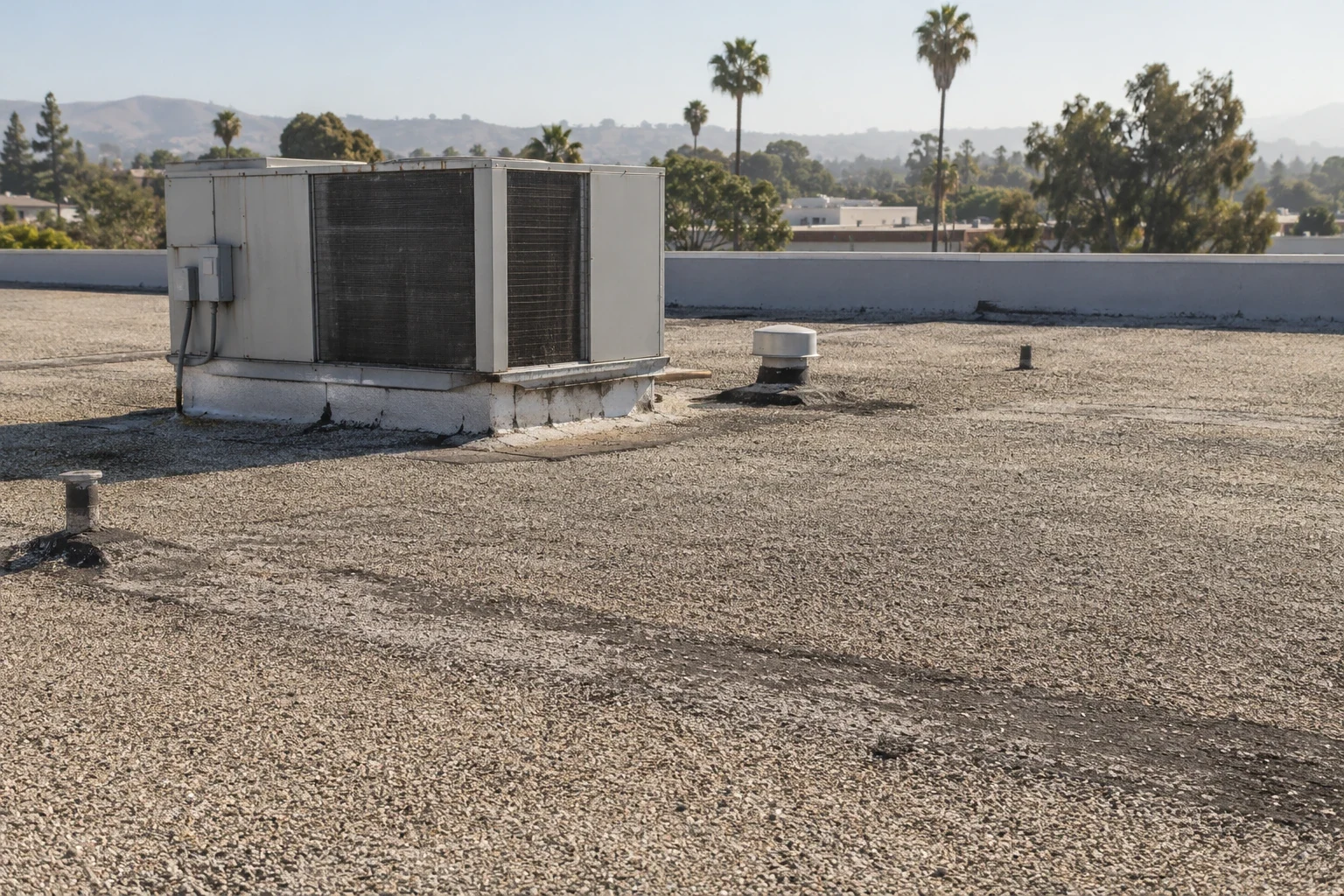
Silicone bonds only to a surface prepared for the selected product. We identify the existing roof material, remove loose dirt and contaminants, and check adhesion on representative areas before applying a field layer. Membrane blisters, open seams, damaged flashing, and wet insulation need correction first. A coating placed over movement or trapped moisture can release from the roof with the defect still underneath.
We examine the whole roof plane for ponding, not just the area around a leak. Drains, scuppers, overflow paths, and slope transitions show whether water can leave the roof within the existing design. Silicone may tolerate extended water exposure better than some coating types, but standing water can still carry debris, load details, and expose weak adhesion. The assessment states which low areas need correction and which remain outside the coating work.
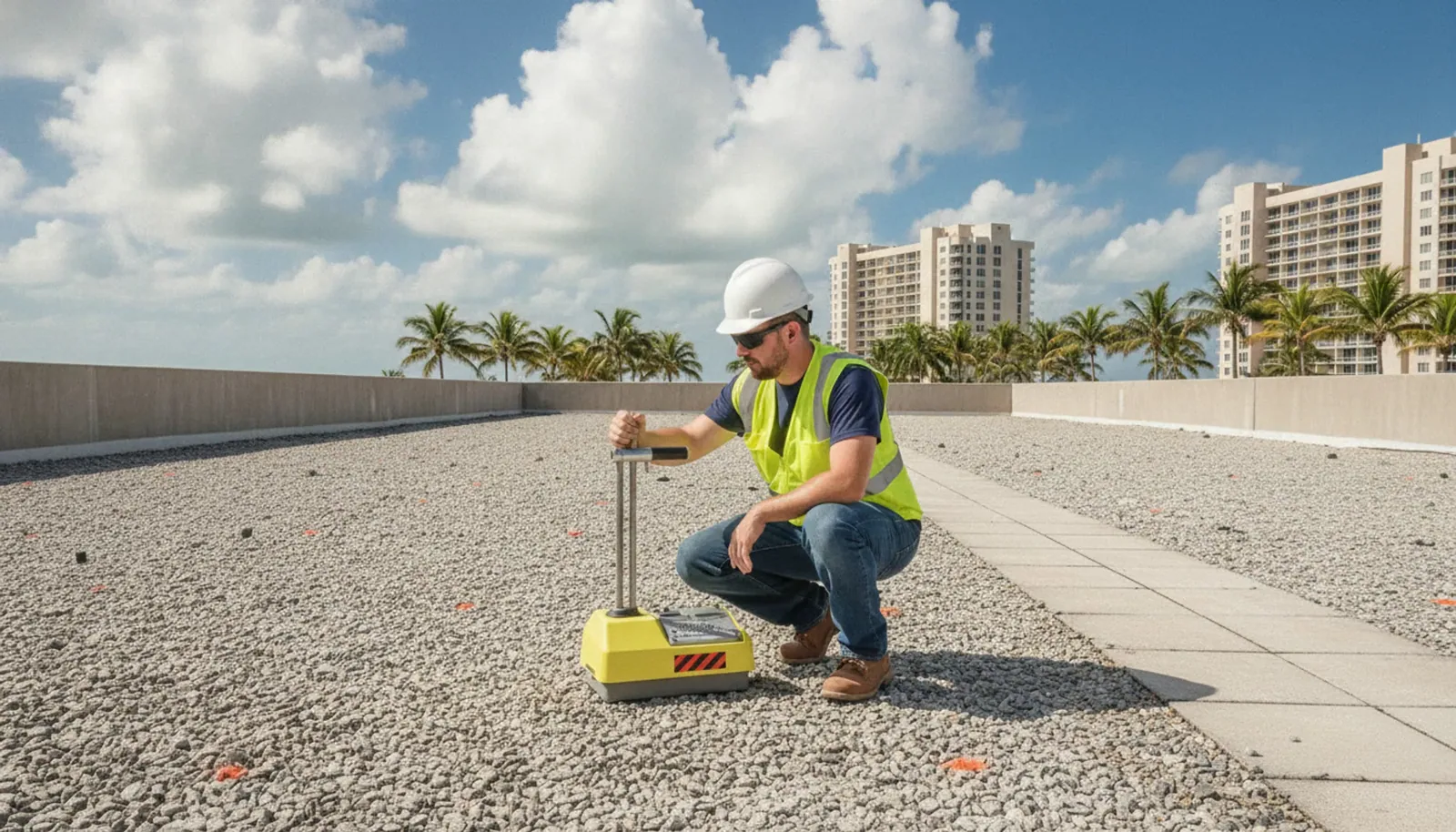
A roof inspection with photographs and marked test areas records substrate and detail conditions. When concealed moisture is possible, an infrared survey organized by roof zone can guide verification before recoating. Any removal quantity is tied to the areas confirmed by inspection.
Repair the details before coating
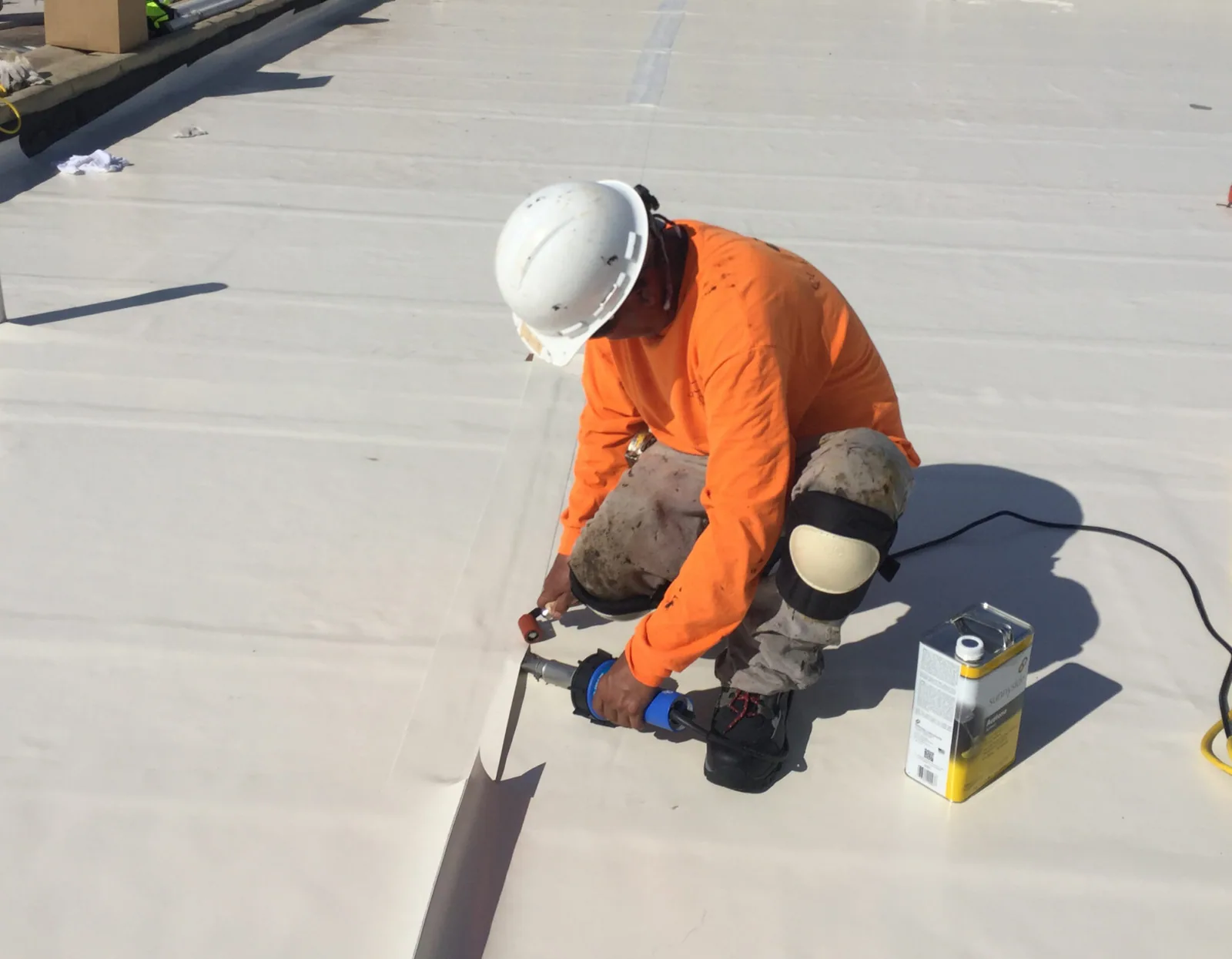
Seams, fasteners, penetrations, drains, and edge terminations must be prepared as part of the coating system. We repair open laps and splits with compatible reinforcement or flashing details, secure loose sheet, and replace unsound material to a defined boundary. Some substrates require a primer; others need mechanical preparation or a different system. The product instructions and test results determine the preparation.
Old coatings can affect adhesion if they are chalked, contaminated, incompatible, or applied unevenly. We test and remove failed layers rather than assume a new coat will bond. Metal edge conditions, plastic pipe boots, and asphaltic repairs may need separate detailing. A roof repair scope before coating identifies the patch work and keeps hidden defects outside the coverage claim.
At a drain, the coating has to terminate in a way that leaves the opening clear and connects to a suitable flange. At a wall or curb, it needs enough upstand and reinforcement to maintain continuity. Drain and scupper work can define the roofing connection and any plumbing changes. Where equipment or skylights interrupt the field, a penetration flashing detail establishes a compatible transition before the coating reaches it.

Apply within the product conditions
Surface dryness, temperature, dew point, wind, and expected rain affect coating application and cure. We check the substrate and forecast before opening material, then apply within the selected product's specified conditions. Wet areas or late-day condensation can interfere with bond. The day plan identifies how much roof can be prepared and coated, where the crew ends, and how that edge is protected if conditions change.
Coating quantity follows the prepared surface, not the building's footprint. We measure roof zones, record areas excluded from coating, and account for texture, repairs, and detail reinforcement when estimating material. The specified dry-film build and number of passes come from the selected product system. We identify the work rate and cure window before placing another phase in service. If a test patch lifts or remains tacky, we stop and resolve the substrate or application condition instead of covering it with additional material.
Fontana forecasts for the Inland Empire valleys often reach above 100 degrees in summer and can include extreme-heat advisories. High surface temperatures affect worker access and coating handling. We stage materials in the specified temperature range, limit exposed work zones, and allow the required cure time before foot traffic or other trades return. If the roof is too hot or wind carries overspray, the sequence pauses at a secure boundary.
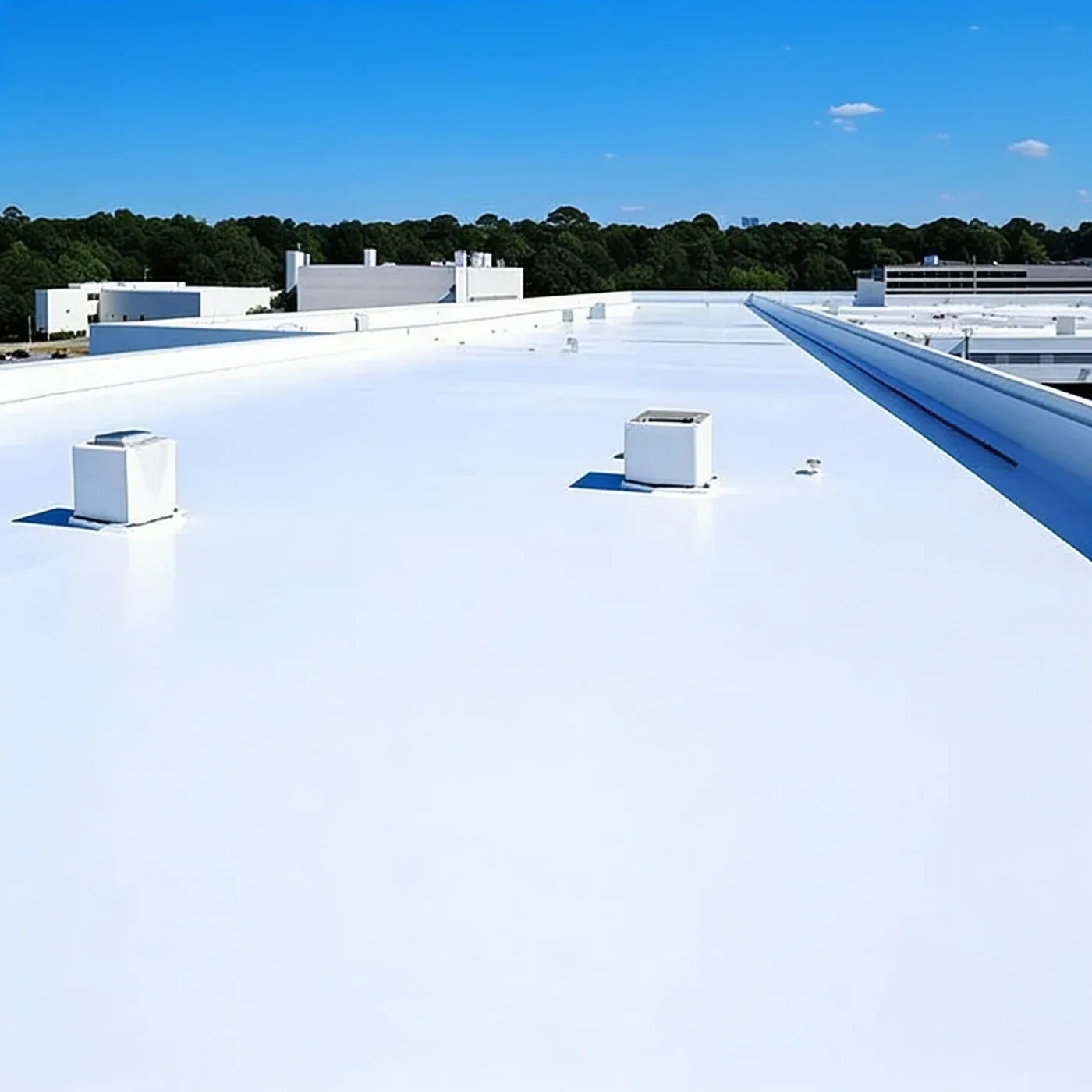
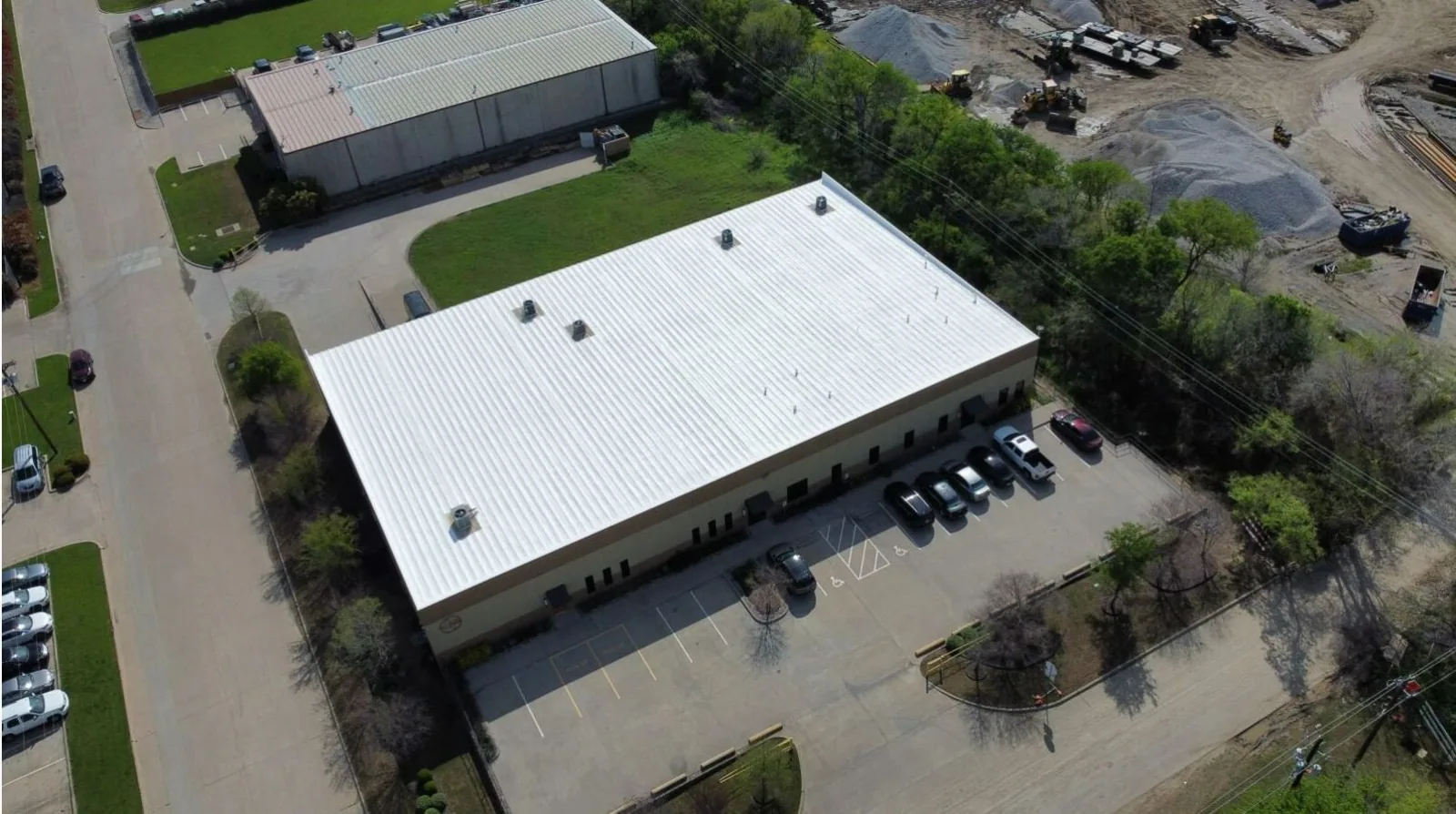
Reflective silicone is one option for a compatible roof. An acrylic roof coating may fit a different drainage and exposure profile; a spray foam assembly adds an insulating layer and has separate substrate and protection needs. We compare the existing system and the intended water path before selecting among them.
Plan for future inspection
A coating adds a new surface that needs inspection after service, weather, and later rooftop work. We record applied areas, detail reinforcement, repaired defects, coating thickness where checked, and any excluded zone. Walk routes and equipment service points should be protected so a technician does not puncture the new layer or drag tools across it. Future work that cuts a curb or adds a conduit needs a compatible patch and inspection.
Closeout also records the product batch and application date, areas where reinforcement was installed, and any roof surface left untreated. This information helps the next inspector distinguish coating wear from a prior patch or a later mechanical cut. Owners can plan access for inspection and keep repair materials consistent with the applied system. We also identify which observations should trigger an earlier return visit, such as a new split, exposed reinforcement, or coating lifted by later trade work.
Fontana's Southwest Industrial Park and Jurupa Industrial Park contain a broad mix of trucking, storage, and distribution uses. Along I-10 and I-15, some properties coordinate roof access with receiving and freight schedules. A facility's loading calendar and roof rules determine the access plan. For work in the Southwest Industrial Park area, we still confirm that individual site's staging lanes, equipment paths, and operational hours before mobilization.
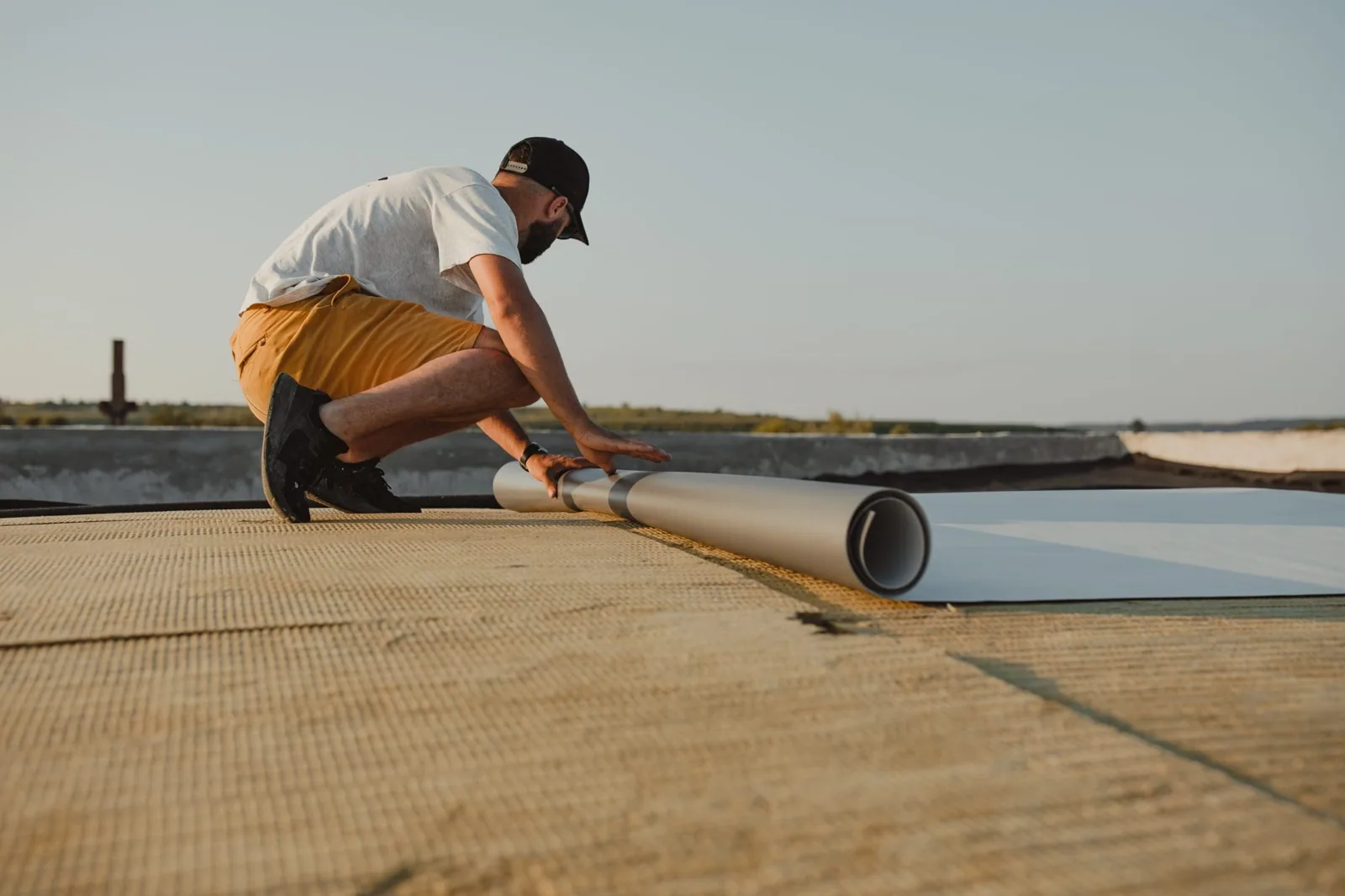
When coating is not suitable because the base membrane is wet, detached, or extensively damaged, we compare selective removal with full replacement. A replacement scope with clear removal boundaries provides an alternative to extending a coating over an unsound roof. The recommendation follows the inspection rather than a preset coating area.
Frequently Asked Questions
Does silicone coating fix ponding water?
It can provide a protective surface on an otherwise suitable roof, but coating does not change the slope or clear a blocked outlet. We map low areas and examine the drain path first. If the roof holds water because of geometry, the proposal separates drainage correction from the coating quantity.
Can silicone go over an existing roof coating?
Possibly, after adhesion tests and compatibility review. We check for chalking, contamination, loose layers, failed patches, and moisture in the assembly. Unsound coatings are removed or corrected to a defined boundary, then the selected primer and surface preparation are stated before application.
How much roof preparation is included?
The scope lists cleaning, removal of failed coating, seam and flashing repairs, primer, and reinforcement at details. We identify excluded areas and any substrate condition that requires more work. This makes clear what is ready for coating and what needs repair or removal first.
When can people walk on a newly coated roof in Fontana?
The return-to-service time depends on product, application thickness, surface temperature, humidity, and cure conditions. We follow the selected system's instructions and mark restricted zones until the coating is ready. Future service paths are identified to limit unnecessary traffic on the new surface.