Healthcare Systems
Plan healthcare roof inspections, leak response, access, infection-control coordination, and phased repairs for Fontana facilities.
A roof crew cannot reserve a loading door that also serves clinical supplies, so healthcare roof work begins with the facility contact, protected route, and hours that can support access. Commercial Roofers Fontana plans commercial roofing for healthcare systems in Fontana, CA, by connecting roof findings to building operations, safety controls, and the sequence needed to keep critical areas usable. We identify the work zone, the needed protection, and the handoff before material is released.
Healthcare is a major part of Fontana's employment base, and Kaiser Permanente is one of its largest employers. Medical facilities bring distinct access, occupant-protection, and service-window needs. Each building needs its own inspection and operating plan. In summer heat, roof access and material handling require a practical work window.
Facility operations define the access sequence
Start with the facility contact and routes that must remain available. We confirm roof entry, loading activity, restricted rooms below, occupant notices, and any service lane that cannot be blocked. The plan identifies staging and whether the roof can be divided into contained zones or needs a tighter work window.
A hospital, outpatient building, medical office, and administrative property do not automatically share access controls. The facility team supplies its current requirements. We coordinate the scope around those instructions and identify conditions that change them, such as a crane position, temporary opening, or noisy removal. The sequence follows actual operations rather than generic assumptions.
Occupied-building roofing identifies protection and movement around an active zone. For several sites, a consistent roof program can standardize reporting while keeping site controls separate. Shared calendars do not replace facility-specific confirmation. Property management teams can coordinate notices with on-site contacts.
Locate the condition before planning containment
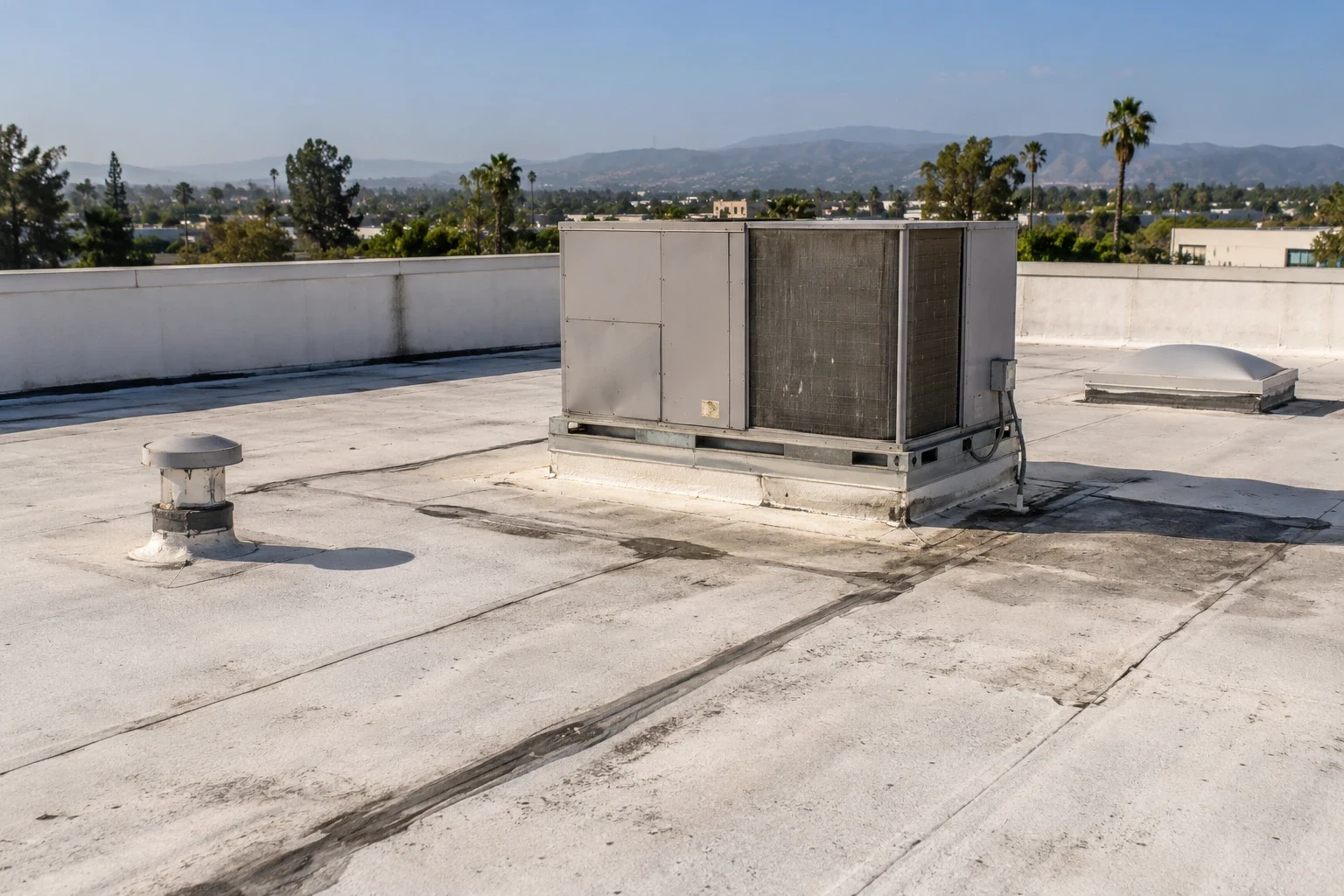
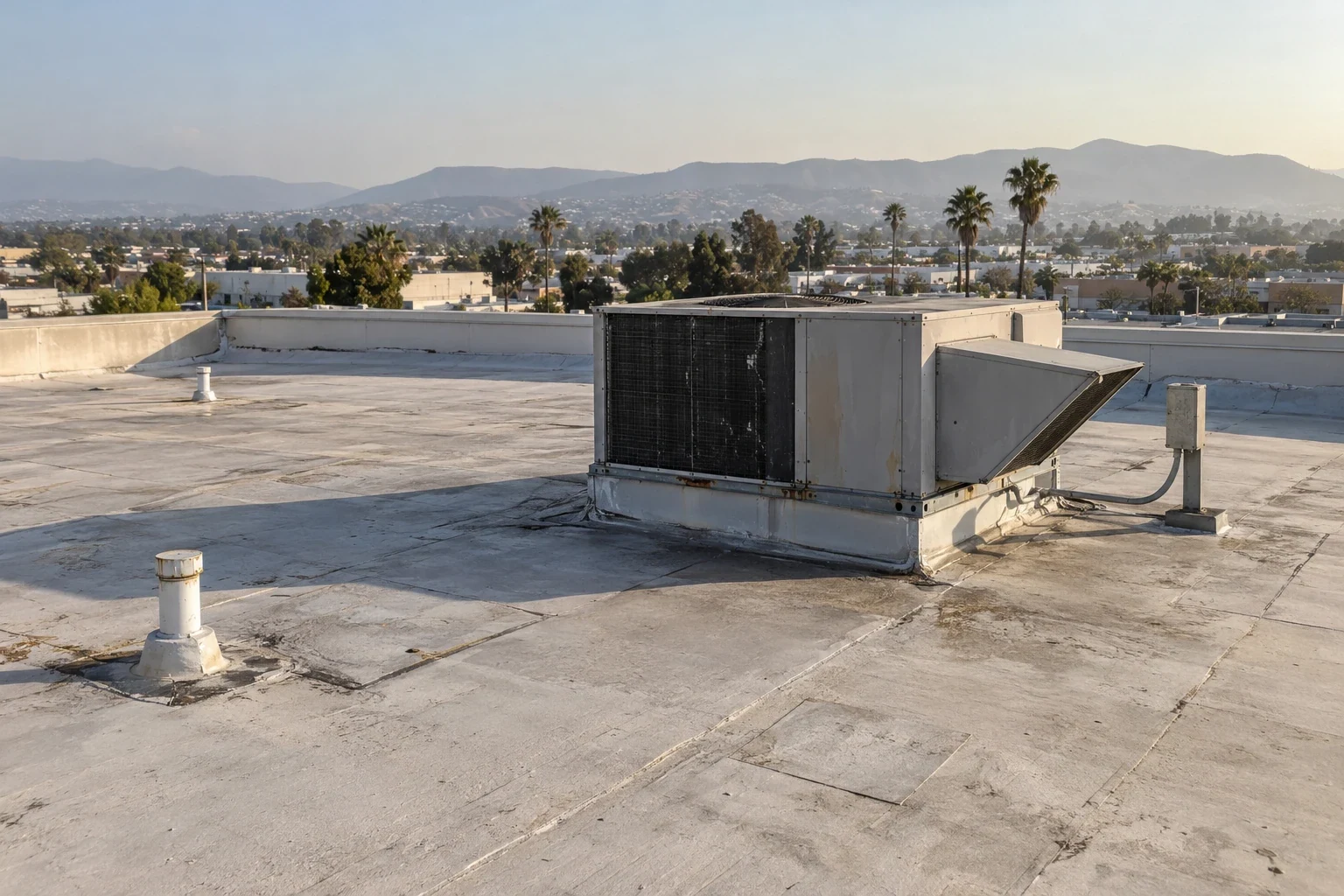
A ceiling mark or recurring leak report points to an area for investigation, not a complete cause. We compare its location with drains, seams, curbs, penetrations, slope, and interior observations from the facility team. Photographs and a roof plan help maintenance staff locate the finding. If concealed insulation or attachment cannot be confirmed, the record says what examination would answer the question.
A commercial roof inspection documents visible conditions and limitations. A suitable follow-up may be needed when suspected moisture changes the repair choice. The report separates a thermal pattern from confirmed wet material before any removal quantity is approved.
We identify what can be protected immediately, which interior contact should be notified, and whether permanent repair needs more roof access. The record remains tied to the building area, not an undirected leak report.
Material choices follow the existing assembly
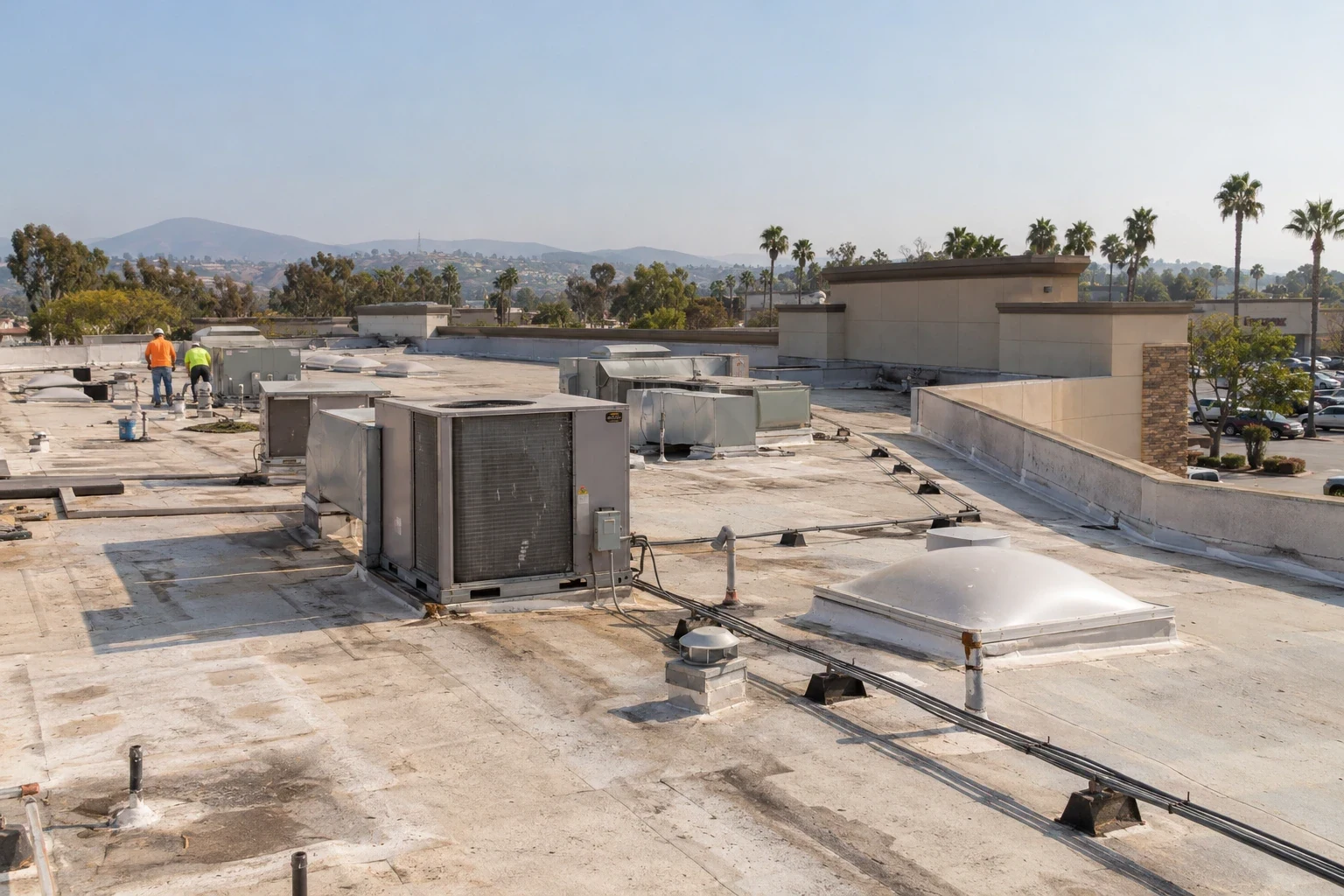
Material choices depend on actual layers, attachment, drainage, and interfaces, not the healthcare label. We identify the accessible membrane or metal, edges, drains, equipment curbs, and prior repairs. A localized seam or flashing failure may permit a bounded correction; widespread wet material or failing attachment can require a broader option. The proposal states its limits and what must be checked before procurement.
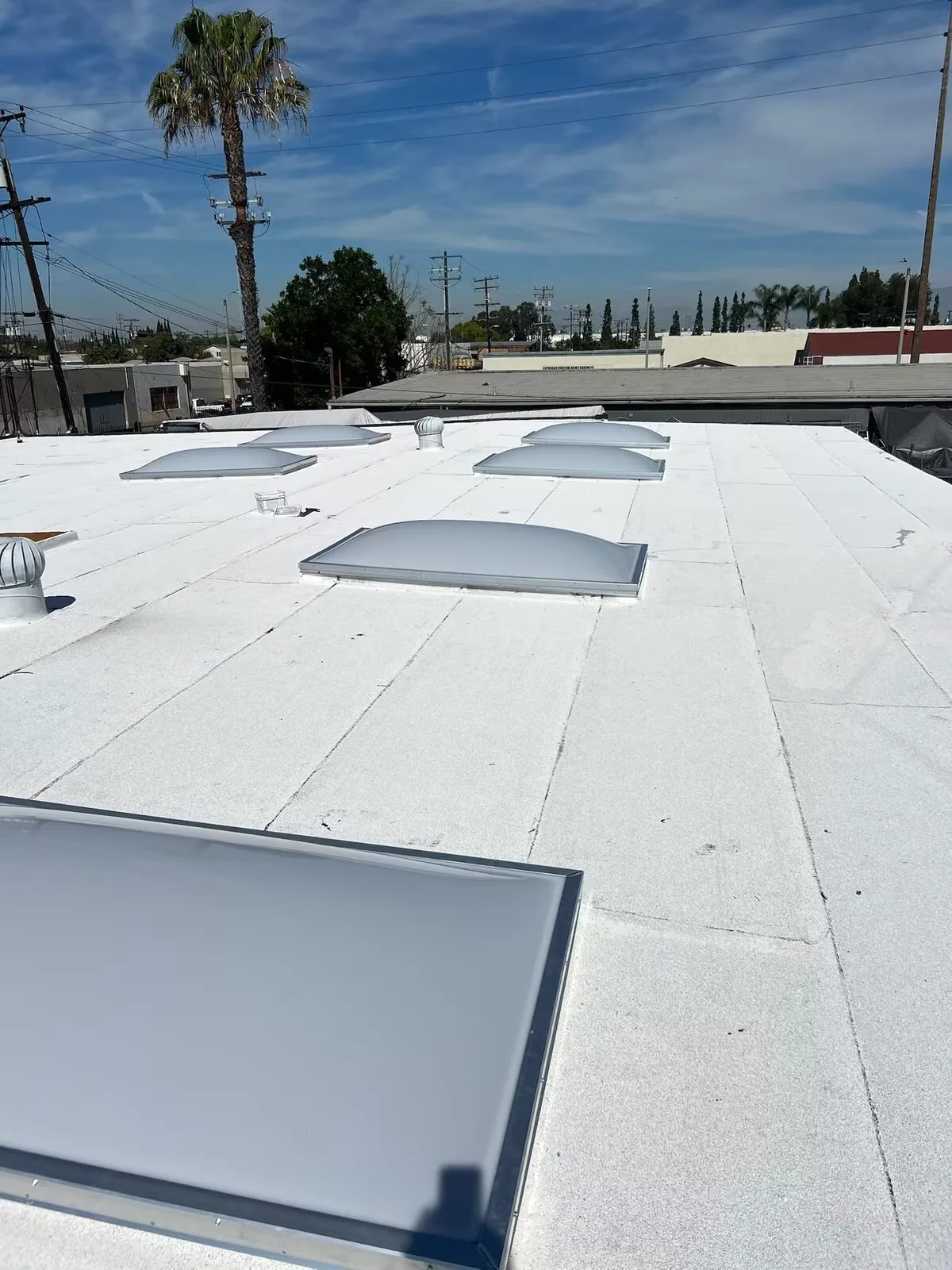
We describe substrate preparation, seam work, termination, and tie-in needed for the selected scope. Appearance alone does not establish compatibility with the receiving layer or each curb detail. Where a coating or recover is proposed, the receiving condition and exclusions should be clear before approval.
The sequence also identifies temporary openings and when each area will close. If a facility needs a specific protection method or material restriction, its team should communicate it before scheduling. We state the work method and any approval that could affect timing.
Separate immediate response from larger renewal
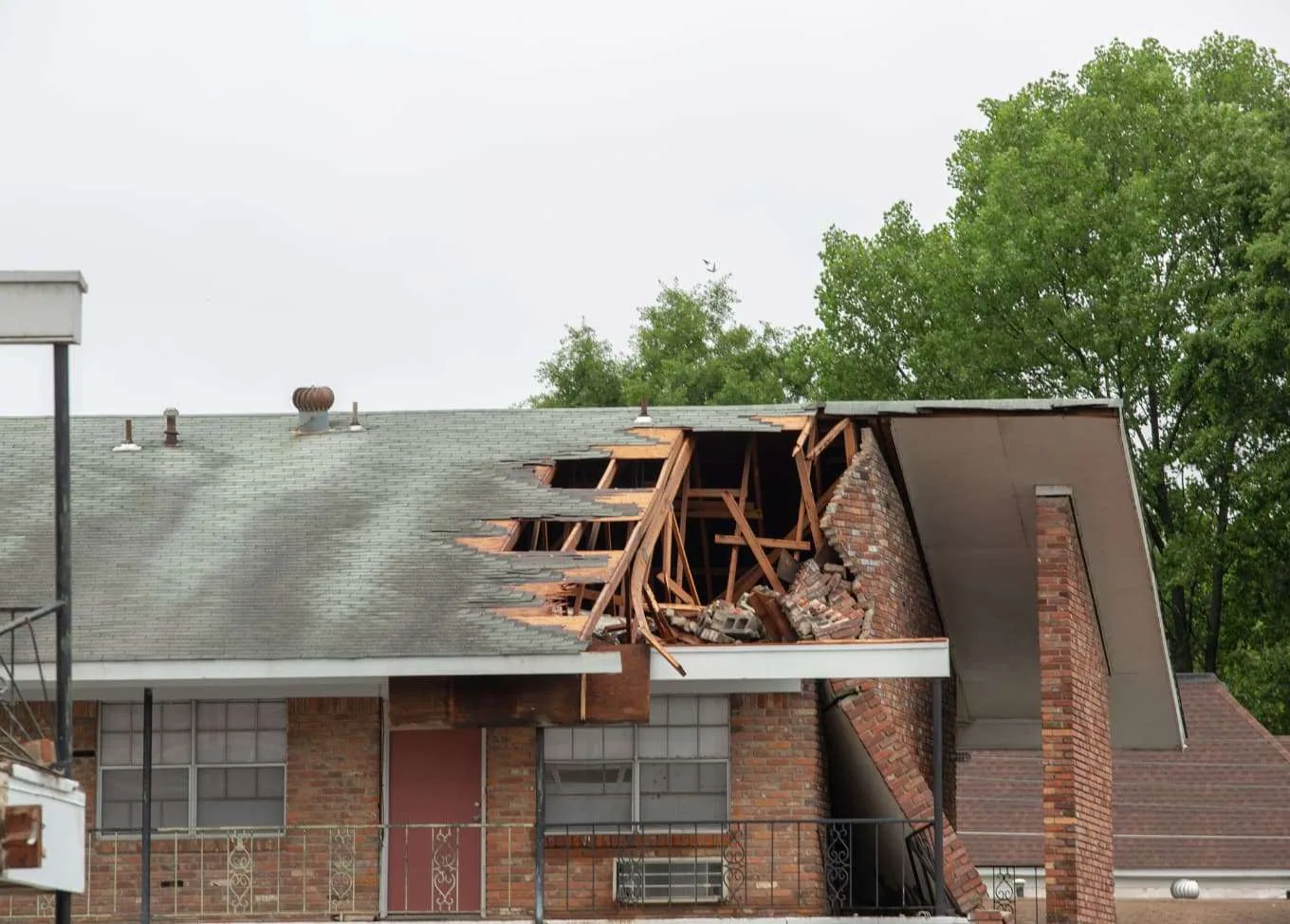
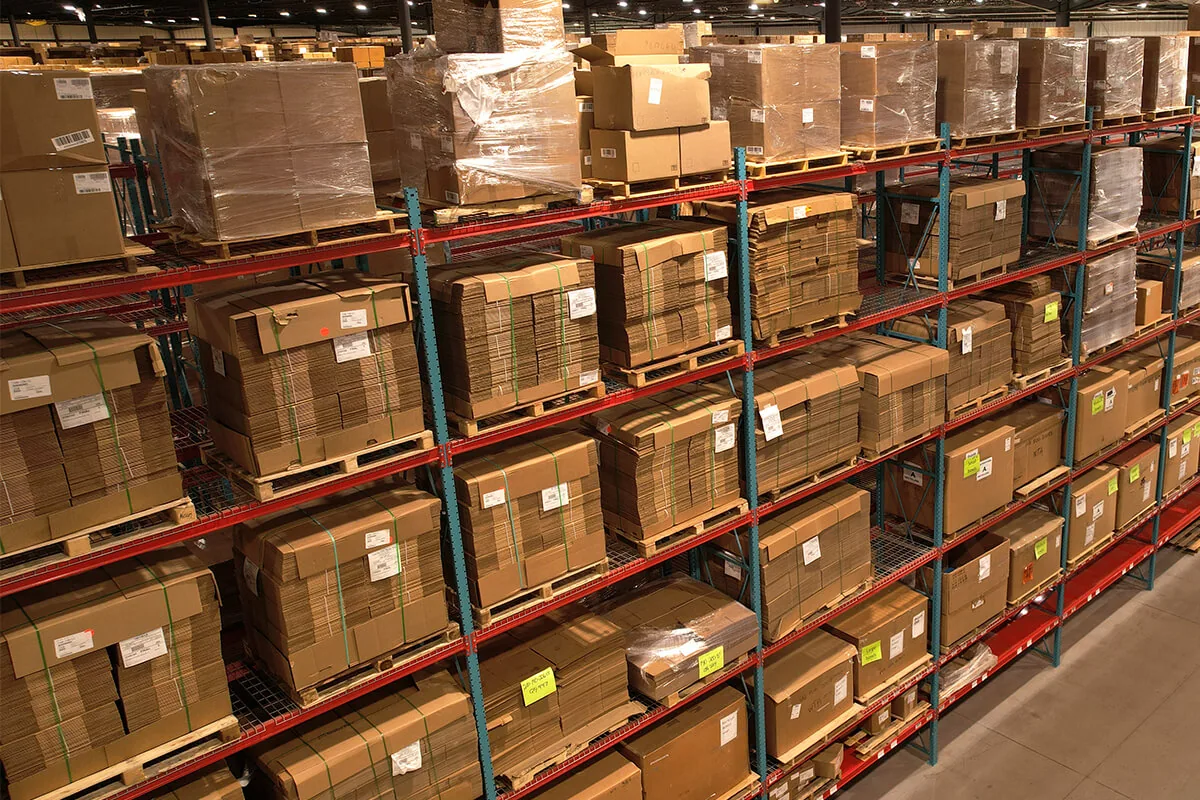
Active water entry can require protective work before a capital review is complete. Facilities facing active water entry can request service at night, on weekends, and over holidays. We document the affected area, temporary measures, and permanent correction separately, then identify who receives updates and how access will continue.
Emergency roof repair addresses exposure; it does not decide whether larger renewal is justified. A broader scope defines removal, insulation, drainage, curbs, edge metal, tie-ins, and protection around occupied space. Separate approvals let the facility authorize containment without approving a full construction package.
For a phased project, the scope names the first zone, delivery path, protection below, and inspection point before handoff. Any added condition is located and documented before work expands beyond the approved boundary.
Fontana heat belongs in the work plan
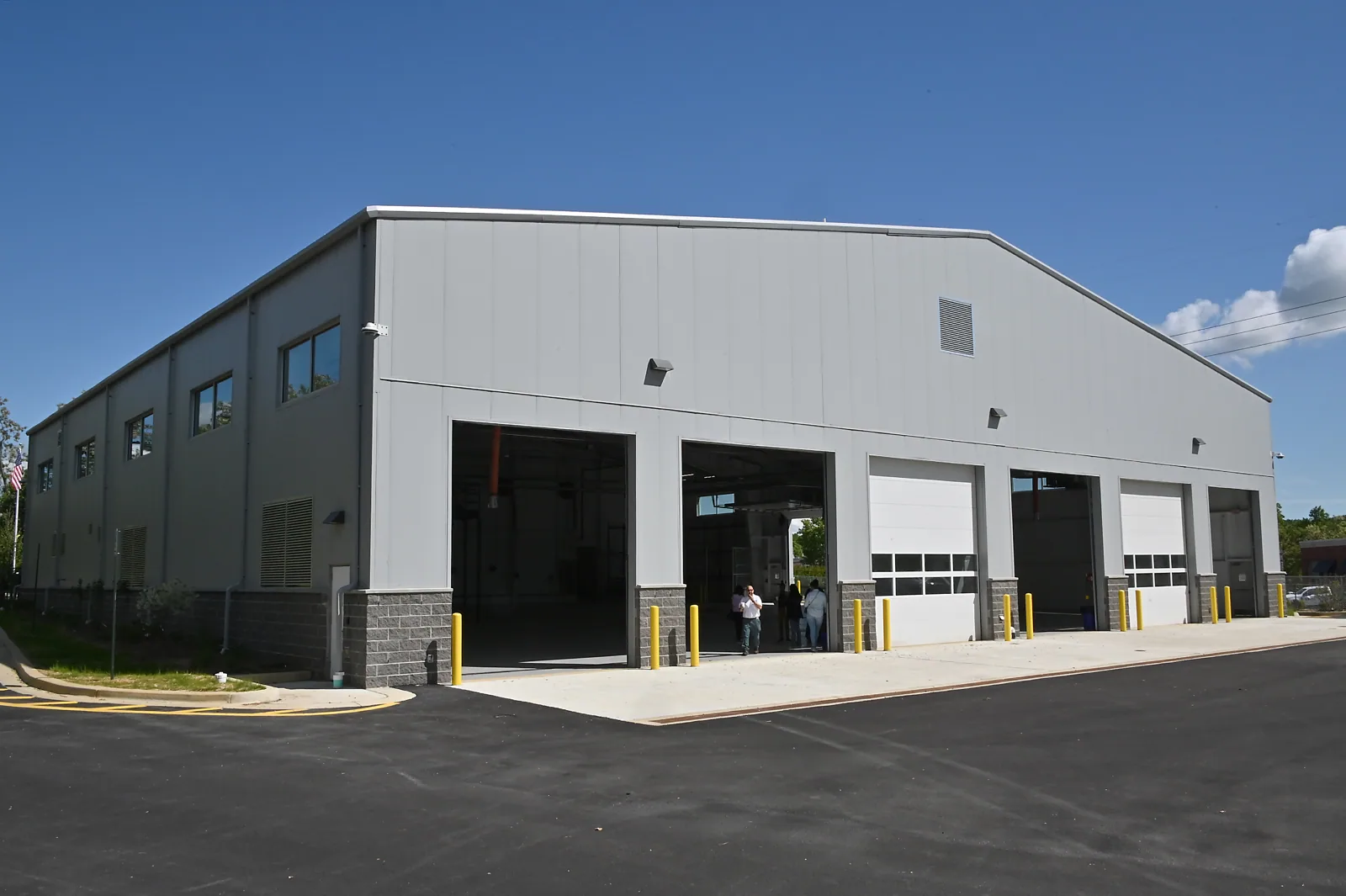
Heat advisories occasionally accompany Fontana forecasts whose summer highs clear 100°F, making roof access a scheduling constraint. Safe access and material handling belong in the schedule alongside facility activity windows. We identify tasks suited to an earlier work period, delivery timing, and the sequence for reopening each zone. Heat does not determine the roof system, but it can affect when crews and materials should be on the roof.
For a multi-building healthcare group, common reporting can support portfolio review while each facility retains its own access controls. The facility contact confirms hours and restrictions. I-10, I-15, and SR-210 support regional movement, while the operator sets receiving details.
Downtown Fontana includes commercial corridors along Sierra Avenue, Valley Boulevard, and Foothill Boulevard. For healthcare properties in any area, we confirm site instructions before setting access or delivery.
The closeout must reach the next shift
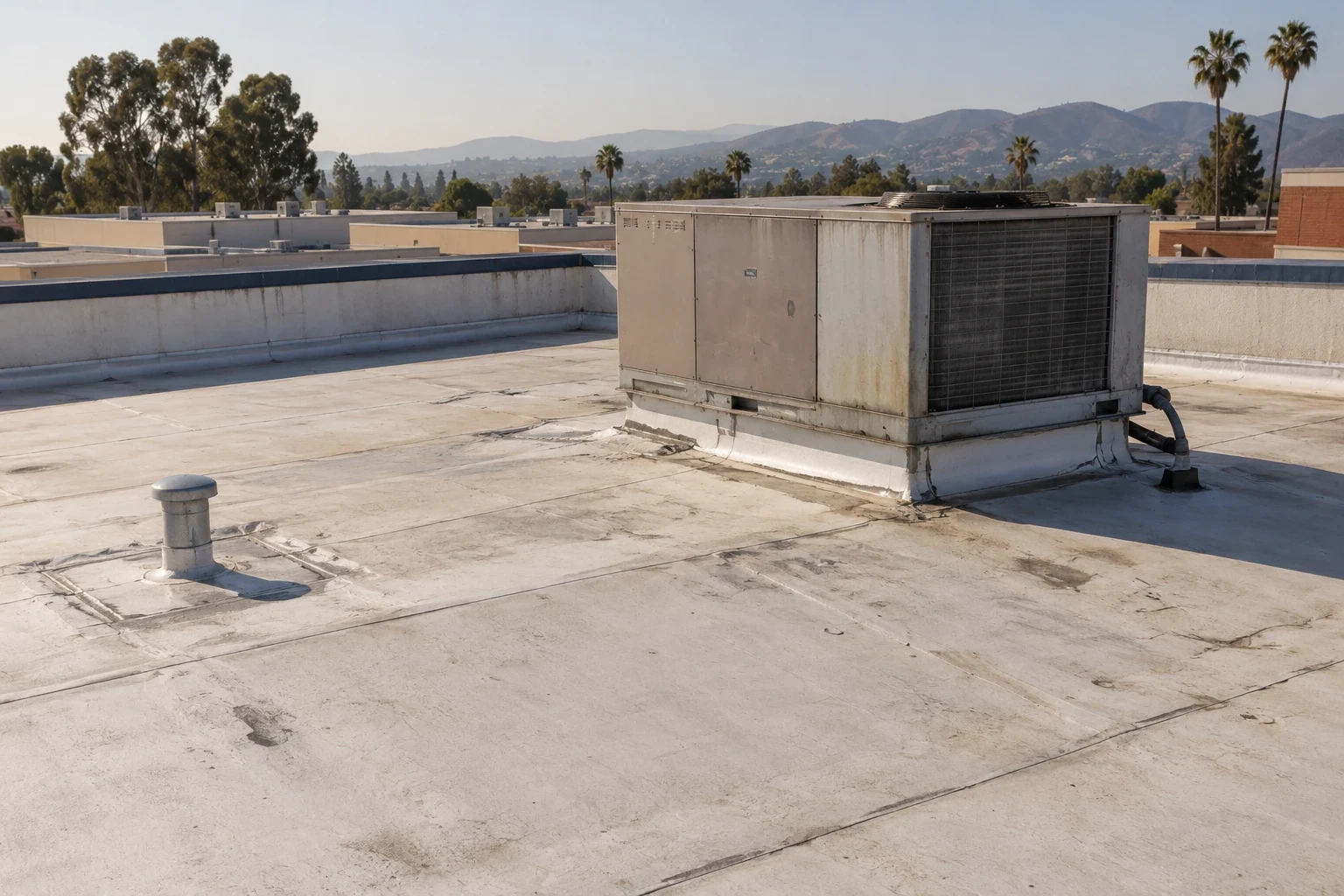
A closeout records the roof area, repair performed, materials installed, photographs, approved changes, and remaining observations. Facility teams can route it to engineering, maintenance, and safety. The record identifies excluded work so the next reviewer can distinguish an open question from a completed correction.
A condition report preserves findings across work orders, while planned maintenance revisits drains, seams, flashings, and equipment interfaces. Recommended repairs remain separate from completed tasks, making the next approval clear.
A common summary may support a multi-property review, but each facility keeps its access requirements and roof map. We identify the next-visit contact and records to have available, giving the team a clear handoff from inspection to repair and continuing maintenance. Public facility owners may also need approval routed through a separate department.

Coordinate a facility roof review
Schedule a roof inspection or scope review and share the facility contact, access process, operating windows, service routes, roof records, and active leak reports. We will document visible conditions and return a scope with the work zone, protection, delivery sequence, and handoff. Identify any approval needed before a roof opening.
A facility contact can report where water is entering and how crews should check in; we will identify the response area before discussing any wider roof work. Protective work can proceed separately while broader assembly decisions follow inspected conditions and facility approval.
Frequently Asked Questions
Which facility details affect a roof inspection schedule?
We need the designated facilities contact, roof access method, activity windows, loading rules, restricted routes, and any approval required for a roof opening. The site team should identify areas that must stay clear and how work notices are handled. We confirm those details before setting the visit and identify any limit that prevents a complete inspection.
Can roofing work proceed while healthcare services continue?
Often the work can be divided into zones, but the facility's operating and safety requirements control the sequence. We coordinate access, material delivery, protection, noise or odor concerns, and reopening points with the authorized contact. If those constraints require a restricted window, it belongs in the scope and schedule before mobilization.
Does an infrared reading prove wet insulation?
No. It can identify a thermal pattern that may guide further examination under appropriate conditions. We describe the surveyed area and limitations, then recommend confirmation where the result affects removal or replacement. The written report should not present an indication as a confirmed material quantity.
How should an urgent leak be documented during a shift change?
Record the building area, time reported, interior protection, roof findings, and repair or temporary action completed. We can provide photographs and a clear status for the facility contact. The closeout should say whether water entry was stopped or further access remains necessary.
What should be included in a multi-building roof proposal?
Each property needs a separate condition record, access plan, work boundary, and sequence. A common approval summary is useful, but it should not combine different assemblies or facility rules. We can group similar repairs while keeping each building's quantities and unresolved questions distinct.