Built-Up Roofing
Review built-up roof repair, recovery, and replacement in Fontana, CA, including ply condition, surfacing, drainage, hot work, and access sequencing.
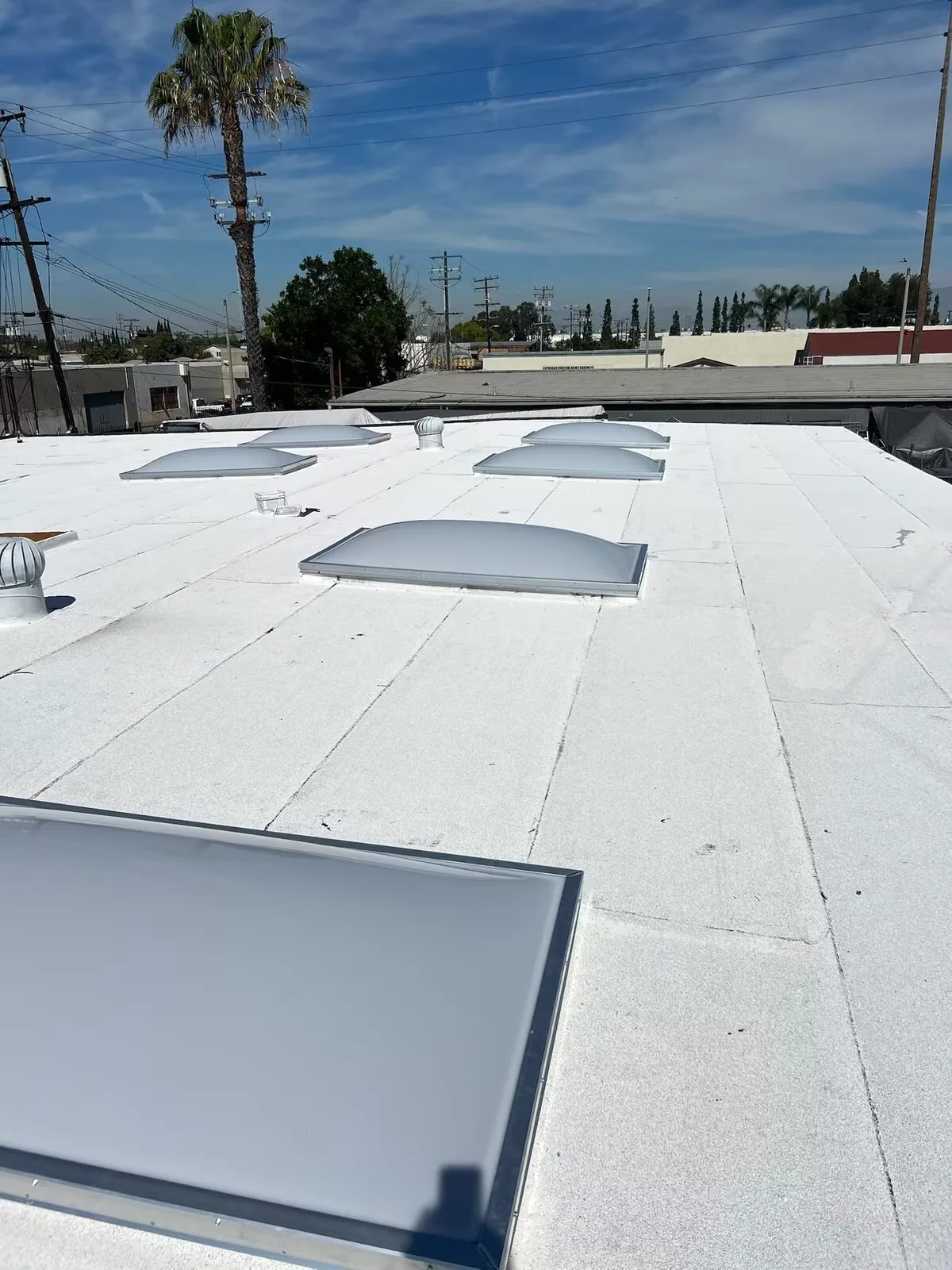
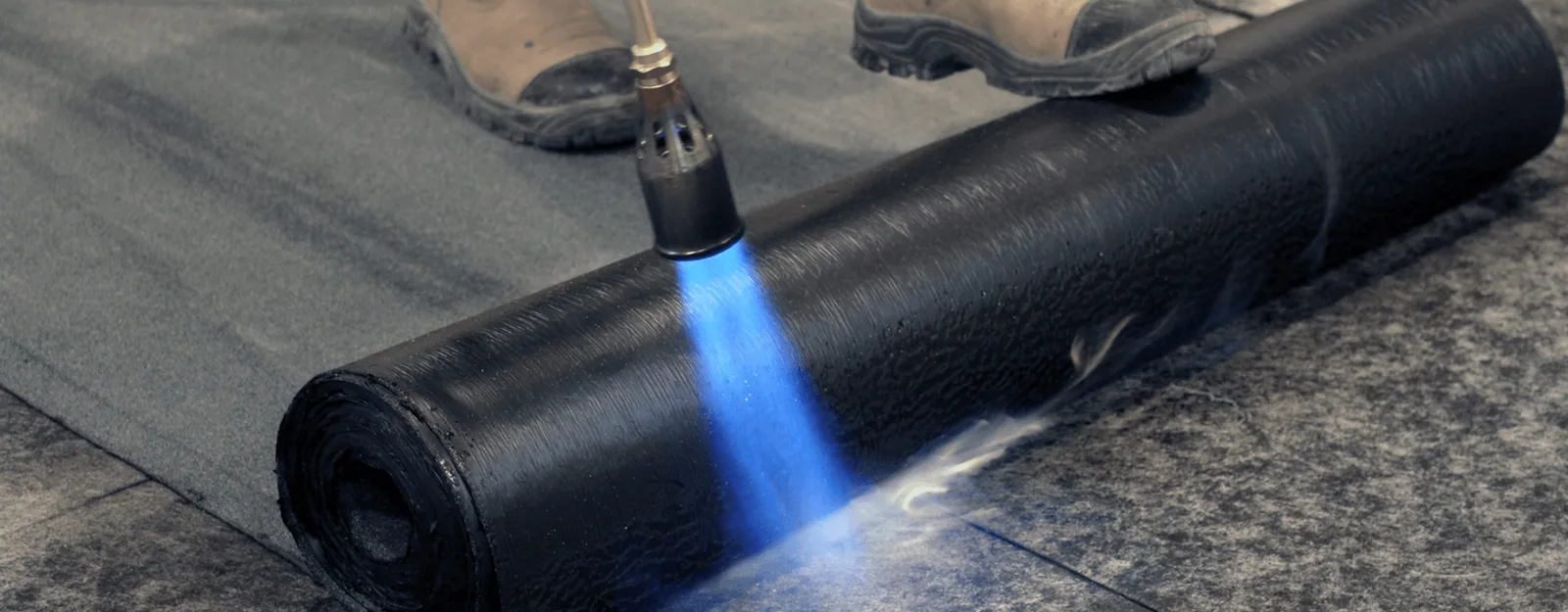
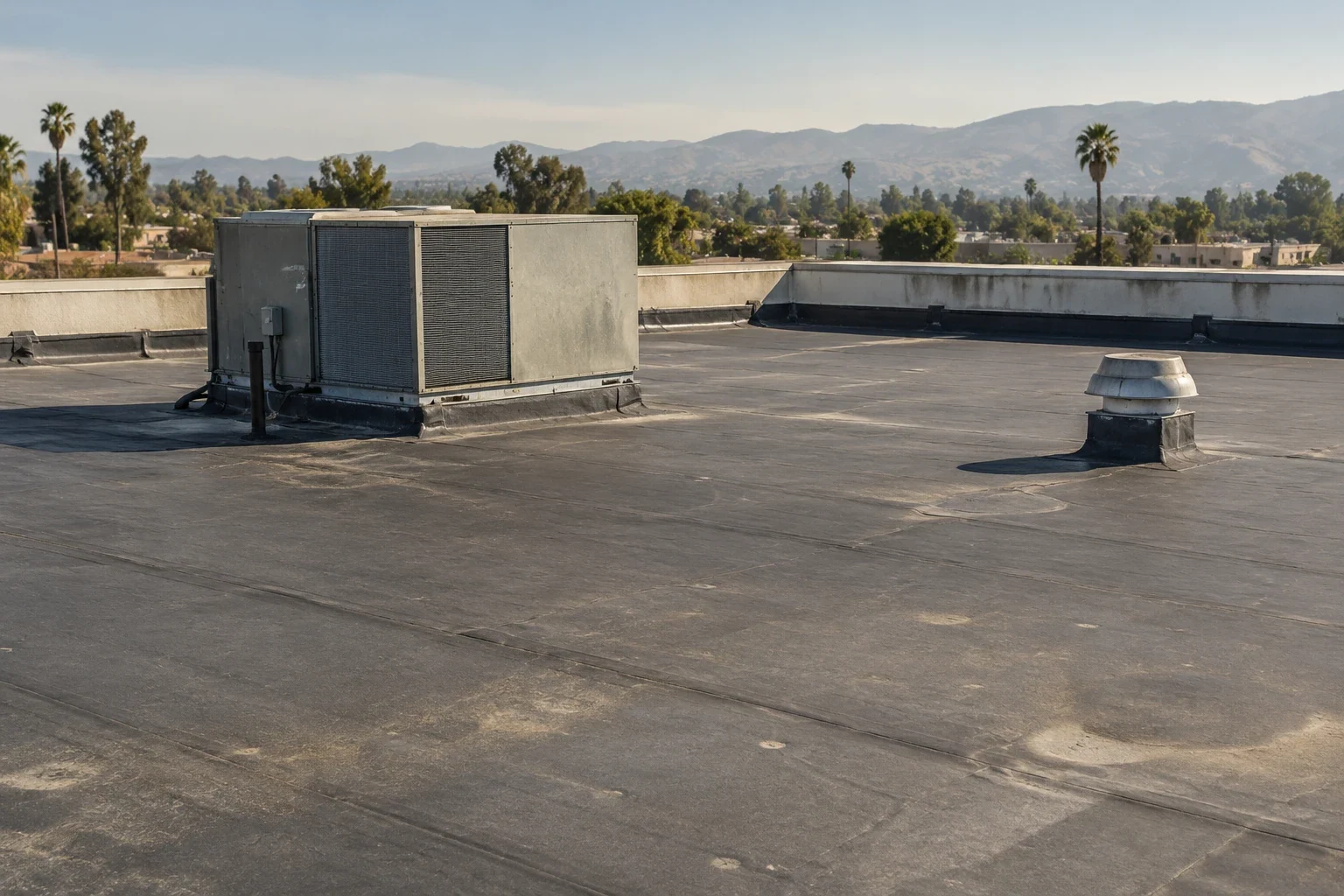
Gravel, coating, or a smooth cap can hide the condition of a built-up roof until a repair opening is made. We identify the surfacing, ply build-up, insulation, and deck before setting a repair or replacement boundary in Fontana, CA. Built-up roofing uses alternating bitumen and reinforcing plies, often finished with gravel, a cap sheet, or another protective surface. The number of layers and their bond affect both the work method and the weight retained on the structure.
Fontana's hot Inland Empire summers put sun-exposed roofs under sustained heat, while cooler-season rain tests drainage and temporary closures. The city's warehouse and manufacturing activity means some properties also have busy loading areas beneath roof work. We inspect the actual assembly and coordinate openings, material handling, and close-in with each facility's operating requirements.
Find what the surface is protecting
Gravel surfacing can shield the membrane from direct exposure, but displaced stone, bare asphalt, alligatoring, blisters, and exposed felts can signal wear or trapped moisture. We examine representative areas, edges, drains, and prior patches, noting where surfacing has moved or where water tracks collect fines. A smooth built-up roof has different visible cues, so the inspection records its actual finish instead of assuming a gravel assembly.
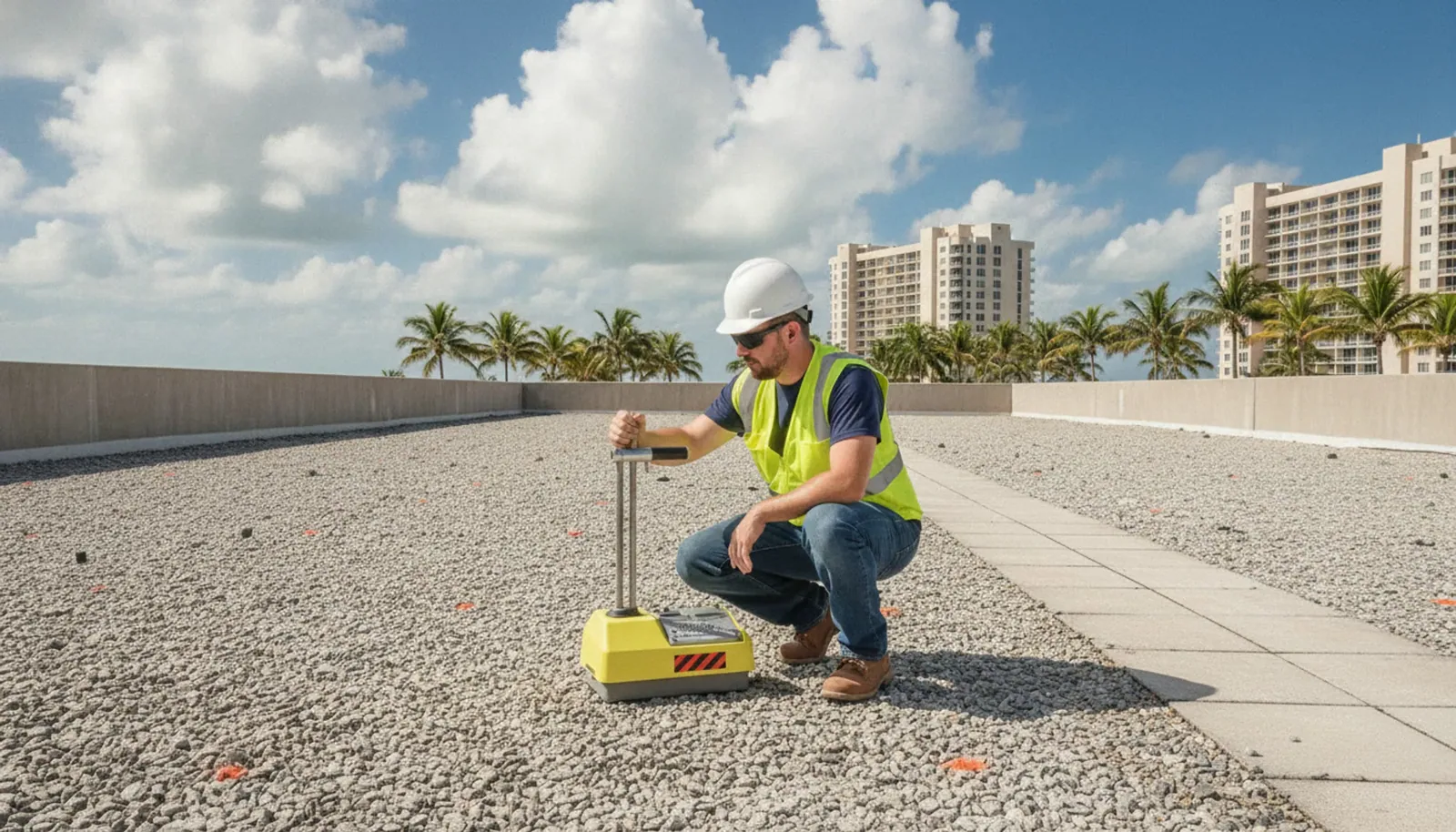
Where concealed layers are uncertain, a controlled test cut may show ply count, adhesion, insulation condition, and deck type. Test locations are repaired after review. If infrared readings or other observations suggest damp insulation, we mark zones that need confirmation rather than extrapolating a single test across the whole roof. The findings support a repair quantity, selective removal, or full tear-off recommendation with specific limits.
Our commercial roof inspection with photographs and location notes records the visible condition. A moisture survey mapped to roof zones can help prioritize follow-up testing where the assembly may be wet.
Compare repair with a new assembly
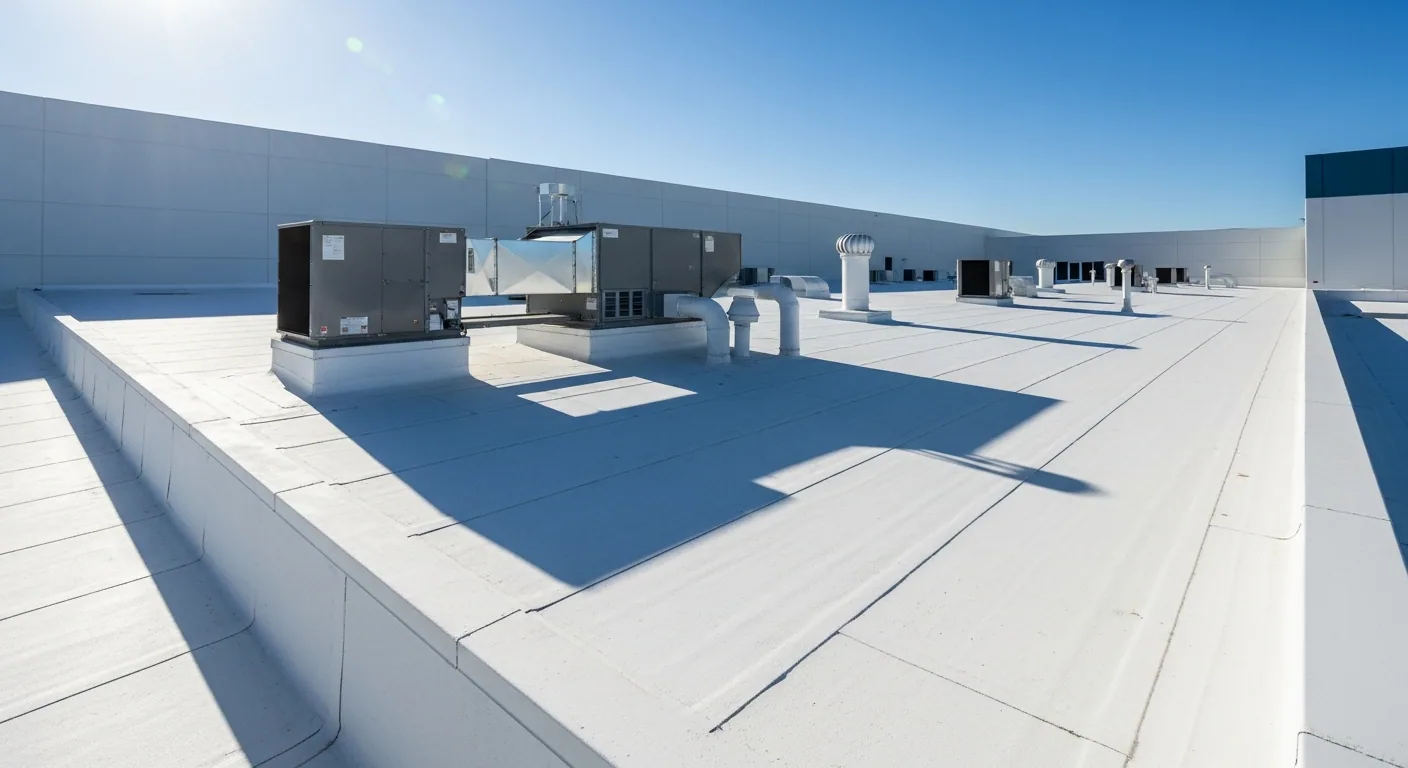
A localized split or failed flashing may be repaired when the surrounding plies remain bonded and the deck is stable. The repair removes loose surfacing as needed, prepares the membrane, and restores compatible plies and protection over a defined area. Gravel is reinstated where the assembly calls for it, while smooth or cap-sheet systems receive a matching finish. A superficial patch on top of loose material can leave the original movement underneath.
Broader blistering, widespread wet insulation, recurring leaks in separate zones, or a weak substrate may support replacement rather than scattered patches. We separate the roof into areas with similar condition and explain what evidence moves an area from repair to removal. A built-up roof repair with clear preparation limits can handle isolated defects. When layers have failed more widely, replacement with stated removal and deck review shows how the new work proceeds.
A recover may work only when the old assembly is suitable to retain and the design accounts for added weight and height. The existing ply count, attachment, moisture, parapet height, and drain inlets are evaluated first. A new layer over a damp or unstable roof can preserve the problem beneath it. We list retained layers, new insulation, cover board, and surfacing separately so the proposal shows the intended construction.
Control heat and application
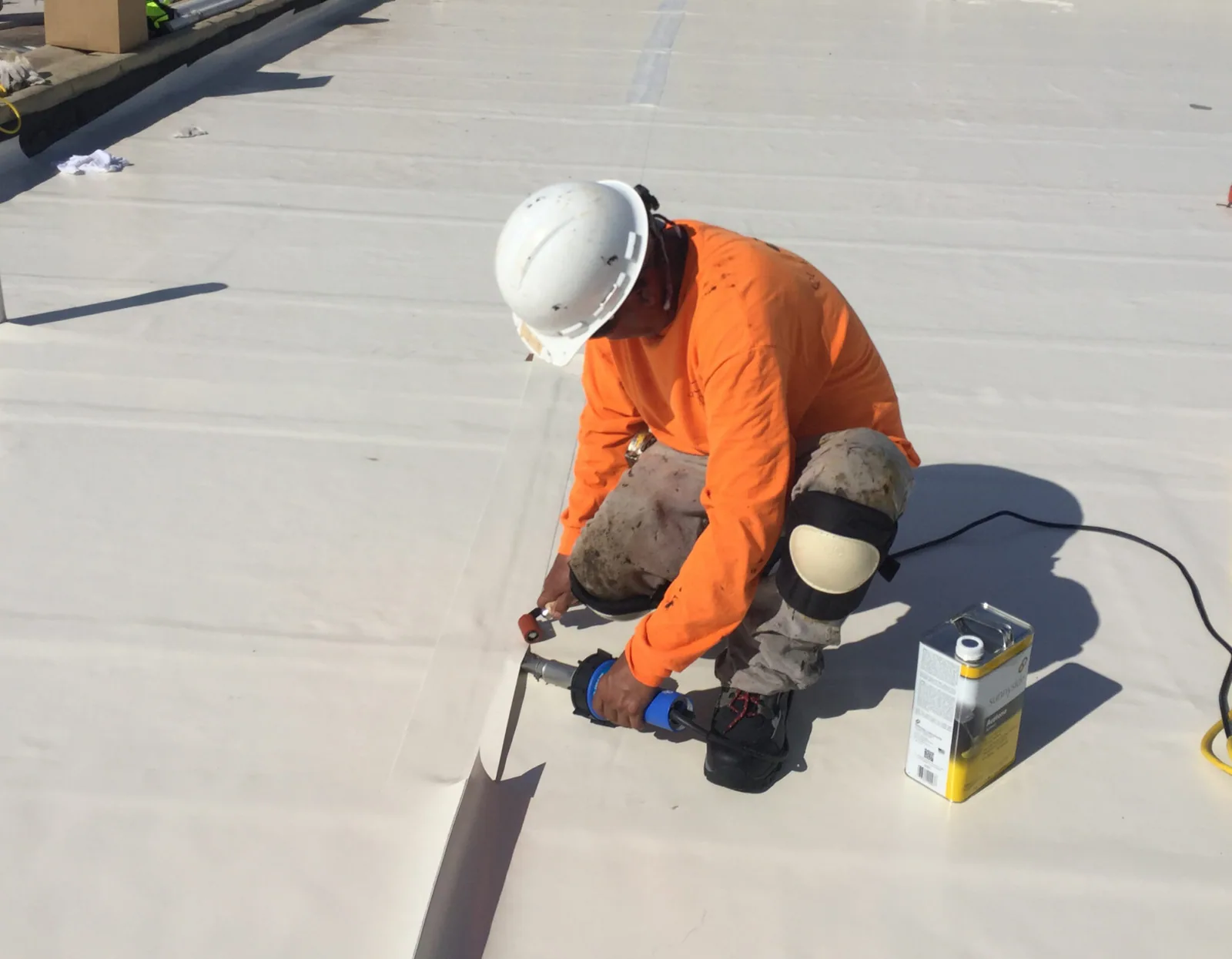
Many built-up systems use hot asphalt, which calls for controlled kettle placement, fire prevention, and a clear material route. We review roof access, combustibles, openings, air intakes, and areas below the work before laying out the hot-work zone. The plan identifies fire equipment, watch responsibilities, and how the crew will protect the occupied building. Material handling and odor-sensitive operations are coordinated with the facility before the kettle arrives.
Fontana summer forecasts in the Inland Empire valleys often exceed 100 degrees and can include extreme-heat advisories. Roof temperature and worker safety affect the available work window and asphalt handling. We confirm field conditions, arrange shade and hydration controls, and sequence the roof so the open area can be completed and secured within the approved shift. If hot application is not appropriate for the specified assembly or site controls, another compatible method must be considered before procurement.
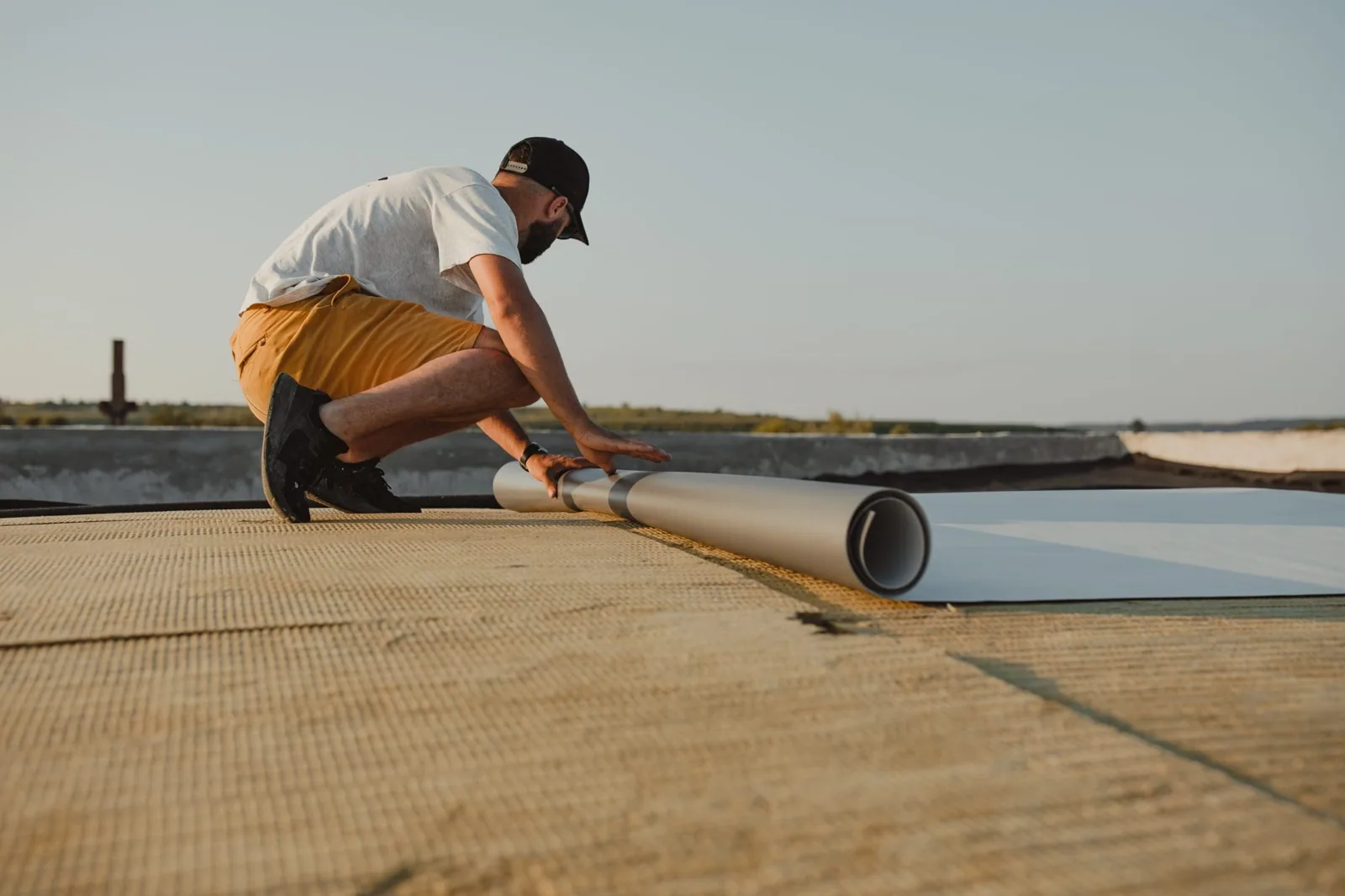
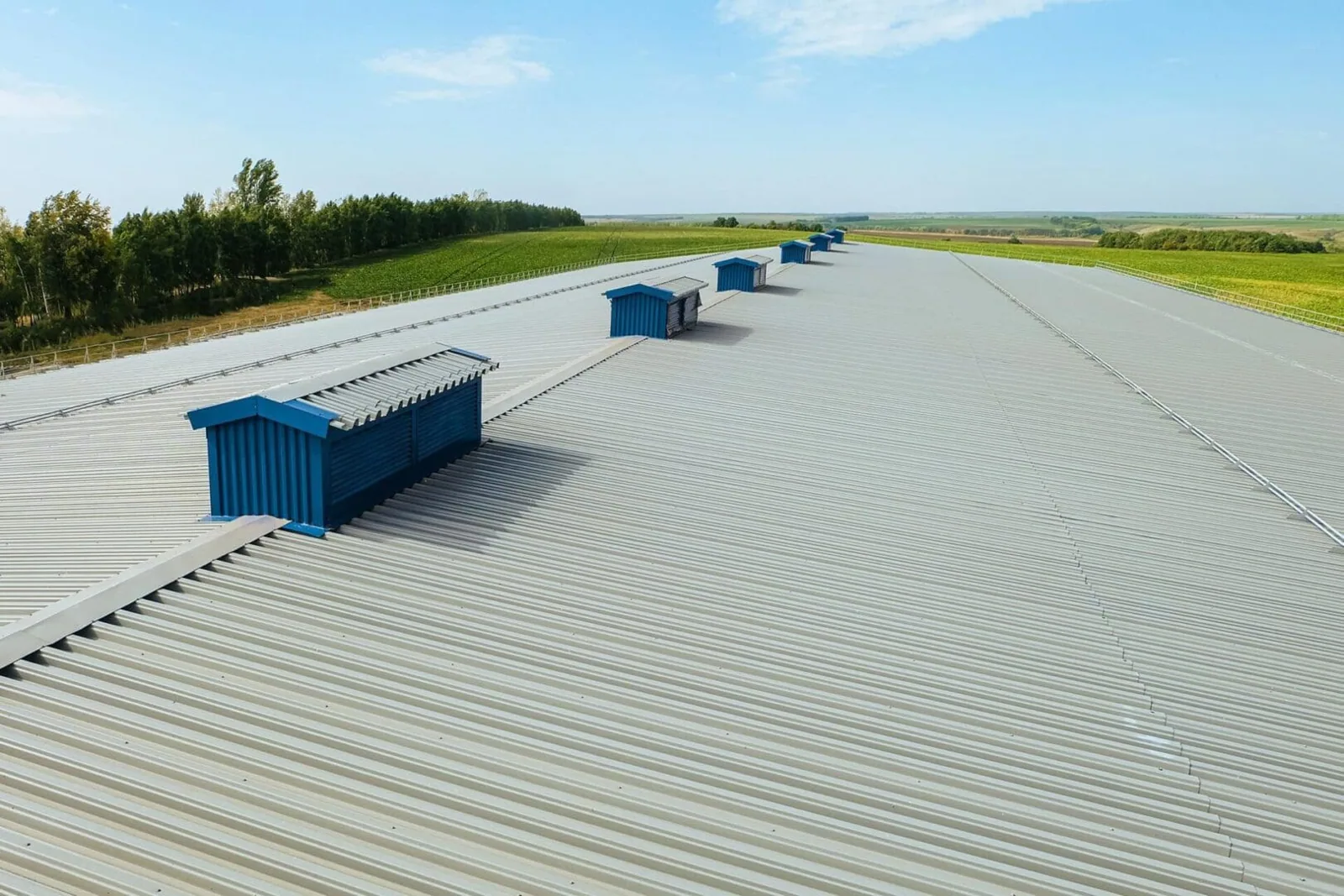
Built-up systems differ from a single-ply modified bitumen membrane, which uses factory-reinforced sheets installed in plies. A standing-seam metal roof presents a different structure and drainage method. Comparing options requires the deck, slope, access, and long-term maintenance approach, not simply choosing a surface product.
Carry water through every detail
Built-up surfacing can change how quickly water reaches an outlet. We inspect drain bowls, strainers, scuppers, crickets, and any area where stone or debris builds up. New plies and insulation can raise finished height, so drains and overflow routes must stay at the proper elevation. If ponding traces to a low substrate or blocked drain, a roof replacement alone may not correct it. The scope identifies whether slope correction or plumbing work is part of the project.
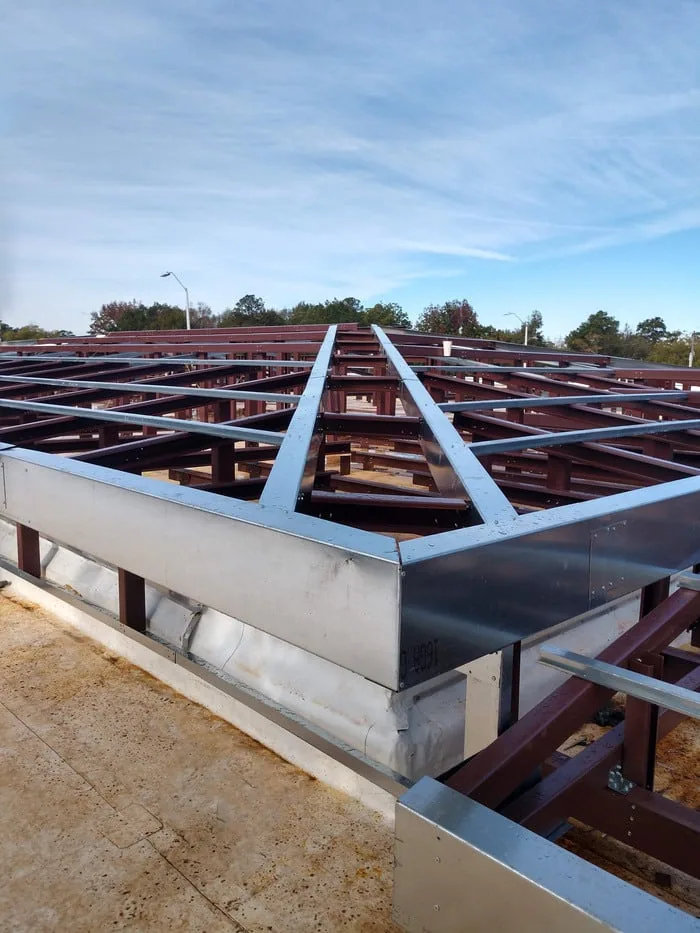
At parapets and equipment curbs, each ply has to turn into a durable flashing detail and terminate against a sound surface. Metal edges may need new fastening or substrate repair. Penetrations added after the original installation can interrupt the original waterproofing layers and need a fitted tie-in. A drain and scupper scope can define the roofer's work at the outlet, while coping and perimeter metal work sets the edge assembly. We include only what the roof inspection supports.
Seasonal rain is concentrated in the cooler months around Fontana. Each phase therefore needs a temporary seal at the end of the shift and a route for water to leave the active zone. We identify where work can stop safely and what conditions must be checked before the next section opens.
Keep the property moving
Deliveries of asphalt, reinforcement, surfacing, and insulation may require separate staging. Fontana's I-10 and I-15 corridors support regional freight, and the Southwest Industrial Park includes distribution and trucking operations. Those broad patterns make arrival timing and truck circulation worth confirming, though the facility's own route rules set the actual plan. We check loading hours, hoist position, roof storage limits, pedestrian paths, and where emergency access must remain clear.
On a working building, the crew can phase the roof by section to limit disruption and reduce the area exposed at one time. Before cutting begins, the owner and roofing lead agree on interior protection, noise windows, ventilation, equipment access, and any shutdown needed near an opening. If deck damage or additional layers appear, we stop at a secure boundary and price the changed quantity before extending the removal area.
At closeout, we record the assembly installed, the zones repaired or removed, detail checks, and any condition outside the roofing scope. The Southwest Industrial Park has a broad distribution and trucking role; each site's receiving calendar and roof-access rules still determine the sequence. The operations team receives a clear handoff for future inspections and drain maintenance.
Frequently Asked Questions
How can you tell if a built-up roof is wet below the surface?
Surface signs such as blisters, soft areas, and recurring leaks can guide testing, but they do not map concealed moisture by themselves. We inspect selected locations and may use infrared readings or test cuts to confirm the assembly. The scope records tested areas and keeps unexamined sections outside the conclusion.
Can gravel be left in place during a recover?
Only if the designed assembly can accept the existing surface and the added material will bond or be separated as required. We check loose stone, surface stability, weight, moisture, and heights at edges and drains. The written system describes any removal, sweep, cover board, or other preparation before new roofing begins.
Why does built-up roof replacement involve hot-work planning?
Hot asphalt requires a controlled kettle area and protection for openings, air intakes, combustible materials, and occupied spaces. We set fire controls, access, material routes, and work hours before mobilization. The selected system and site conditions determine whether hot application is suitable.
What drives the schedule for a built-up roof in Fontana?
Ply count, surfacing removal, deck repairs, kettle access, work-zone size, weather, and receiving hours all affect the sequence. We identify daily close-in points and a route for water if work pauses. Summer heat also changes the practical hours for safe material handling on an exposed roof.