KEE Roofing
Compare KEE membrane repair, recovery, and replacement in Fontana, CA, with seam, flashing, exposure, drainage, and work-zone details in scope.
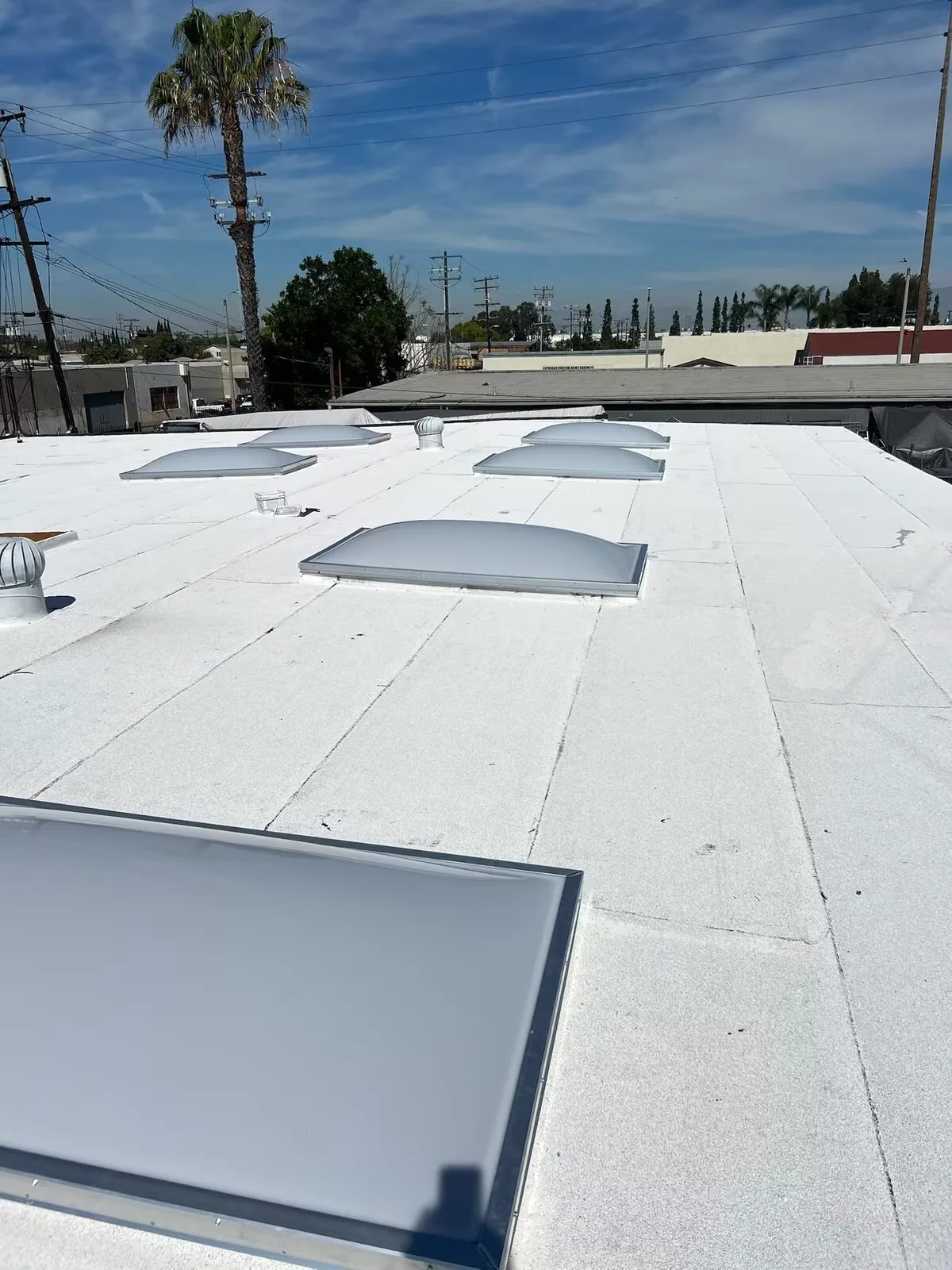
A rooftop exhaust, kitchen discharge, or service area can put a membrane through more than ordinary weather. We review what reaches the roof, how the existing assembly is built, and where the details must turn before specifying a KEE system in Fontana, CA. KEE is a PVC-based membrane modified with ketone ethylene ester. Its formulation can be selected for particular exposure demands, but the actual product data and site conditions govern suitability.
Fontana combines hot Inland Empire summers with commercial operations tied to manufacturing, healthcare, retail, and freight. I-10, I-15, and SR-210 make the city a regional transport hub, while the Southwest Industrial Park includes distribution and trucking uses. Those routes help frame delivery planning; we inspect each building's assembly, access, and material-handling conditions before setting the work sequence.
Match the membrane to the exposure
Start with the substance, temperature, and route of any discharge. A kitchen exhaust may deposit grease near a curb; a process outlet may release a different compound or cleaning residue. We ask the facility contact what is used, where it travels, and whether the process changes during the year. The membrane is then checked against product-specific exposure guidance, including any limits on concentration, contact time, or temperature.
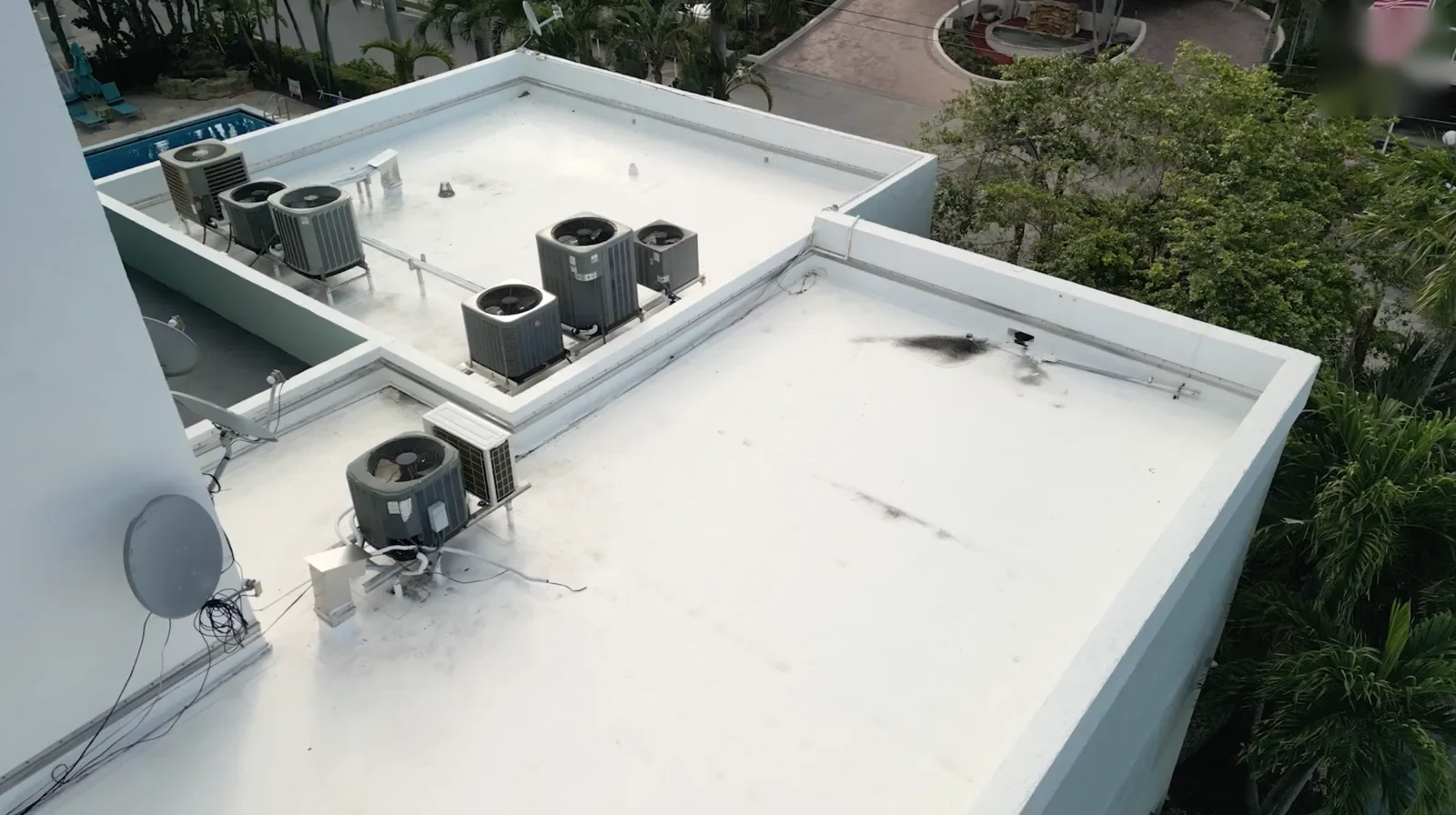
Exposure can be concentrated in a small area. The field membrane may remain sound while sheet close to an exhaust, walkway, or service platform needs closer inspection. We mark the affected zone and inspect seams, flashing, and drainage downstream. That helps keep a repair contained when evidence supports it, while preventing a new sheet from being specified without addressing the material incompatibility.
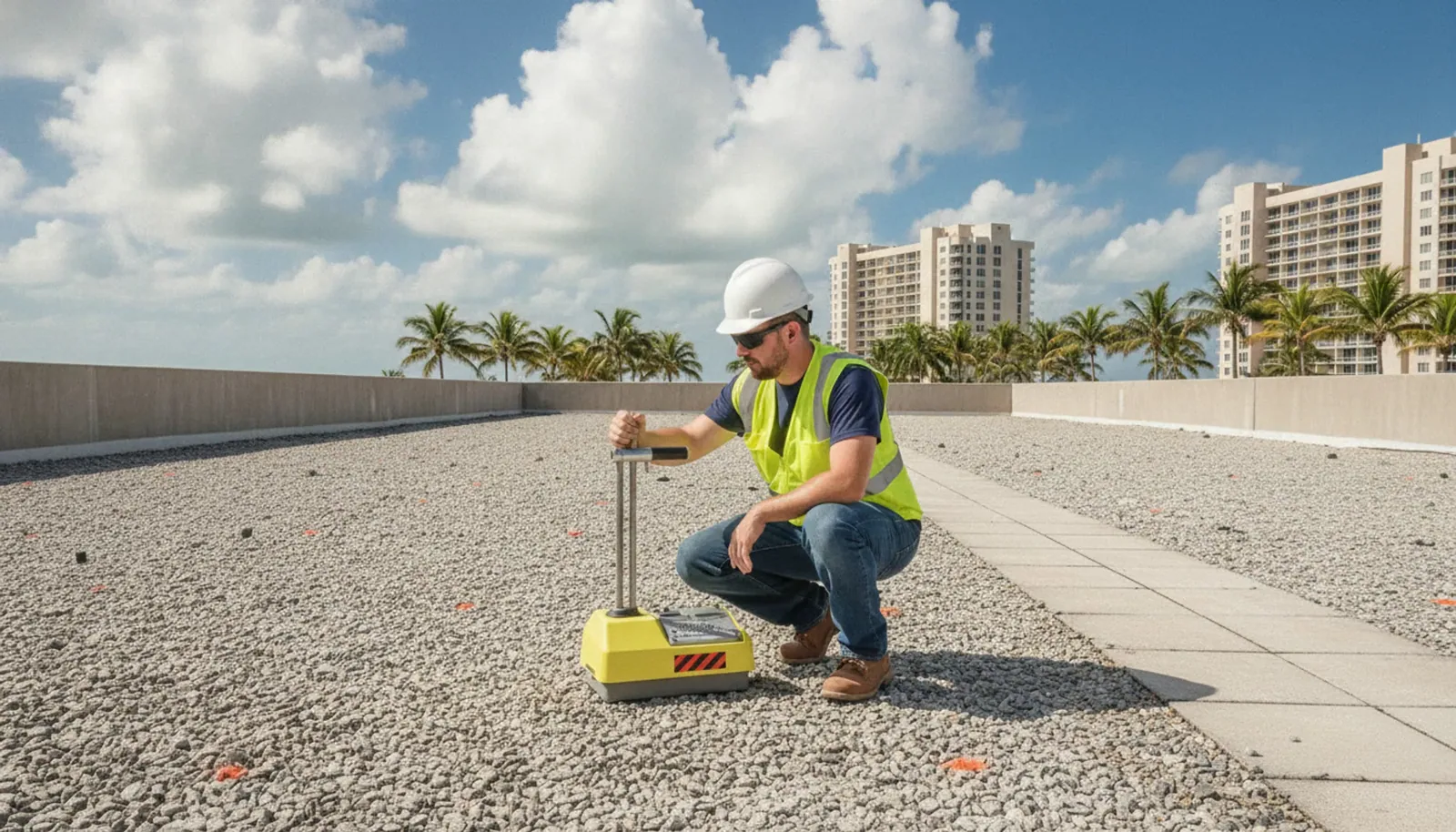
Our roof inspection with marked conditions and photographs records what is visible. When moisture below the sheet is in question, an infrared roof survey tied to test locations can narrow areas for confirmation. Results stay associated with the areas examined, and any product compatibility question remains visible before procurement.
Keep the layers compatible
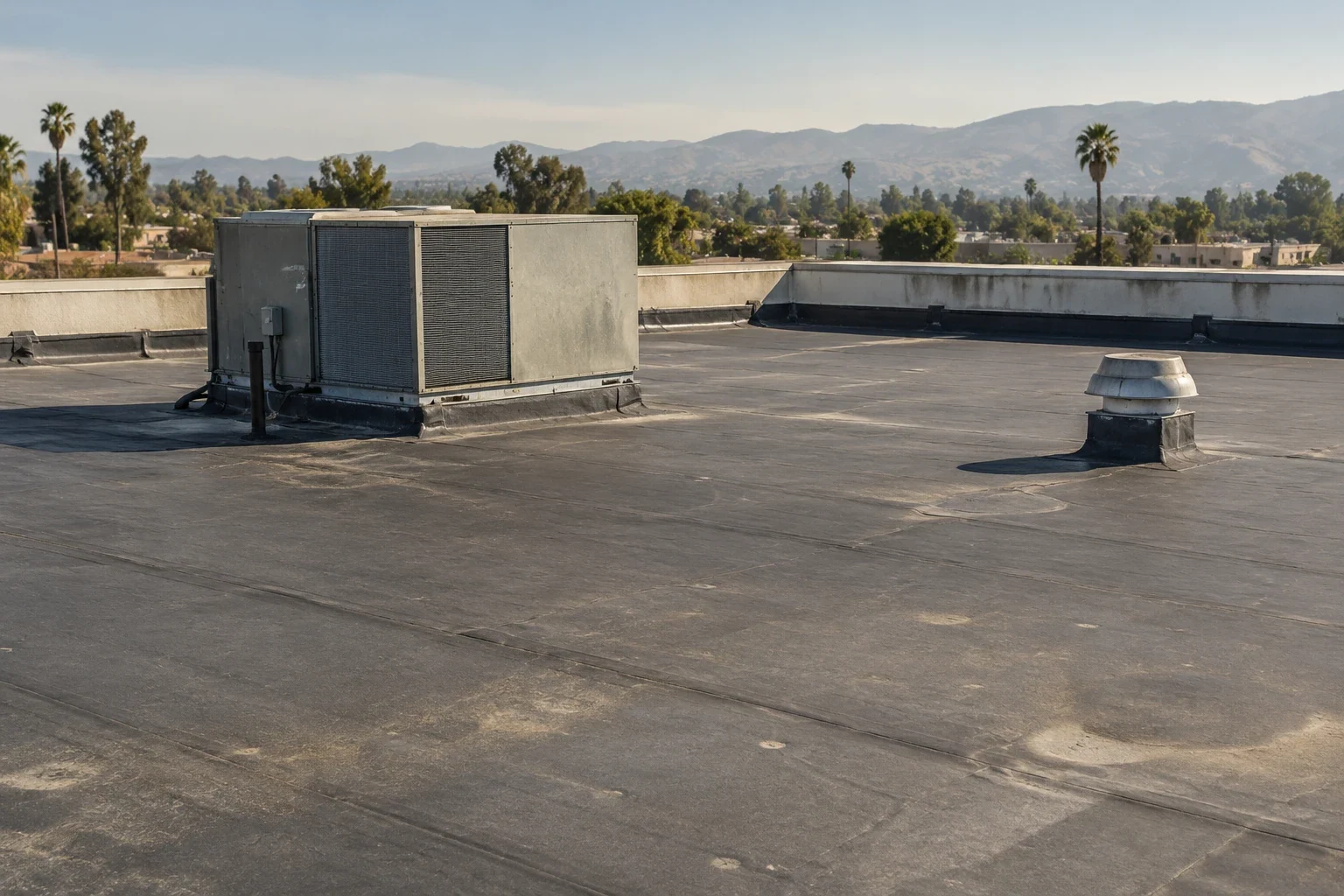
KEE is one component of a roof assembly. We inspect the existing membrane, insulation, cover board, attachment, deck where accessible, and the drainage plane. Existing bituminous layers, adhesives, sealants, or unknown patches can affect direct contact. A separator, cover board, or removal may be needed to keep materials compatible. The written scope identifies each layer and its role instead of assuming that a new membrane can bridge whatever remains.
Attachment must suit the deck and design. We review edge conditions, fastener pullout where testing is required, perimeter zones, and roof heights at curbs and walls. A recover can raise the finished surface, affecting doors, drains, scuppers, and rooftop equipment transitions. If the base assembly is wet or unstable, adding a membrane would conceal rather than resolve the condition. insulation and cover-board work can be defined with the membrane scope where the assembly calls for it.
A PVC membrane or TPO system may address another set of project requirements. We compare exposure, attachment, flashing, and service conditions against each proposed product's specifications. The choice needs to work at drains and edges as well as across the open field, with accessories suitable for the selected sheet.
Verify the seams and transitions
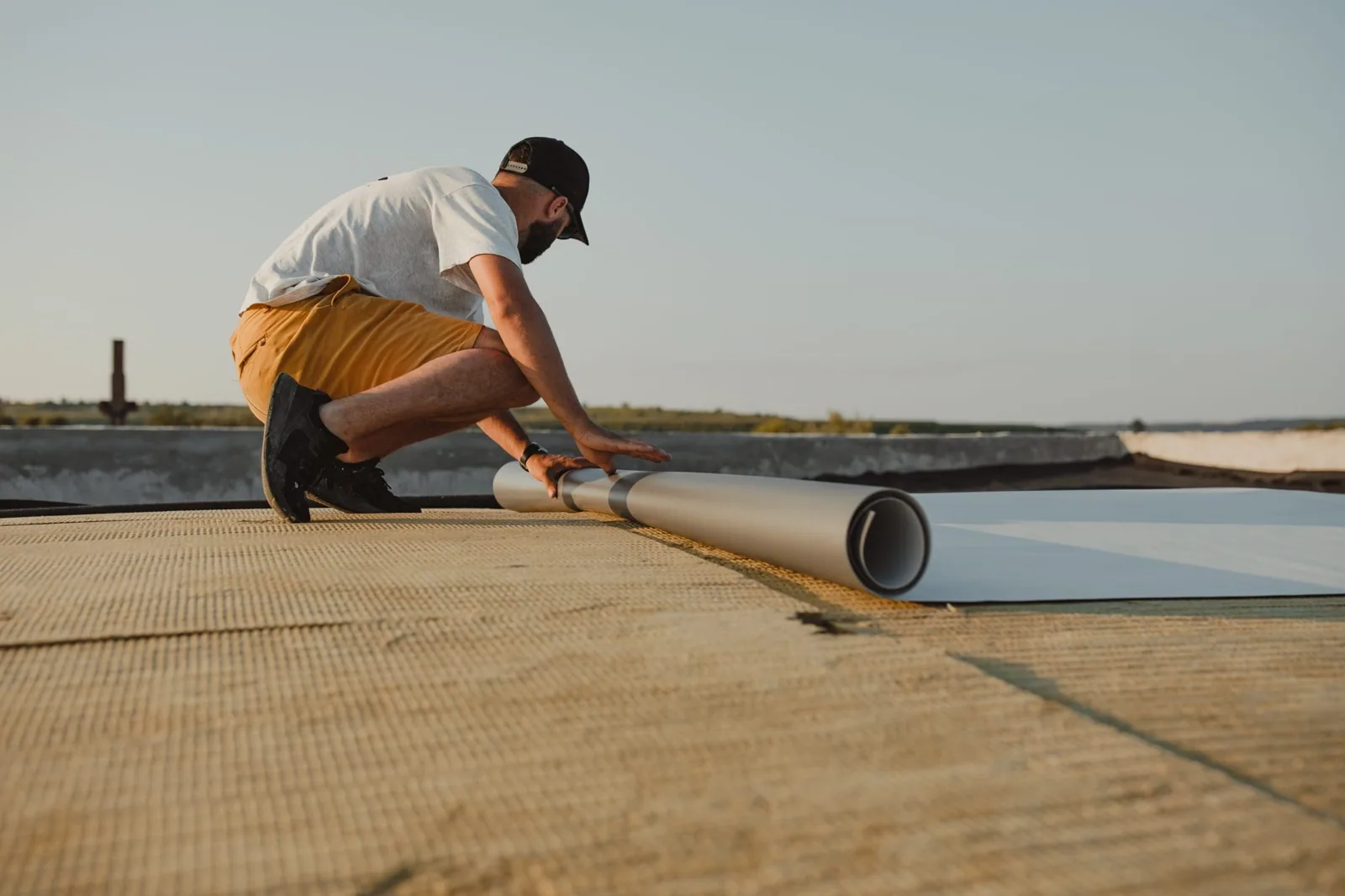
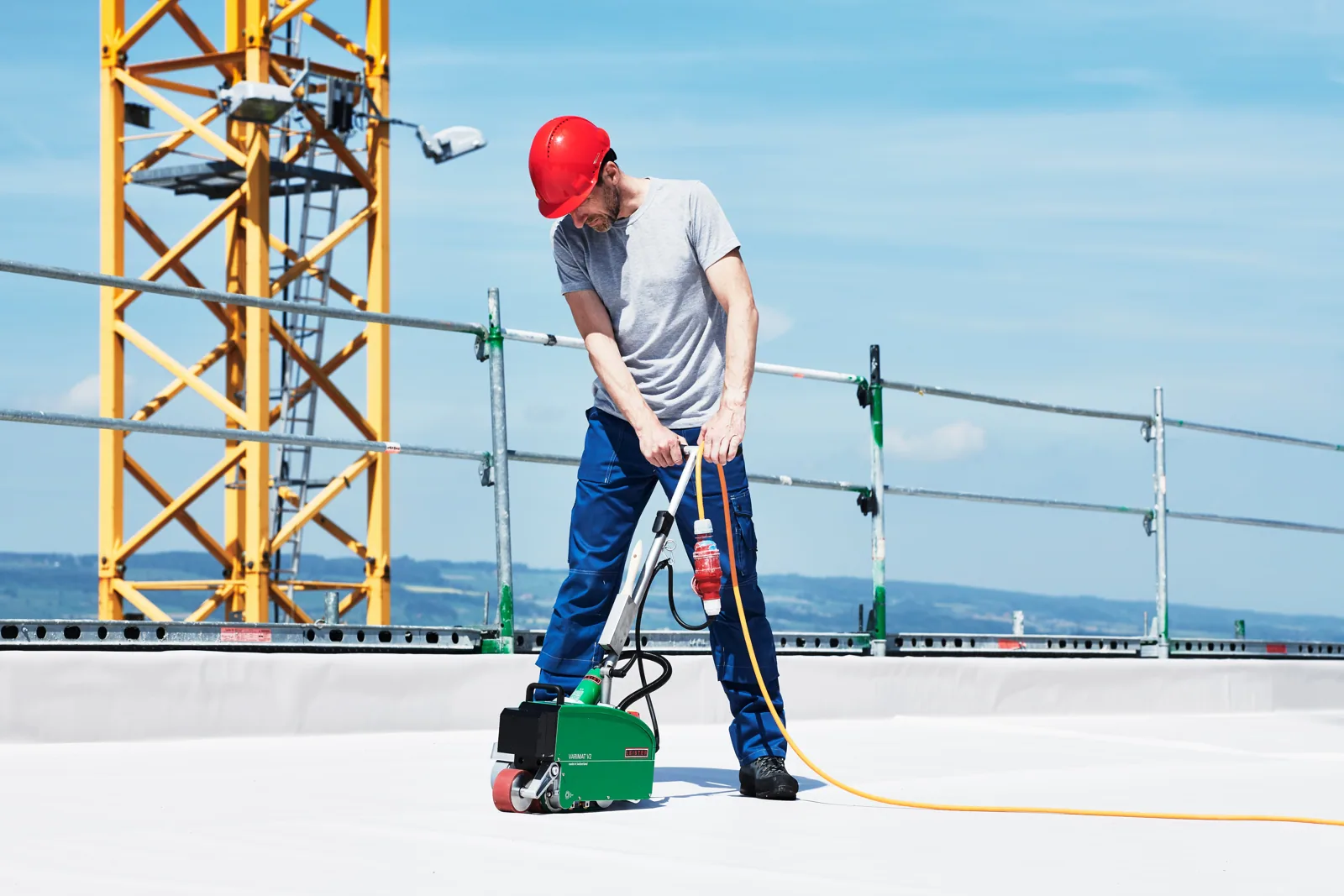
Hot-air welding joins prepared KEE sheets. The installer sets equipment to the membrane and working conditions, then checks test welds before production proceeds. Dust, moisture, surface residue, temperature, and speed can change seam quality. Representative laps are probed or otherwise checked as the installation advances. A weak sample is corrected and retested before that section is buried by the next operation.
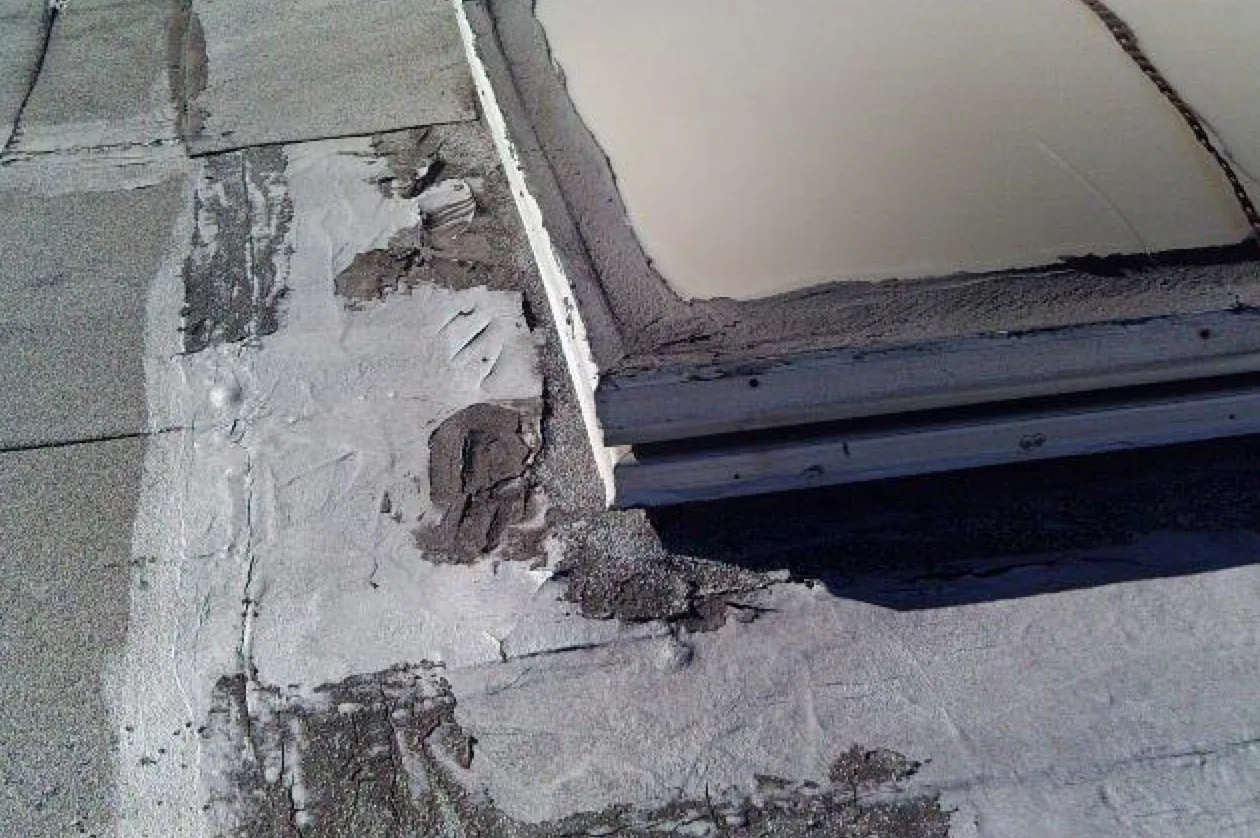
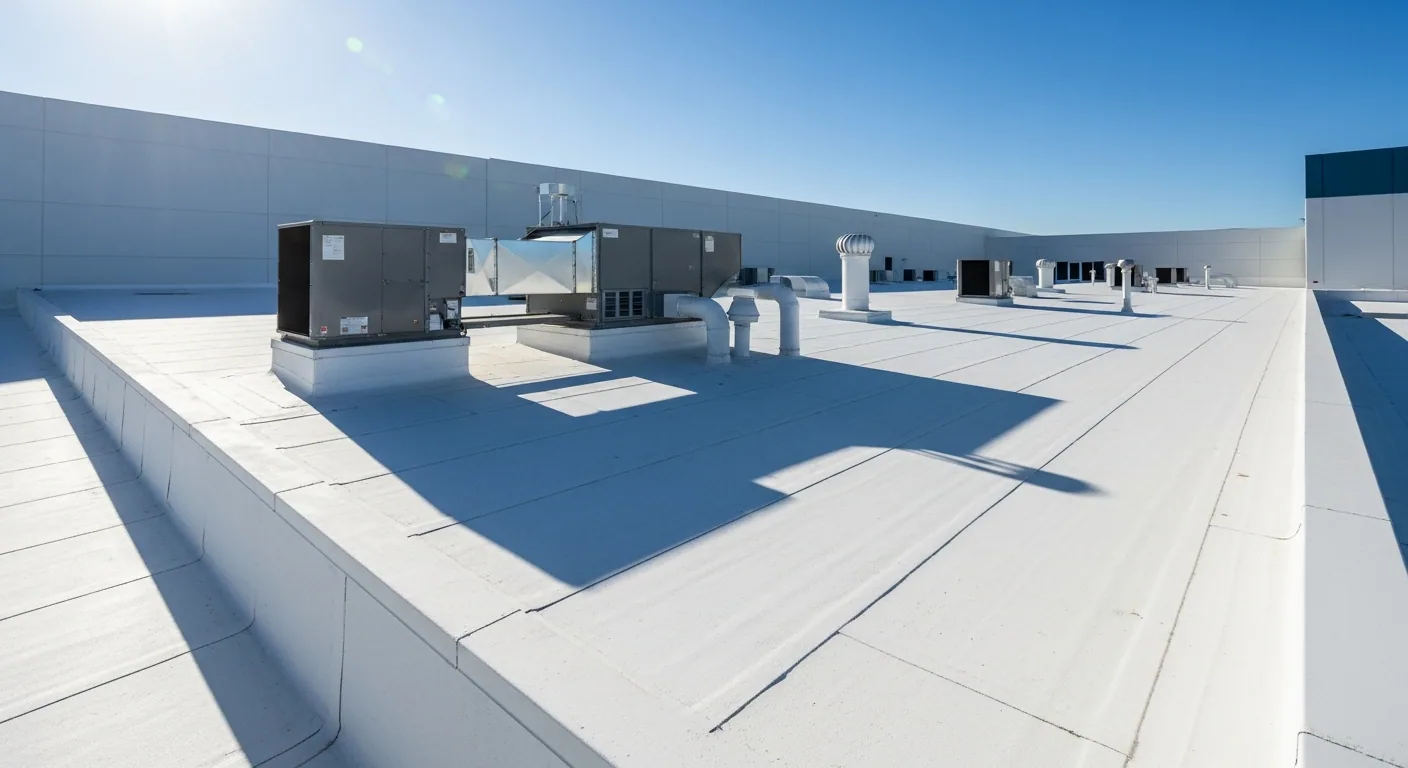
Roof details take separate fitting. At a parapet, curb, drain, pipe, or equipment support, field membrane transitions to flashing and termination components. We check the substrate, height, fastening, corner formation, and water path so the field seam joins a complete perimeter detail. If an HVAC replacement or process change is planned, its timing is coordinated before flashing is closed. A penetration flashing scope can identify the roof work needed at roof openings.
Where only one zone has failed, a membrane repair with a defined tie-in can state preparation, patch material, and inspection limits. If repeated seam separation or wet insulation points to a larger condition, we compare that repair with a recover or full replacement scope with stated removal boundaries. The owner can see which evidence supports the selected extent.
Account for heat and water movement
Fontana's roof surfaces can become hot during the long summer season. National Weather Service forecasts for the Inland Empire valleys frequently show highs above 100 degrees and sometimes carry extreme-heat advisories. We schedule access, welding, and material handling with those conditions in mind. A daily work plan identifies the roof section opened, where materials are staged, and how exposed edges are protected if the crew has to pause.
Winter rain is less frequent than summer heat in this valley setting, but a roof opening still needs a secure close-in. We review slopes, drain bowls, overflow routes, and areas that retain water, then check that insulation thickness will not bury a drain flange or reduce flashing height. New membrane cannot change a low point unless the design includes the underlying correction. A drain and overflow review can define where roofing ends and plumbing work begins.
At coating or recover decisions, surface condition, seams, penetrations, and retained moisture all matter. We assess whether the existing assembly can support the proposed work and keep surface treatment separate from wet-insulation replacement or deficient attachment.
Set the work around live operations
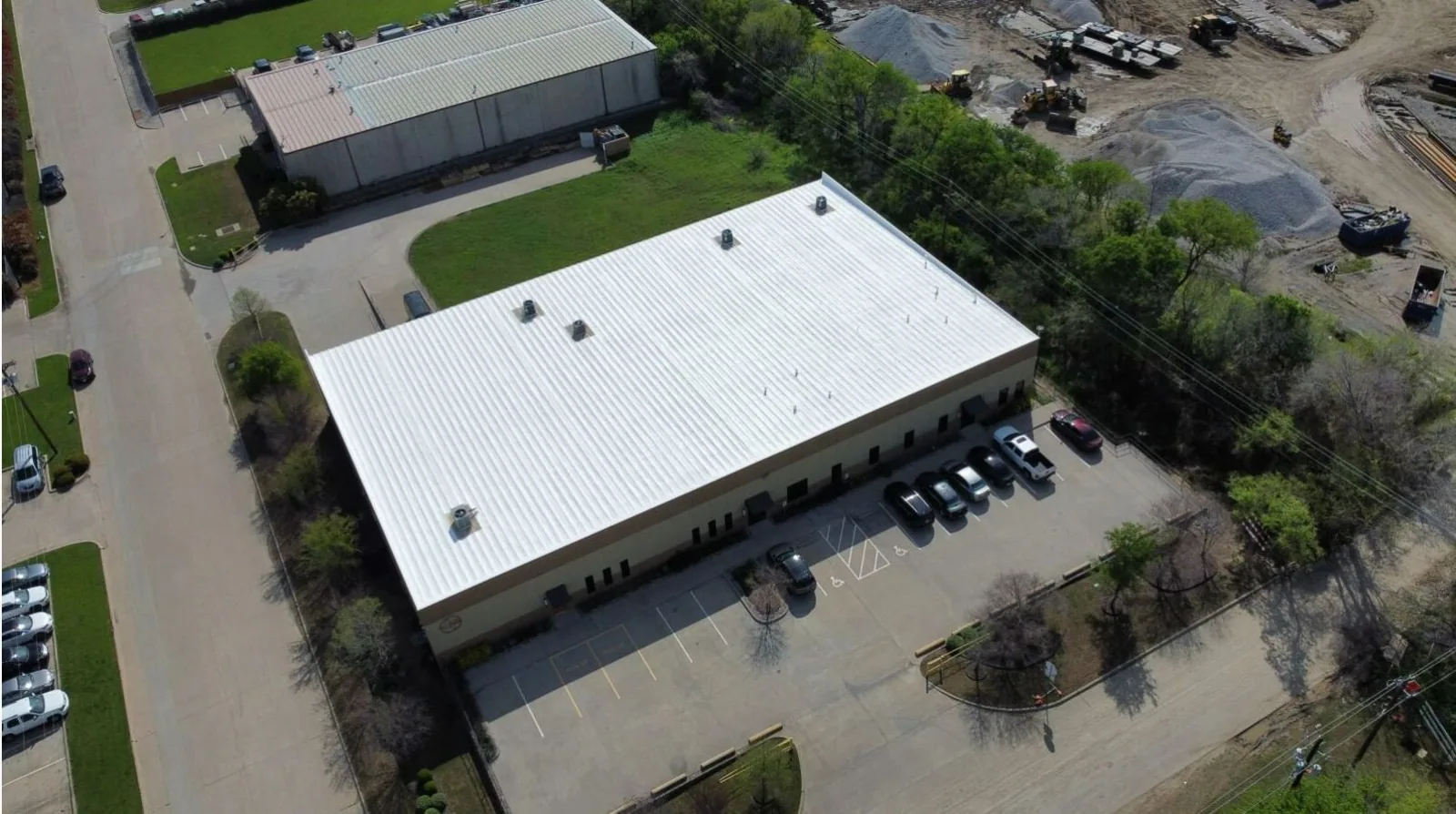
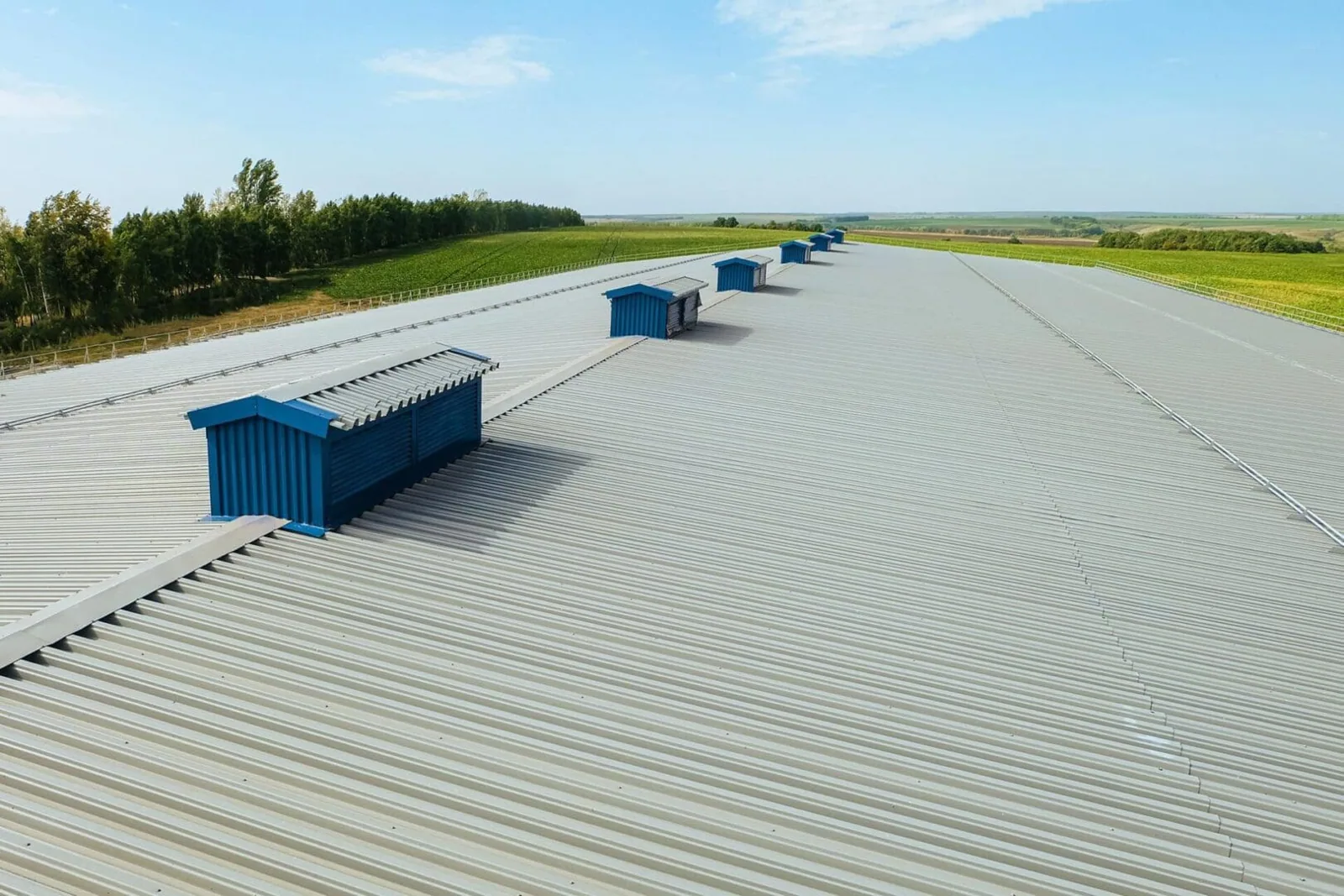
Delivery and roof access have to fit the operating property. In Fontana's freight corridors, an occupied warehouse may have scheduled receiving, truck circulation, and pedestrian routes that compete for the same space. We confirm the site's own access hours, loading restrictions, hoist point, and laydown area before setting the installation sequence. Rolls, insulation, and accessories are staged by roof zone so material does not block service paths or drains.
For a property in the Jurupa Industrial Park area, the broad industrial context helps frame delivery coordination, but the actual traffic plan comes from the property manager. We phase work to limit open roof area and identify the end-of-shift tie-in. The handoff covers alarms, equipment shutdowns, noise windows, tenant notices, and any separate trade work that needs to precede membrane installation.
At closeout, the owner receives a record of the installed layers, tested seams, completed flashing, and remaining items outside the roofing scope. This helps facilities teams compare later inspections with the conditions seen before work, and keeps procurement records aligned with the finished assembly.
Frequently Asked Questions
Does KEE handle every chemical exhaust?
No membrane should be chosen from the word KEE alone. We identify the discharge and check its expected contact against the selected product's published limits and accessory requirements. When discharge details are unavailable, we obtain the process information before selecting a membrane or accessory.
Can a KEE roof be installed over an older membrane?
A recover is considered after checking retained layers, moisture, attachment, material compatibility, and finished heights. We state whether a separator, cover board, selective removal, or full tear-off is required. If the existing roof cannot support the designed assembly, the proposal shows the removal boundary and substrate condition needed before installation.
What should be checked at KEE seams?
Test welds and representative production seams need review under the day's conditions. We also examine corners, penetrations, perimeter terminations, and drains because those transitions rely on formed flashing and compatible accessories. The installation record shows what was tested and which corrections were completed before close-in.
How does heat affect KEE installation in Fontana?
Hot roof surfaces affect safe access, material storage, and welding conditions. We plan delivery and work windows around current site conditions, test the setup, and define how an open zone is secured during a pause. We check roof-surface temperature and weather conditions before setting the day's welding and material-handling sequence.