EPDM Roofing
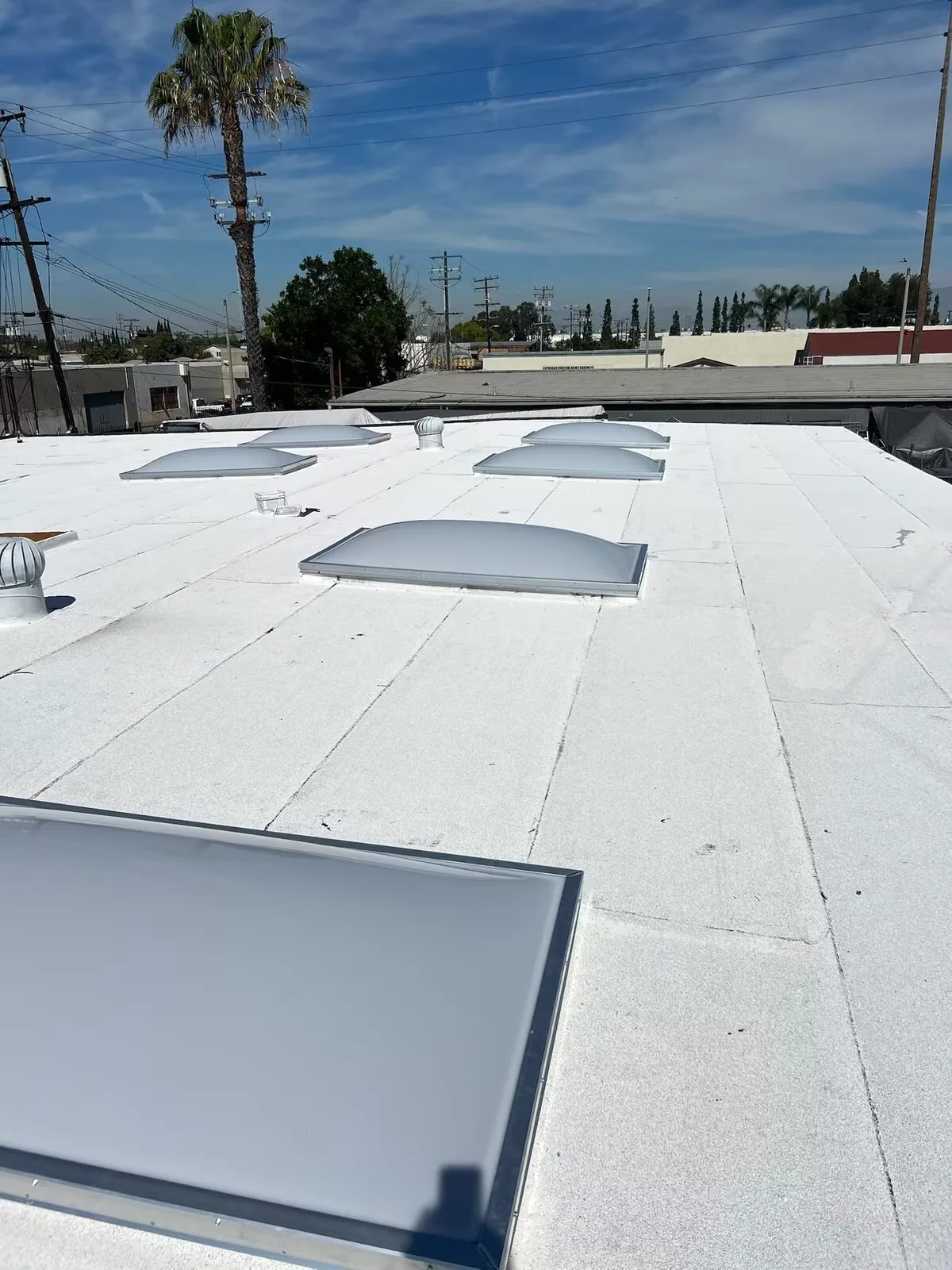
Plan EPDM roof repair, replacement, or recovery in Fontana, CA, with attention to seams, flashing, drainage, heat, access, and the existing assembly.
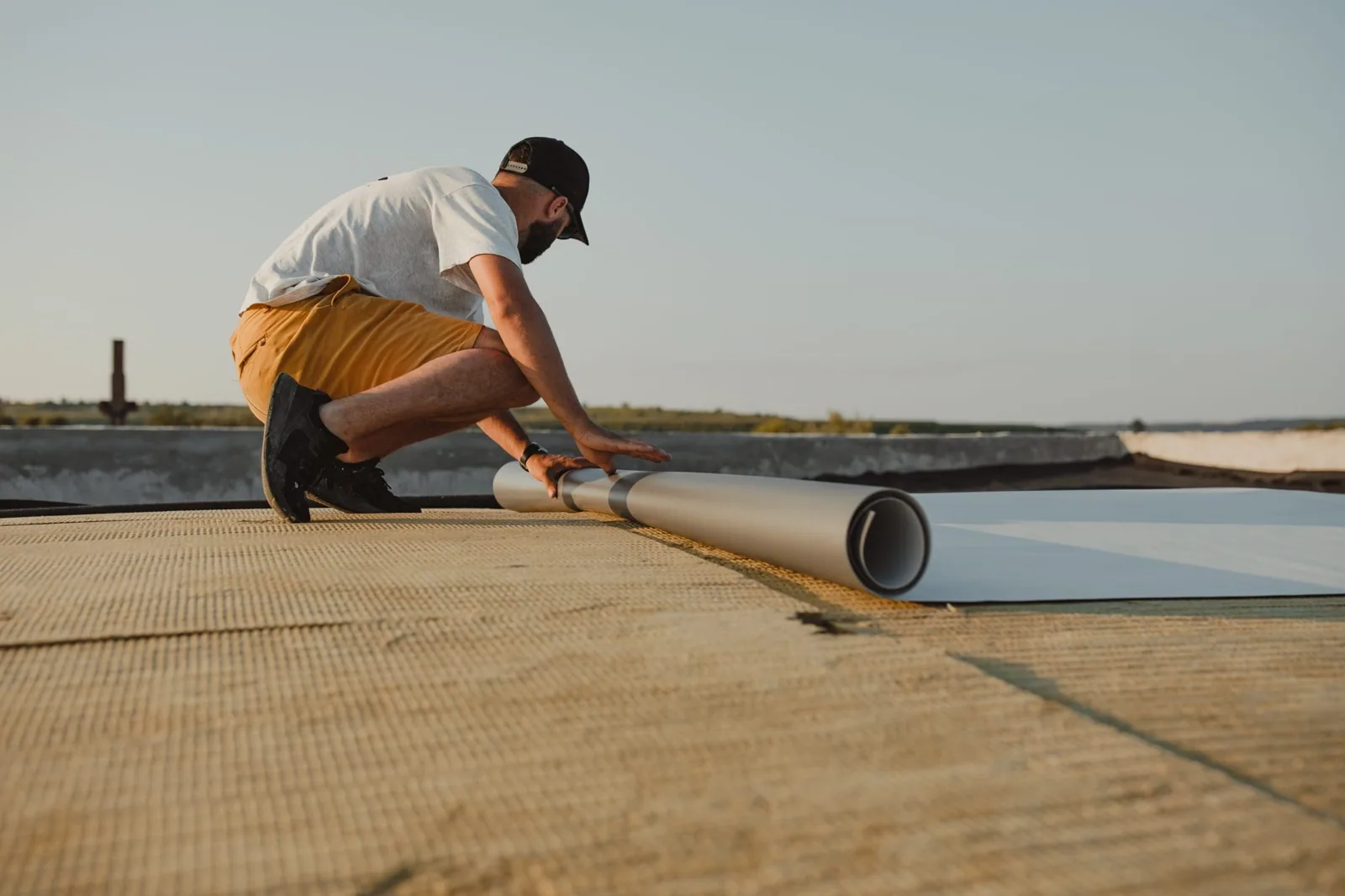
A black EPDM sheet can absorb significant sun at an exposed roof, so material choice and work timing belong in the same scope. We assess the assembly, drainage, details, and operating limits before recommending repair, recovery, or replacement in Fontana, CA. EPDM is a flexible synthetic rubber membrane used on low-slope roofs. Its performance depends on seams, flashing, attachment, and the layers below it, not the product name alone.
Fontana’s Inland Empire setting brings hot summer roof surfaces and seasonal rain. Warehousing and trucking uses in the Southwest and Jurupa industrial plan areas also make loading paths and staging relevant to roof work. Those are planning conditions for the market, not assumptions about any individual building. We inspect the roof and coordinate the sequence with the property’s actual operations.
Read the seams before choosing a repair
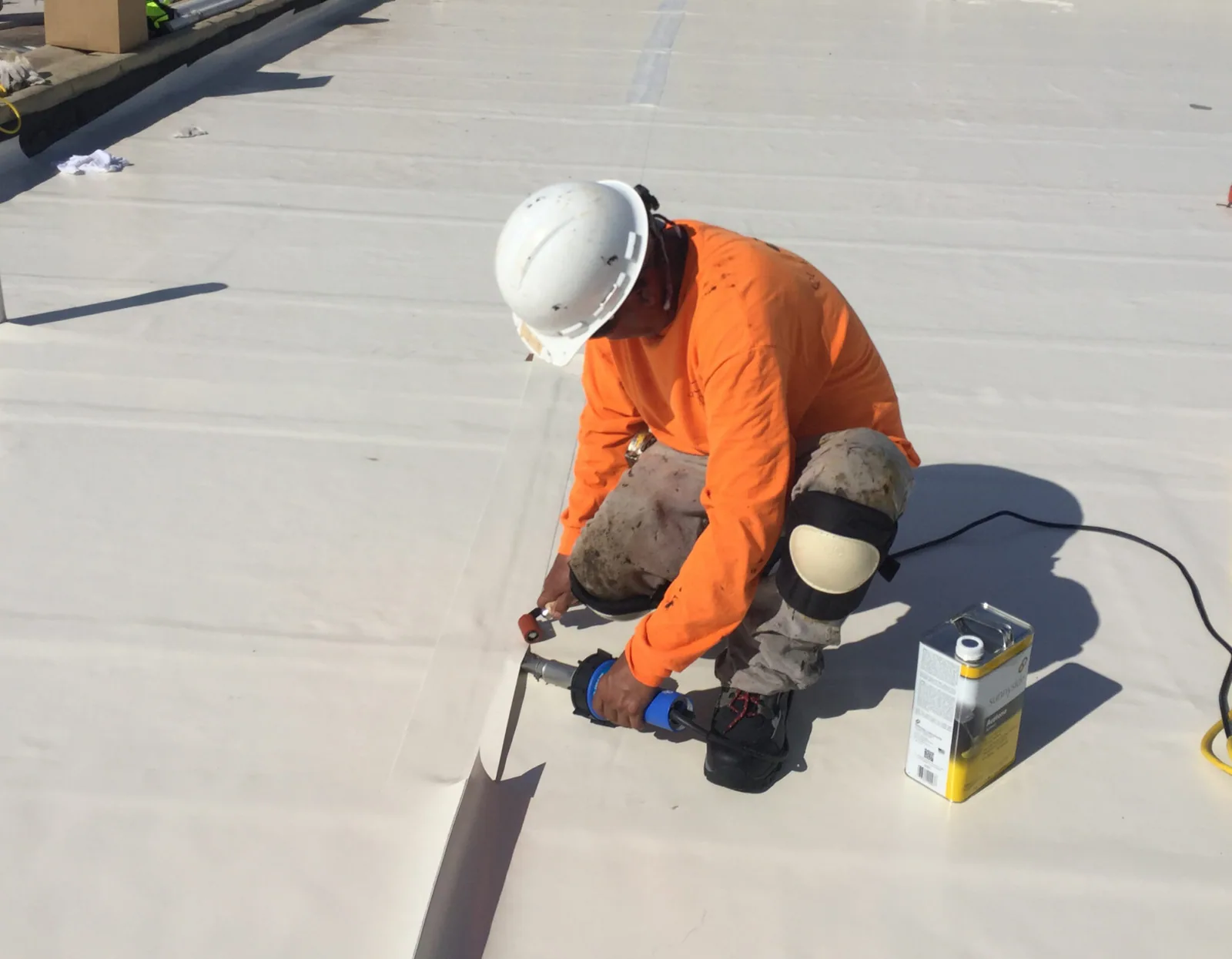
EPDM seams may be bonded with seam tape or adhesive, depending on the system and installation. Age, contamination, movement, and past repair can affect the bond. We check laps, corners, penetrations, and terminations for separation, fish-mouths, wrinkles, and water paths. A seam that looks open at one edge can extend beyond the visible condition, so the repair boundary follows what inspection confirms.
We also look for shrinkage that pulls the sheet away from walls or curbs, punctures from later trades, and patches that do not match the installed membrane. At a pipe or equipment curb, a patch needs room to form a lasting transition. If another trade must move equipment or correct a support, that handoff is listed before the roofing work is priced. The inspection also notes whether a defect is isolated or appears across several roof zones, since that changes the repair quantity and mobilization plan.
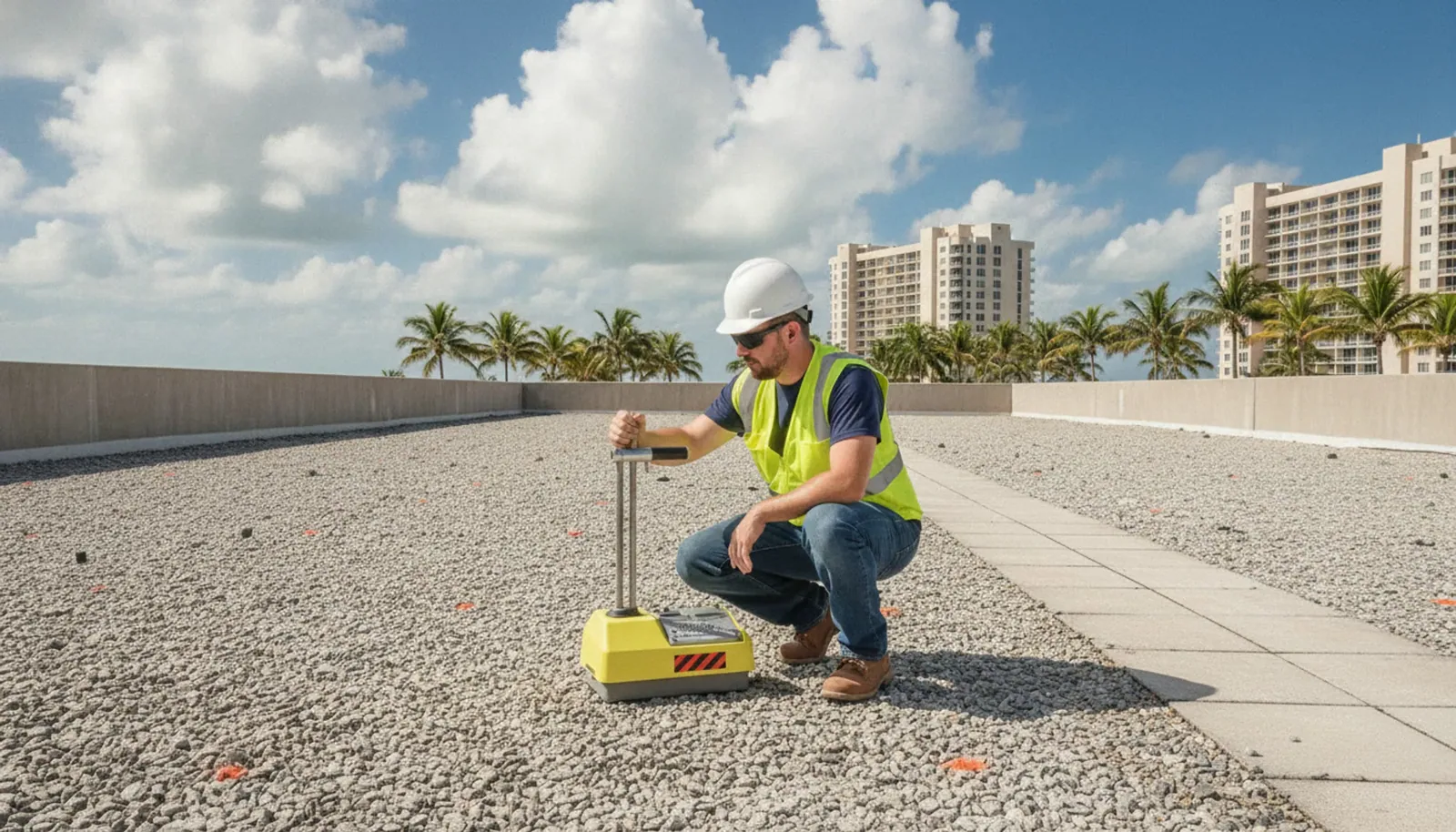
A mapped commercial roof inspection with photos and marked conditions can separate active defects from areas that need monitoring. Where signs point to concealed moisture, an infrared survey with roof-zone readings helps identify locations for confirmation. We keep the tested area and the conclusion specific to the evidence collected.
Set the limits for a recover
EPDM can sometimes remain beneath a new roof, but a recover is appropriate only when the retained assembly is dry enough, secure, and compatible with the design. We review the number of existing layers, attachment, cover board, accessible deck, wet areas, and conditions at edges and drains. If moisture is widespread or the substrate cannot hold the designed system, removal may be necessary. The estimate states which layers stay and where tear-off begins.
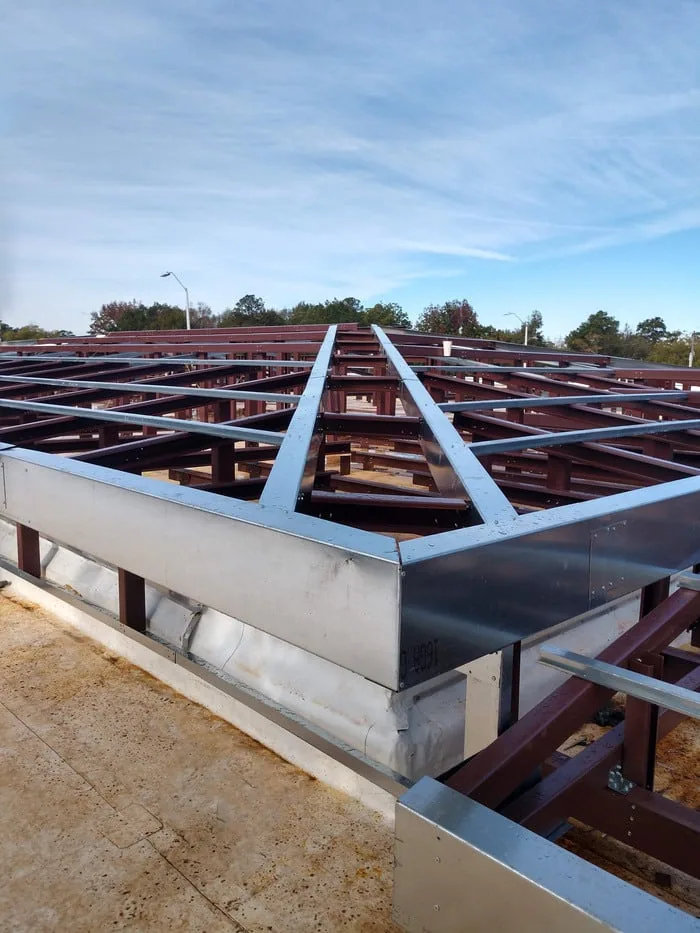
A replacement changes more than the membrane. Insulation thickness affects curb and parapet heights, while new drainage paths must reach drains and scuppers. We identify those transitions before ordering material, including tie-ins where roof elevations change. When the scope requires new construction, commercial replacement with a defined removal limit lays out the layers and close-in sequence. A smaller defect may fit a repair matched to the installed EPDM assembly instead.
Maintenance findings help keep a localized issue from becoming a broader scope. We record seam movement, punctures, loose terminations, and debris at outlets, then distinguish immediate repairs from conditions that can be monitored. That record gives a facility manager a practical basis for scheduling the next access window and arranging other roof work before it intersects the membrane. A preventive maintenance visit can revisit those marked areas and check how repairs held through the next season.
Other systems can suit different conditions. A TPO membrane or PVC assembly has its own material, seam, and exposure requirements. The comparison should use the actual deck, rooftop use, drainage, and maintenance plan rather than color or product label alone.
Plan for sun and seasonal water
Sun exposure can age sealants and surface details, while standing water can keep seams and repairs under stress. We inspect slopes, low areas, drains, scuppers, overflow points, and ponding evidence before treating a membrane defect. If water remains because of a low substrate or blocked outlet, replacing EPDM alone may leave the cause in place. A drain and scupper scope can define the roofing connection and identify plumbing work that needs a separate trade.
National Weather Service forecasts for Fontana and the Inland Empire valleys regularly include summer highs above 100 degrees, with occasional extreme-heat advisories. That heat affects safe access and material handling on a sunlit surface. Cooler-season rain also makes temporary tie-ins important: each opened zone needs a clear end-of-shift closure, with protection and drainage considered before the next area is exposed.
Any proposed coating or restoration still needs to fit the existing sheet, seams, and drainage. Surface treatment cannot correct wet insulation, loose attachment, or a failed transition by itself. We assess those conditions before comparing a coating scope with repair or replacement, and keep incompatible work outside the assembly recommendation.
Keep the work zone coordinated
EPDM rolls, insulation, and accessories need a delivery route and a safe roof staging area. Along Fontana’s I-10 and I-15 freight corridors, industrial properties may have active receiving and truck circulation, so the property’s own access rules shape the plan. We confirm delivery windows, hoist locations, pedestrian routes, and which roof zones can be closed during each phase. The sequence keeps material movement separate from the facility’s live traffic wherever the layout allows. Each drop is matched to the day’s planned work so unused rolls do not crowd a hatch, ladder, or active service path.
On an occupied building, work can be divided into manageable roof zones. Before a section opens, we identify what must be removed, what stays protected, and how the exposed edge will close if weather or an operating need pauses work. Equipment shutdowns, odors, noise, and interior sensitivity are checked with the owner before cutting or fastening begins. An affected tenant or department gets a clear handoff for the time and area involved.
At closeout, the record identifies installed layers, seam and flashing checks, repaired conditions, and any item outside the roofing scope. For buildings in the Southwest Industrial Park area, a delivery and work-zone plan can reflect the property’s relation to surrounding industrial routes without assuming its roof construction.
Frequently Asked Questions
Can EPDM be patched after another trade works on the roof?
Yes, when the membrane and area around the puncture are sound enough for a compatible repair. We identify the damage, remove contaminants, prepare the surface, and form a patch with suitable overlap. If equipment must move or a support needs correction, that work is coordinated first so the repair is not placed beneath an unresolved condition.
How do you determine whether an EPDM roof can be recovered?
The retained layers have to support the new system. We inspect attachment, moisture, layer count, substrate, and finished height at drains and perimeters. The proposal then distinguishes a recover from selective or full removal and describes what needs confirmation before material release.
Does EPDM need to be replaced because it is black?
The black color of EPDM alone does not call for replacement. The decision comes from seam integrity, shrinkage, punctures, attachment, drainage, and moisture in the assembly. We map observed defects and explain whether a defined repair, recover, or replacement addresses them.
What affects the schedule for EPDM work in Fontana?
Access hours, roll and insulation deliveries, roof-zone size, seam preparation, heat, and the chance of seasonal rain all affect sequencing. We identify the first opening, protection during pauses, and the tie-in that closes each shift, then coordinate those steps with site operations.