Infrared Moisture Survey
Map suspected roof moisture in Fontana with infrared observations, targeted core cuts, and documented limits before choosing repair, recover, or replacement.
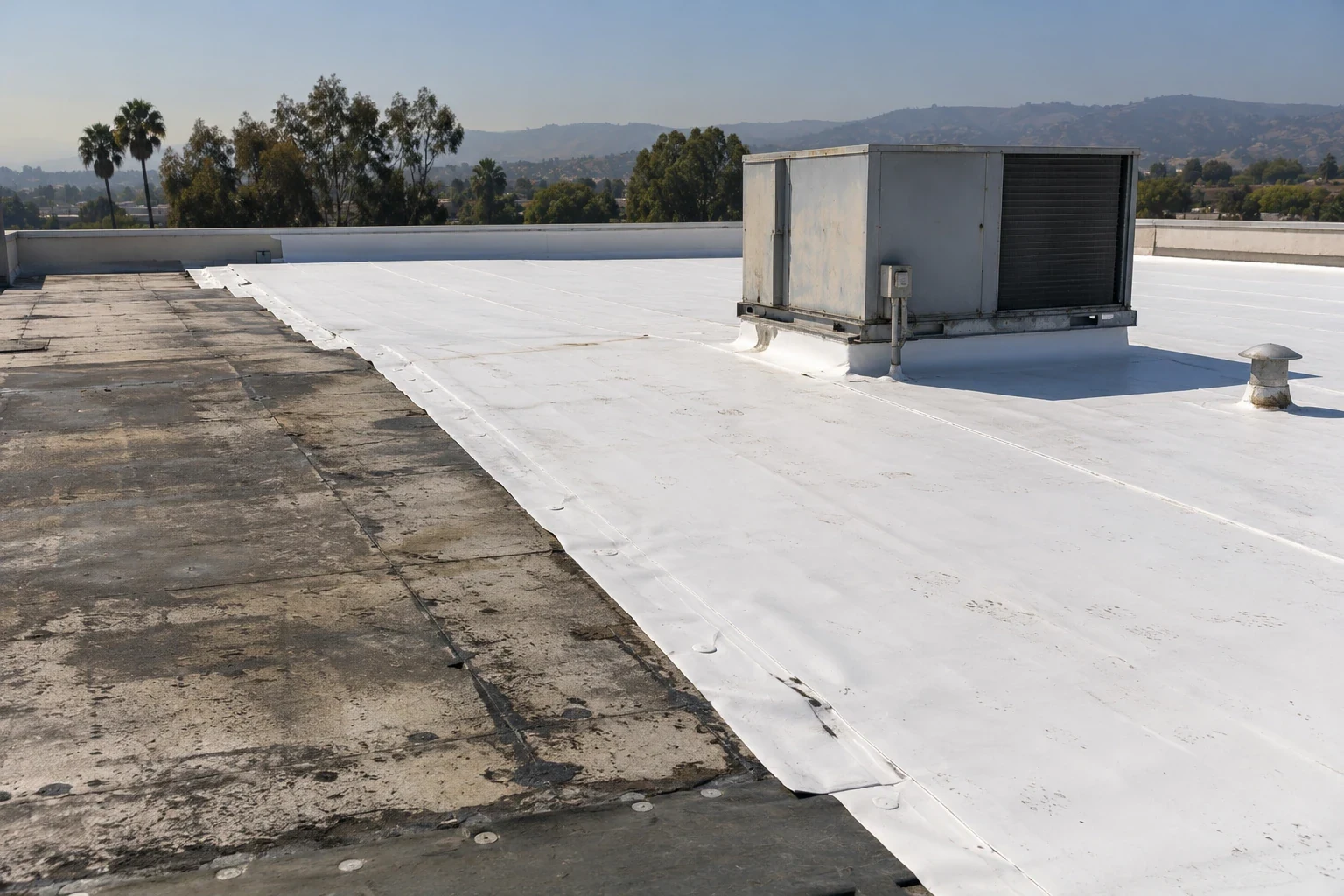
Thermal contrast can help direct the next test, but it does not identify wet insulation by itself. In Fontana, CA, we plan infrared roof surveys around the assembly, weather, surface conditions, and the decision an owner needs to make. The survey maps patterns that may indicate retained moisture, then compares those patterns with seams, drains, equipment, interior leak reports, and visible repairs. Where the recommendation depends on the concealed layer, approved core cuts or other direct checks confirm what the roof contains. We report the tested locations, method limits, and any area that remains uncertain. A survey should help define removal quantities or target repair, not turn every thermal difference into a moisture claim. That gives the owner a traceable basis for comparing a local correction with a recover or replacement scope.
Prepare a useful survey window
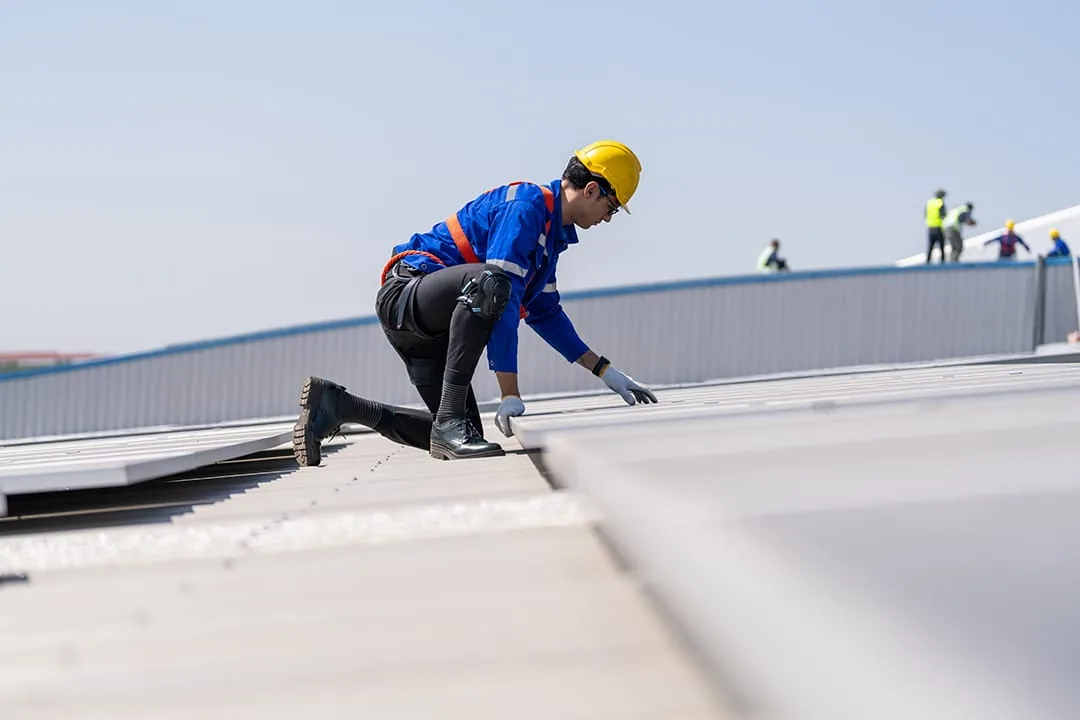
We start with available roof plans, assembly records, known leak areas, prior repairs, and the purpose of the survey. The owner identifies access rules, restricted operations, equipment that may affect readings, and any area that must remain clear. Weather and roof conditions affect whether the selected method can produce useful observations. We confirm the actual surface and the operating window before mobilizing, then explain any condition that could limit the survey or require another visit.
Fontana's Inland Empire forecast can include summer highs above 100 degrees. Nearby San Bernardino receives most of its rain in the cooler part of the year; for a survey, current surface and weather conditions determine whether thermal readings will be useful. The building contact confirms recent water entry, HVAC operation, and changes to the roof surface. A field inspection can pair the survey with visible assembly observations.
Read patterns in context
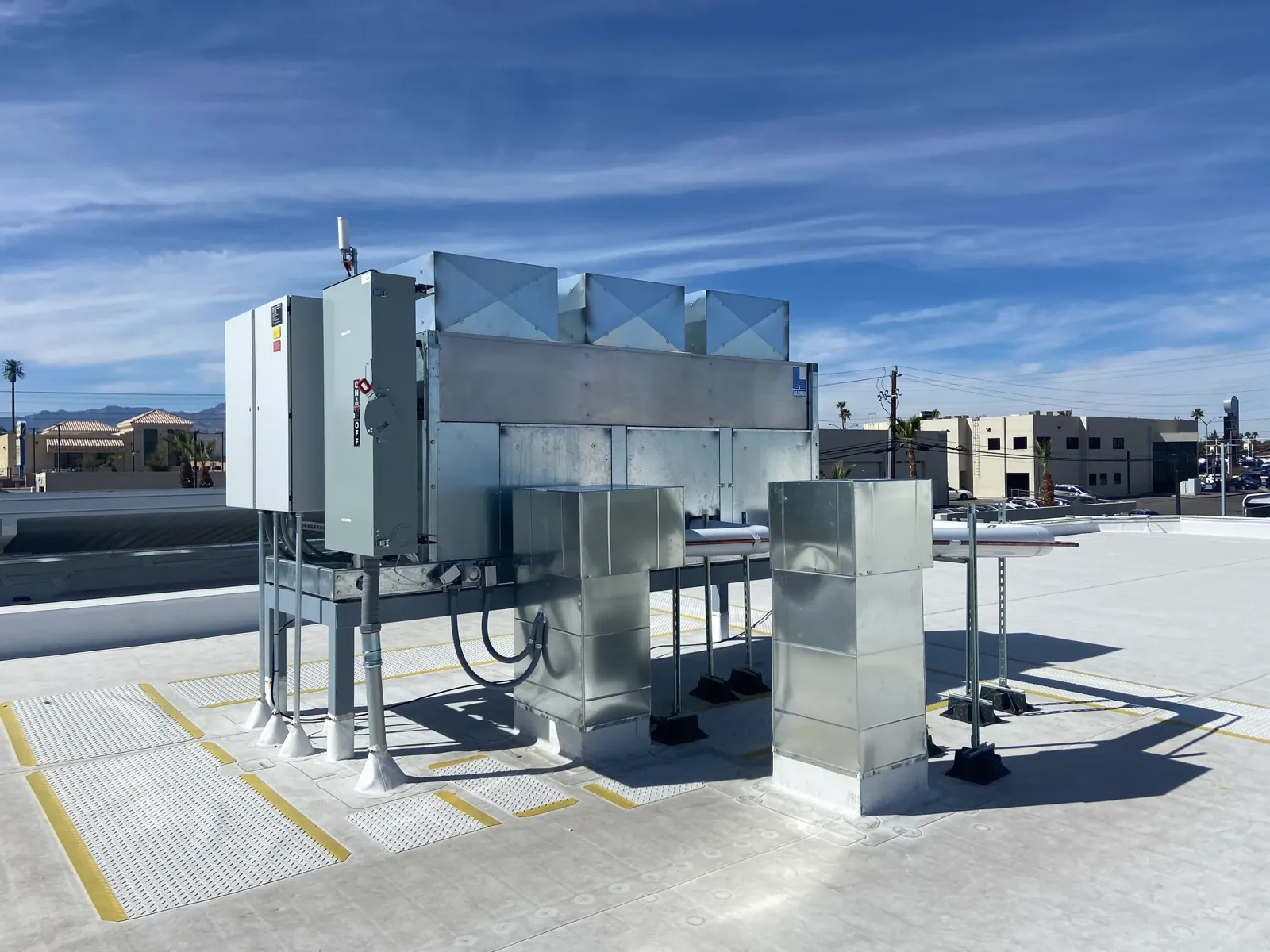
We scan the roof in planned passes and record where temperature patterns differ from surrounding areas. Surface color, insulation type, shading, equipment exhaust, stored heat, wind, and changes in the membrane can affect what the instrument shows. We label a thermal anomaly as a location for review, not a confirmed wet area. It is then compared with roof layout and the owner’s leak history. The report should preserve the image and its conditions so another reviewer can understand what the reading does and does not establish.
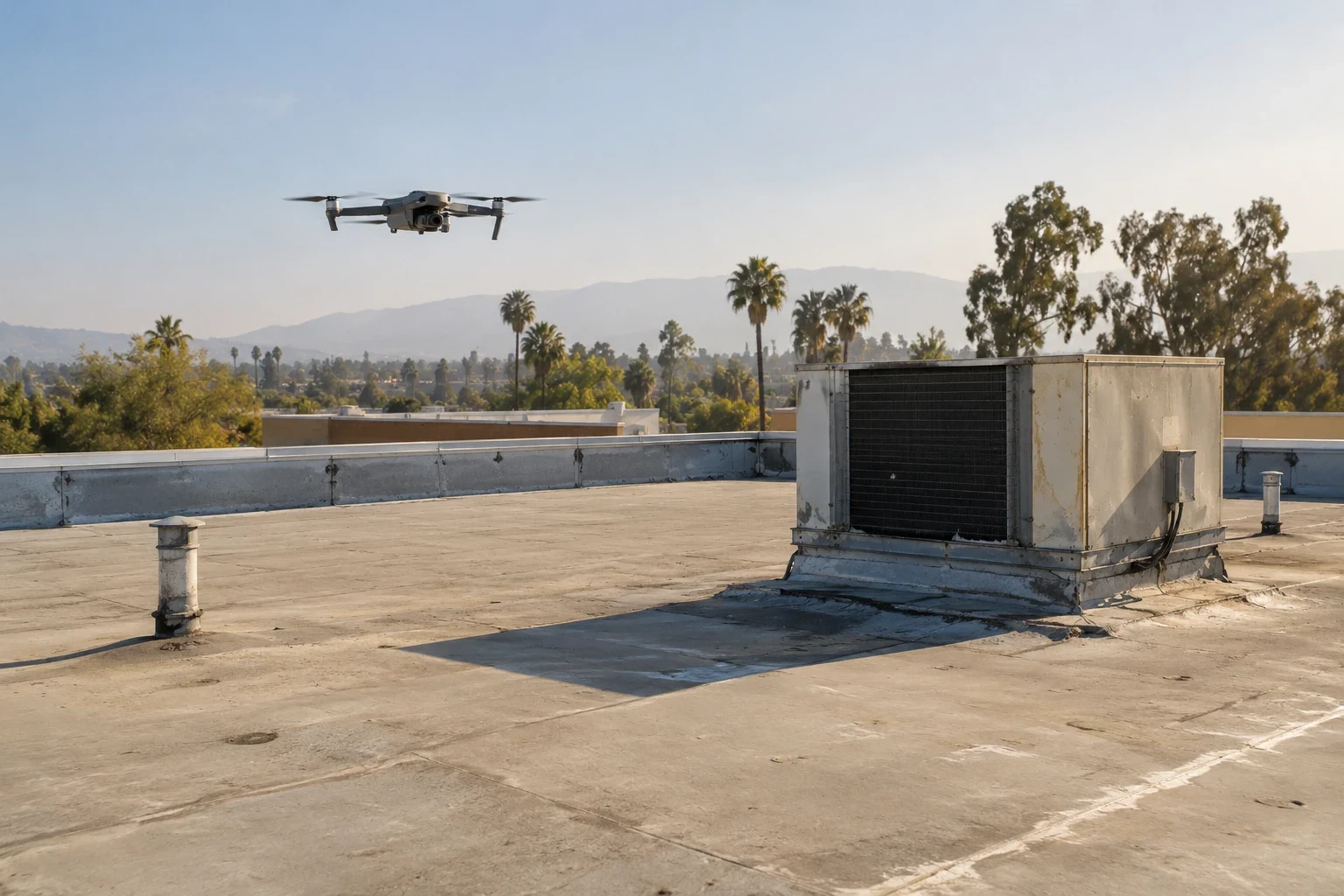
Fontana's Southwest and Jurupa industrial areas include warehouse, distribution, trucking, and vehicle-storage uses. On a broad roof, consistent zone labels and a repeatable route help the property team locate each pattern. They do not make the entire surface uniform. We record equipment rows, drains, wall edges, and roof additions that may change the scan. For difficult access or a large overview, a drone image set can supplement the route, while thermal readings still require their own method and interpretation.
Confirm the layer before pricing removal
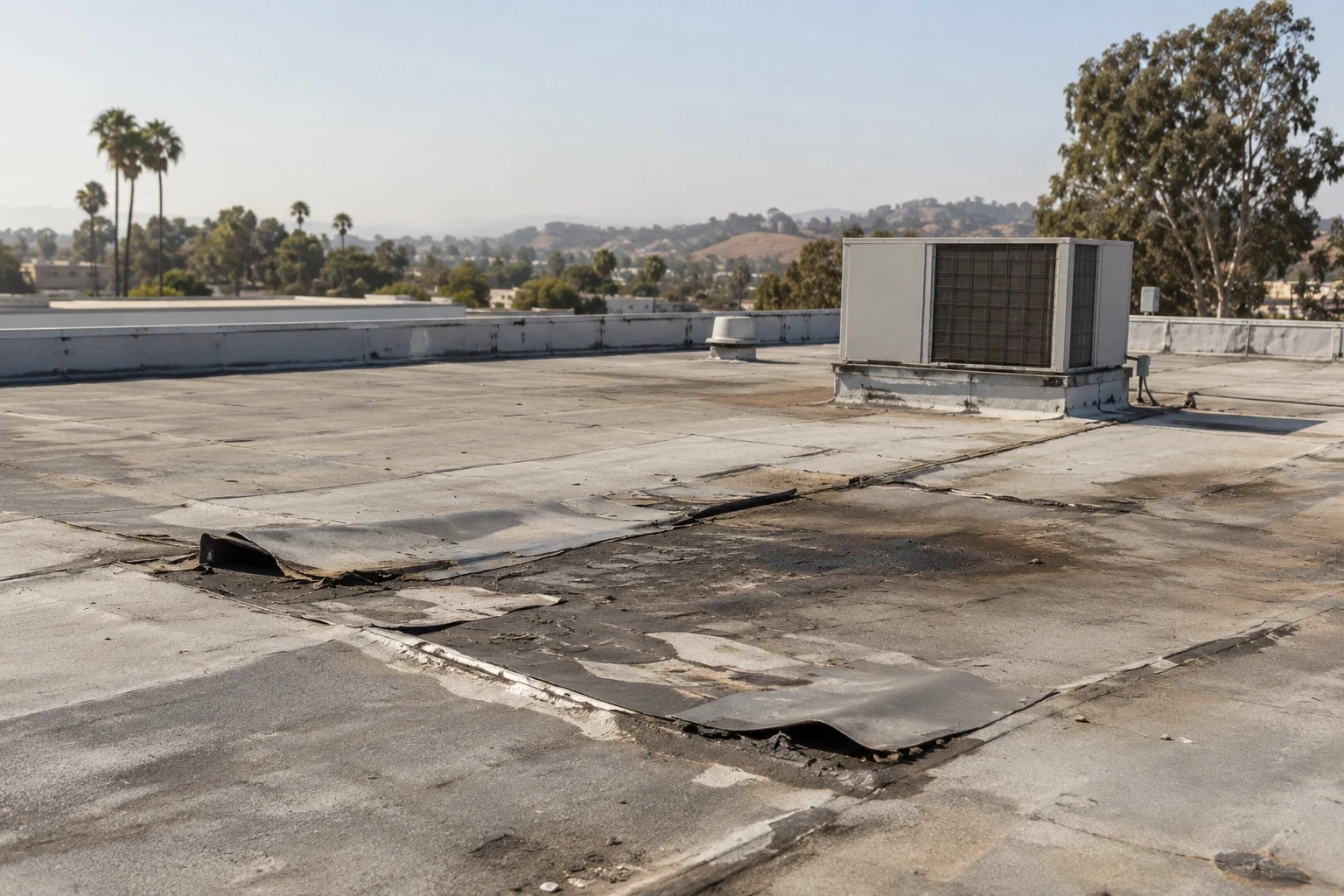
A core cut can show the roof layers and moisture condition at one location. Before making one, we agree on the point, authorization, interior protection, and closure detail. The test is selected to resolve a specific question, such as whether insulation is wet under a thermal pattern or how many layers are present. We photograph the opening and record the materials observed. Results at that point are not extended across an untested zone without supporting evidence.
If the test confirms wet material, we map its measured boundary and identify a removal or repair approach. If the cut is dry, the thermal pattern remains a finding that needs explanation, not automatic evidence of failure. A leak investigation can add interior and roof observations when water entry is reported. The condition record preserves the image, test location, result, and limitation for the owner’s project file.
Tie survey results to a roof option
The survey is useful when its result changes a decision. Confirmed wet insulation can require removal, while a localized seam or flashing defect may support a contained repair. Widespread moisture, weak attachment, incompatible layers, or deck concerns can make a recover unsuitable. We connect each option to measured locations and identify where the report cannot support a quantity. A repair scope, recover assessment, and replacement plan have different removal limits, protection needs, and cost drivers.
Fontana has adopted the 2025 California Building Code and lists the 2025 California Energy Code. The applicable review follows the proposed work and permit date. We flag that review alongside substrate, attachment, insulation, and drain elevation rather than treating a moisture image as an installation specification. Where readings affect a bid, the scope explains which test results set the removal boundary and which areas remain an allowance pending discovery.
Fit testing into the operation
Testing requires roof access, protection below, and a closure method that can be completed within the agreed window. The owner confirms whether a core cut can proceed, who may approve an interior opening, and how equipment or tenant operations affect the location. We schedule test work separately from broad scanning if a shutdown or escort is required. Each opening is closed with compatible materials and documented so a test does not become an untracked roof repair.
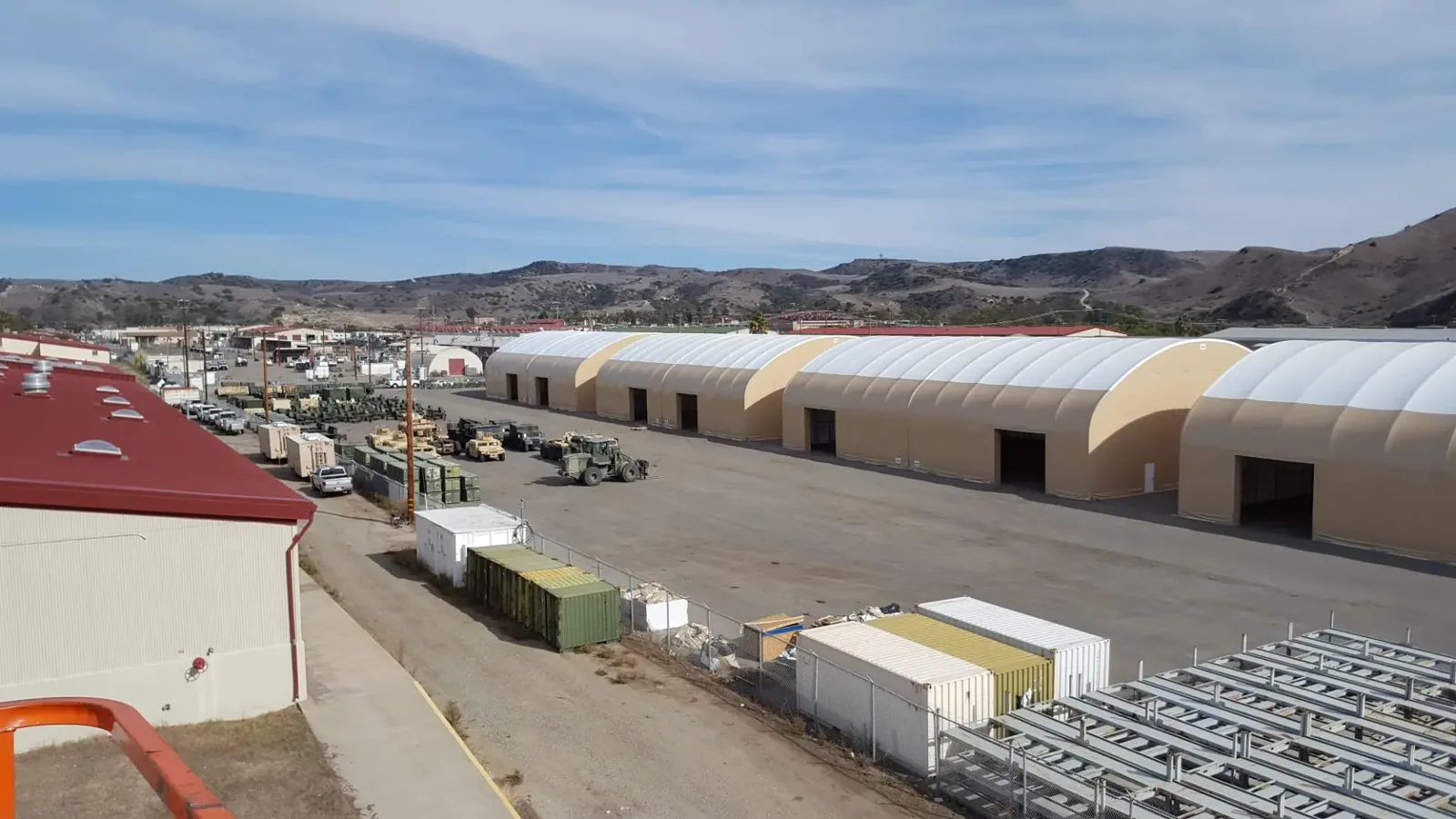
Highway and rail links move goods through Fontana, but a thermal test visit must follow the specific property’s gate, staging, and operating requirements. For work near the Southwest Industrial Park or West Valley Logistics plan area, the property contact still sets truck access and staging. The West Valley Logistics Center remains a proposed plan area, not an operating logistics center. We verify the property address, access plan, and operating hours before confirming the field route.
Make the findings traceable
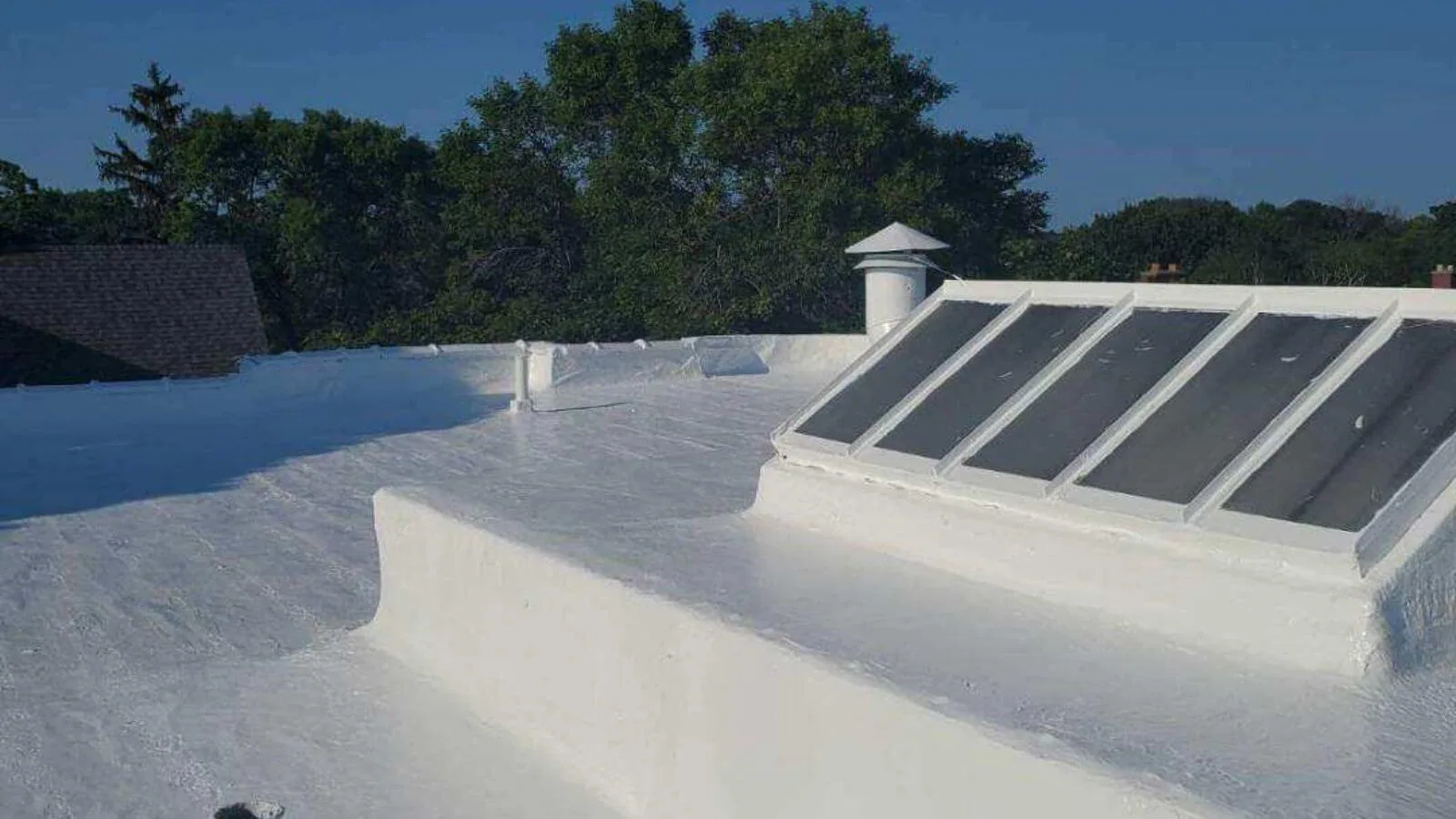
The final record groups thermal images, roof-zone references, test-cut results, conditions at the time of survey, and recommendations. It distinguishes a suspected pattern from a confirmed wet area and names the limits of the scan. The owner can then direct a contractor to the same zone, review the proposed removal quantity, and decide whether another test is worth the access effort. If the roof will stay in service, the report also identifies what to monitor and when a repeat observation could help.
Send current roof plans, leak reports, repair history, access restrictions, and the decision deadline before scheduling. We can match the route and testing plan to the actual assembly rather than produce a scan without a next step. If a confirmed wet area reaches multiple zones, we explain what additional evidence is needed before the project team carries a broader repair, recover, or replacement quantity into procurement.
Frequently Asked Questions
Does infrared prove that insulation is wet?
No. It identifies patterns that may deserve testing. We interpret those observations in context and use direct checks where concealed moisture affects the repair or replacement decision.
Why do you recommend core cuts after thermal imaging?
A cut reveals the layers and condition at its location. It can confirm or reject a specific suspected area, but it does not establish conditions across untested sections of the roof.
What conditions can limit the survey?
Surface condition, weather, wind, equipment exhaust, shading, and assembly changes can affect readings. We document relevant limits and may adjust the scan or choose another inspection method.
Can the results set a roof replacement quantity?
Only when the survey and direct checks support the area included. We distinguish confirmed wet material, suspected patterns, and zones that remain untested before defining removal or pricing allowances.
Will core cuts damage the roof?
Each approved test opening is closed with compatible materials and documented. We agree on its location, protection below, and closure detail before making the cut.