Roof Systems in Fontana
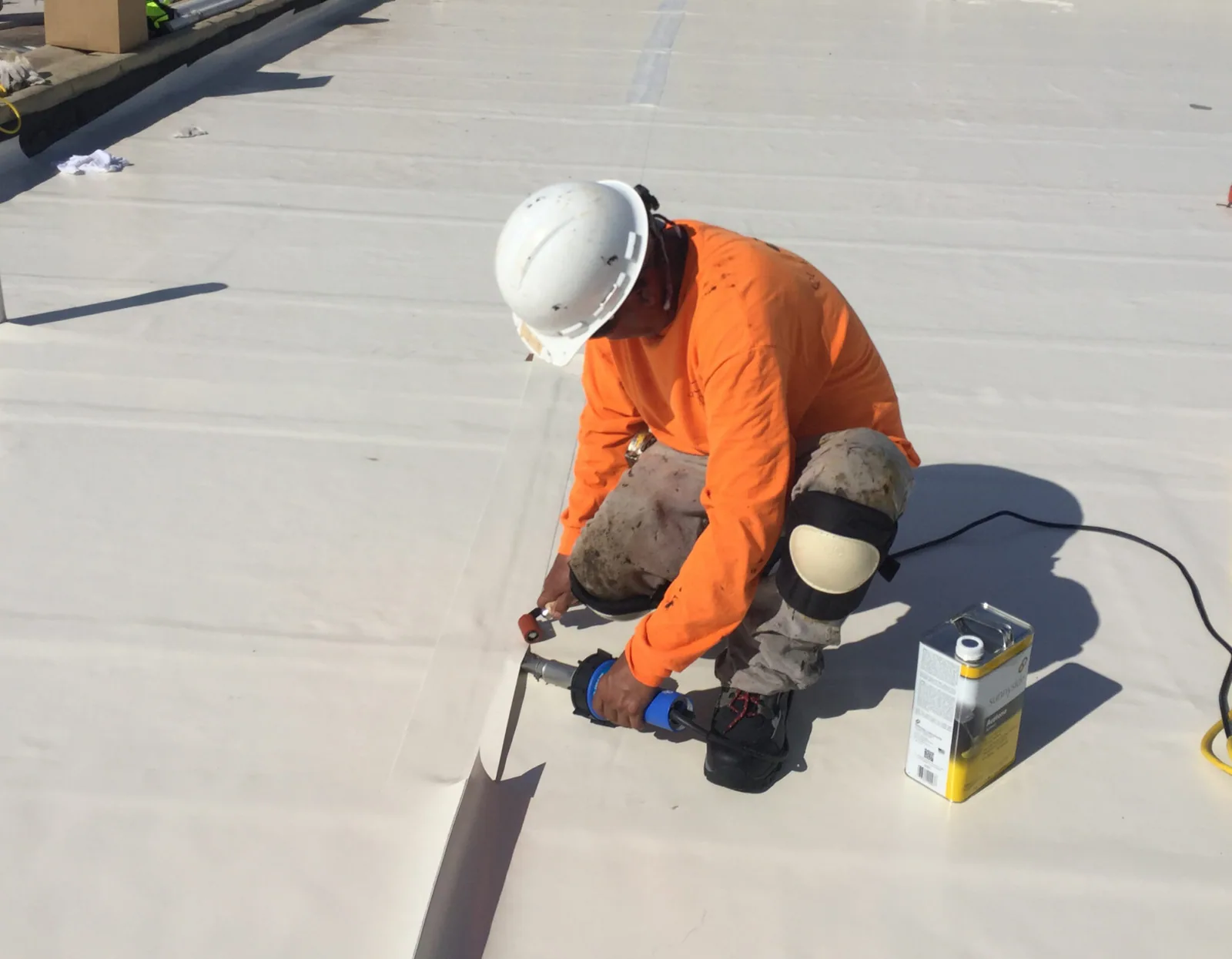
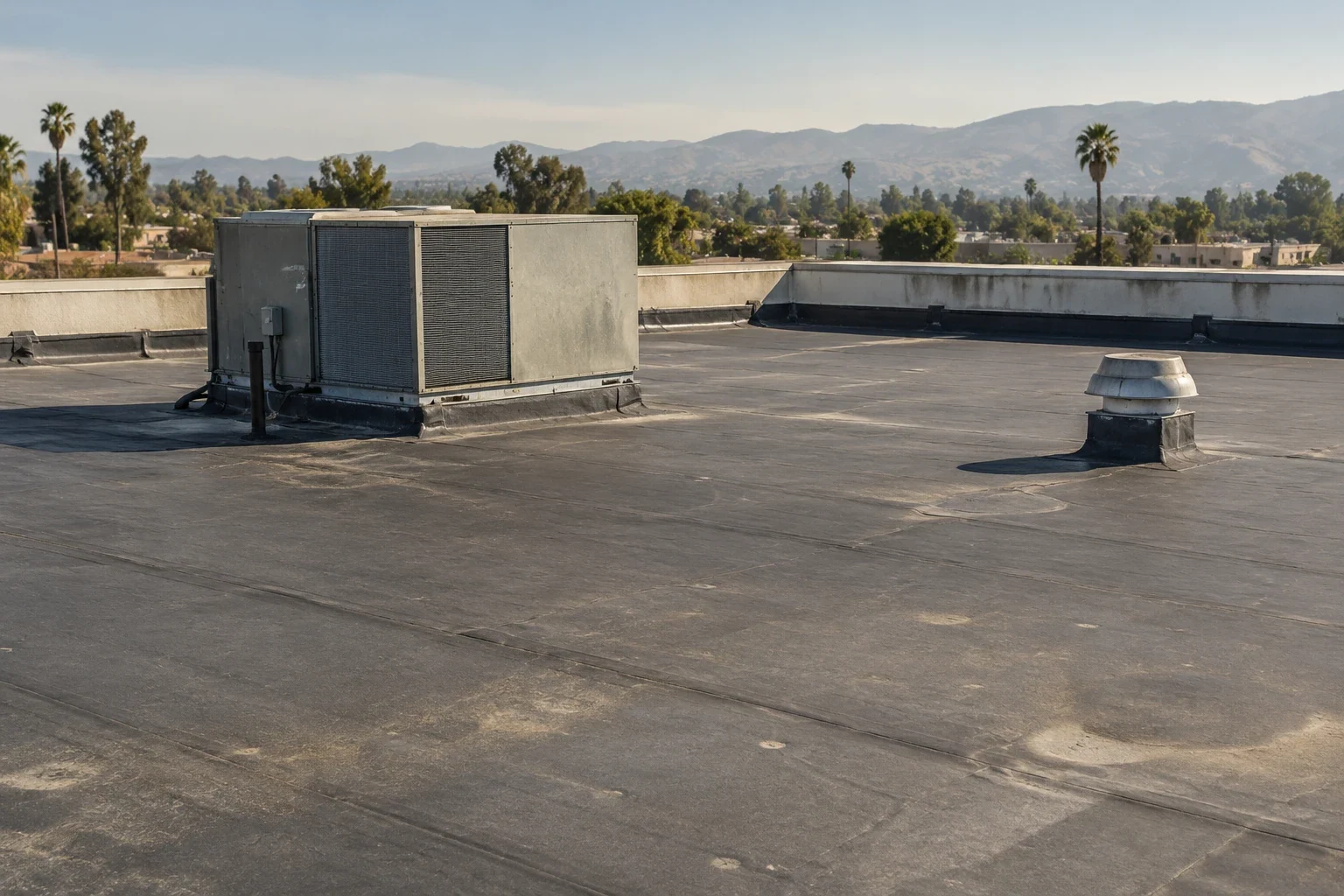
A seam that separates at a curb can decide which roof system is practical. In Fontana, CA, we look at the existing membrane, attachment, insulation and drainage before comparing repair, recover or replacement. The right assembly must connect cleanly at edges and penetrations, and its installation plan has to fit the access window and weather conditions.
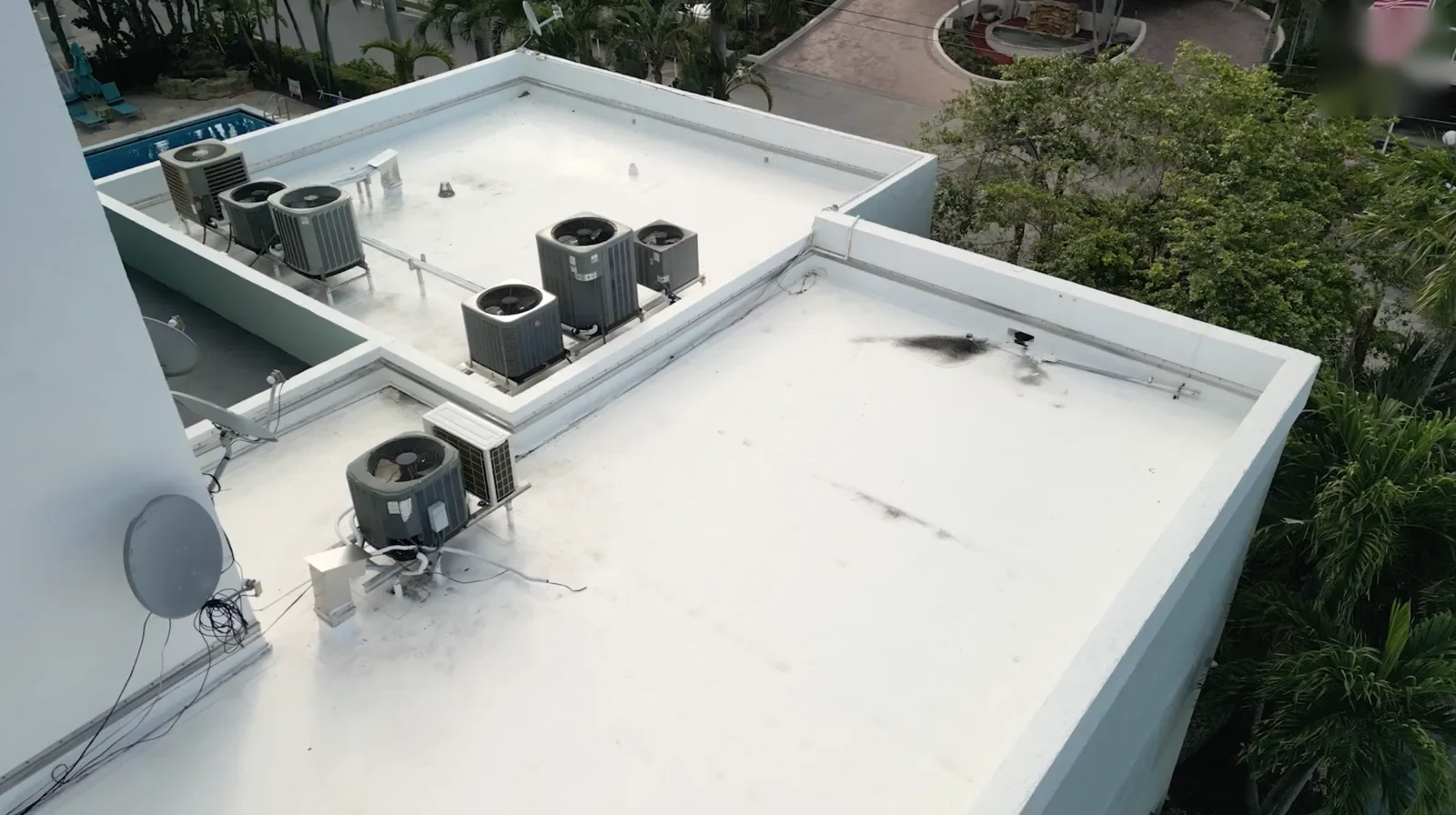
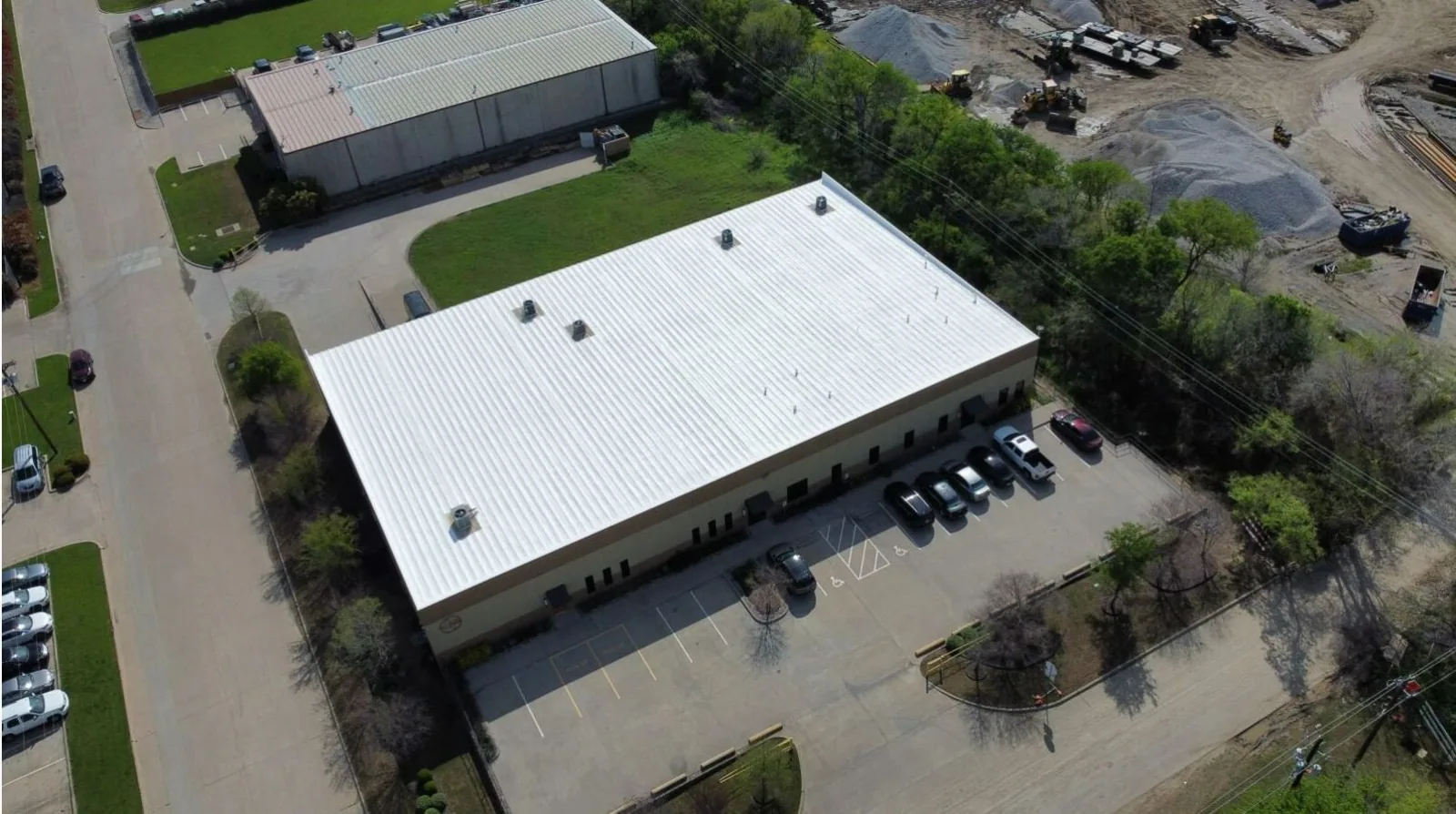
Fontana’s Inland Empire heat makes exposed roof surfaces a scheduling consideration. Warehouses and distribution properties in Southwest and Jurupa industrial areas add broad low-slope roof needs, while Downtown Fontana’s corridors include commercial and mixed-use buildings with different details and access routes.
All Roof Systems
Frequently Asked Questions
Can a new membrane go over the existing roof?
We first review attachment, moisture, deck condition and project requirements. If those findings support a recover, the scope names preparation and transitions; otherwise, removal or testing may be needed.
What separates TPO, PVC and EPDM options?
Each system has different material properties and seam details. We compare compatibility, attachment, roof geometry and the specified project requirements before recommending an assembly.
When does a coating make sense?
A coating is considered after the existing surface, adhesion, repairs, drainage and details are evaluated. The work plan must include preparation and any area that cannot receive the coating.
How does Fontana heat affect installation?
Surface temperature and product instructions can change handling and work hours. We check conditions on the installation day and size the section so it can be closed safely.
What system information belongs in closeout?
Keep the installed material, attachment or preparation details, completed roof areas, photographs and remaining work. Those facts help maintenance staff select compatible future repairs.

Match a membrane to its substrate
TPO, PVC, EPDM and KEE membranes differ in formulation and installation details. We compare seam method, attachment, the surface underneath, perimeter condition and compatibility with existing layers. A patch only works where sound material can hold it; a recover needs a substrate review and moisture survey before quantities are set.
Count edges and penetrations in the scope
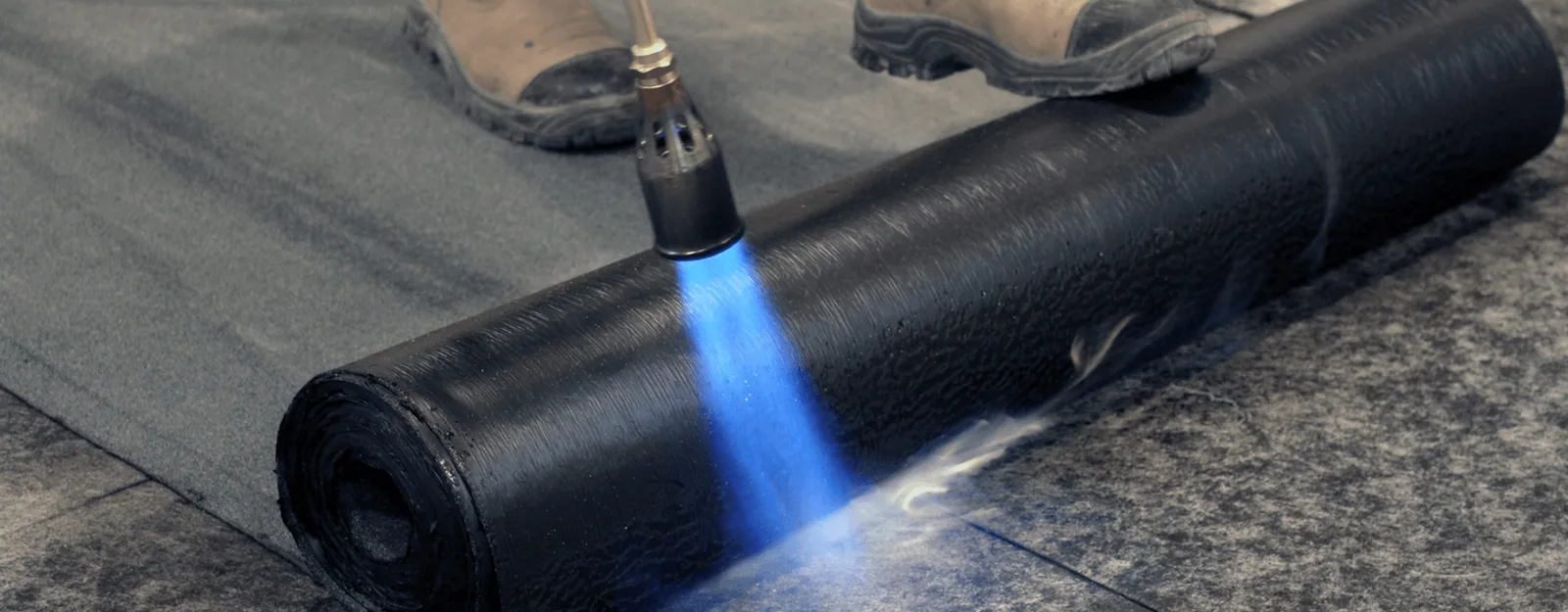
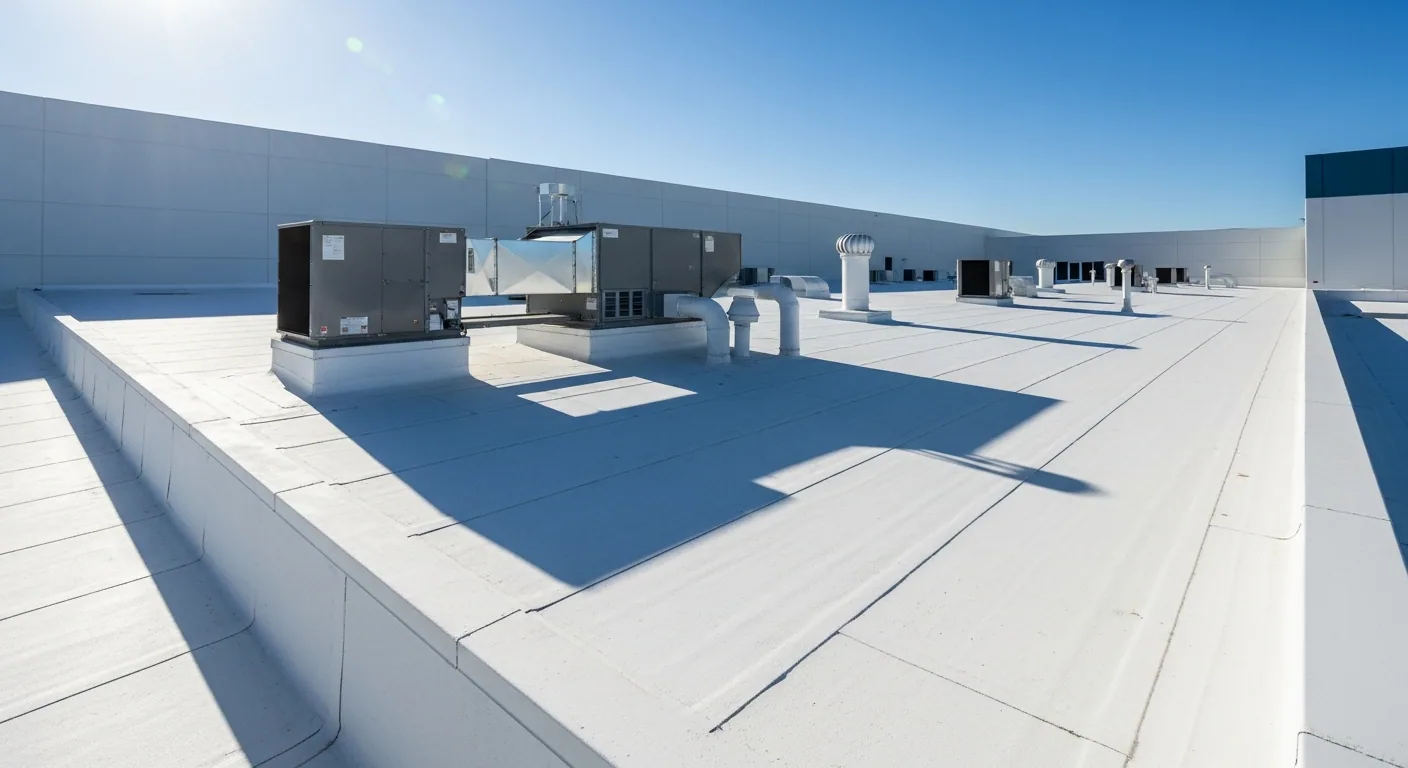
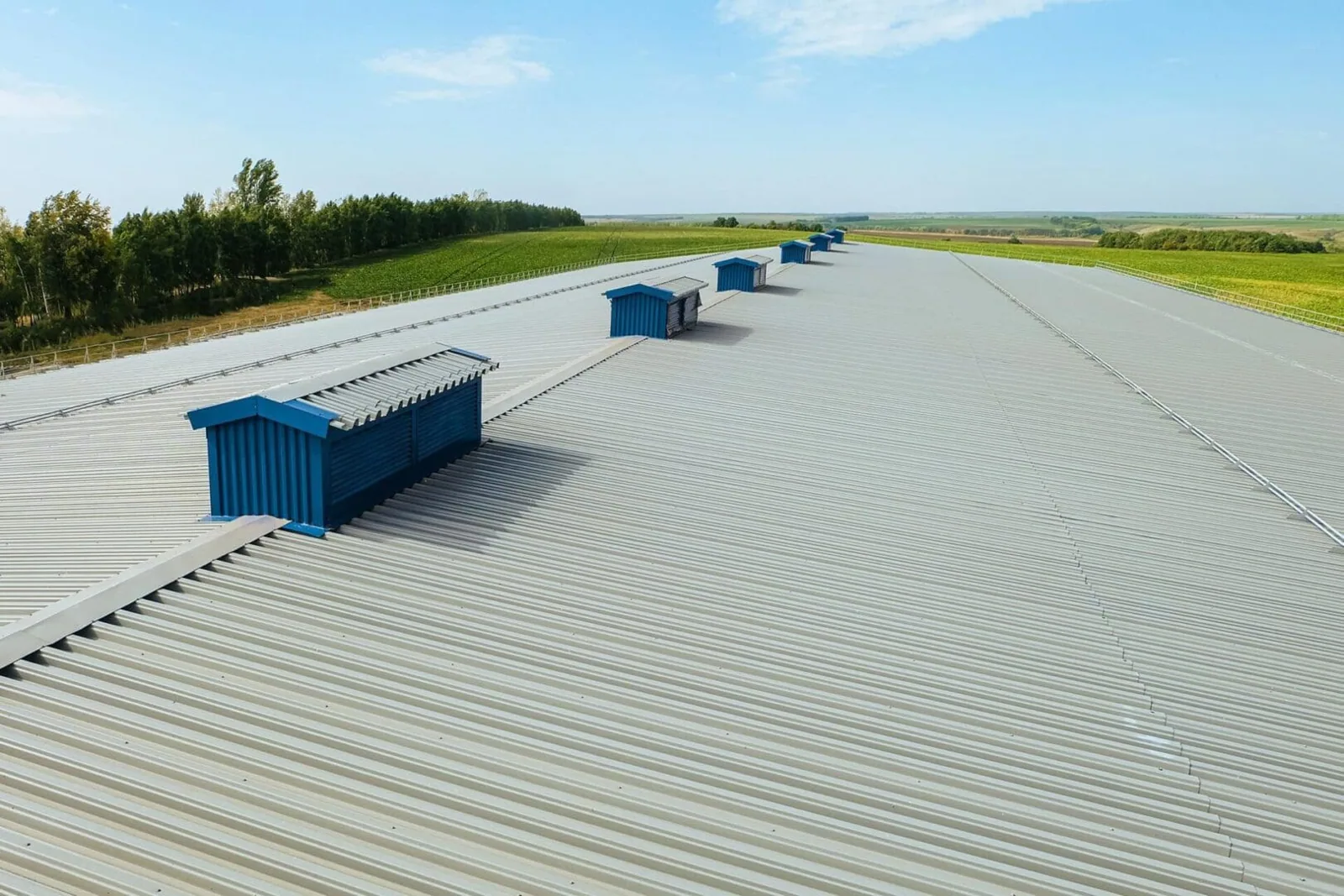
Open field area is only part of the assembly. Parapets, drains, curbs, skylights, expansion joints and metal transitions determine preparation and labor. A modified-bitumen option or a standing-seam metal assembly needs its own attachment and termination review. The estimate marks these details against the roof plan so the selected system closes at the actual boundary.
Use restoration where the roof qualifies
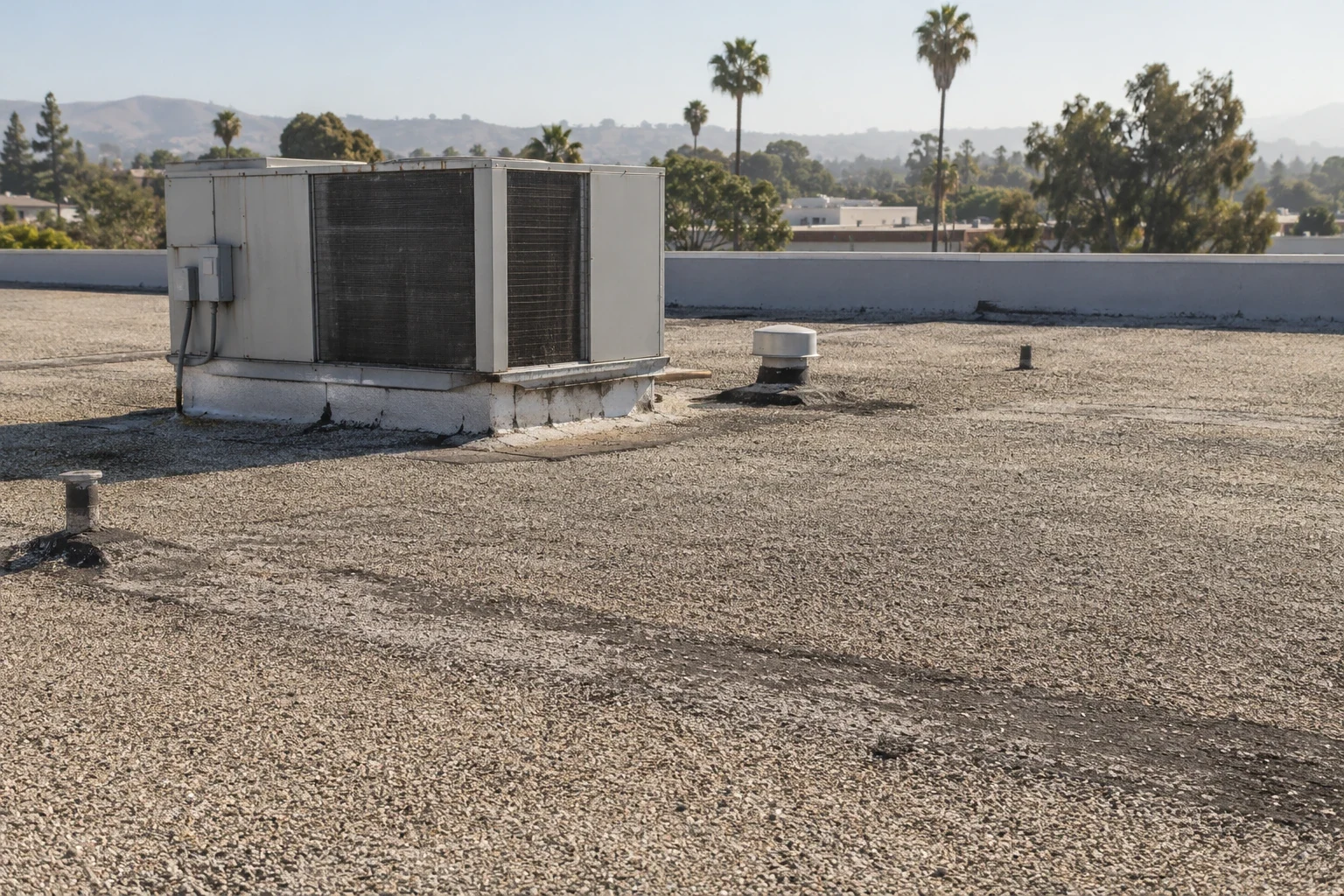
A silicone coating, acrylic coating or spray foam can be considered only after surface condition, adhesion, drainage and preparation are reviewed. The proposal identifies repairs needed before application, the included area and how transitions will be handled. Where moisture or attachment affects the system choice, we test the area and include the result in the assembly decision.
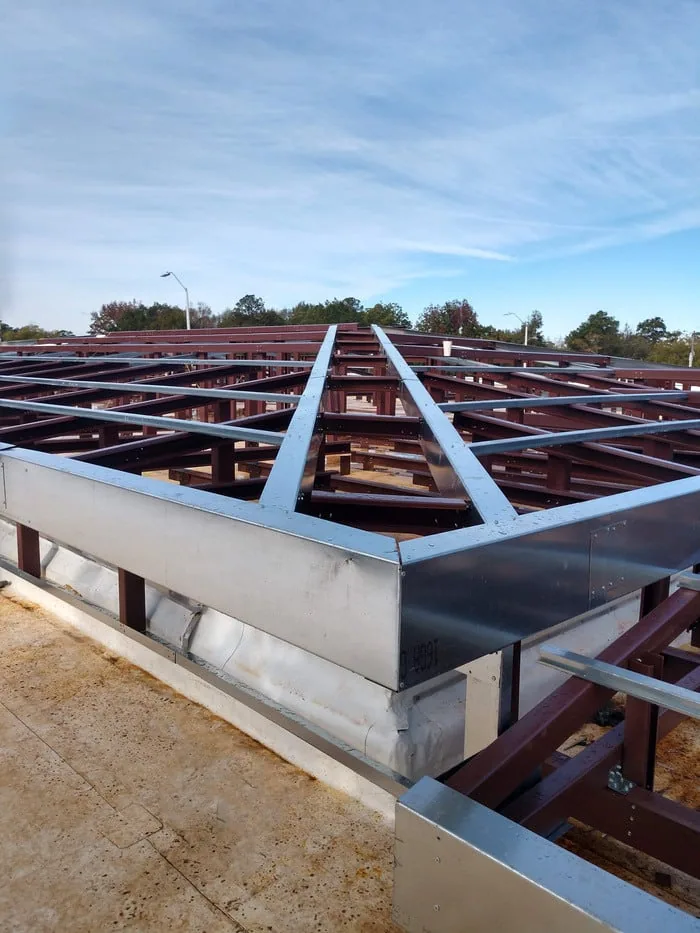
Set a work window for heat and freight access
Hot roof surfaces can affect material handling and installation timing, so current conditions and manufacturer requirements inform each shift. Regional deliveries may use I-10, I-15 or SR-210, but site gates and truck turning space determine the final route. In Jurupa Industrial Park, we confirm the staging lane and operating constraints with the building contact before materials arrive. A roof inspection gives the system comparison a measured starting point.
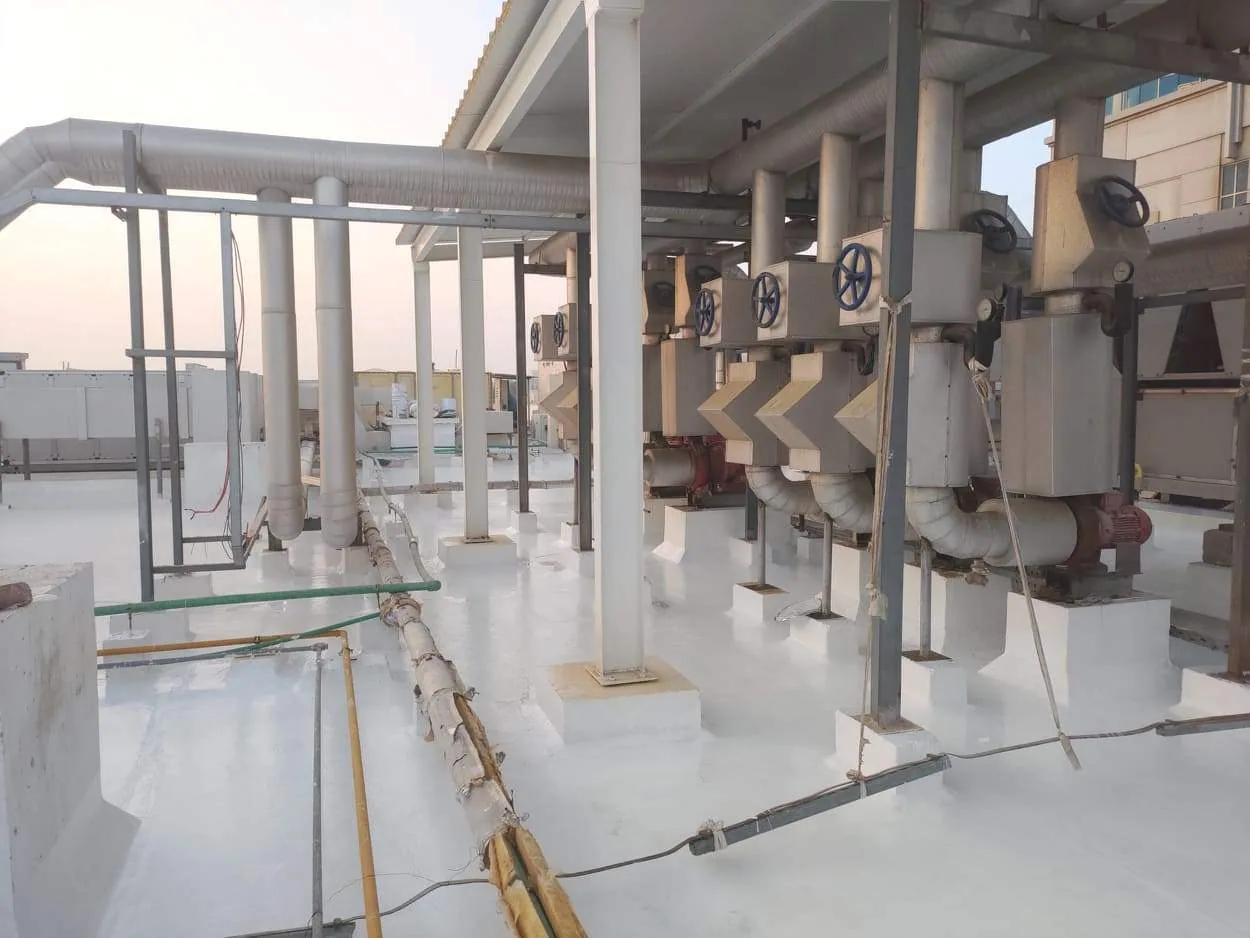
Carry system details into closeout
Closeout records the installed assembly, preparation, measured areas, photographs of covered details and any remaining work. For a multi-building portfolio, a condition report can connect the system and its observed state to a roof location. That record helps facilities staff plan service without treating every roof as the same assembly.