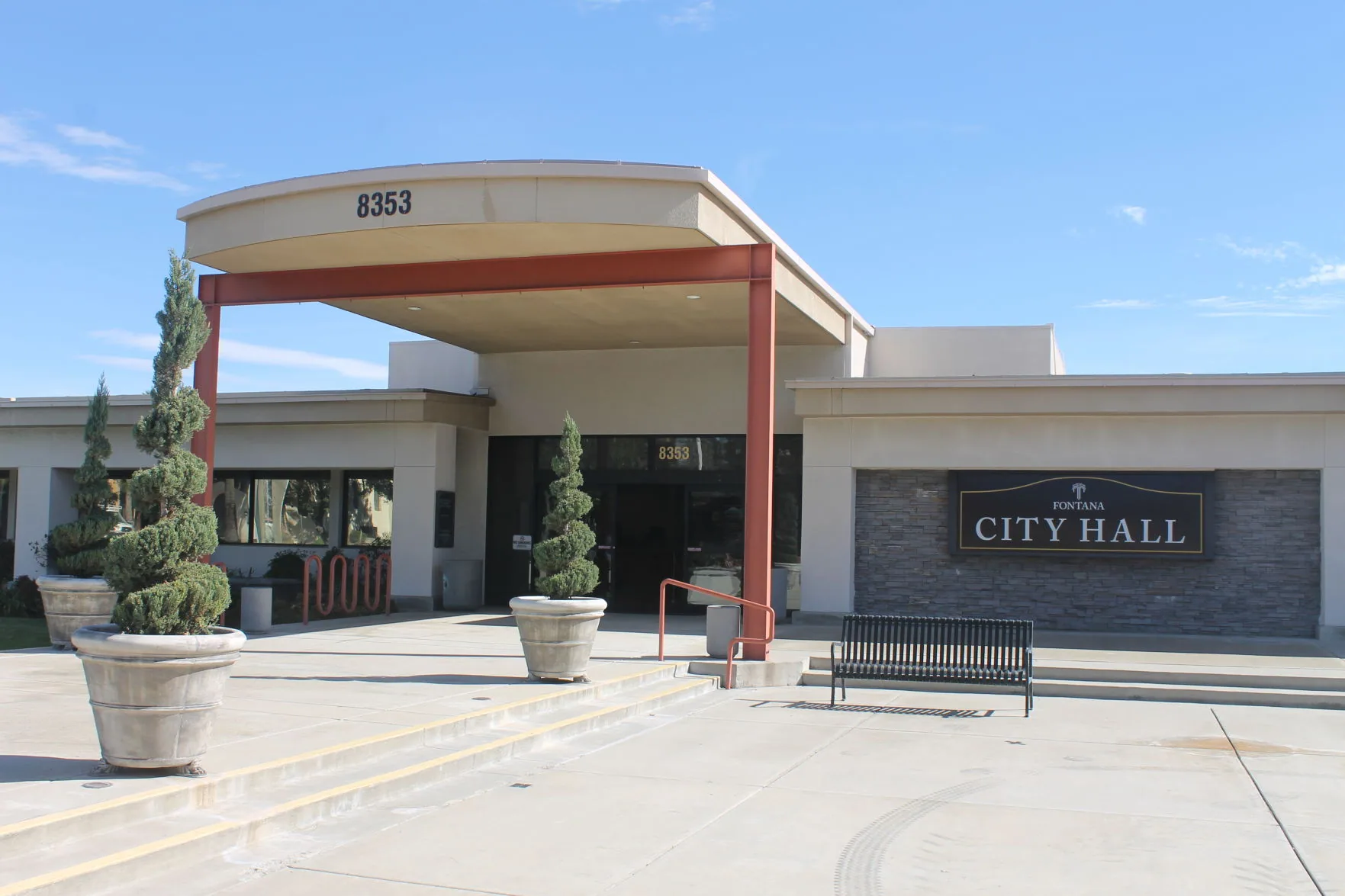
Who We Are
A roof opening over an active work zone changes the day’s schedule. Commercial Roofers Fontana plans the inspection, delivery and repair sequence against the roof condition and the building’s access window. We work with owners, property managers, facility teams and general contractors on commercial low-slope and metal roofs, from a contained repair to a replacement program.
Fontana, CA combines Inland Empire summer heat with logistics, manufacturing, healthcare, retail, education and civic properties. A warehouse near I-10, a medical building and a Downtown storefront each have different access needs. Our first job is to identify the actual roof section, its drainage and details, and the people who need the handoff before work starts.
Start with the roof that is present
We inspect accessible membrane, seams, edges, curbs, penetrations and drains before setting the scope. A leak report gives the survey a starting point; it does not set the repair boundary by itself. Water can travel along a deck or insulation joint before reaching a room, and later additions may use a different assembly than the original roof. We locate the observation, photograph the relevant detail and distinguish a measured repair from an area that needs a test opening.
For larger properties, a roof plan helps tie each finding to a work zone. A commercial roof inspection can use a hands-on walk, drone imagery or infrared moisture survey when the roof and access conditions support that method. A written condition report connects photographs to a location and the next decision. The owner can compare repair, additional testing, recover or replacement using the same measured boundary instead of a broad assumption.
Match the assembly to the details
We install and repair TPO, PVC, EPDM, KEE, modified bitumen, built-up, standing-seam metal and retrofit metal systems, along with spray foam and silicone or acrylic coatings. The existing substrate, attachment and project requirements guide the selection. A membrane is only as complete as its seams and transitions, so the estimate includes the perimeter, wall, curb, skylight and drain details needed to restore the water path.
A recover or coating may fit when the underlying surface and moisture conditions support it. If a test is needed, the proposal identifies where it will occur and how the opening will be restored. A replacement scope sets removal limits, insulation decisions, drainage work and permanent tie-ins. The selected method should reflect what the roof can receive and what the owner needs to accomplish, with alternate choices and their labor or timing effects stated clearly.
Build the sequence around operations
Access affects cost and timing as directly as roof area. We ask where materials can arrive, where a lift can stand, what route must remain clear and which rooms or equipment need protection. On an occupied building, the proposal marks each work zone and the point where it will be weather-tight at shift end. If another trade must move equipment or adjust a support first, that handoff is visible before the roofing crew opens the area.
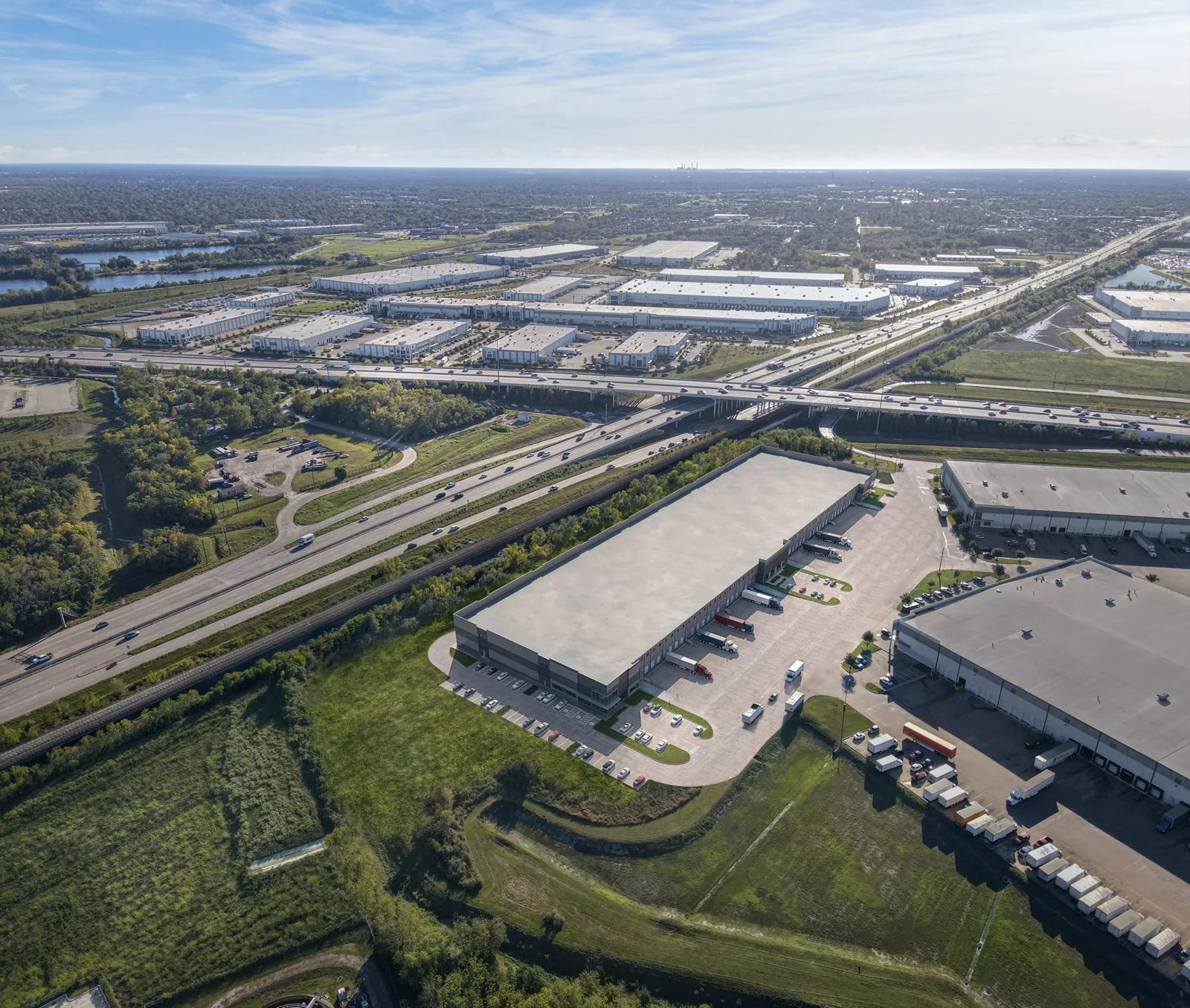
Fontana’s freight routes include I-10, I-15 and SR-210, and Southwest and Jurupa industrial districts contain trucking, warehousing and distribution uses. A truck court may be active while work proceeds above it, so we coordinate the gate, delivery size and staging lane with the facility contact. In the Southwest Industrial Park or Jurupa Industrial Park, the confirmed site route shapes the material sequence and work boundary.
Account for Fontana heat and seasonal rain
Fontana summer forecasts can exceed 100 degrees, and a sun-exposed membrane may become hot early in the day. We check the roof and air conditions against product instructions before deciding how much surface can be prepared, how materials should be handled and when a tie-in must close. Cooler-season rainfall makes temporary protection and clear drainage part of a multi-day plan. Current conditions set the work decision; a seasonal pattern only helps prepare the schedule.
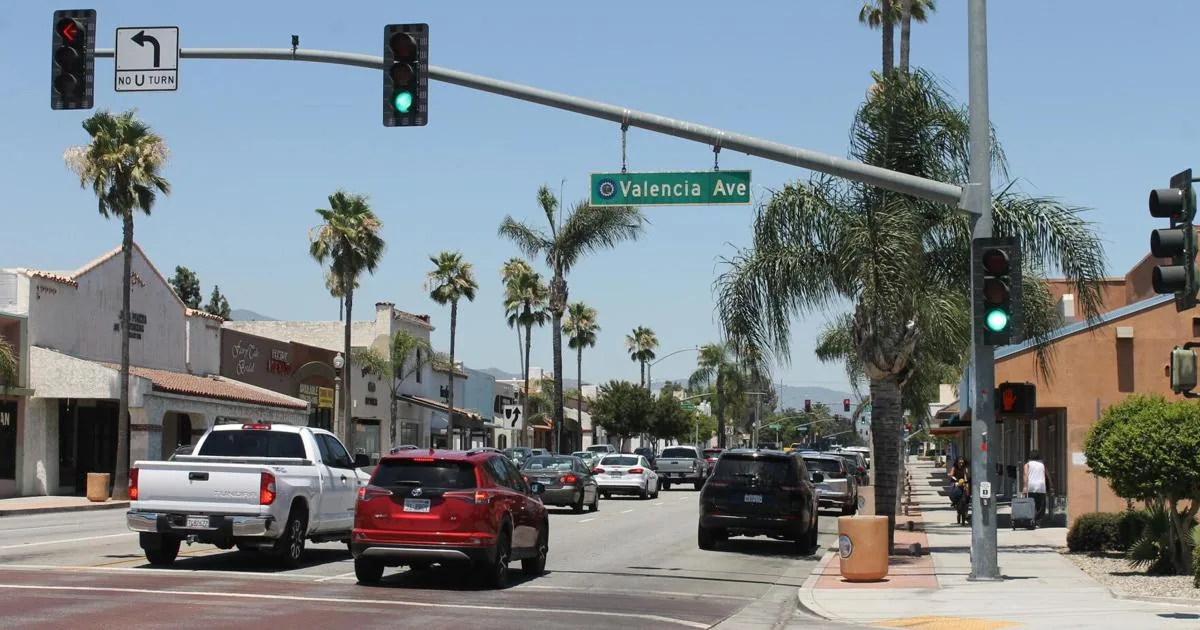
Commercial work also reaches established corridors such as Sierra Avenue, Valley Boulevard and Foothill Boulevard, where entrances, tenant hours and delivery points differ by property. Fontana Promenade is a mixed-use planning area beside I-210 with retail, offices, dining and residential uses. For a visit in Downtown Fontana or near the Fontana Promenade, we confirm the exact building contact and access instructions rather than carrying one site’s arrangement to another.
Keep urgent response tied to safe closure
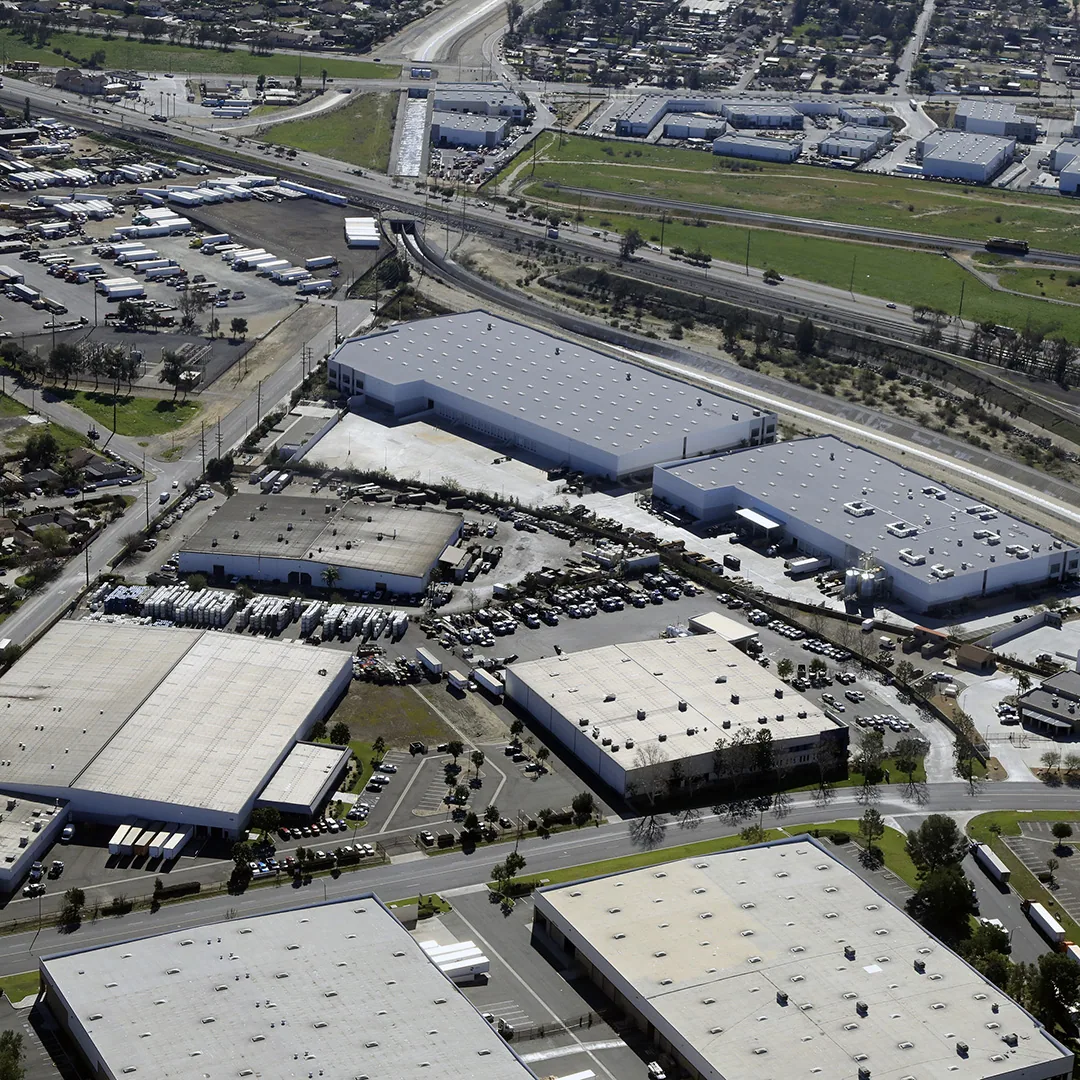
Emergency roof response is available around the clock, every day of the week and through holidays. When a leak or opening threatens an occupied building, the first visit focuses on access, immediate exposure and a safe temporary condition. We identify what can be stabilized during that response and what needs a measured follow-up scope after conditions allow a closer inspection.
A temporary cover is not the same as a permanent repair. The owner receives the area addressed, materials used and any remaining risk or investigation step. If the roof can be repaired during the first visit, we still record the tie-in and drainage path so the building team knows what was completed. For planned work, a phased reroof sequence coordinates protection and daily close-in with the facility’s operating limits.
Leave procurement and maintenance with usable records
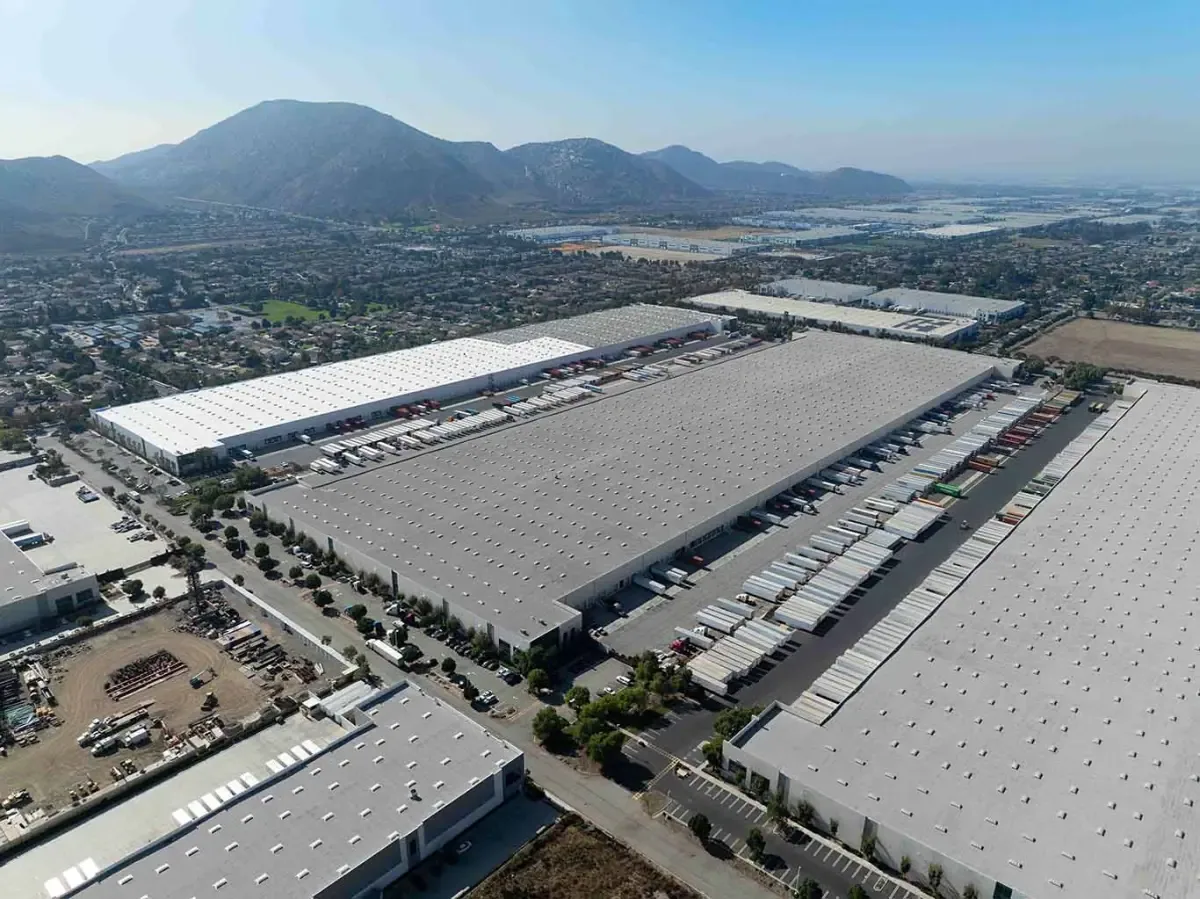
Before a project is authorized, the scope separates measured quantities, alternates, access assumptions and items assigned to another trade. That gives an owner a basis to compare procurement choices and timing. During construction, each phase is tracked by roof section; if concealed damage changes the quantity, we present the measured change before extending the approved area.
Closeout records the installed system, preparation, completed sections, photographs and remaining work. For an owner with several buildings, a multi-site roof program can keep priorities and next decisions organized while preserving separate histories by property. Preventive service can then start from the actual roof details and completed repairs, rather than repeating an initial survey without the prior records.
Frequently Asked Questions
What types of commercial roof work do you handle?
We inspect, repair, replace, recover, restore, coat and maintain commercial low-slope and metal roofs. The recommended scope follows the assembly and the conditions observed at the property.
How do you approach a roof that serves an active facility?
We confirm access, delivery, occupied areas and the protection needed below the work. Each phase has a defined work zone and daily weather-tight point for the facility contact to review.
Can you respond to an urgent leak outside normal hours?
Emergency response is available at any hour, every day, including holidays. The first step is to assess access and exposure, then stabilize the area or define the repair work that follows.
What information helps prepare a roofing proposal?
Roof plans, prior repair records, leak locations, access rules, delivery restrictions and operating hours help define a useful inspection and scope. We confirm field quantities before pricing the work.
What should the owner expect after completion?
The handoff identifies the completed roof areas, installed materials, quantities, photographs and remaining items. Those records support maintenance, warranty administration and later capital planning.