Spray Polyurethane Foam Roofing
Assess spray foam roof repair, recoating, or replacement in Fontana, CA, with attention to adhesion, drainage, surface protection, heat, and access.
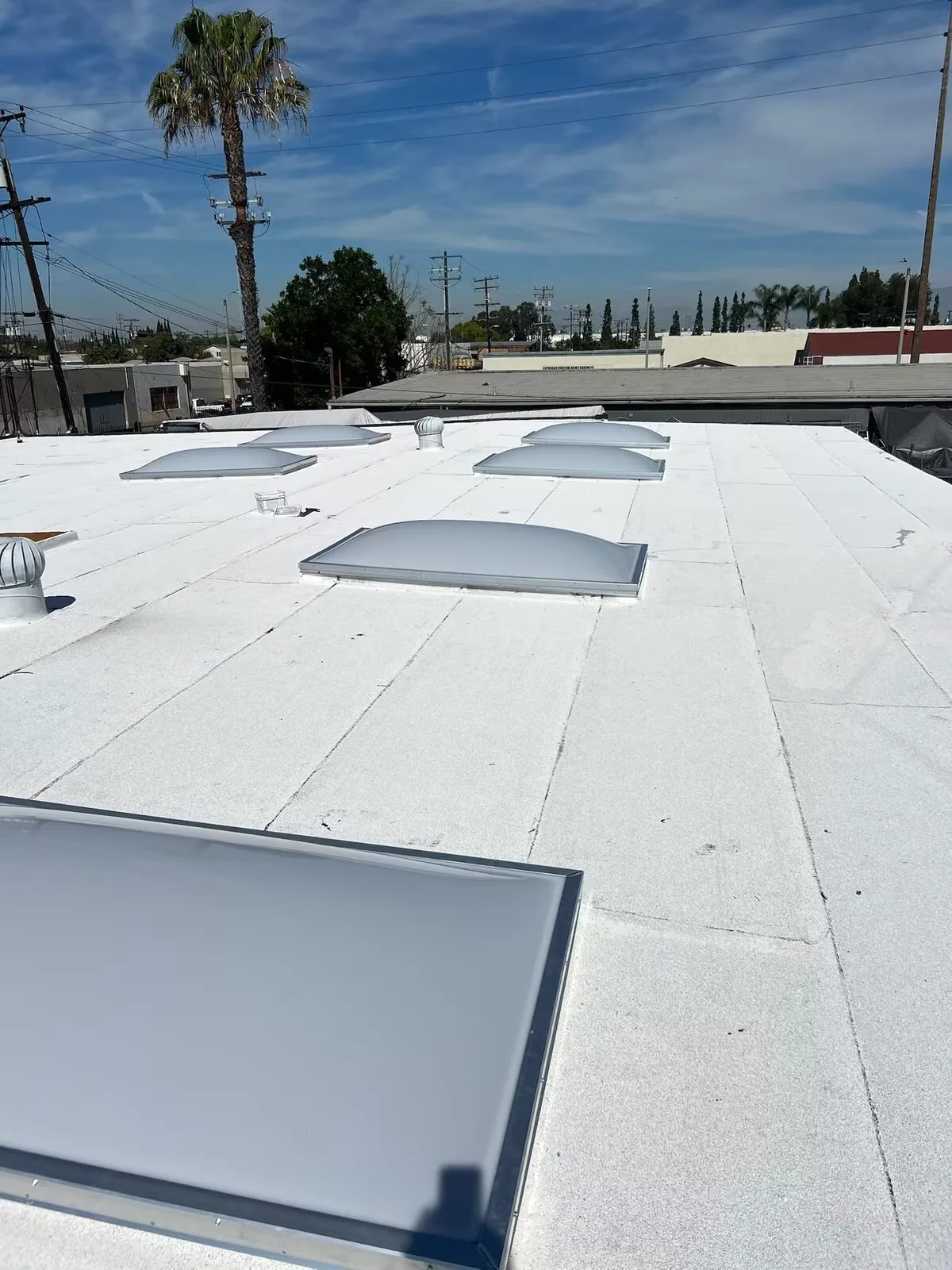
A pinhole in a protective coating can expose the foam beneath it to water and sunlight. We inspect the coating, foam surface, drainage, and edge details before recommending spray polyurethane foam work in Fontana, CA. SPF is a lightweight insulation and roofing layer formed by spraying two components that expand into a continuous surface. It needs a sound substrate, controlled application, and a protective coating that remains intact through service and maintenance.
Fontana's Inland Empire climate brings high summer temperatures and cooler-season rain. Commercial roofs also carry equipment, vents, and service routes that can expose the foam to foot traffic or later trade work. We check those conditions on the actual property, plan the protected work zone, and identify how the final coating will be kept clear of uncoordinated penetrations.
Inspect the foam below its coating
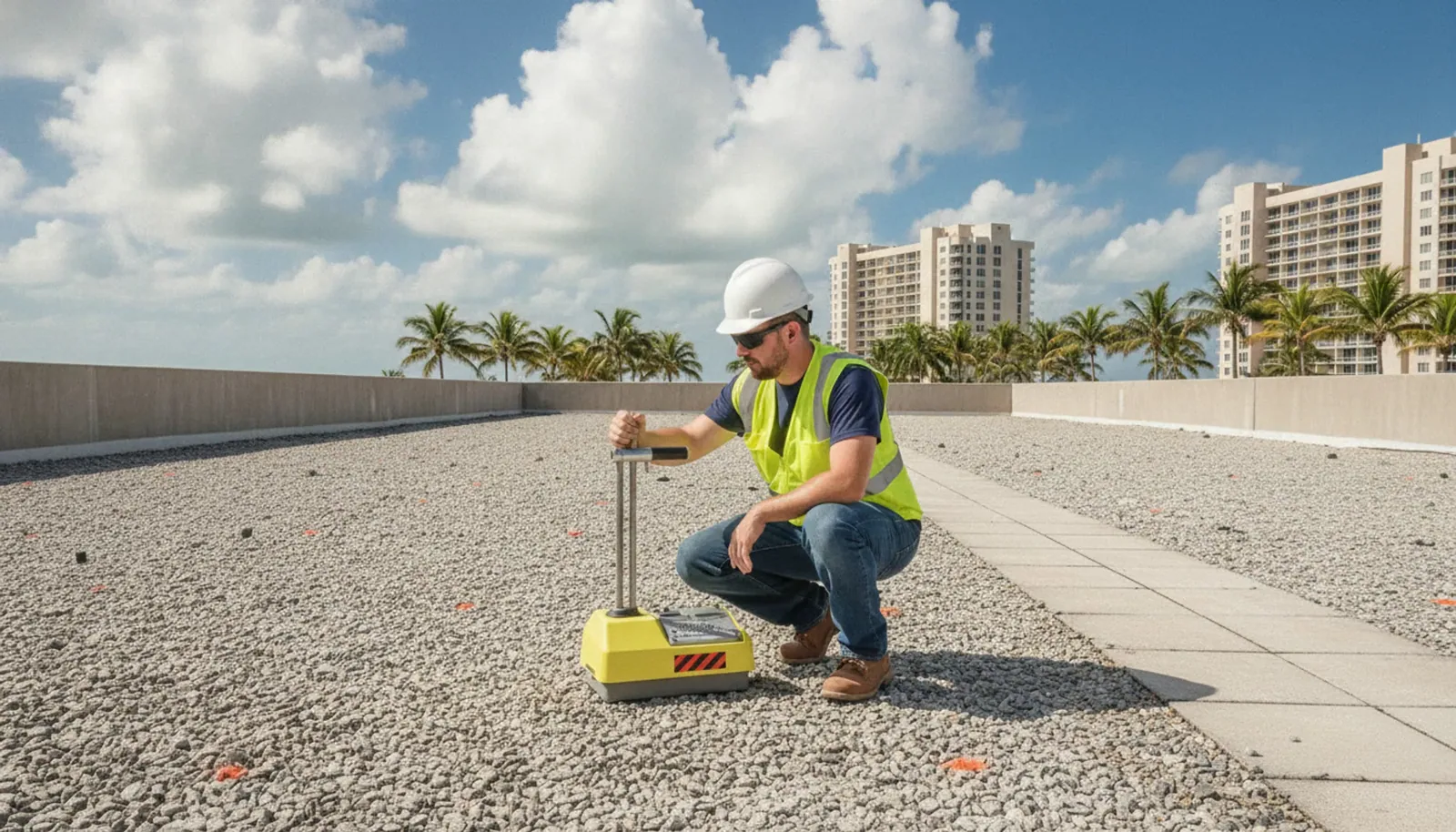
The coating is the first line of protection, so we check for thin areas, blisters, splits, chalking, punctures, and loss of bond. At suspected damage, a controlled inspection can show whether the foam is dry and stable or has softened and absorbed moisture. We record isolated defects separately from widespread coating wear. A small breach may be repaired and recoated; saturated foam may need removal to a sound boundary.
Foam thickness and surface shape affect how water moves. We review the roof plane, low areas, drains, scuppers, parapets, and transitions around equipment. Ponding can hold water against a defect and shorten the useful life of a coating even after the pinhole is sealed. A roof condition inspection with photographs and marked areas gives the owner a record of coating and foam conditions. When concealed moisture is a concern, an infrared survey by roof zone can guide confirmatory checks.
Foot traffic needs particular attention because a heel, tool, or dropped fastener can cut into the protective layer. We mark regular service paths and equipment work areas, then note where walk pads or access controls are required. A coating repair alone does not protect a route that continues to receive uncontrolled traffic.
Set the limits for a recoat
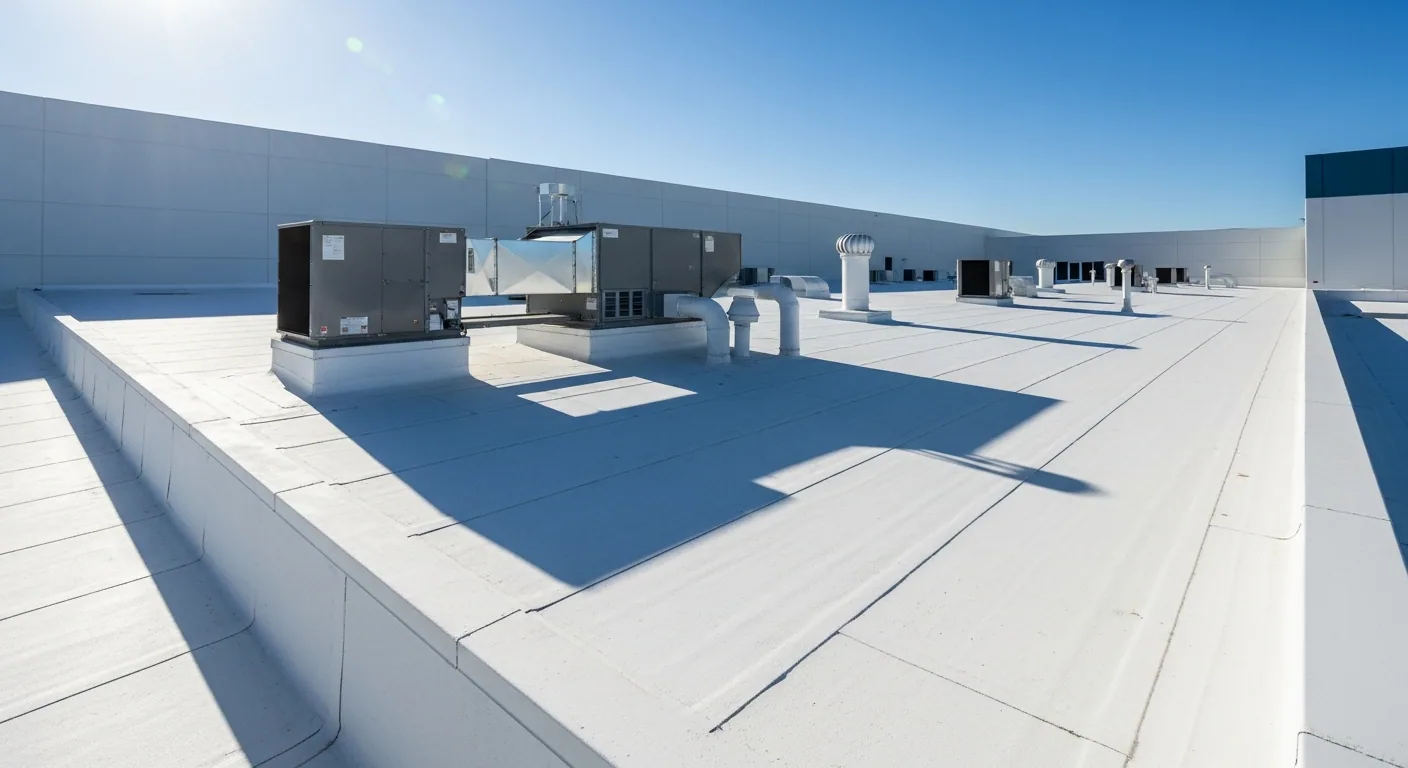
Recoating is considered when the existing foam is adhered, dry, and retains a profile that can be prepared for a new protective layer. We test adhesion where needed, inspect coating thickness and surface cleanliness, and check that seams and penetrations can be detailed with the selected materials. Preparation may include washing, drying, removing loose coating, and repairing exposed or damaged foam. The scope lists those steps and any areas that require replacement rather than covering.
Silicone and acrylic coatings are not interchangeable finish labels. Silicone may be evaluated where ponding resistance is a concern; an acrylic system may suit a roof with positive drainage and the conditions named by its product data. Either option still depends on substrate adhesion, preparation, coating thickness, and detail compatibility. We compare the existing foam and water path with the selected system's requirements before specifying one. A silicone roof coating or acrylic coating system needs its own application and maintenance plan.
If foam has separated, become wet, or lost its shape in broad areas, a fresh coating cannot rebuild a sound substrate. We remove affected material, repair the deck or insulation if necessary, and establish the edge of retained SPF. A restoration scope with stated preparation and coating limits describes where existing foam stays. When the assembly is beyond that boundary, replacement with a defined removal quantity can address the full roof build-up.
Recoating also depends on drainage and roof geometry. Additional coating changes surface elevation only modestly, but repaired foam can alter a local slope or a drain connection. We check how water will reach the outlet and whether existing flashing has enough height above the finished surface. A drainage scope for outlets and scuppers defines the tie-in when those components need adjustment.
Control the spray area and finish
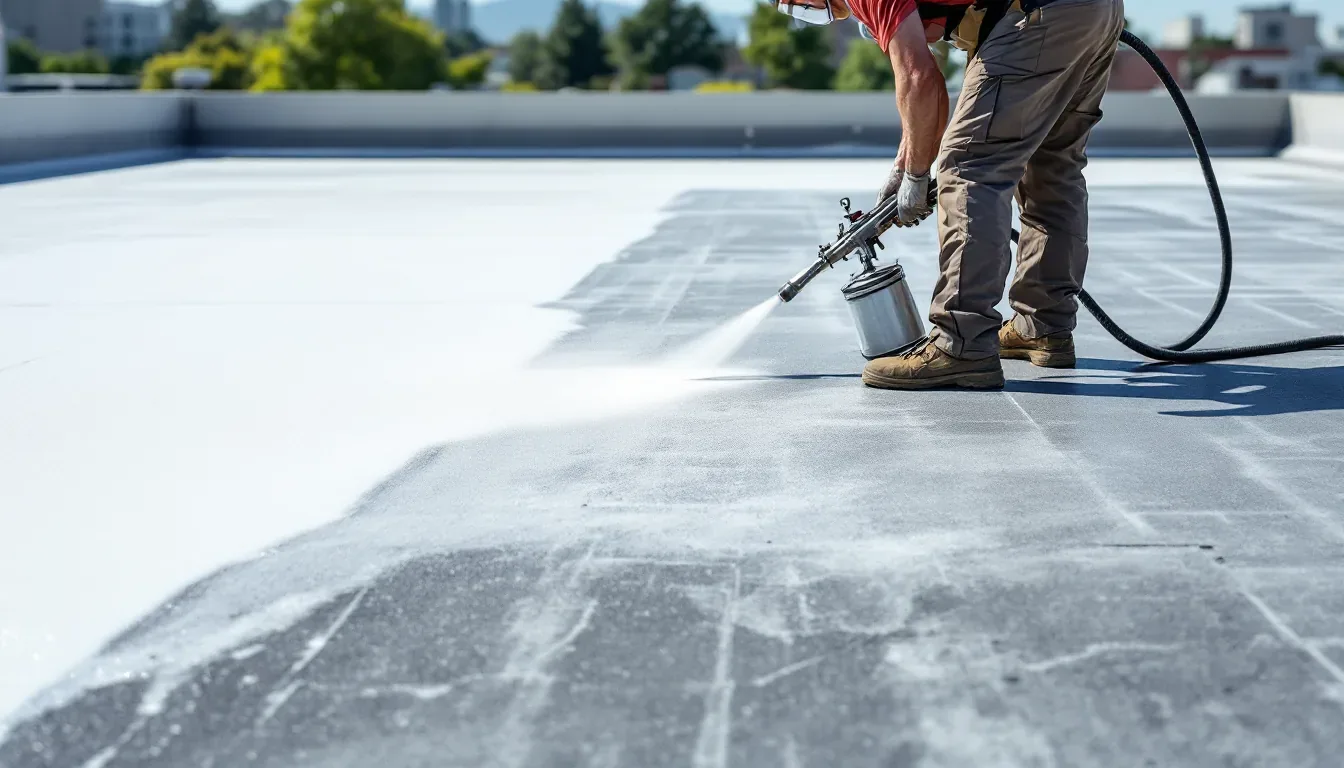
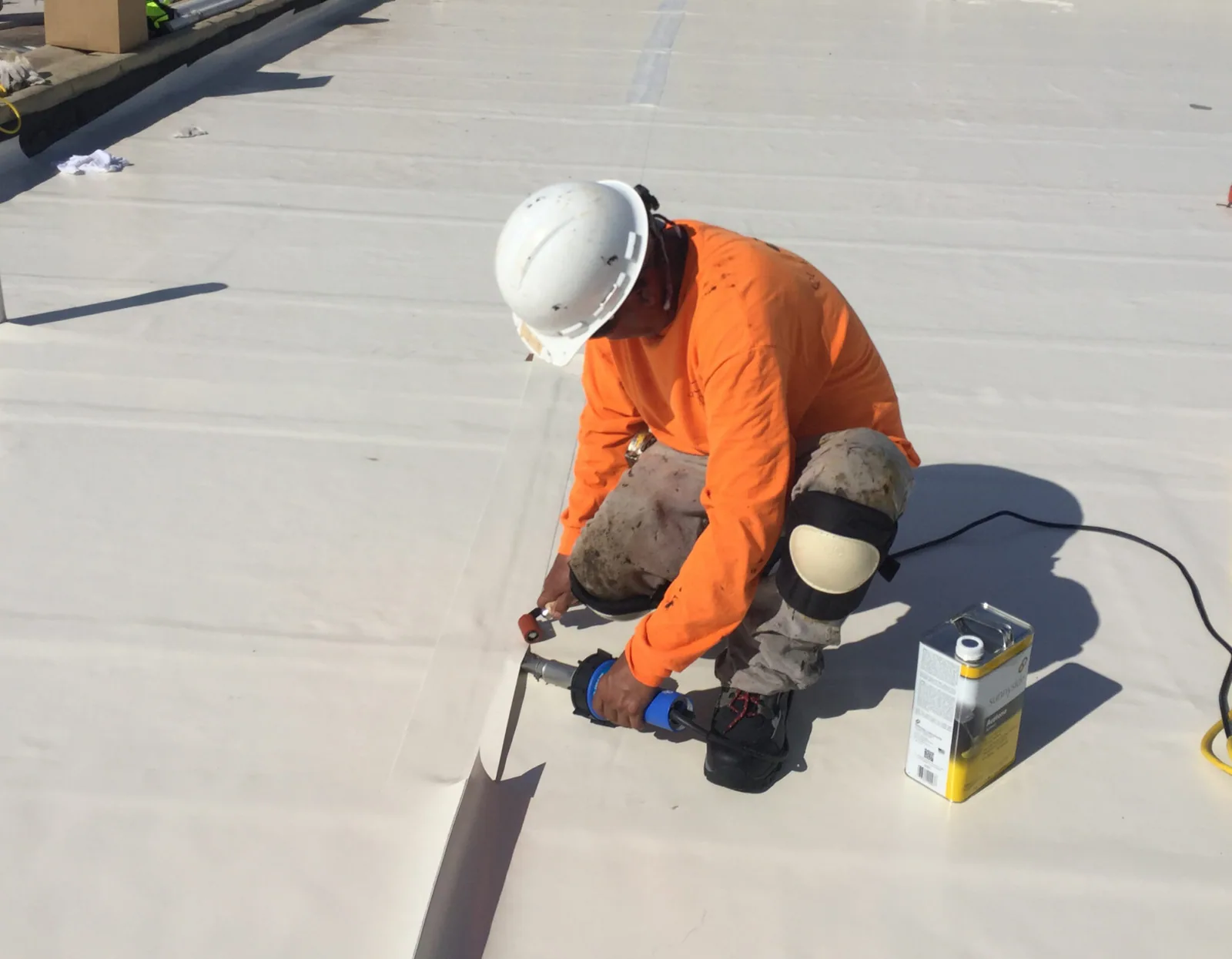
SPF application depends on substrate dryness, temperature, wind, and the manufacturer's specified conditions. The two liquid components must be proportioned and mixed correctly, and the pass thickness has to build without voids or weak layers. We protect nearby equipment, air intakes, parked vehicles, walkways, and adjacent properties from overspray. The application plan identifies wind controls, masking, access limits, and how the work zone will be monitored while spraying.
After the foam cures, the protective coating is applied at the specified coverage and reinforced at details where the system requires it. Surface preparation and cure time affect bond; a new layer placed over dust, moisture, or uncured material can separate. We check test areas and representative details before continuing. At curbs, drains, roof edges, and pipe supports, the foam and coating need compatible flashing and a clean route for water to leave.
Fontana summer forecasts commonly include highs above 100 degrees and can carry extreme-heat advisories. Heat affects the roof surface, worker access, spray conditions, and the protected storage of components. The crew verifies current conditions before application and defines where work stops if temperatures or wind move outside the product requirements. Each phase is sized so foam and coating are protected before the roof is left for the day.
Protect the roof after application
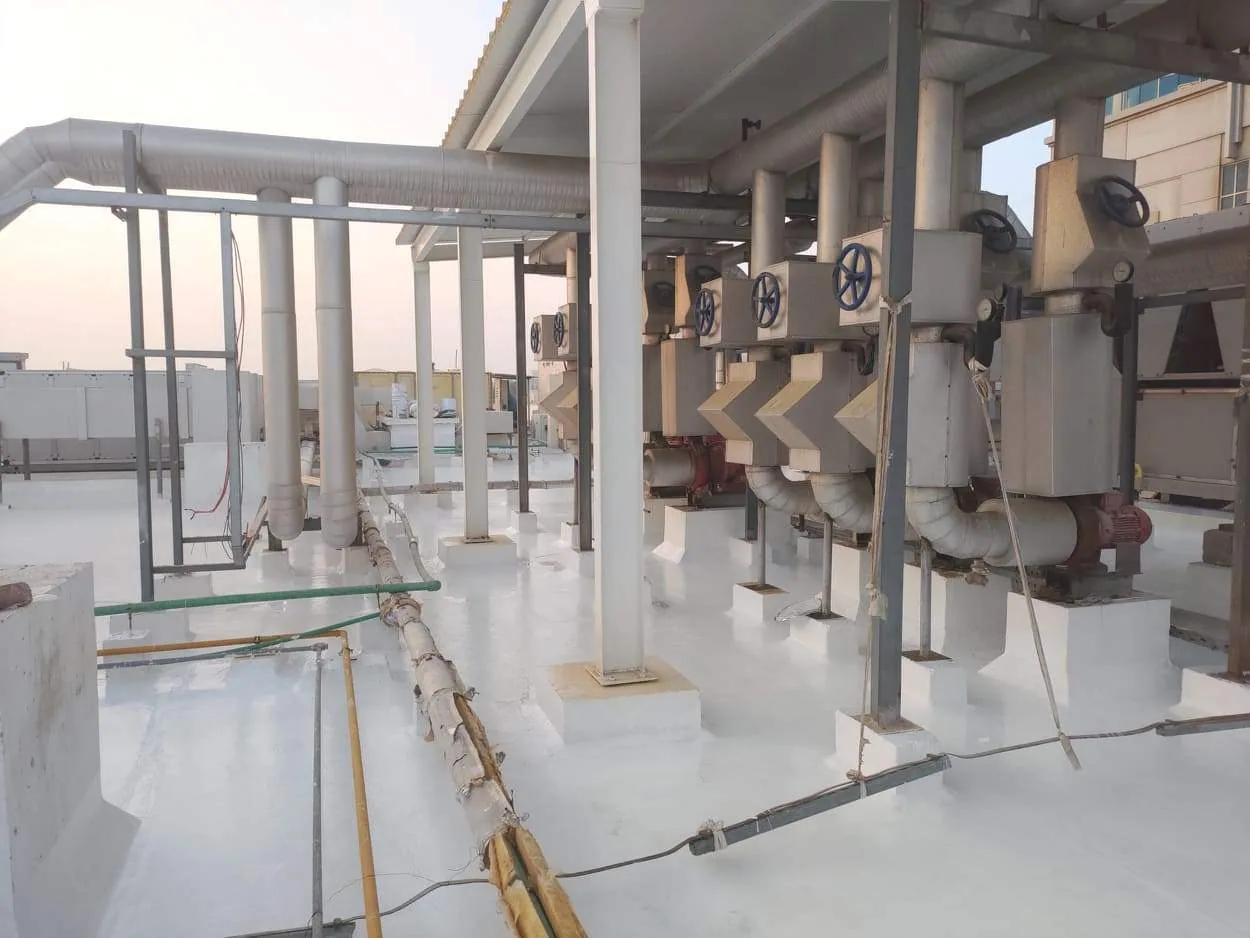
SPF can be damaged by later electrical, HVAC, or plumbing work. Before closeout, we identify penetrations, service routes, equipment pads, and areas that should receive walk protection. The facility team can then route future trades without cutting the foam or leaving a fastener hole unsealed. For a planned equipment change, curb and equipment support work should be coordinated before the new coating closes the roof surface.
Fontana's Southwest Industrial Park and Jurupa Industrial Park plan areas include trucking, warehouse, and distribution uses, where roof access may support frequent building service. State Route 210 links the city's commercial and industrial activity with the wider regional road network. The Jurupa Industrial Park area is a broad industrial location, but each facility sets its own access windows, receiving lanes, and rooftop safety requirements. We confirm those rules and protect drains and service paths during material delivery.
Closeout records foam removal and repair areas, coating coverage, checked details, and any exclusions. A future inspection can compare coating condition and surface protection against that starting record. We note any maintenance interval or product-specific care requirement supported by the selected system documents rather than making a blanket claim for every SPF roof.
Frequently Asked Questions
Can a worn SPF coating be recoated?
It can be when the foam underneath remains dry, adhered, and suitable for preparation. We test questionable areas, remove loose coating, repair exposed foam, and confirm drainage before specifying a new layer. Saturated or detached foam needs removal to sound material, not another coating over the defect.
What causes spray foam to blister or pull away?
Moisture, contamination, poor adhesion, incorrect mixing, or application outside specified conditions can contribute. We check the substrate and the separation boundary, then document whether the defect is confined or repeated across zones. The repair quantity follows that finding.
How do you protect a building from spray overspray?
We map nearby air intakes, equipment, vehicles, pedestrian paths, and adjacent operations before application. Masking, wind monitoring, restricted access, and a controlled spray direction are set for the job. The work zone stays active only while the protection plan can be maintained.
How often does SPF roofing need inspection in Fontana?
Inspection timing depends on the selected coating system, roof exposure, access traffic, and maintenance plan. In Fontana's hot summers, we pay close attention to coating wear, punctures, and repaired details. We document the observed condition and identify the next interval supported by the product requirements and roof use.