Manufacturers
Plan Fontana manufacturing roof repairs, production access, delivery windows, and phased replacement with clear work zones and documented closeout.
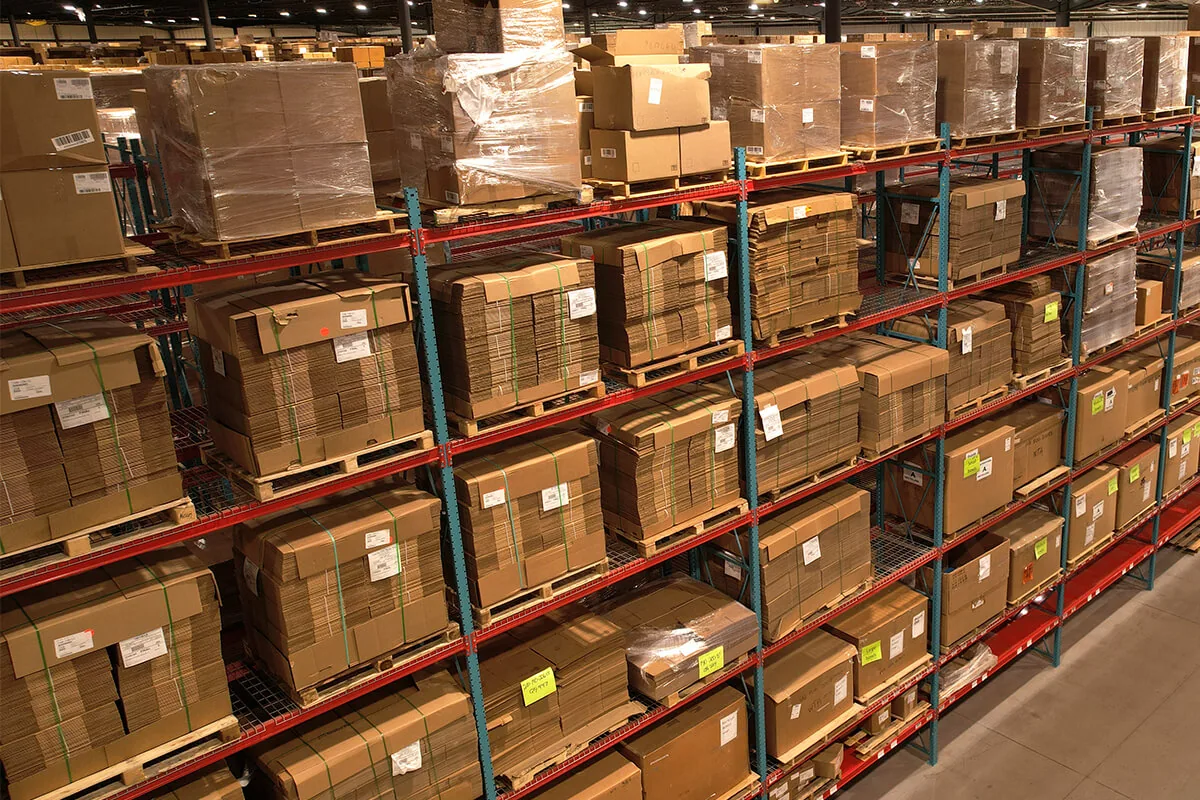
A material pallet delivered through a production gate can conflict with forklift traffic before it reaches the roof, so plant roofing needs a defined receiving route and work boundary. Commercial Roofers Fontana plans commercial roofing for manufacturers in Fontana, CA, by checking roof condition against production hours, equipment access, and the sequence each building can support. The scope shows which area opens first, what needs protection, and how the roof is closed before the work zone is returned.
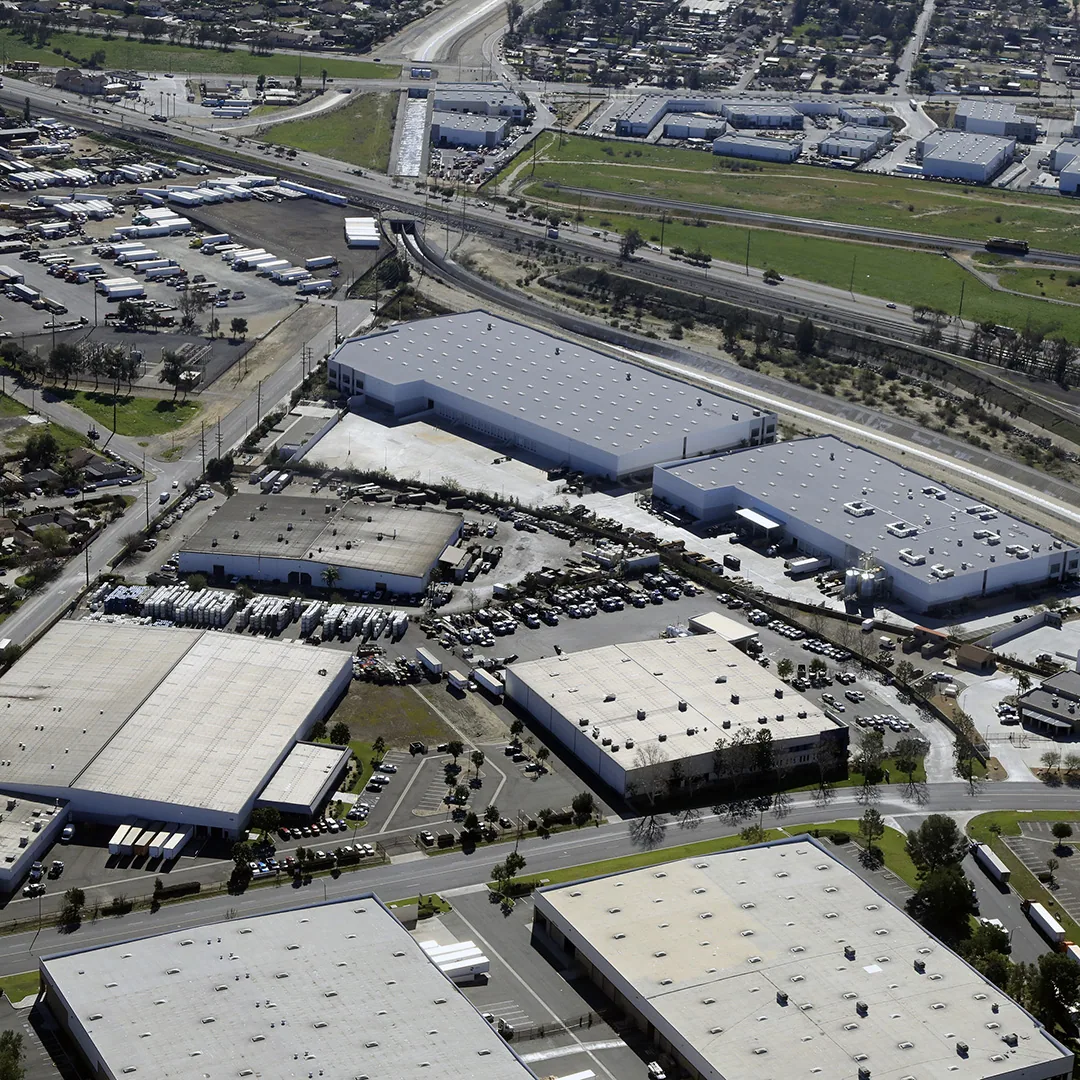
Manufacturing, transportation, and logistics are prominent parts of Fontana's economy. Each plant has its own equipment, roof assembly, and operating rules, which the facility team confirms before we set the work zone. A roof opening is never left without a defined closure point and a contact for the next operating shift. Fontana summer heat can affect safe access and material handling, while the actual production plan determines delivery windows and phasing.
Production access sets the work boundary
We begin with routes production cannot lose: receiving lanes, employee entries, utility access, and paths to rooftop equipment. The facility contact identifies shifts, shutdown windows, restricted areas, and any process that cannot tolerate debris, fumes, or an open roof. We map staging and roof entry against those limits, then divide construction into zones that can be inspected, protected, and closed in order.
Manufacturing buildings may contain additions or separate work areas. We inspect actual transitions rather than assume one assembly across the structure. Elevation changes, expansion joints, curbs, and drains can affect sequence and tie-in. The proposal identifies each work area and states whether its scope needs downtime or another access window.
A general contractor coordinating plant work can use the defined boundary to align trades and deliveries. Occupied-building reroofing states protection and phasing for an active facility. We confirm plant rules before mobilization.
Roof findings need a plant location
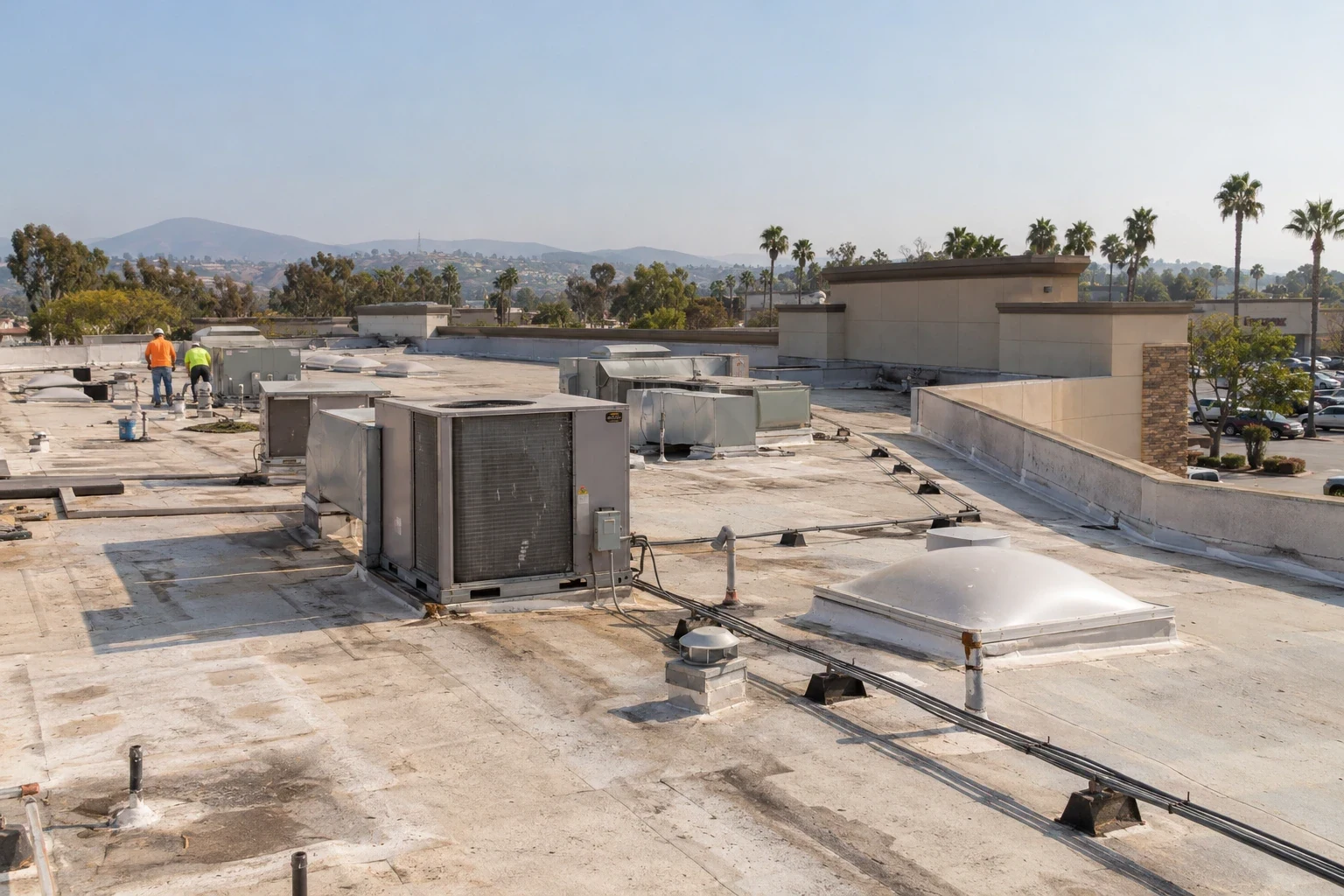
A leak becomes actionable when its roof observation is tied to a known production area. We use a roof plan or marked photograph to record drains, seams, edges, curbs, penetrations, and interior evidence. The report identifies the condition and access limits. If water is near equipment or goods, the facility contact can coordinate protection while we trace the water-entry location.
A roof condition report distinguishes visible failure from a concealed question needing further examination. If a test opening or survey is proposed, its method, area, and next decision should be defined. We record by location so the facilities lead and production supervisor can find the roof zone.
Southwest and Jurupa industrial areas bring manufacturing, warehousing, trucking, and distribution activity close together. A plant's actual roof assembly and production schedule determine how crews enter, stage, and protect the work area.
System selection follows observed construction
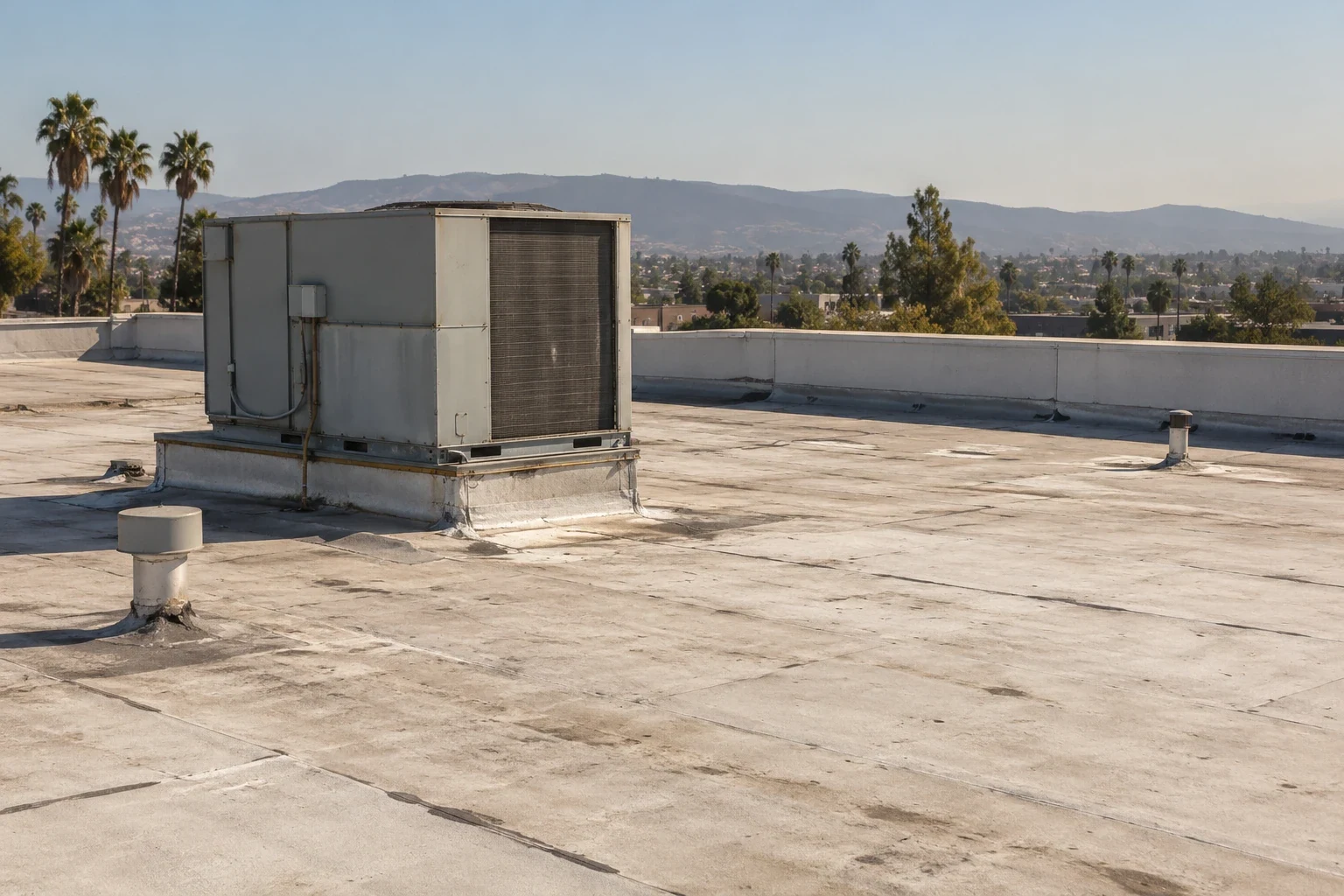
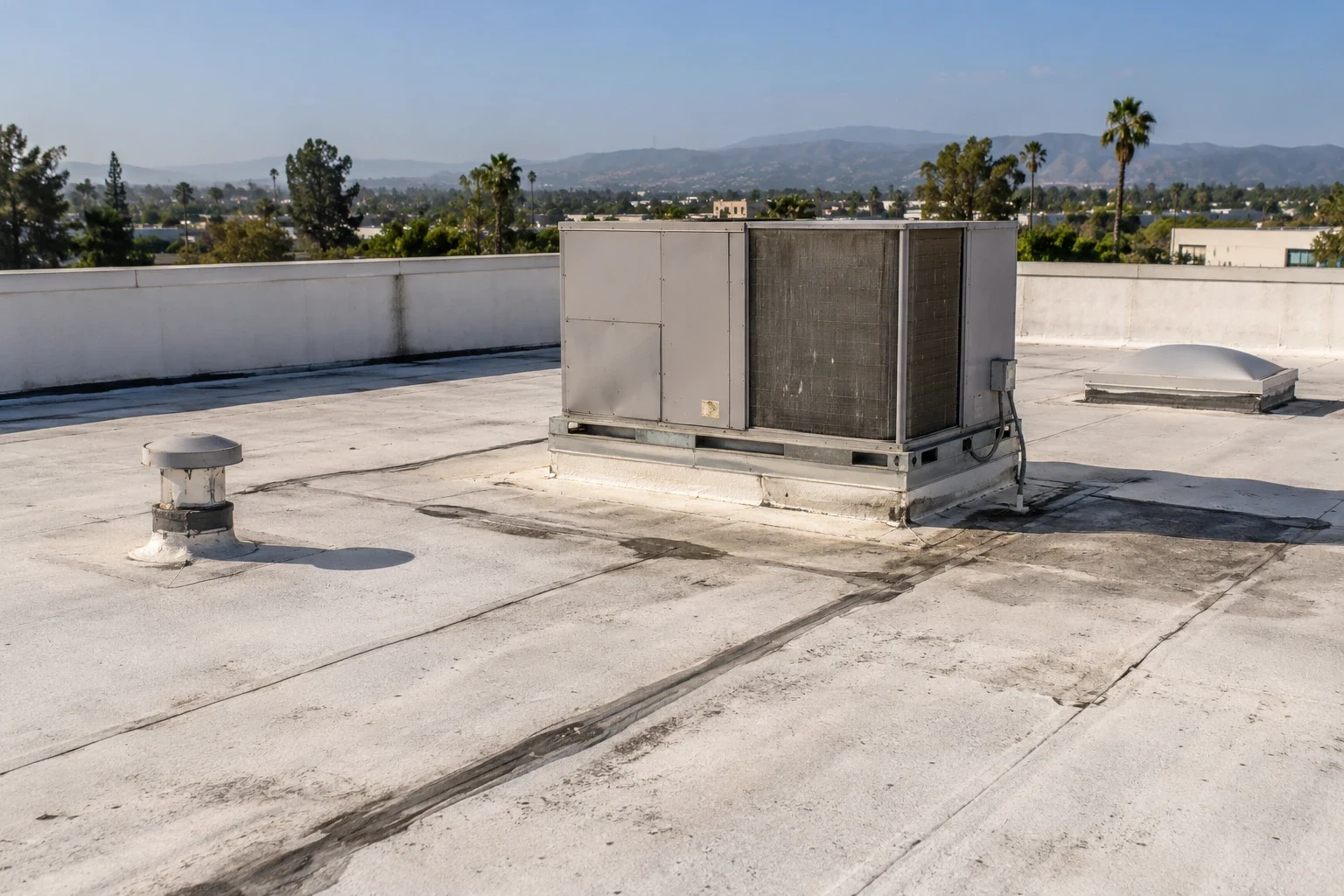
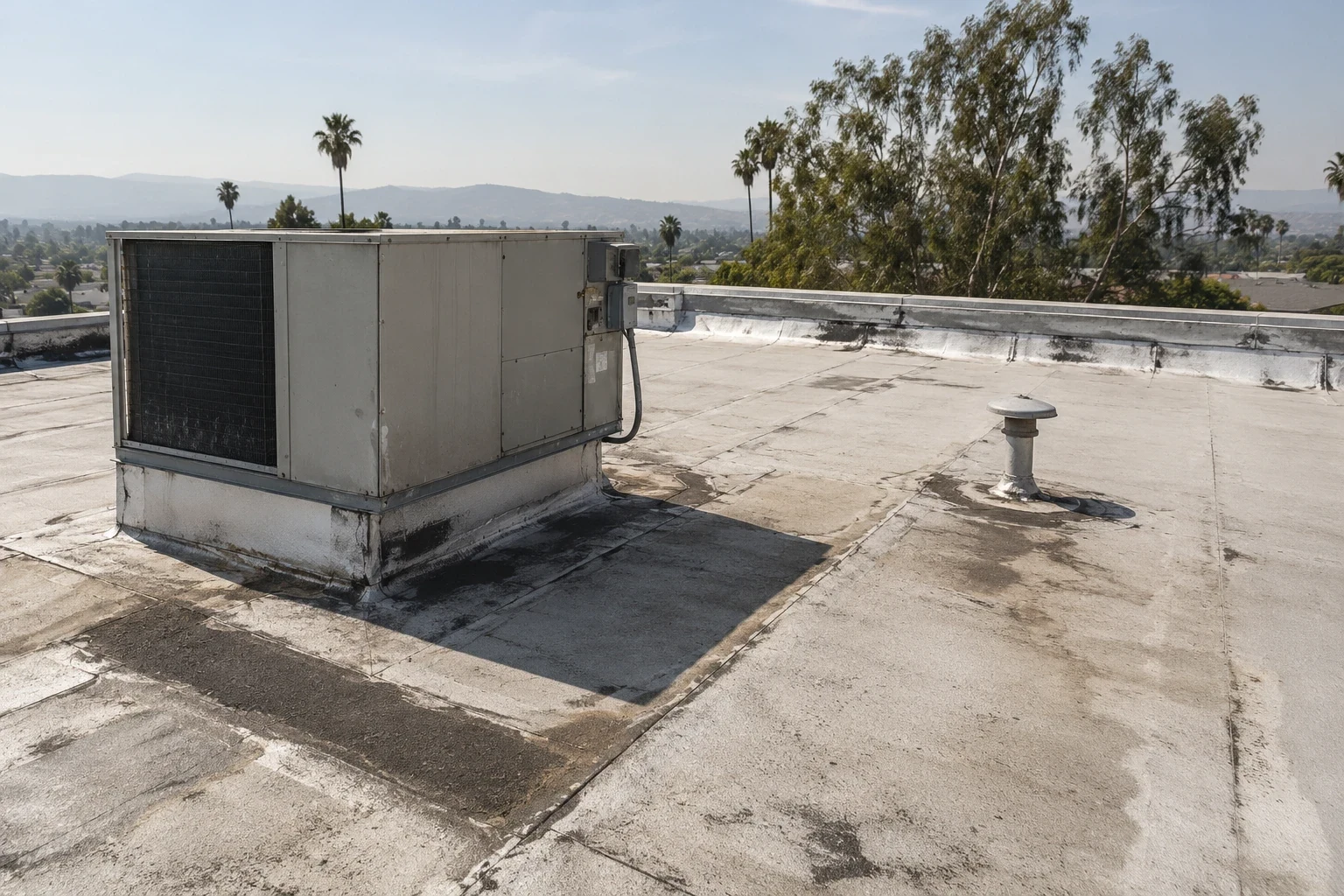
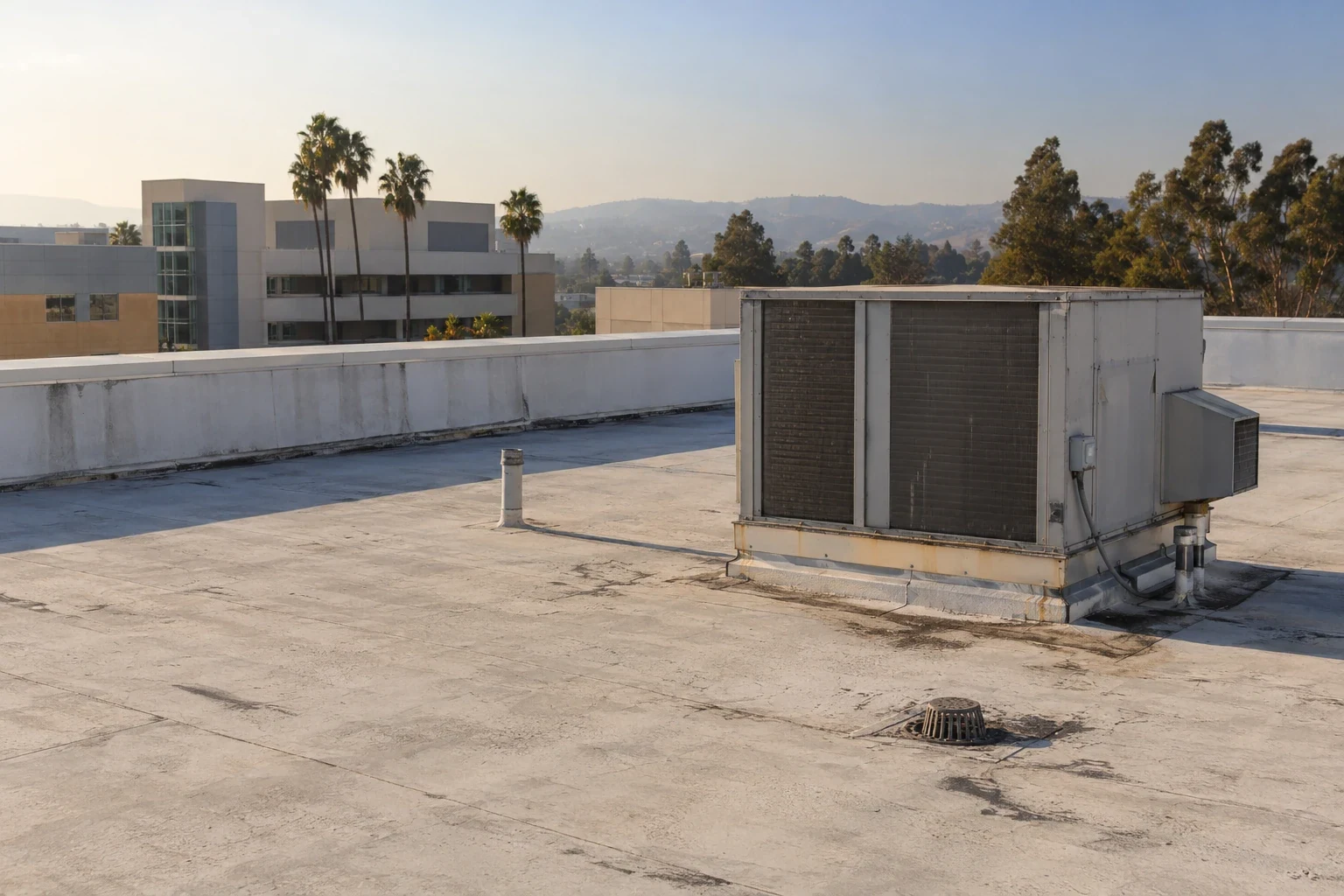
The repair begins with the surface and layers actually present. We identify membrane or metal where accessible, attachment clues, seams, flashing, insulation, drainage, edges, and prior patches. A local seam failure may allow a contained repair; widespread moisture or failing attachment may need more investigation before anyone decides to keep the existing roof in place.
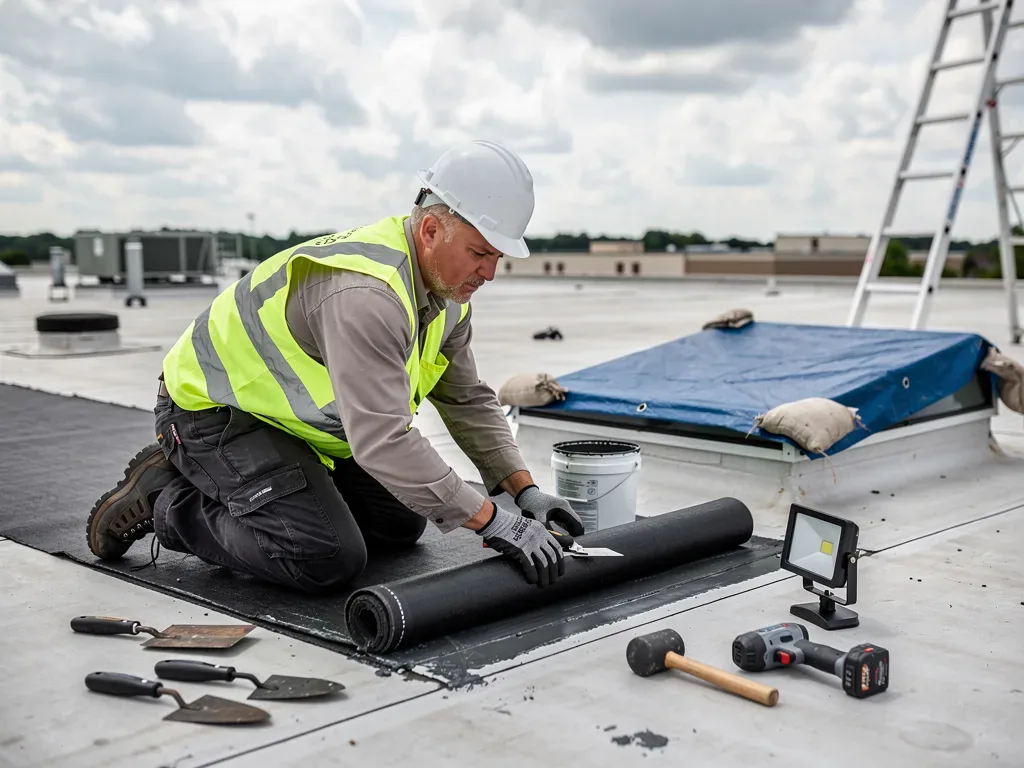
TPO roofing may suit a project when conditions and specifications support it. The material name does not decide insulation, attachment, edge metal, curb detail, or compatibility. We describe preparation, seam work, terminations, drainage, and tie-ins. Substitutions or field changes are reviewed before material is ordered.
For coating or recover options, the proposal states the condition of the existing surface, the repairs needed first, exclusions, and what cannot be confirmed about hidden layers. Replacement may include removal, disposal, new insulation or cover board, and new flashings and edges. Each option has its own sequence and assumptions.
Heat and freight influence mobilization
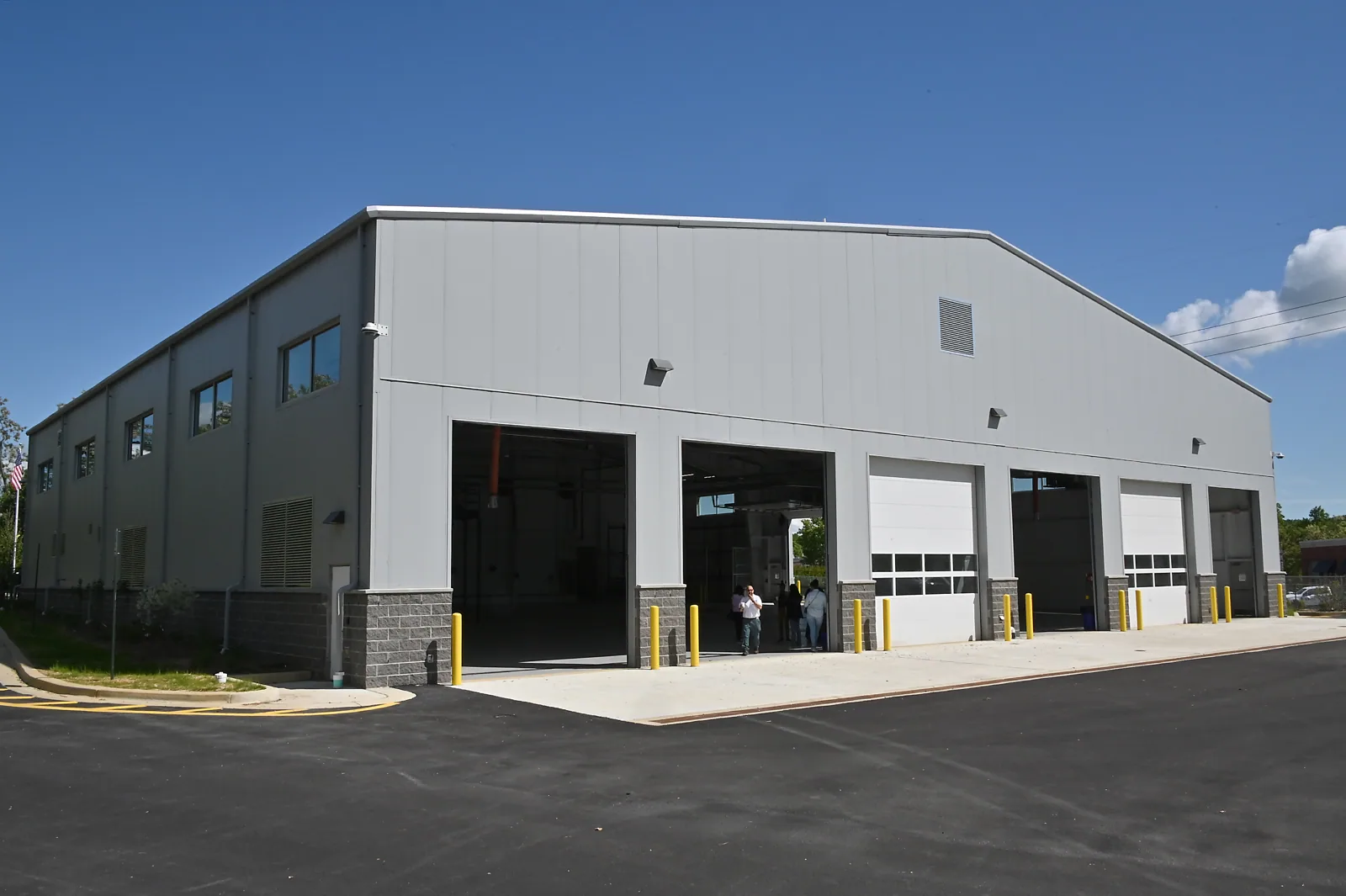
Plant roof access can be most demanding in Fontana's summer, when forecasts can climb past 100°F and advisories sometimes appear. The work plan accounts for safe access, material handling, and tasks suited to earlier hours. We confirm the plant window and sequence roof openings to limit exposure. The delivery plan names the arrival point and how material reaches the roof.
I-10, I-15, and SR-210 serve Fontana freight and commuter needs. The city also links manufacturing with transportation and logistics. The facility still sets receiving controls, security steps, and equipment restrictions. We confirm these before selecting a delivery day or staging area.
Jurupa Industrial Park is a broad area tied to the city's warehouse and transportation uses. Logistics operators may share receiving environments with manufacturers, but each plant needs its own access and operating plan.
Compare complete work and approval steps
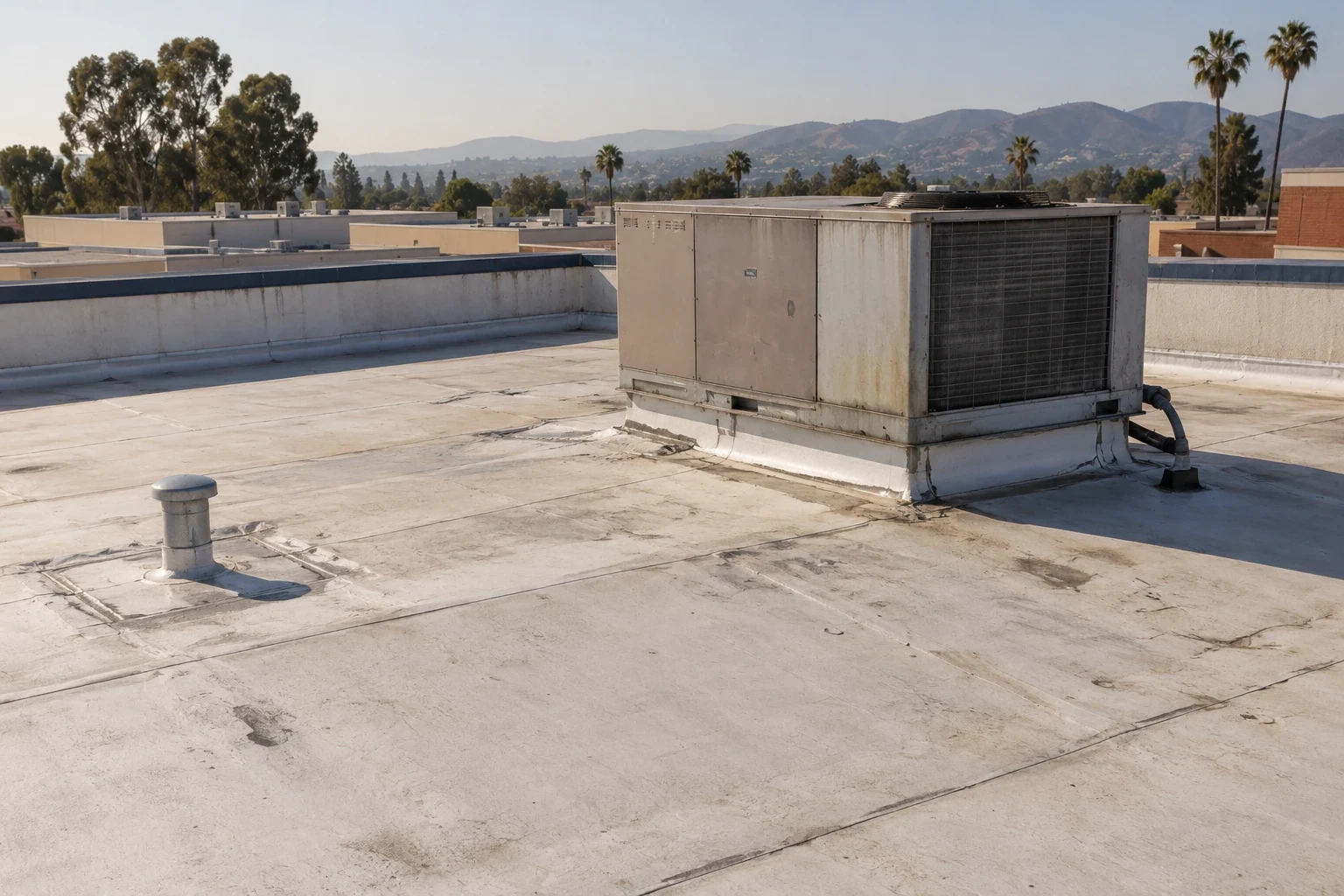
A proposal separates immediate repair from larger renewal and shows the tasks behind each amount. We identify area, access, protection, removal limits, materials, insulation or cover board, curb and edge work, disposal, and closeout. If removal could expose wet material or unexpected substrate, the scope states how the finding will be recorded and approved.
A localized repair can address a defined failure when adjacent construction supports it. Replacement carries removal and tie-in obligations a patch does not. The plant can authorize an urgent correction while leaving a capital decision open. If production cannot stop, phasing gives each zone its own protection and return-to-service check.
Duration can change with roof access, lifting, material lead time, equipment moves, and available work hours. We identify known constraints and approvals needed before procurement rather than assume continuous access.
Closeout should support plant maintenance
Closeout records the roof zone, installed materials, seam and flashing work, approved changes, photographs, and remaining observations. Any excluded adjacent condition is identified so the next shift does not assume it was corrected. We can record who accepted the area and what access item future service needs.
A scheduled maintenance visit can revisit drains, seams, edges, and equipment interfaces. Findings identify what needs repair and what remains in service; completed work is separately recorded. Roof asset records can organize inspections across buildings without merging findings.
For a plant with several buildings, a maintenance schedule can group upcoming inspections while keeping each roof's drawings, restrictions, and photo history attached to its own work record.
Review production and roof access together
Schedule an inspection or scope review and share the facility contact, shift schedule, roof plan, receiving rules, leak reports, and equipment restrictions. We will document conditions, flag open questions, and return a work zone, sequence, protection plan, and closeout checklist. Include any limited production window.
Plant staff can request urgent roof attendance outside ordinary shifts, including weekends and holiday periods. Immediate correction can be separate from broader replacement, with each decision tied to inspected conditions and plant approval.
Frequently Asked Questions
How do you schedule roof work around production shifts?
Share shifts, receiving windows, restricted areas, and routes that must stay open. We confirm those details, then identify the first zone, material path, and return point. A shutdown window is included only when the plant confirms it.
Can a leak repair be completed without stopping a production line?
A repair may be isolated when access, protection, and roof condition allow. We define the area and any temporary restriction with the facility contact. Concealed damage can change the approved sequence.
What should a plant provide before a roof survey?
Provide the roof plan, leak location, facility contact, access rules, schedule, and equipment restrictions. We confirm the conditions in the field and record any inaccessible area as a limit.
Does a membrane name determine the full replacement scope?
No. Existing layers, insulation, attachment, drainage, edges, curbs, and tie-ins affect the scope. We describe the installation and removal limits; the product name alone cannot establish compatibility.
What happens if roof removal finds wet insulation?
We locate and photograph the condition, compare it with the approved allowance, and describe the correction before work expands. The facility can review cost and timing before authorizing the change.