Modified Bitumen Roofing
Plan modified bitumen repair, replacement, or recovery in Fontana, CA, with attention to plies, seams, flashings, drainage, heat, and occupied-site access.
A torch, kettle, or hot-air detail changes the work zone before modified bitumen work begins. We confirm the roof assembly, installation method, fire controls, and access plan before setting the scope in Fontana, CA. Modified bitumen is a reinforced asphalt membrane modified for flexibility and installed in one or more plies. The chosen method and existing layers affect the repair boundary, tie-in, and how the shift closes.
Fontana's commercial and industrial properties sit within the Inland Empire freight network, with I-10 and I-15 carrying regional traffic and major warehousing and manufacturing activity nearby. Summer heat also affects work timing on exposed roofs. We check the building and current operating conditions directly, then plan delivery, protection, and phasing for that property.
Read the plies and seams
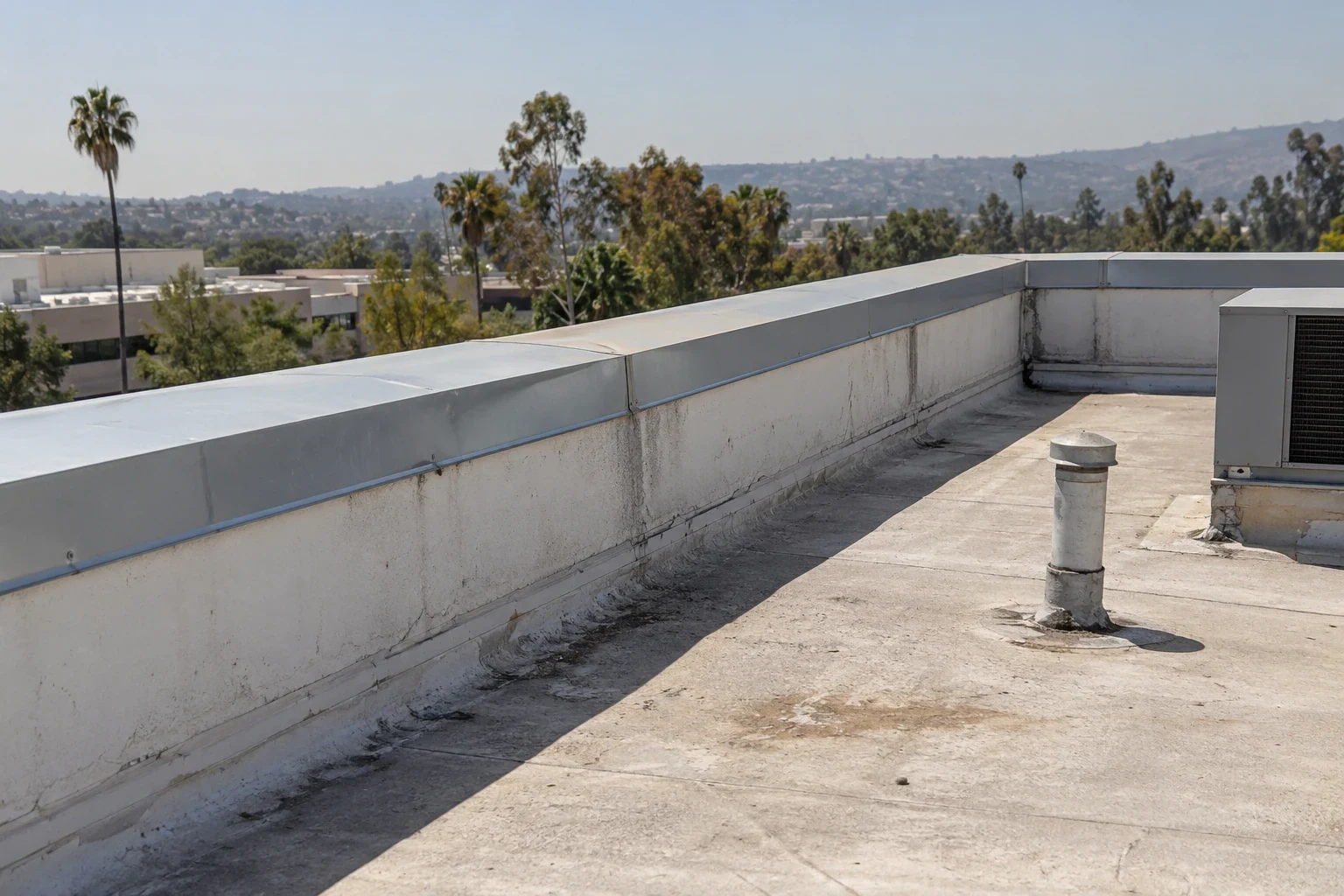
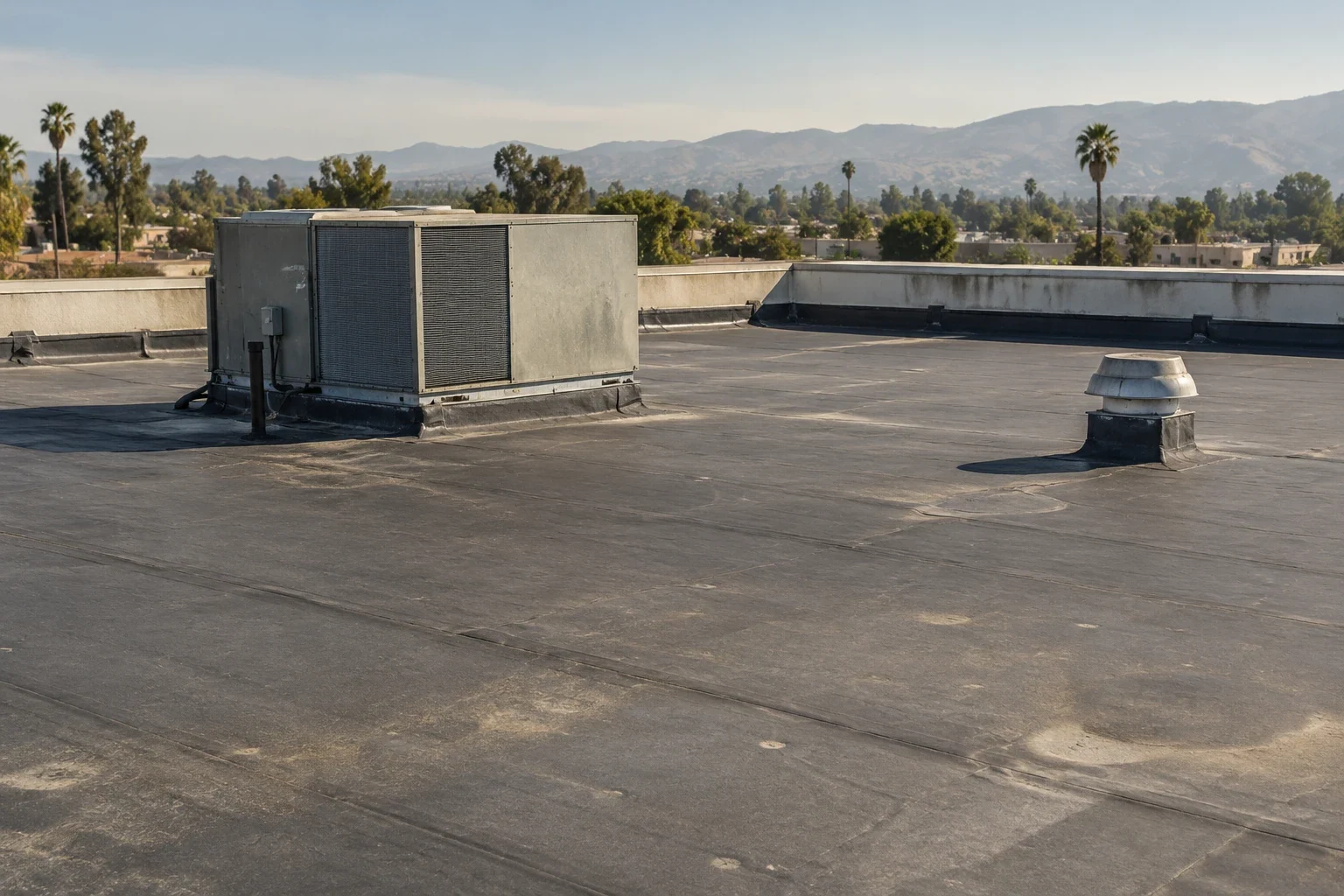
Modified bitumen roofs may use a base sheet and cap sheet, with reinforcement and surfacing chosen for the system. We identify whether the installed membrane is torch-applied, self-adhered, or set with hot asphalt, then inspect laps, end joints, patches, and transitions. Blisters, splits, open laps, exposed reinforcement, and displaced surfacing each point to a different repair detail. A surface crack alone does not establish how far the defect runs.
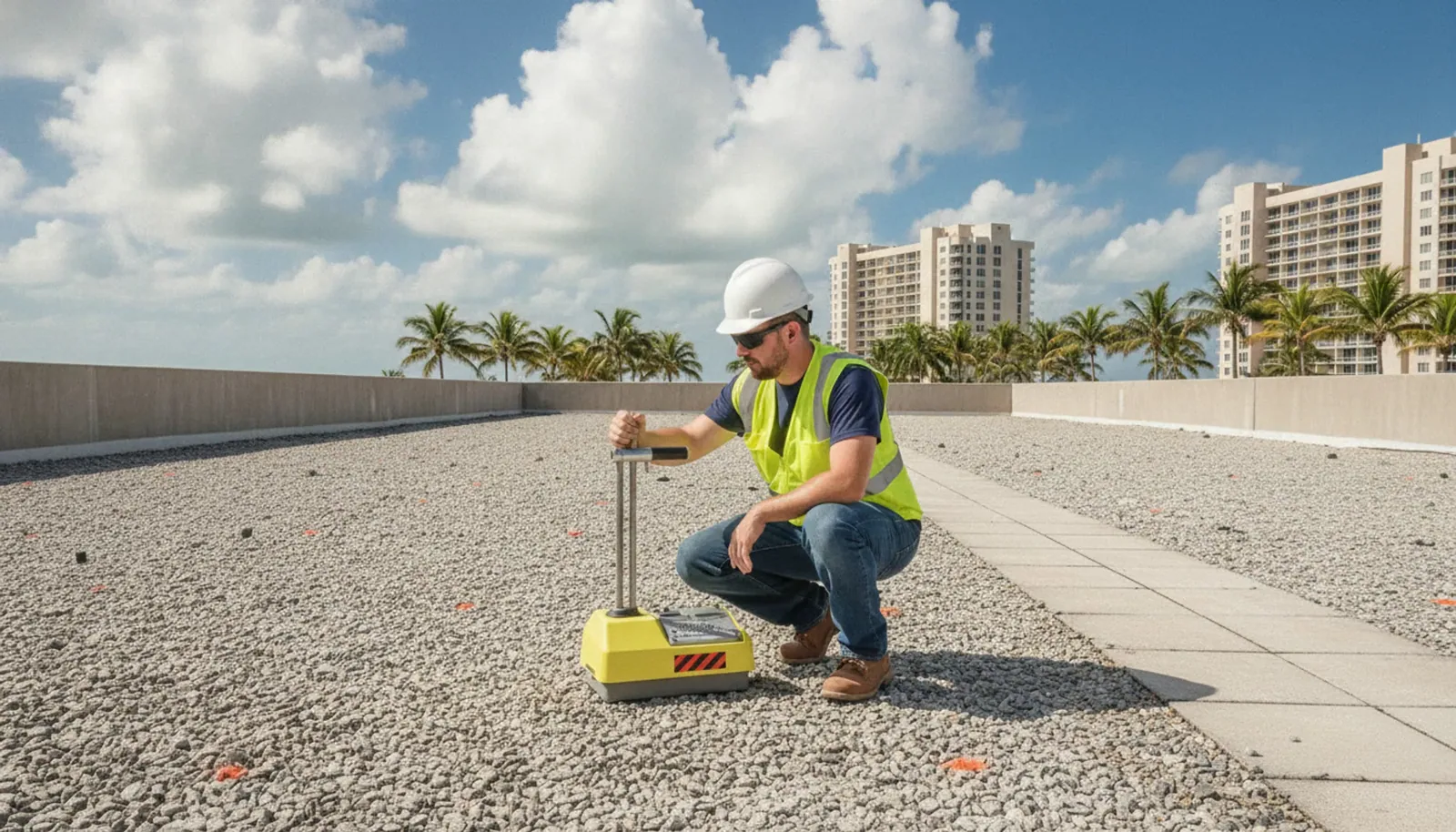
We trace water paths from the roof surface through low points and around curbs, drains, and wall edges. Moisture beneath the membrane can spread beyond the visible opening, so selective testing may be needed to set the repair or removal limits. A commercial roof inspection with photos and mapped observations documents visible conditions. If the assembly may hold moisture, an infrared survey of roof zones can guide follow-up checks in the areas that need confirmation.
Earlier repairs also matter. A patch may cover a split while leaving loose surfacing, wet insulation, or an open edge nearby. We inspect the patch perimeter and how it joins the original plies before recommending another layer. Findings are separated by roof zone so the owner can compare a contained repair with a larger correction.
Choose an installation method
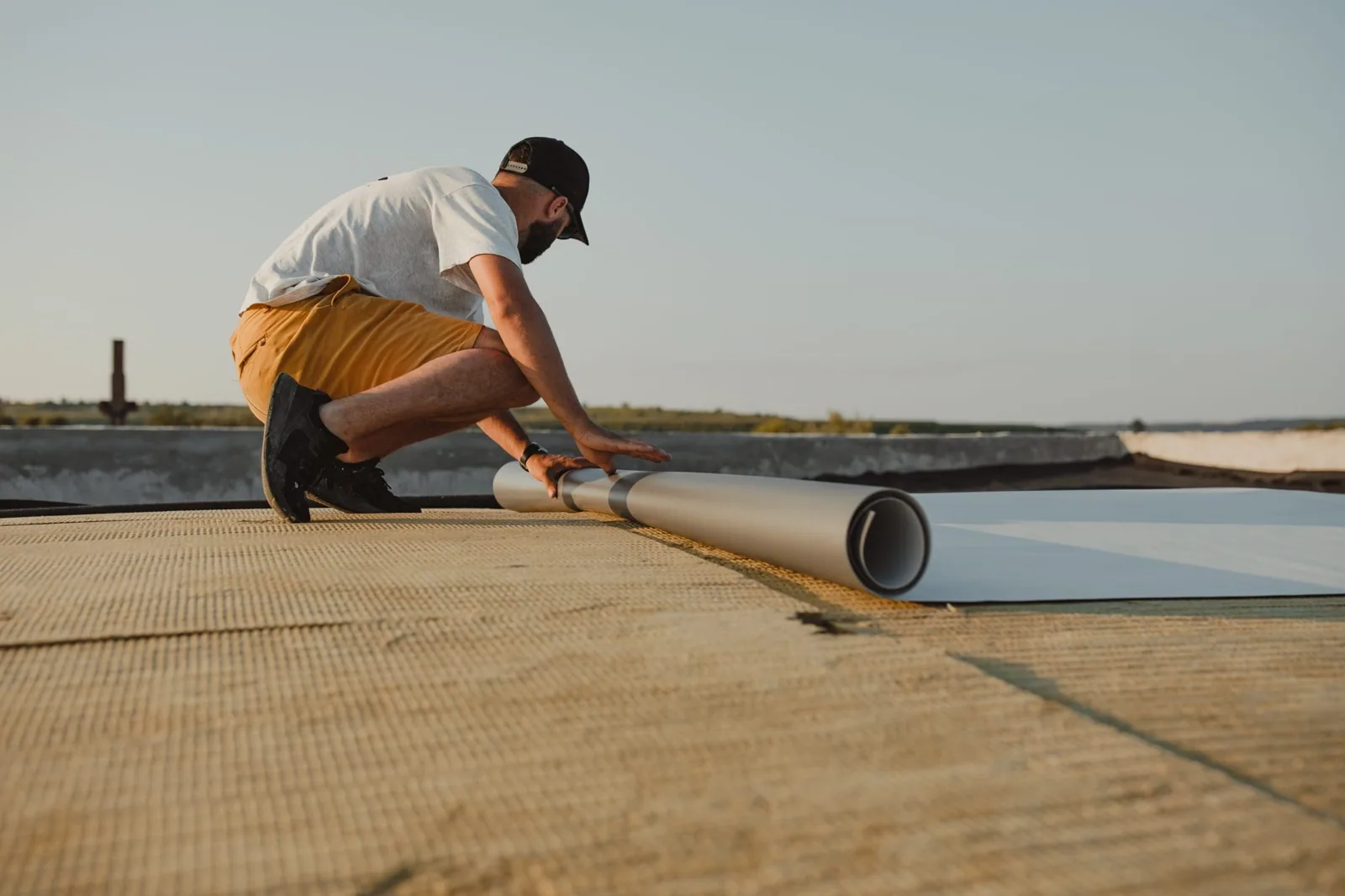
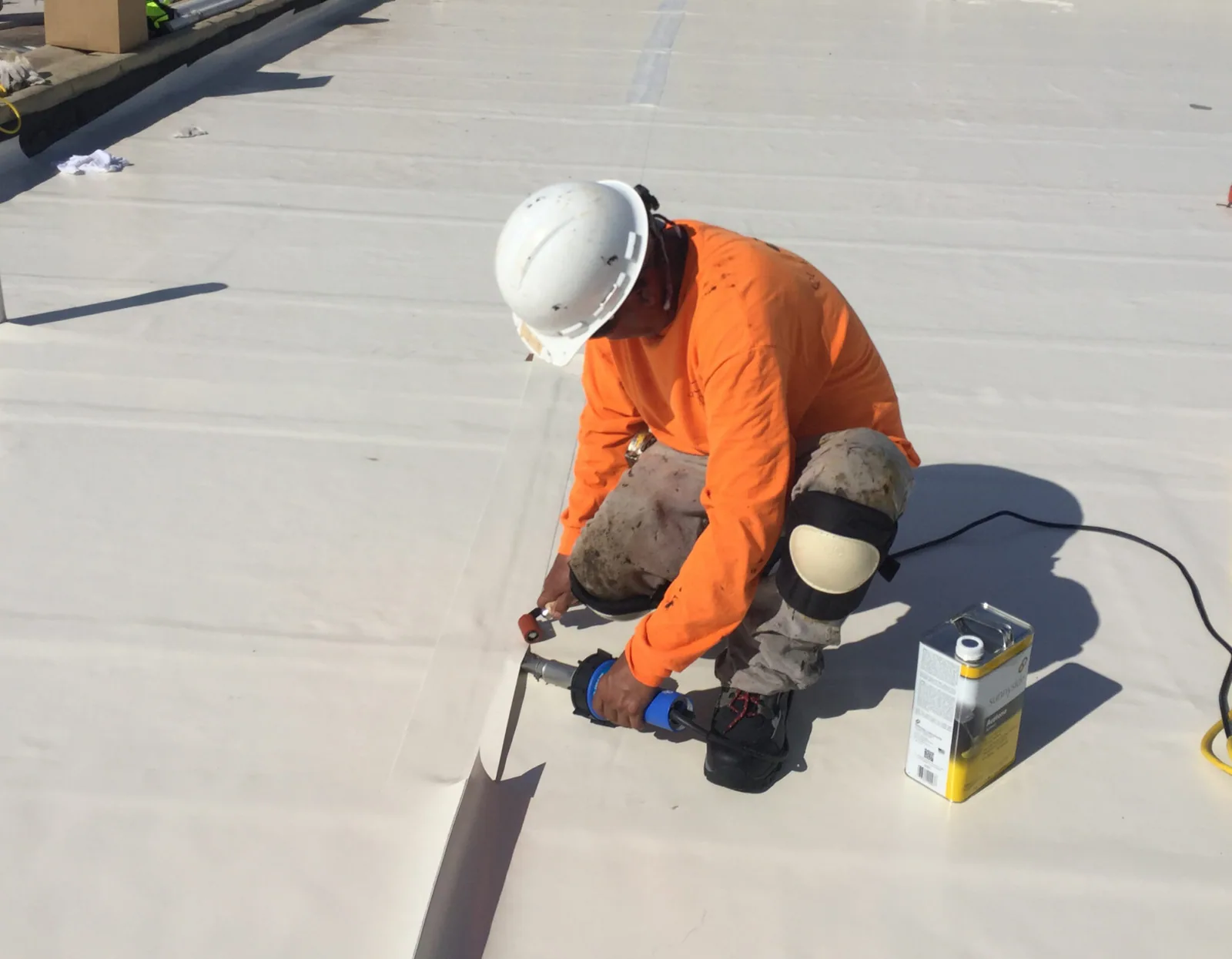
Heat-applied work needs a controlled roof zone, suitable substrate, trained installation, and fire-watch planning. We review penetrations, combustible materials, concealed cavities, and the day's conditions before authorizing torch use. Where open flame is not appropriate, the specified system may use self-adhered sheets or hot asphalt, subject to product and project requirements. The estimate states the application method rather than leaving crews to choose after mobilization.
Removal can expose insulation and deck to weather, so phasing and close-in protection have to be set before work starts. On an occupied property, we coordinate alarms, access paths, deliveries, ventilation needs, and any process shutdown required near the work area. The active roof opening is kept within the agreed zone, and the daily tie-in is checked before tools and material leave the roof.
Where the existing assembly is stable and dry, a recover may be considered after evaluating layer count, attachment, surface condition, and finished heights. If moisture or failed attachment is present, a recover can trap the problem. The scope identifies selective removal or replacement with stated tear-off limits when retention cannot support the proposed work. New cover board and insulation are described as separate components of the assembly. A TPO membrane or EPDM system may fit a different deck or service condition, so we compare the designed assembly rather than the familiar surface appearance.

Close edges and penetrations
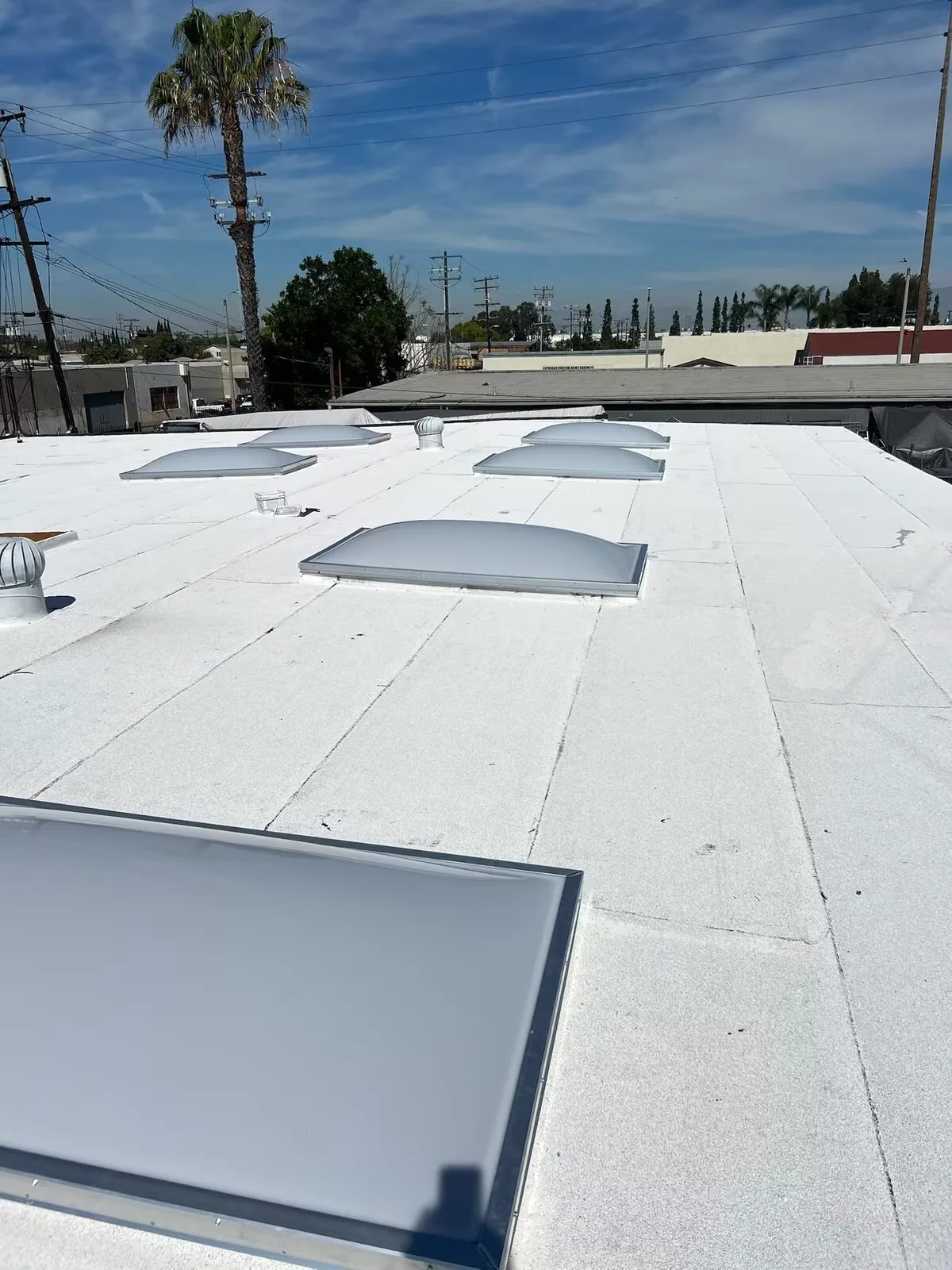
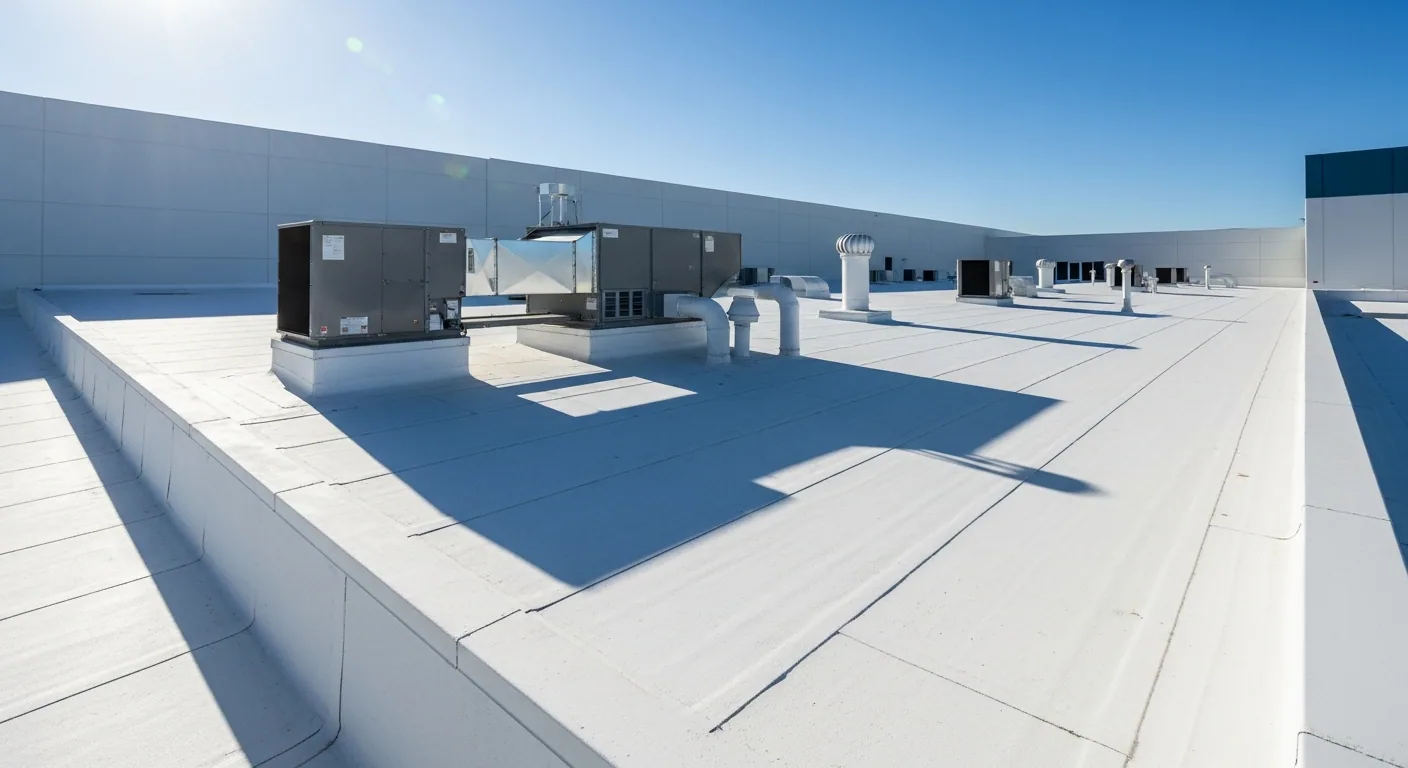
Modified bitumen details concentrate several material changes. At a curb, wall, skylight, pipe, or drain, the membrane needs a stable substrate, a secure termination, and a water-shedding transition. We inspect counterflashing and edge metal, then define what can be retained and what must be replaced. A transition can fail even when the open roof field remains serviceable, so the repair should include enough surface to make a durable tie-in.
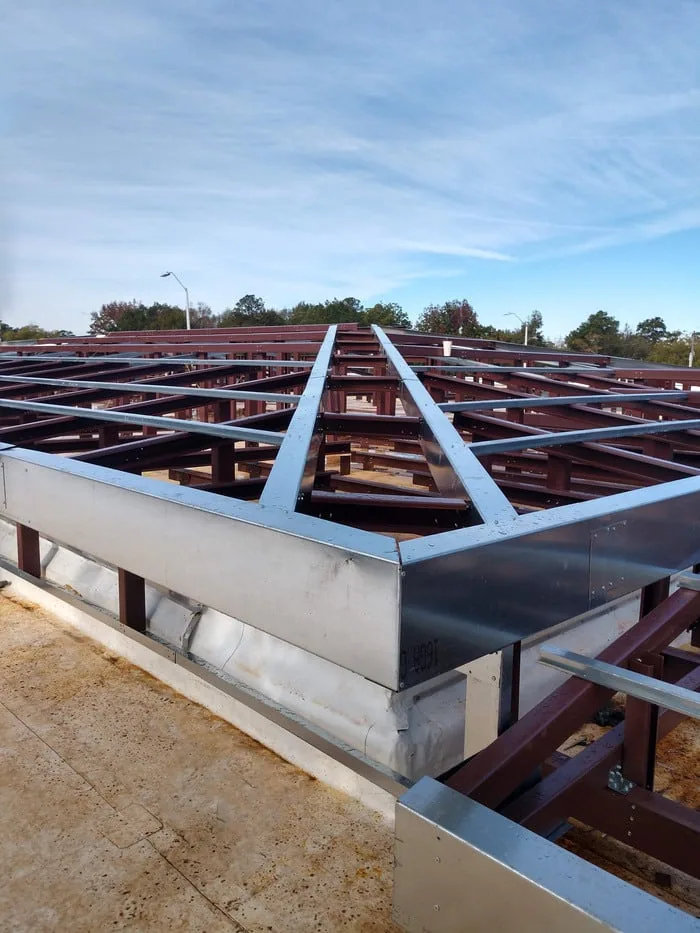
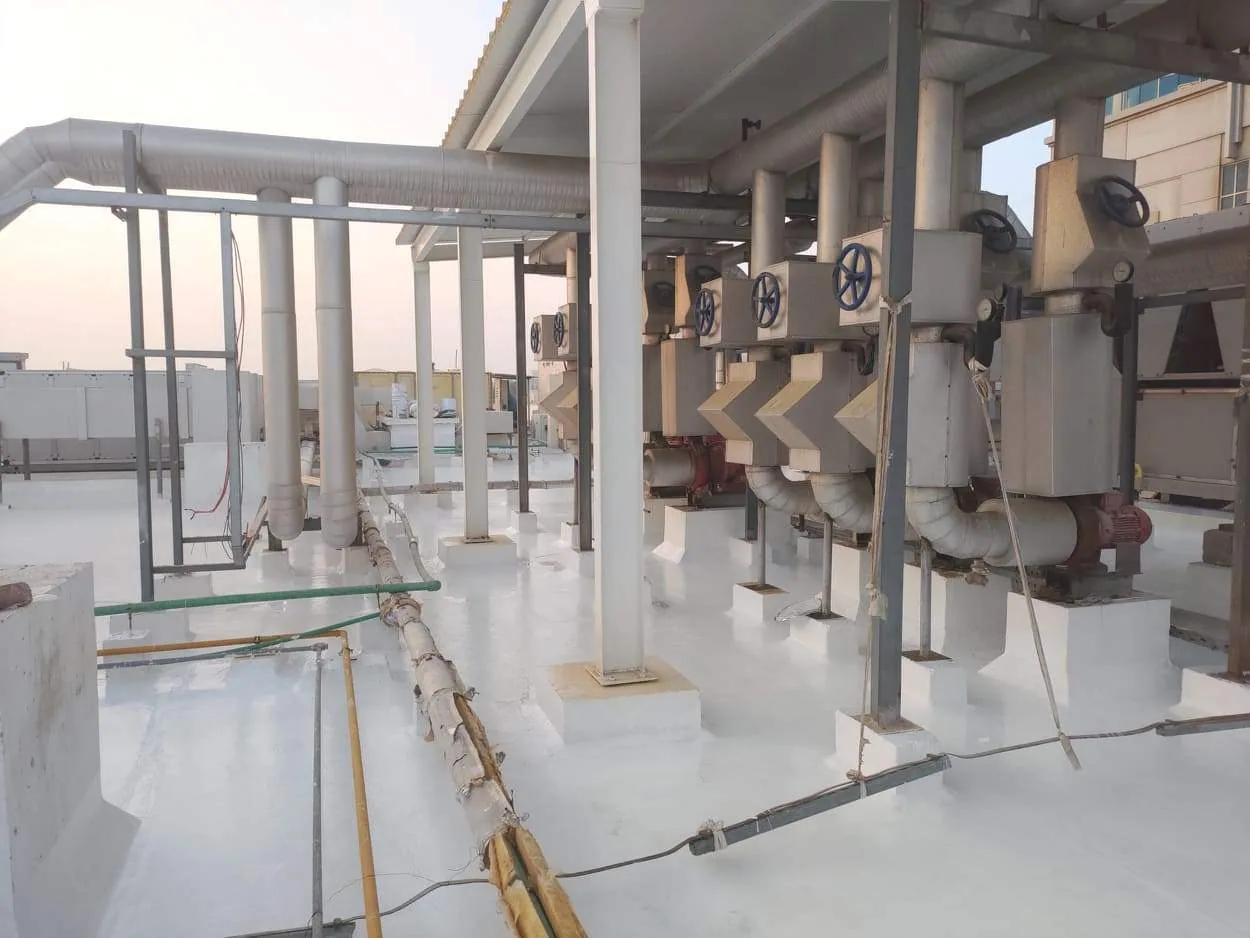
At drains, added layers must not obstruct the bowl or leave a raised ring that traps water. Parapets and equipment curbs need suitable height for the finished assembly. Where a new opening or equipment change is planned, we coordinate it before the membrane closes. Drain and scupper work defines the roofing connection and highlights plumbing scope, while edge metal and coping replacement sets its own substrate and fastening requirements.
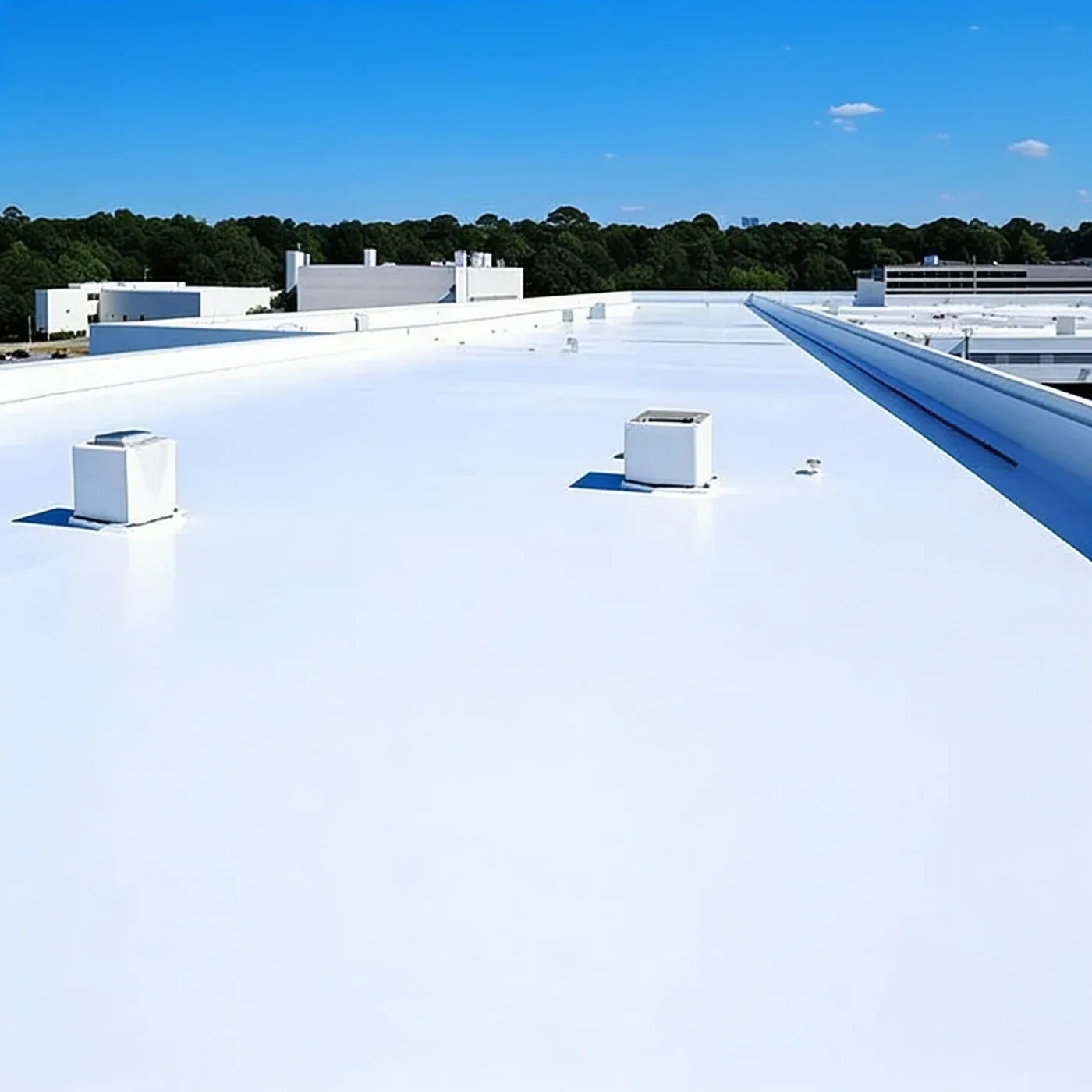
If damage is confined to one area, a repair that follows the existing ply build-up can state the materials, preparation, and closure detail. For a wider area, we compare restoration or replacement using the observed moisture, adhesion, and surface condition. Each alternative names the extent and the detail work included.
Schedule for heat and seasonal rain
Fontana summer forecasts often exceed 100 degrees and can include extreme-heat advisories. Surface heat affects safe access, asphalt handling, and membrane work. We schedule hot-applied work when conditions and site controls allow it, and confirm the roof surface before starting. Material staging and temporary protection are part of that plan, not afterthoughts.
Rain falls mainly in cooler months in this regional climate. A roof section left open between shifts needs a secure temporary edge and a route for water that will not send it into the building. We check drain locations, scuppers, overflows, slope transitions, and any area that has held water. If a low area needs tapered insulation or deck correction, the price and design decision are identified apart from the membrane replacement.
Heat and water also guide maintenance priorities. We record loose surfacing, open laps, debris at outlets, and exposed reinforcement, then mark which conditions call for immediate repair. That record helps operations staff coordinate the next access window and track changes across inspected zones.
Sequence deliveries and sign off
Rolls, asphalt, insulation, and edge materials arrive in different handling streams. In Fontana, industrial areas around the Southwest Industrial Park connect to active freight and storage uses, while the exact receiving layout varies by property. We confirm truck approach, unloading hours, hoist location, staging lane, and where fire equipment must remain reachable. Material quantities are matched to daily roof zones to limit crowding and exposure.
The owner receives a sequence showing the first area to open, any required shutdown or tenant notice, the tie-in for each shift, and the points another trade must finish first. If an unexpected layer or wet area appears, work stops at a safe boundary until the changed removal and replacement quantity is agreed. This keeps an unplanned condition from silently expanding into work that has not been scoped.
At completion, closeout records the installed plies, application method, checked seams and flashings, changed conditions, and exclusions. For properties in the Southwest Industrial Park area, we still base access and sequencing on that building's operating plan. The final record gives the facility team a clear handoff for future inspection and maintenance.
Frequently Asked Questions
Can you install modified bitumen over an existing roof?
A recover is possible only when retained layers are sound enough for the new design. We inspect attachment, moisture, layer count, surface condition, and heights at drains and walls. The proposal identifies whether the existing roof stays, receives a separator or cover board, or must be removed before new plies go down.
When is torch application appropriate?
The application method depends on the selected system, substrate, building details, and fire controls. We review concealed spaces, combustible materials, penetrations, and site rules before specifying open flame. Where that method does not fit, an approved self-adhered or hot-asphalt assembly may be evaluated against the project requirements.
What causes blisters in a modified bitumen roof?
Trapped moisture or air, adhesion loss, or movement between layers can create a raised area. We examine whether it is isolated, whether the sheet remains bonded around it, and whether moisture is present below. The repair or removal limit follows that inspection rather than the blister's visible outline alone.
How does Fontana heat change the work plan?
High roof-surface temperatures affect safe access and the handling of hot materials. We use current conditions to set the day's work window, delivery sequence, and protected roof zone. Any section that opens is given a clear close-in detail so a heat or weather pause does not leave an exposed assembly.