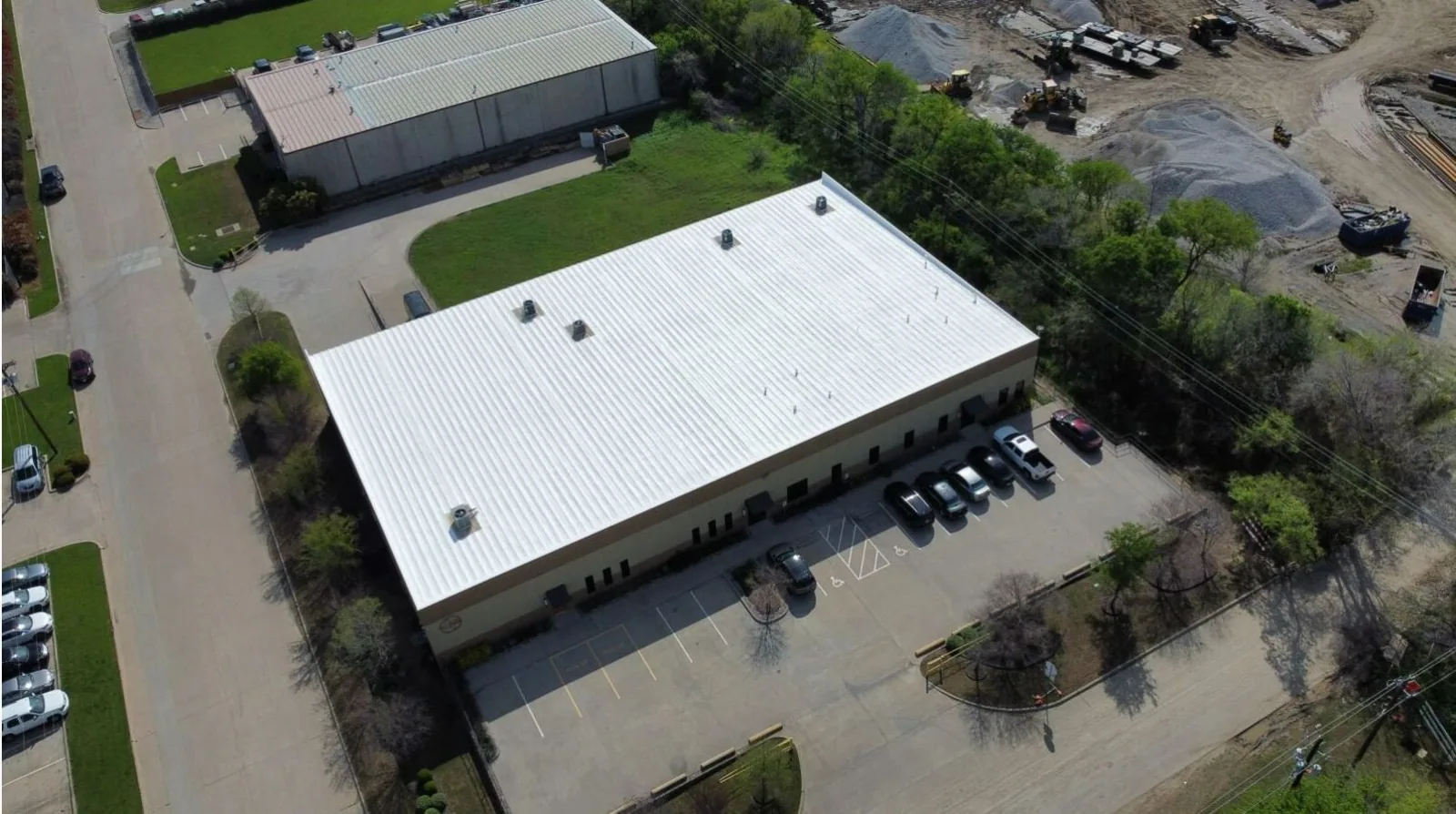
Acrylic Roof Coatings
Review acrylic roof coating repair or renewal in Fontana, CA, with substrate, drainage, surface preparation, application weather, and access in scope.
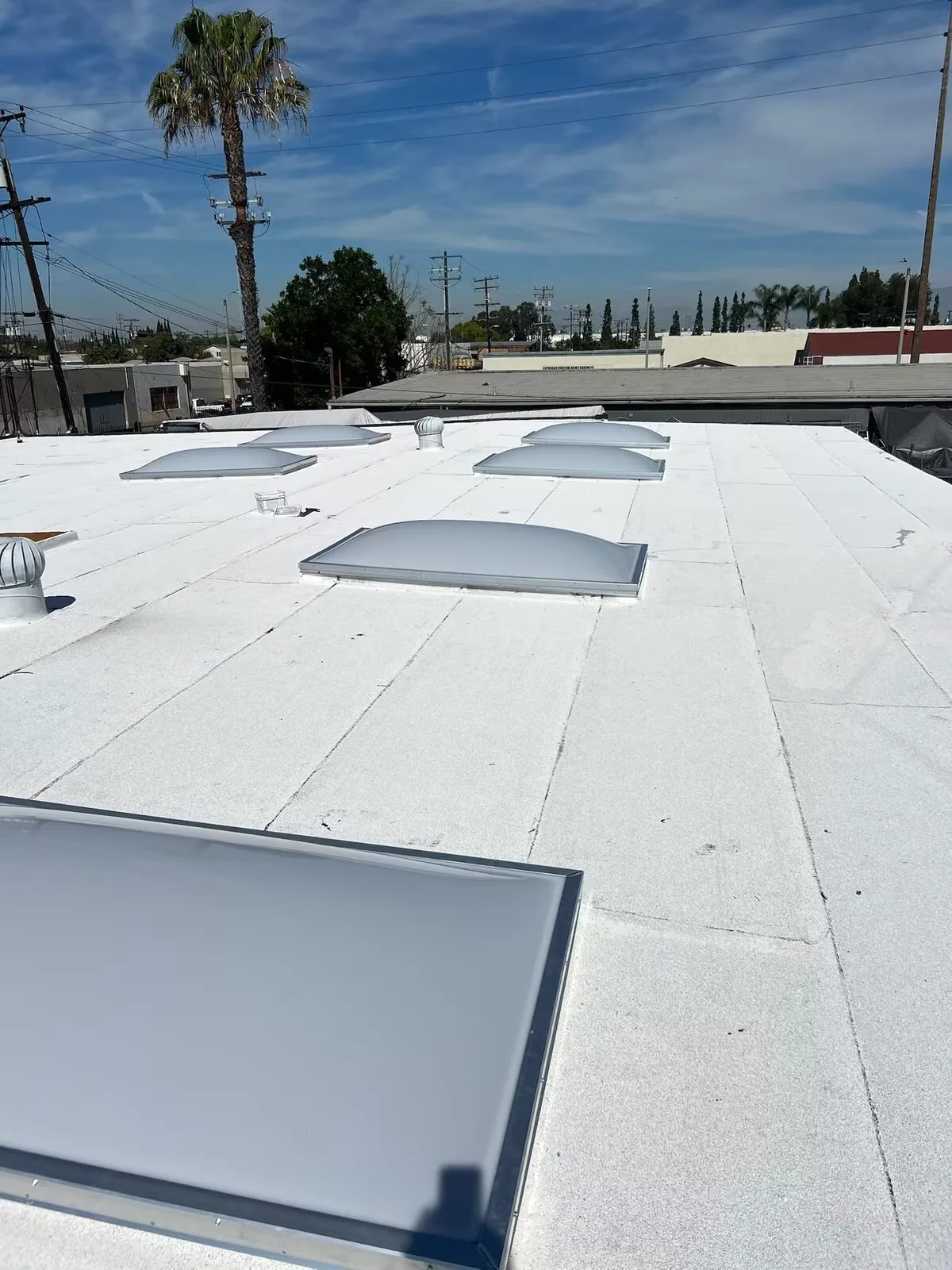
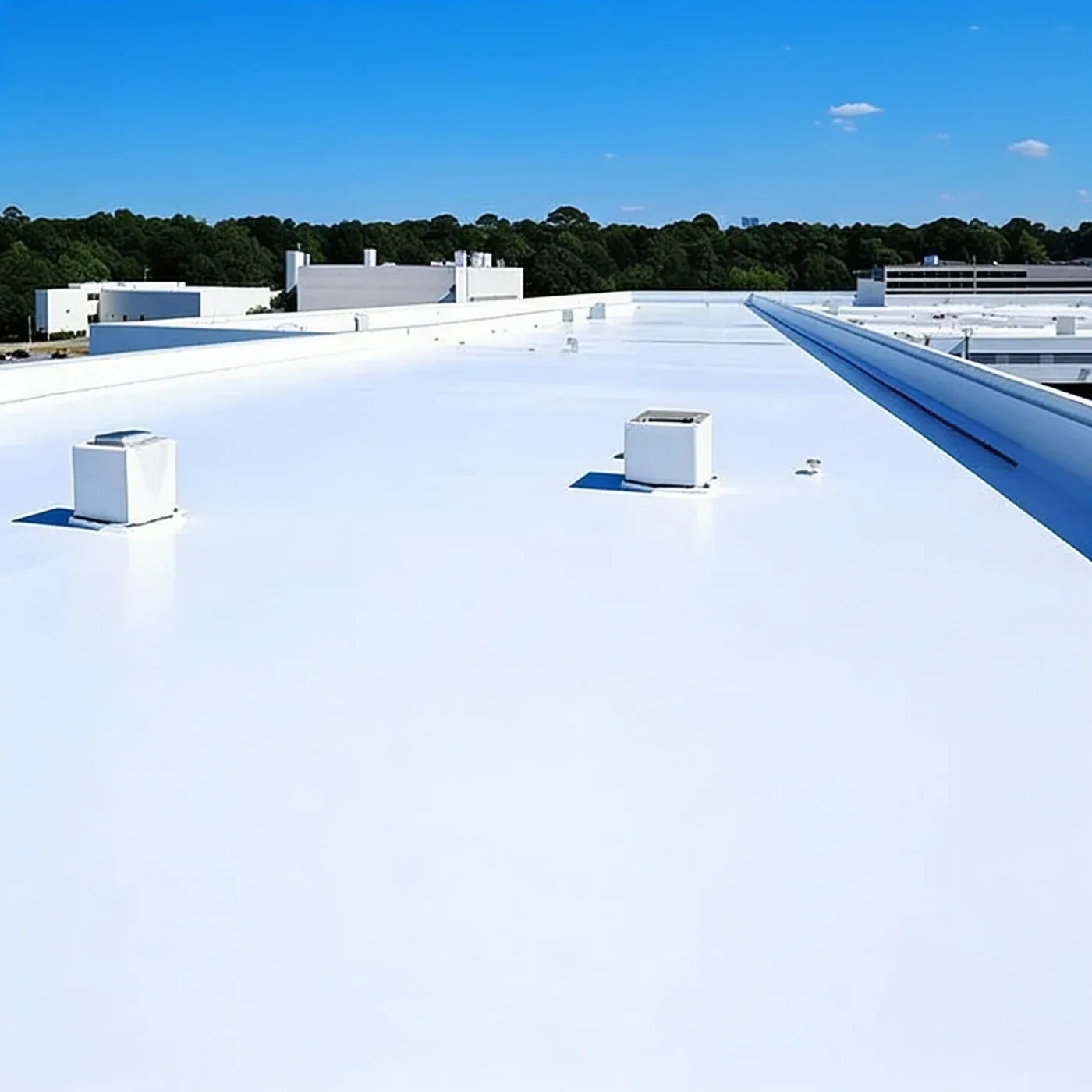
Acrylic coating needs a clean, compatible surface and suitable drainage before it is spread across a roof. We inspect the existing membrane, seams, penetrations, and water path before recommending acrylic work in Fontana, CA. Acrylic is a water-based elastomeric coating used on eligible roof assemblies. The product can reflect sunlight and protect a sound substrate, but it cannot repair a loose membrane, wet insulation, or a drain set below the finished surface.
Fontana's Inland Empire forecast includes summer highs above 100°F; nearby San Bernardino receives most of its rain in cooler months. Local industrial areas such as the Southwest Industrial Park also have active receiving and roof-service requirements. I-10 and I-15 also carry area freight, so delivery windows can intersect with a facility’s receiving schedule. We inspect each property and set the coating method around its surface condition, access limits, and daily operations.
Check the roof before coating
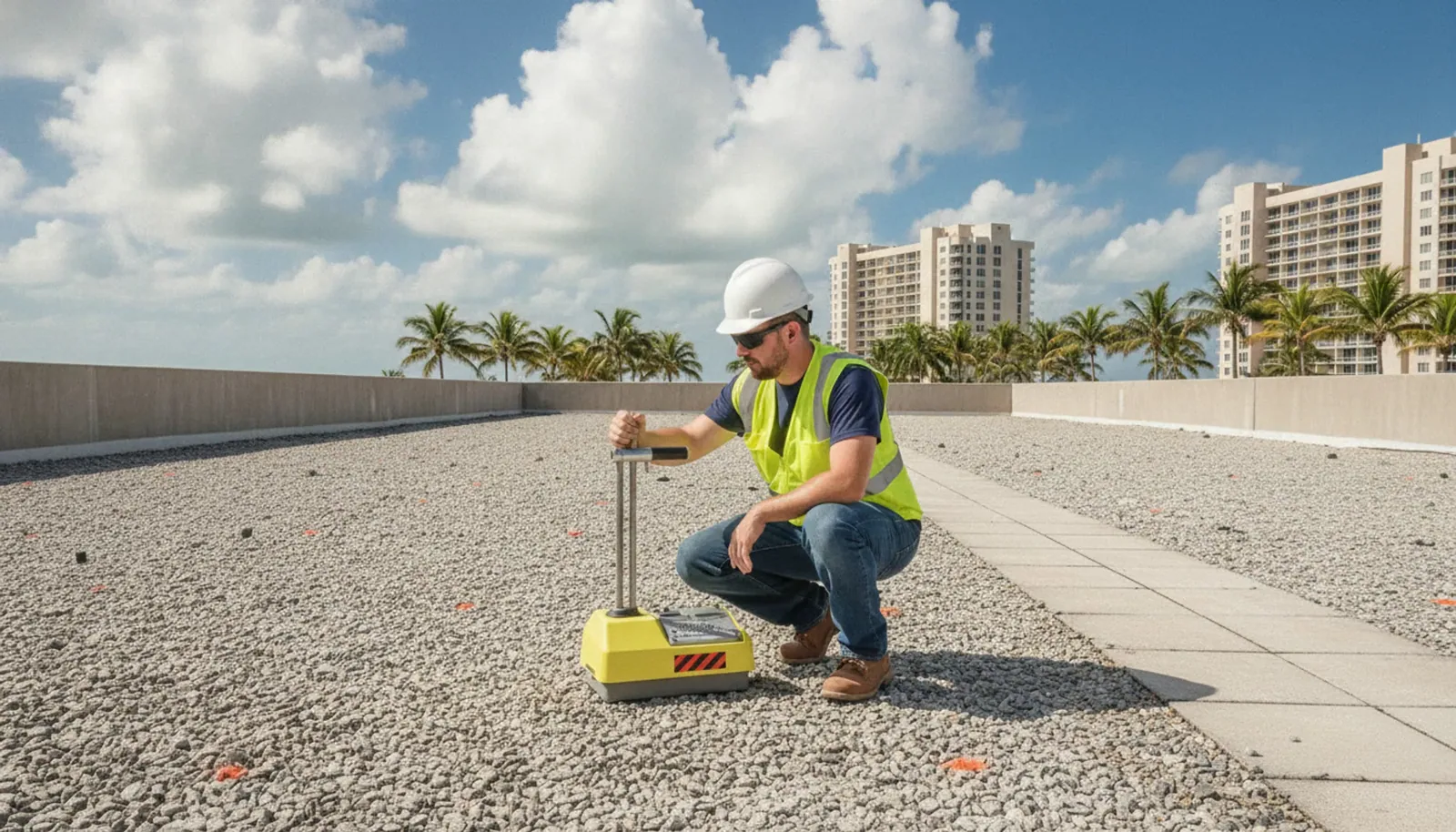
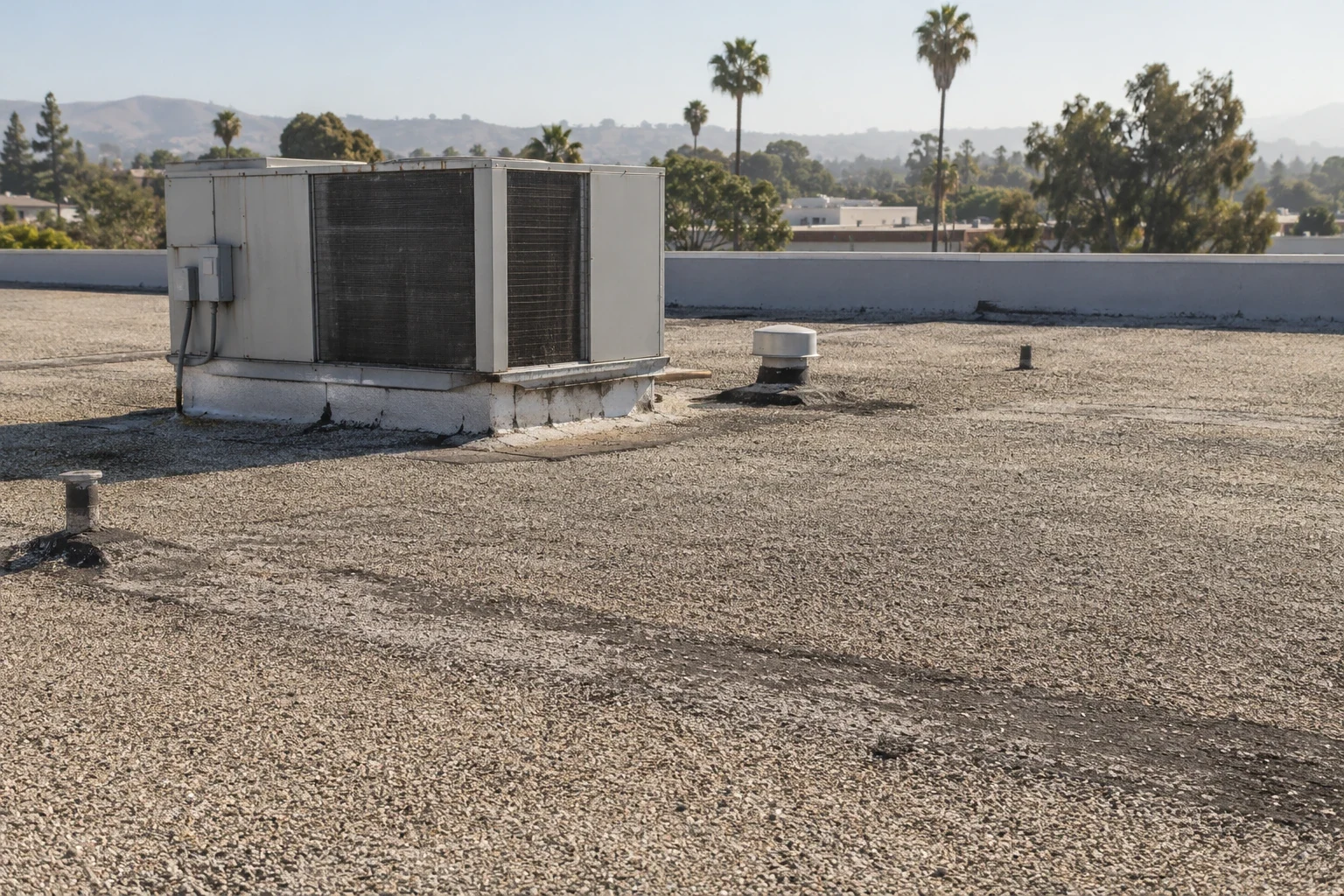
We identify the existing roof material, previous coatings, patch history, and areas of bare or loose surface. Dirt, oils, chalking, trapped moisture, and incompatible coatings can stop a new layer from bonding. Representative adhesion tests help determine whether the surface needs washing, primer, mechanical preparation, selective removal, or a different system. We record failed test locations and do not extend the result to untested roof areas.
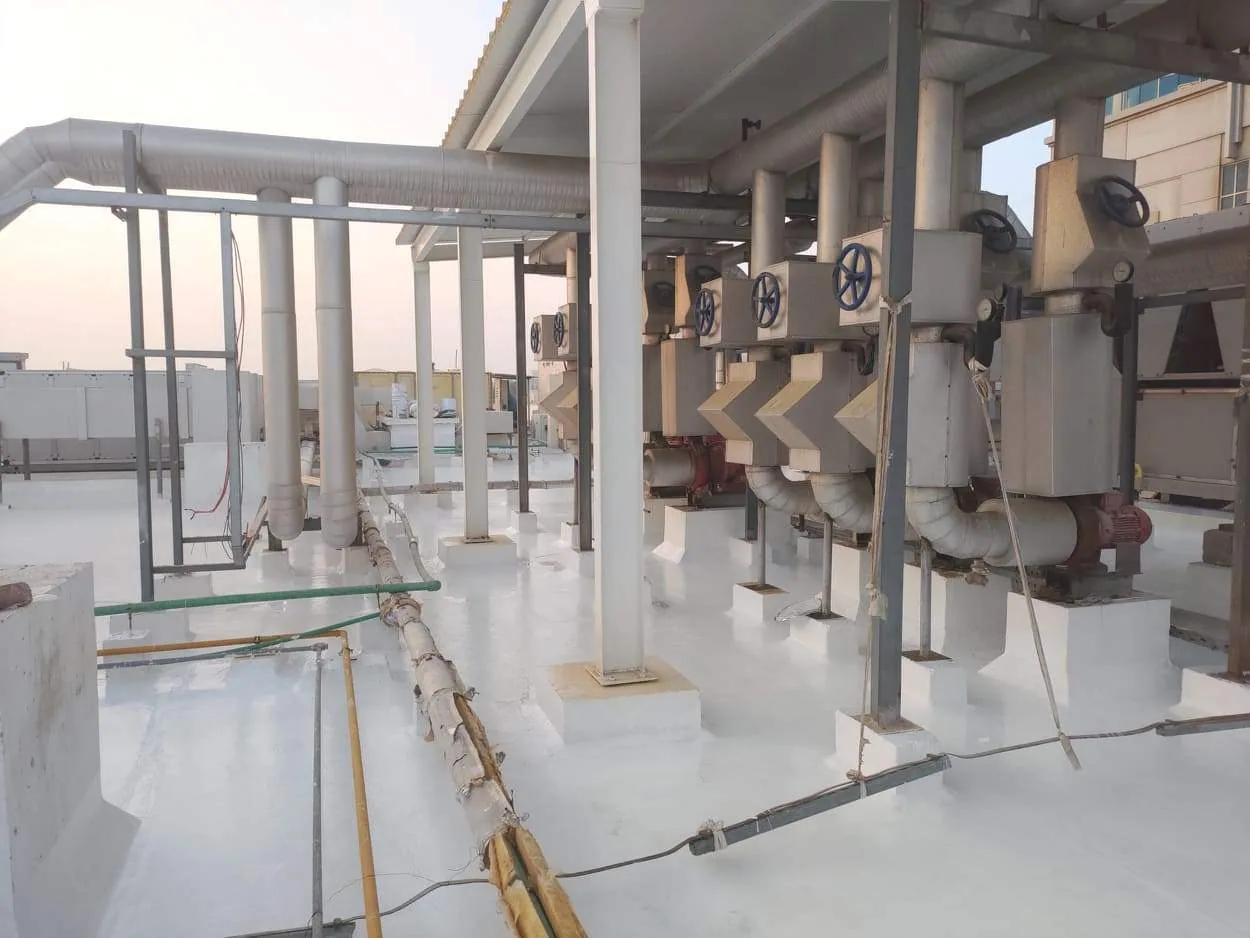
Open seams, blisters, punctures, deteriorated flashing, and loose fasteners need repair before a field coating is applied. At walls, curbs, drains, and penetrations, reinforcement details may use a separate material or additional coats. A roof inspection with photos and marked repair areas identifies those conditions. If moisture below the membrane is a concern, an infrared survey by roof zone can narrow locations for confirmation.
Coating estimates account for the prepared area, surface texture, primer, detail reinforcement, and specified coverage. A roof plan that lists gross building area alone can miss exclusions, equipment pads, and surfaces that cannot accept coating. We measure the areas intended for work and state what is not included so the owner can compare the quantity and preparation scope.
Resolve drainage before renewal
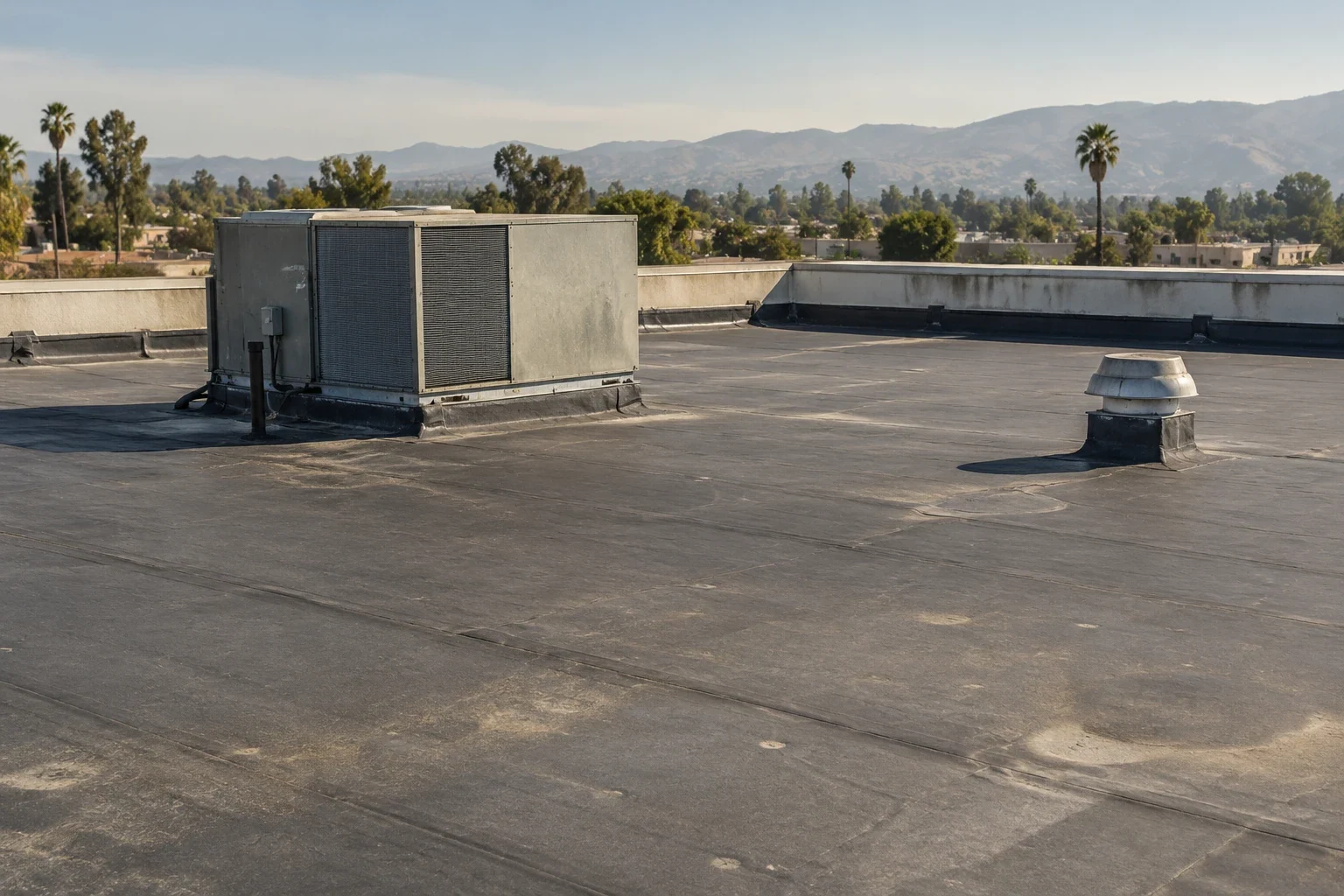
Acrylic coatings form a protective surface but do not change the roof's slope. We locate drains, scuppers, overflow routes, low spots, and transitions to adjoining roofs before choosing a system. If water pools because an outlet is blocked or a section lacks fall, applying more coating leaves the drainage problem in place. The scope distinguishes clearing an outlet from correcting deck or insulation slope.
Coating thickness and reinforcement can affect details at drain flanges and flashing edges. The field needs to connect cleanly to the drain body without reducing the opening or creating a raised ring. Drain and scupper coordination defines the roofing work at those outlets and separates plumbing changes. At a parapet, curb, or edge, we check the height of existing flashing and the condition of the backing before the new layer turns up.
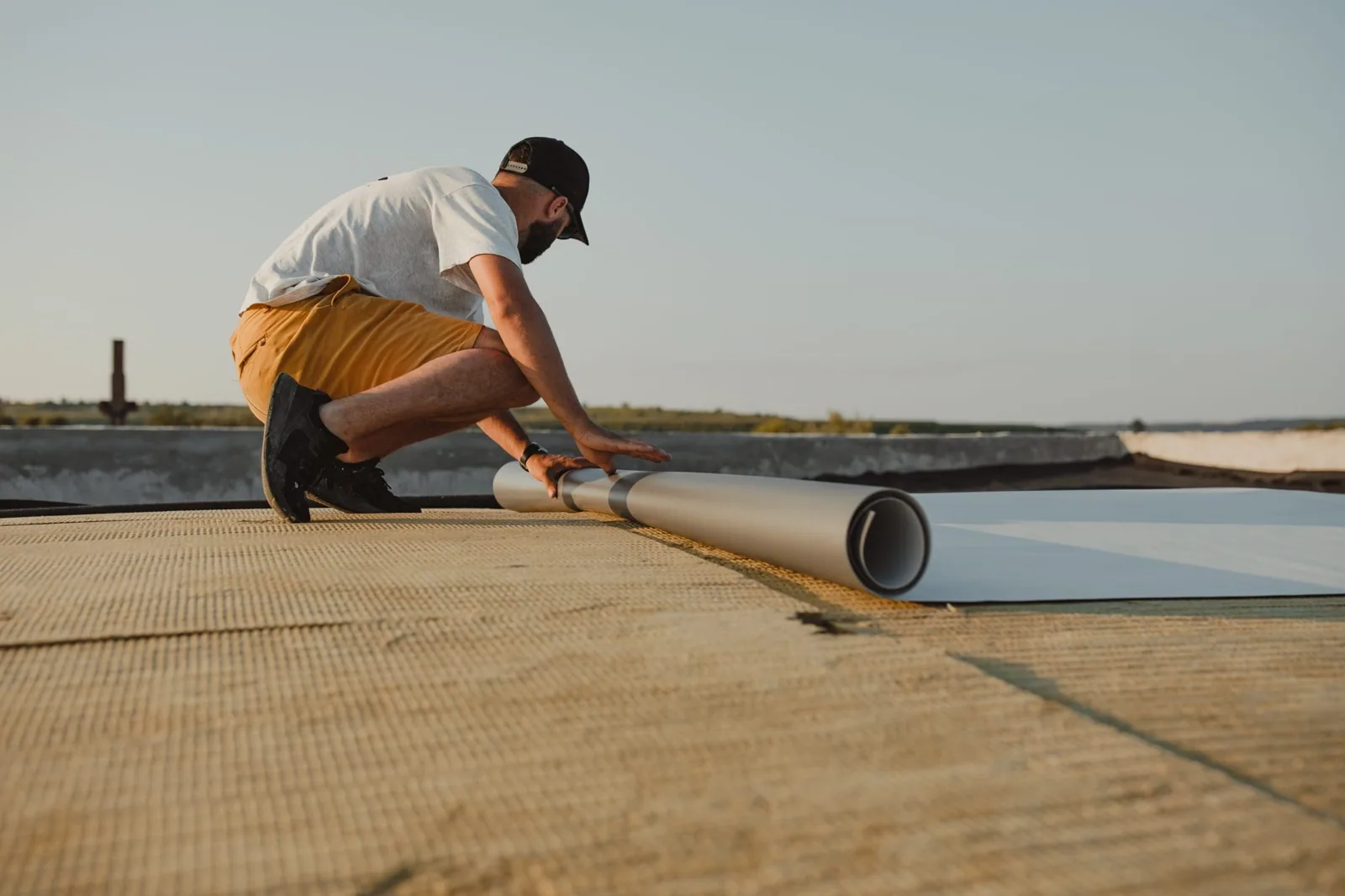
For a local split or failed lap, a membrane repair before recoating restores the underlying detail and states its tie-in. Widespread separation, saturated insulation, or unstable attachment may require removal. An acrylic layer is not a substitute for a sound membrane and dry assembly.
Compare coating and roof options
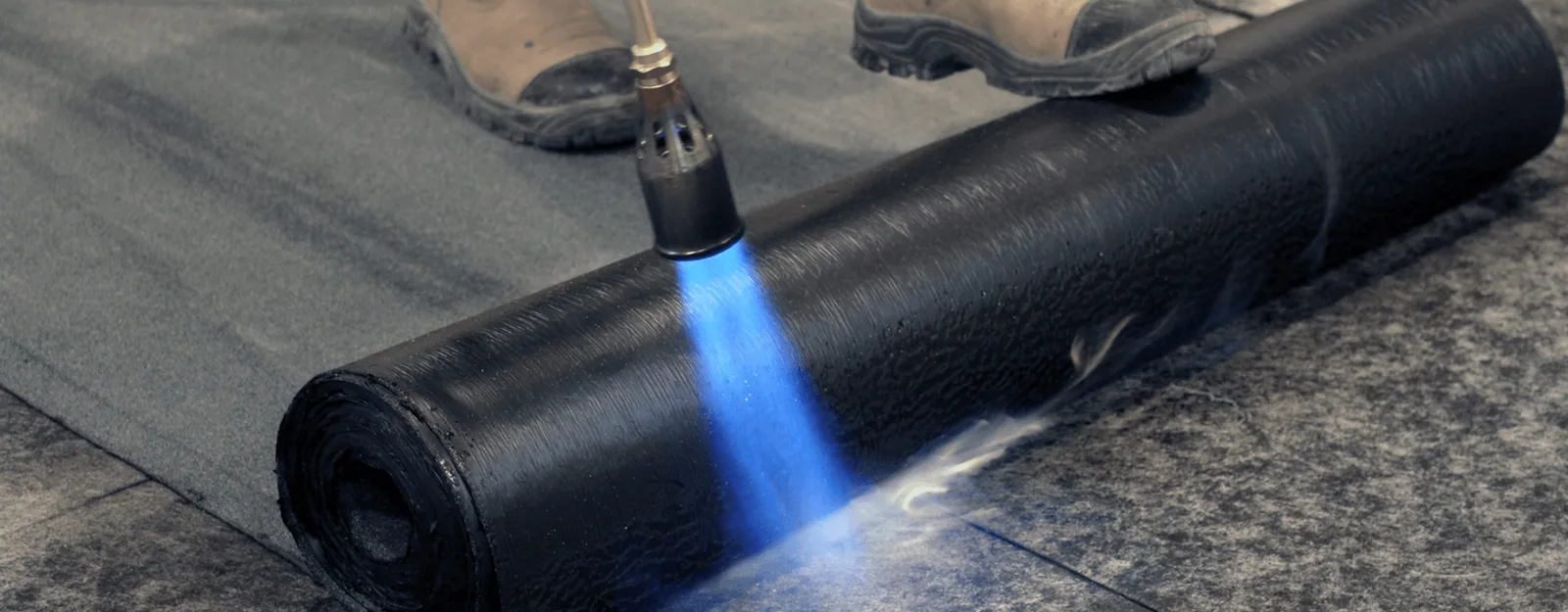
Acrylic coatings are often evaluated where water can drain from the surface and where a water-based product suits the existing substrate. Product selection still depends on exposure, adhesion, roof slope, and the manufacturer's limitations. The proposal names the primer and coating system, required surface preparation, reinforcement locations, and specified application rate. We do not use a generic coating label to describe an assembly whose compatibility has not been checked.
Where extended ponding or another exposure matters, a silicone coating system may have different product characteristics. If the roof requires new insulation or a continuous foam layer, a spray polyurethane foam roof is a separate assembly with its own substrate and protective-coating needs. We compare options against observed roof conditions, desired service, and drainage rather than treating coating types as interchangeable.
A coating is suitable only if the existing assembly can support it. If broad areas are wet, delaminated, or no longer stable, removal to sound material may be necessary. A restoration assessment with defined preparation limits records where coating remains an option and where other work is needed first.
Choose a workable application window
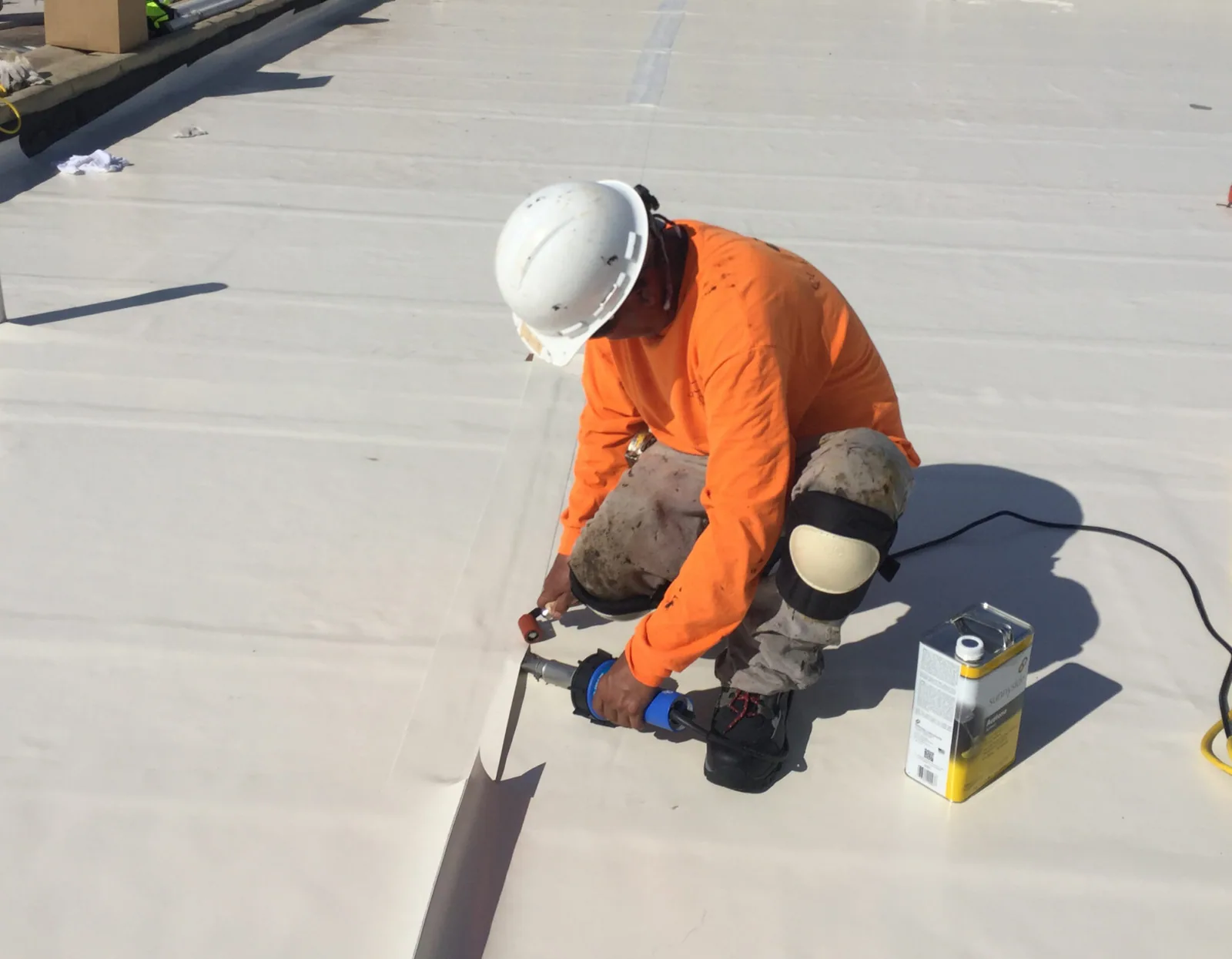
Water-based acrylic needs adequate drying conditions between coats. Rain, dew, high humidity, or a damp substrate can interfere with cure. We confirm the surface is ready, review the forecast, and set the day's application limit so each completed area can dry within the product's conditions. The crew does not leave a roof edge exposed if weather interrupts the sequence.
Fontana summer forecasts often exceed 100 degrees and sometimes include extreme-heat advisories. A hot roof can shorten the workable time of a coating and affect crew access. We stage only the materials needed for that phase, follow product limits for storage and application, and observe the specified cure before opening the area to foot traffic. Cooler-season rain requires a protected close-in and dry substrate before coating resumes.
Wind and overspray can affect adjacent vehicles, equipment, air intakes, and walkways. We review the property perimeter, set masking or exclusion zones, and adjust the schedule if conditions prevent reliable application. The owner confirms access and any ventilation or production concerns before coating starts. Each roof section gets a clear handoff when it is safe for service personnel to return.
Keep later work off the new surface
After application, later trades can puncture, cut, or contaminate the coating. We identify walk paths, ladder landings, equipment access, and service zones before closeout. A planned unit replacement or conduit run needs compatible flashing and repair materials. Coordination before that work begins avoids an unsealed cut being left for another visit.
In Fontana's Southwest Industrial Park and Jurupa Industrial Park, warehouses and trucking properties may have continuous delivery and maintenance activity. The broader corridor context helps us ask about truck routes, hoisting space, and roof access, but the facility's own schedule controls. For work in the Southwest Industrial Park area, we agree on the staging lane and operating window with the site contact before material arrives.
Closeout records the preparation completed, product layers, reinforced details, test areas, and portions excluded from coating. A later maintenance inspection can revisit seams, penetrations, and drainage after seasonal weather and rooftop service. The record helps a facility manager plan repairs while the condition remains localized.
Frequently Asked Questions
Can an acrylic coating be applied over any commercial roof?
No. The substrate must be compatible, clean, dry, and stable enough to hold the selected product. We check the existing roof layers, coating history, adhesion, moisture, and details first. If the membrane or insulation has failed, repair or removal is required before a coating is considered.
How does acrylic coating perform where water ponds?
The roof still needs a suitable drainage path. We map persistent low areas and check whether outlets, slope, or height transitions are responsible. Coating may protect a compatible surface, but the proposal separately identifies a drainage correction or states that the ponding condition remains outside the coating work.
Can the building stay open during acrylic roof coating?
Work can often be phased, but access, odors, air intakes, overspray protection, and the cure window need coordination. We set zones and hours with the facility, identify where equipment or pedestrian routes change, and reopen each area only after the specified product conditions are met.
When is acrylic recoating scheduled in Fontana?
The window depends on dry-surface conditions, rain risk, temperature, wind, and time between coats. We check the roof and near-term forecast before application and define how the phase closes if weather changes. Fontana summer heat can limit working hours even in a dry season.