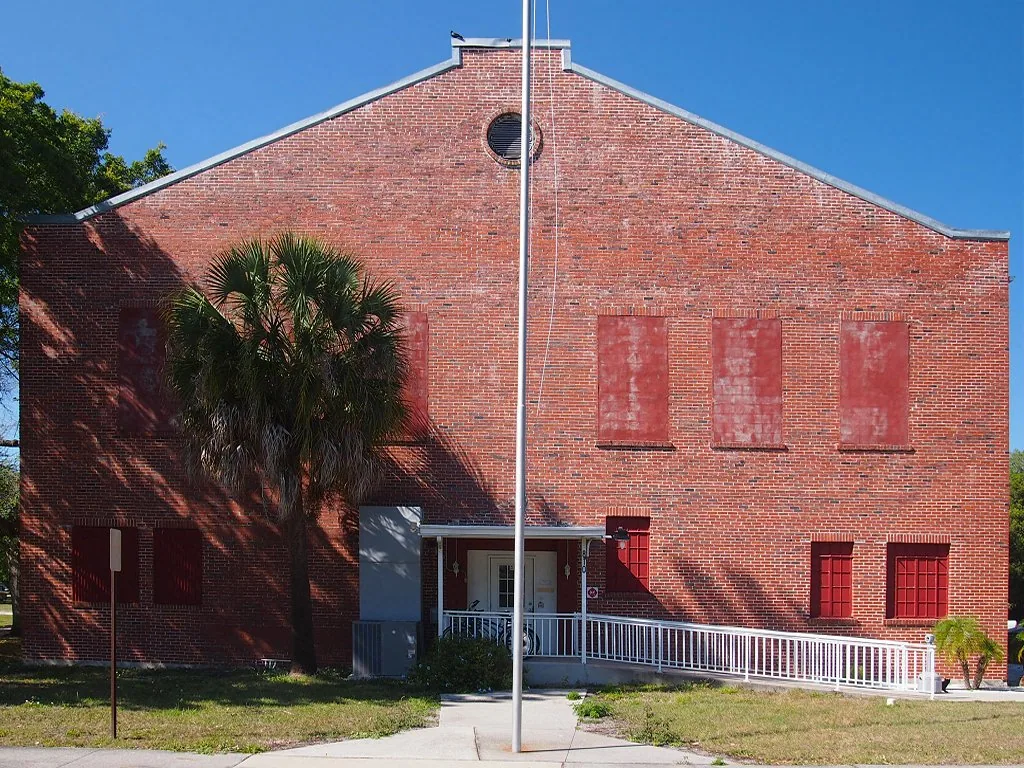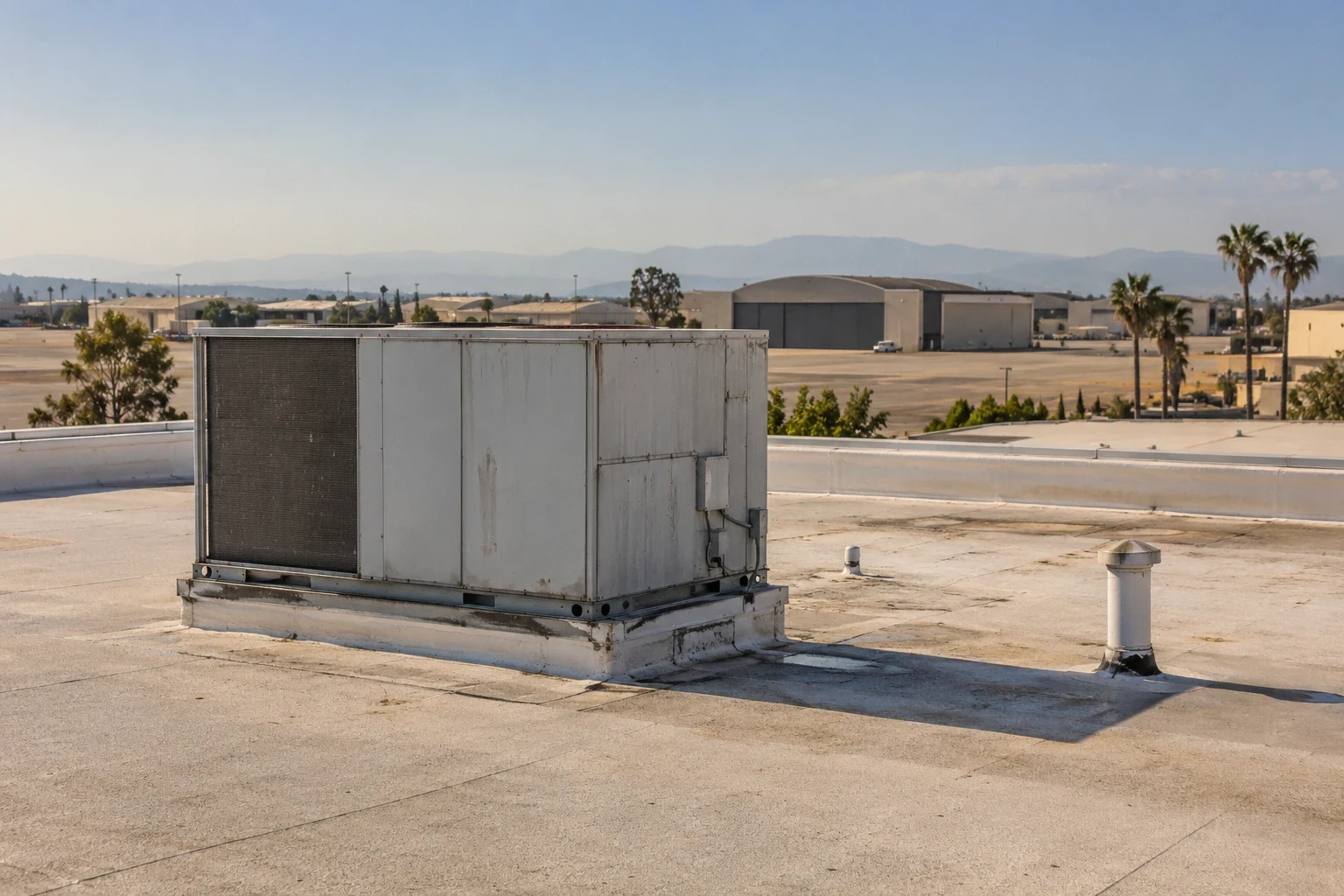
Naval Facility Roofing
Naval facility roofing near Fontana, CA: the right installation contacts, base access and handling rules, real roof findings and complete repair or reroof scopes.
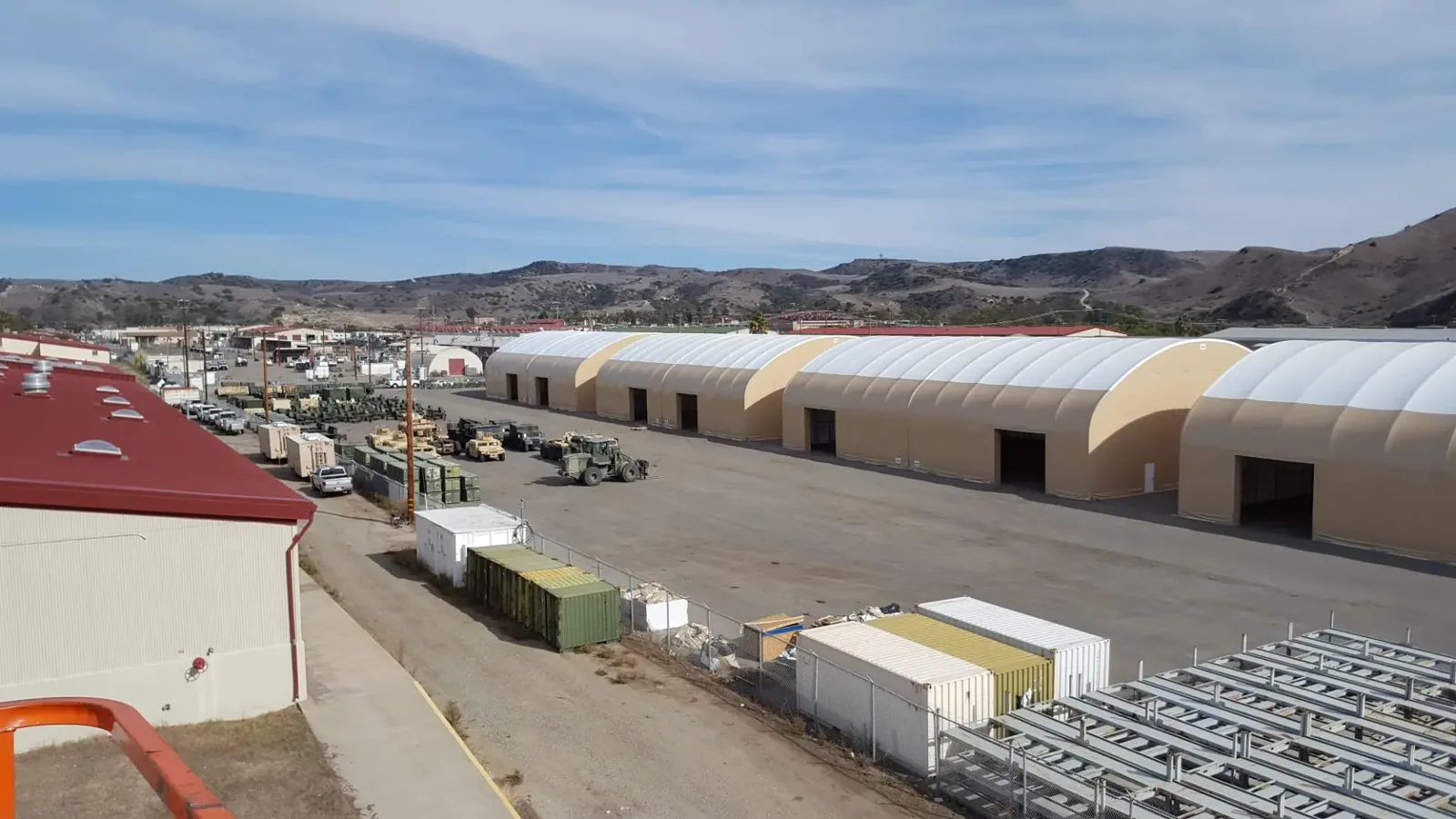
Before planning a delivery to a naval support property, we need to know which facility office and which material-handling contact are responsible, because different parts of the base can have different release rules. For a naval facility near Fontana, our scope ties the roof correction to the installation's access rules, operating schedule, and approved work area. The proposal identifies the materials, trade coordination, and weather-tight closeout for each phase.
Naval Weapons Station Seal Beach supports weapons storage, loading, maintenance, and assessment, with administrative and storage facilities. Detachment Norco is a separate installation location associated with the station. A project at either location follows the roof assembly, access protocol, and operating requirements for the specific facility.
Identify the naval property and controlling participant
The request names the building and roof areas, along with the organization responsible for entry, construction approval and final acceptance when those are handled by different offices. The project contact identifies who controls roof entry, construction approval, and final acceptance. We confirm access and equipment requirements before a site visit or material order depends on someone else's approval.
Naval project and access coordination sets up badging, escorts or handling rules where the job requires them, plus the approved way to photograph and share roof findings. An earlier visit does not automatically cover a larger work area. The project team identifies the UFC roofing criteria and installation requirements, and structural, fire and fastening decisions get qualified review before the roof system is approved for ordering.
Confirm the actual work below the roof
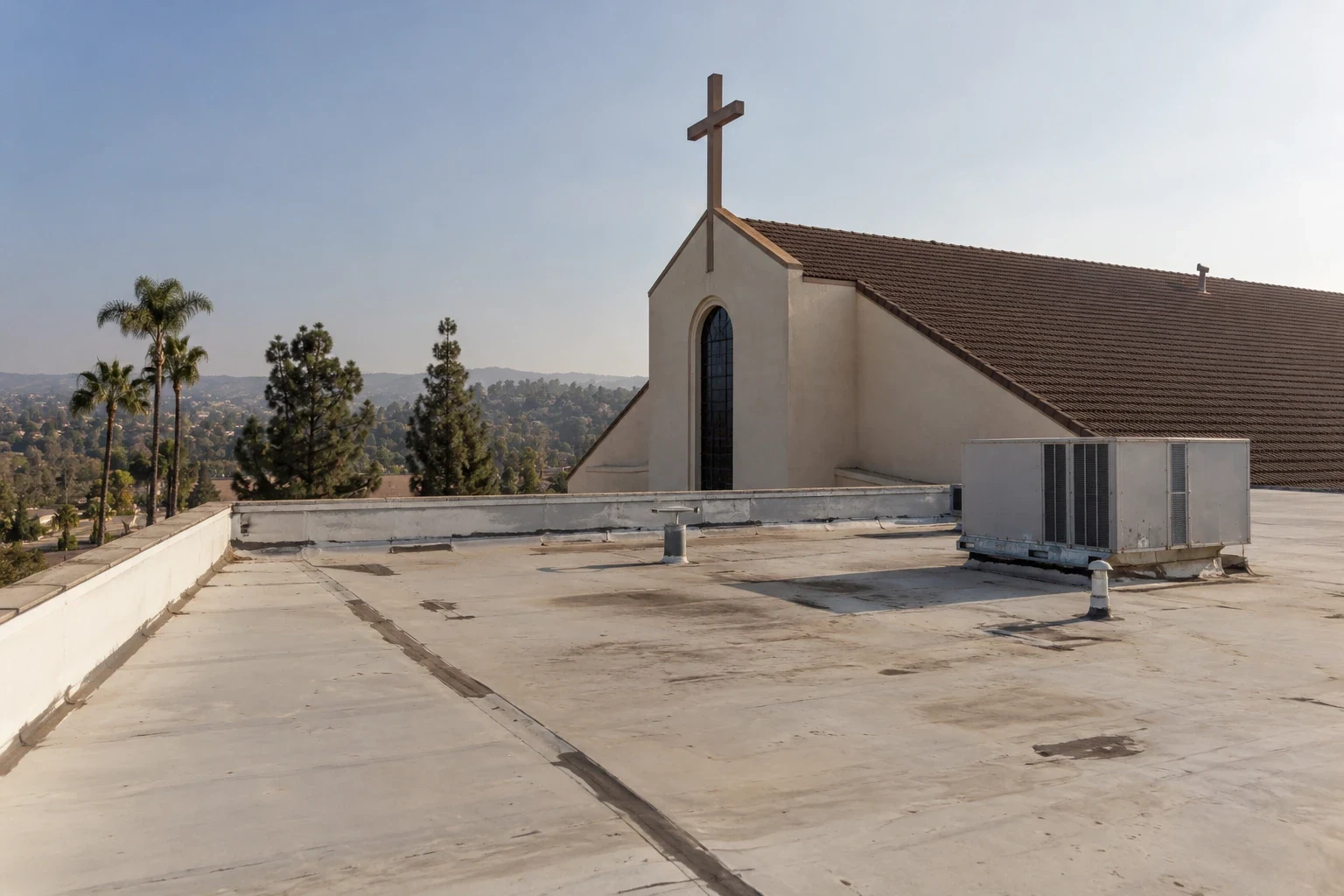
Storage, maintenance and office buildings can each have different service and delivery rules, and the facility contact tells us which apply to this job. We compare the facility's operating schedule with material delivery, waste removal, and equipment handling. Where access windows or security controls require separate trips, the construction sequence and price include that work.
Phasing work at an active naval facility plans interior protection and a permanent stopping point sized to the crew and the prep that is ready. Mechanical and electrical teams keep control of building systems with the facility. Roofing keeps working air intakes clear under the agreed plan, and any HVAC shutdown has its own approved window and restart owner, separate from roof access and any structural sign-off needed to move equipment.
Compare the installed layers with useful records
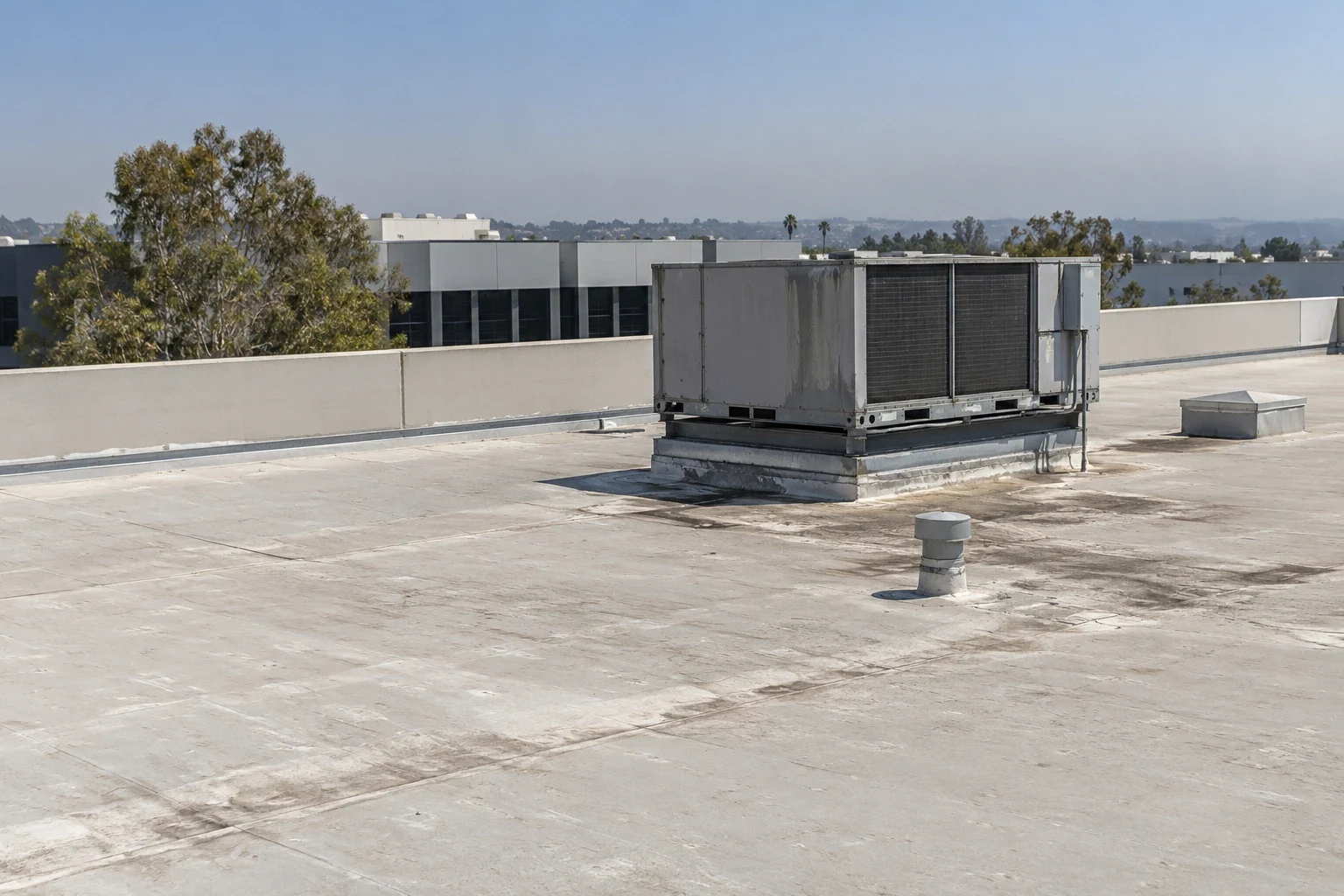
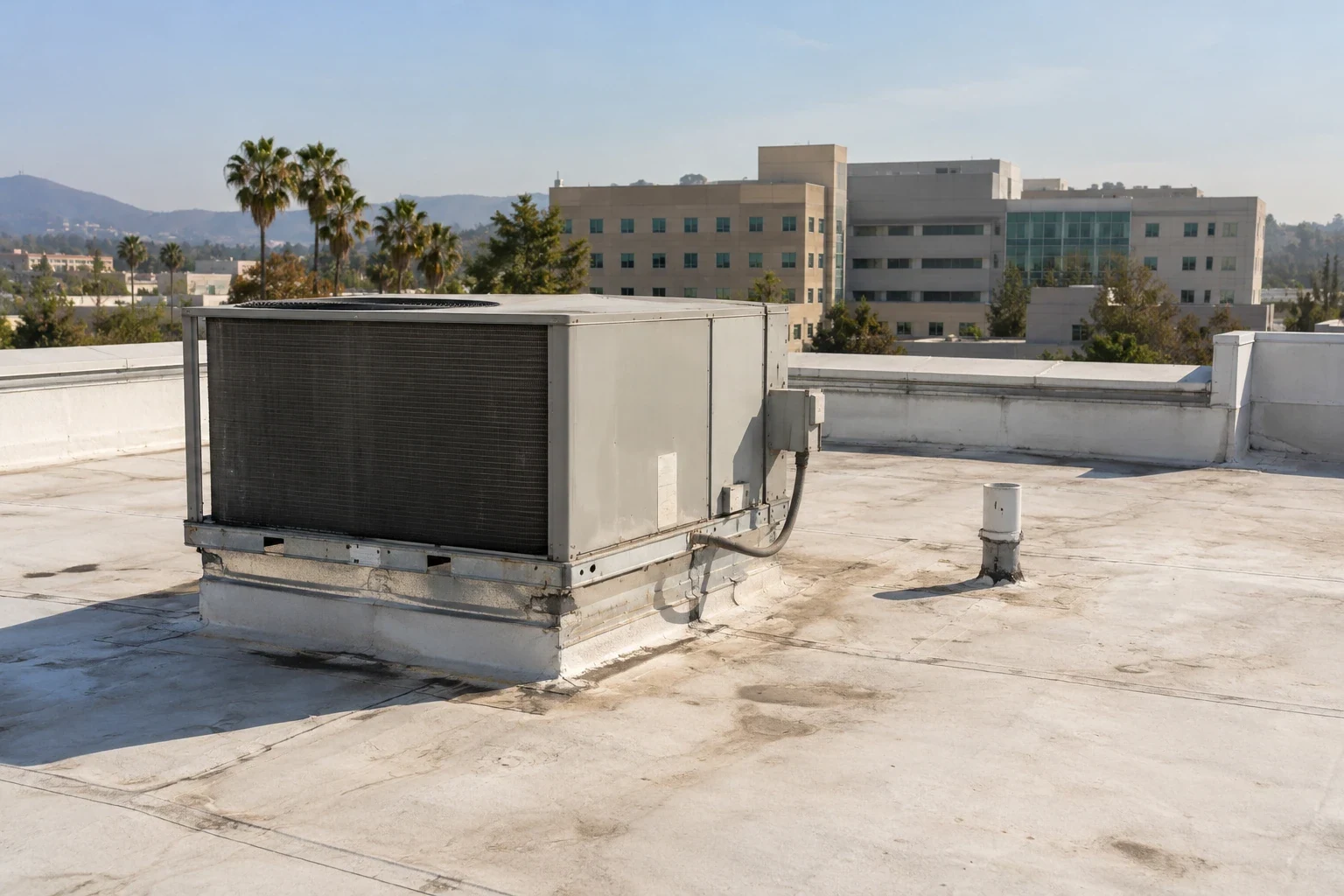
A naval facility roof inspection compares drawings and installation records with the membrane, old coatings and equipment flashings we can reach, and notes additions or repaired areas where prep will differ. Photos include location references and follow the facility's handling rules, and restricted areas are listed before a larger option depends on them. We measure the roof area and identify its installed materials during the site review.
A permanent repair needs compatible components and sound roofing around it, which may mean cleaning, cutting out bad material or rebuilding locally so the repair ties in properly. The price explains that prep rather than just a bigger patch. Wall or curb flashing above the roof is listed separately when field work cannot finish it, so the project contact sees exactly which roof work is covered and what still needs another trade.
Separate occurrence information from construction conclusions
The leak report records when it happened, the roof or room location and what building systems were doing, and we keep that separate from later roof findings. We compare it with the roof and walls we can reach, because water can travel through the roof layers before it shows up below. A local defect can need repair while another source is still open. The recommendation names the actual repair and who should check the other question, instead of blaming the nearest opening for every drip.
Any water test is chosen for the decision it needs to support, with permission, protection and test locations arranged before it could affect the facility. We do not just flood the roof or plug a drain. An approved test cut records the layers at its spot and is patched the same day, while keeping or removing a larger area needs enough evidence for that area and a structural or fastening review where the system needs it.
Price complete tasks rather than the visible surface alone
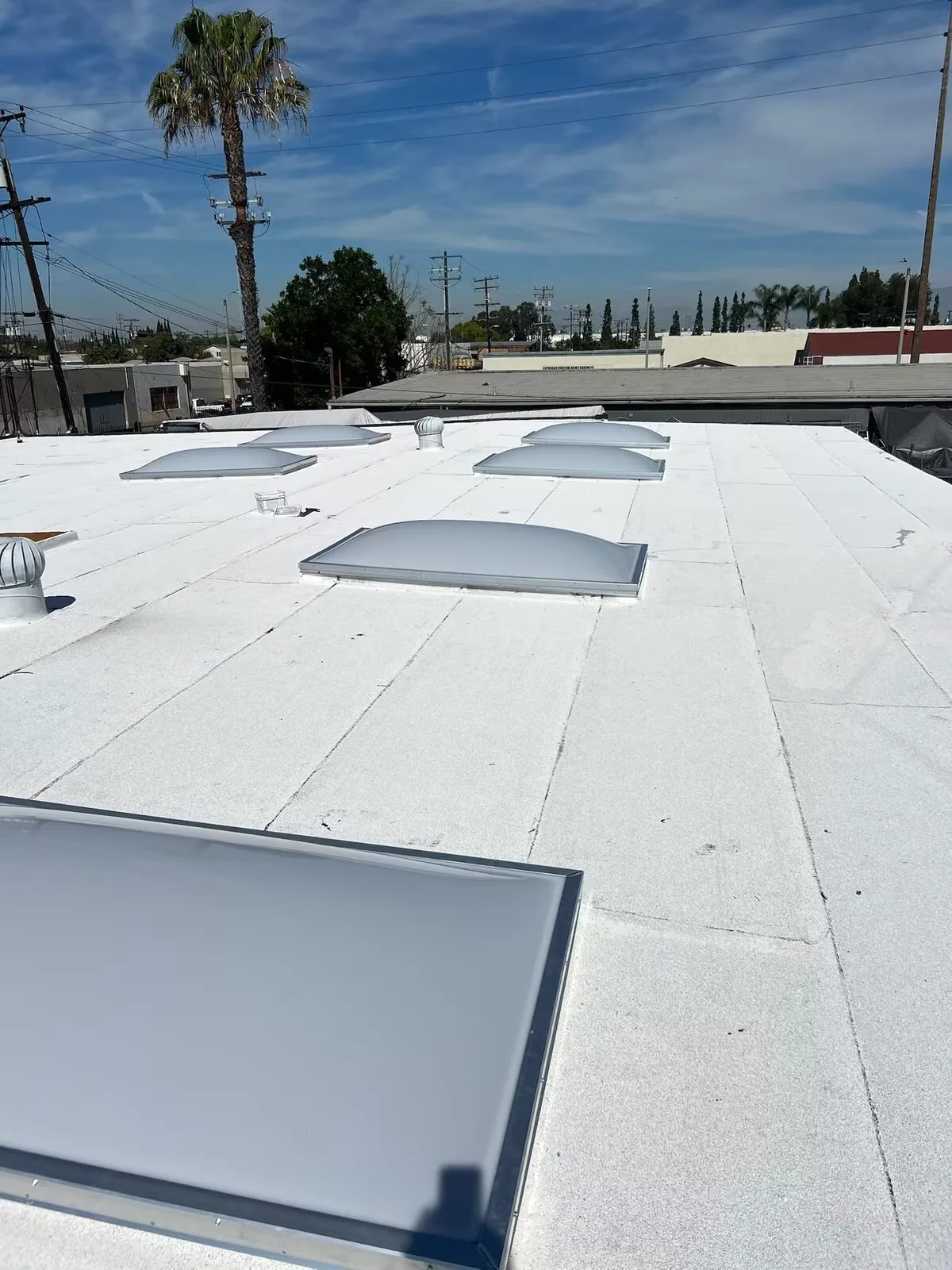
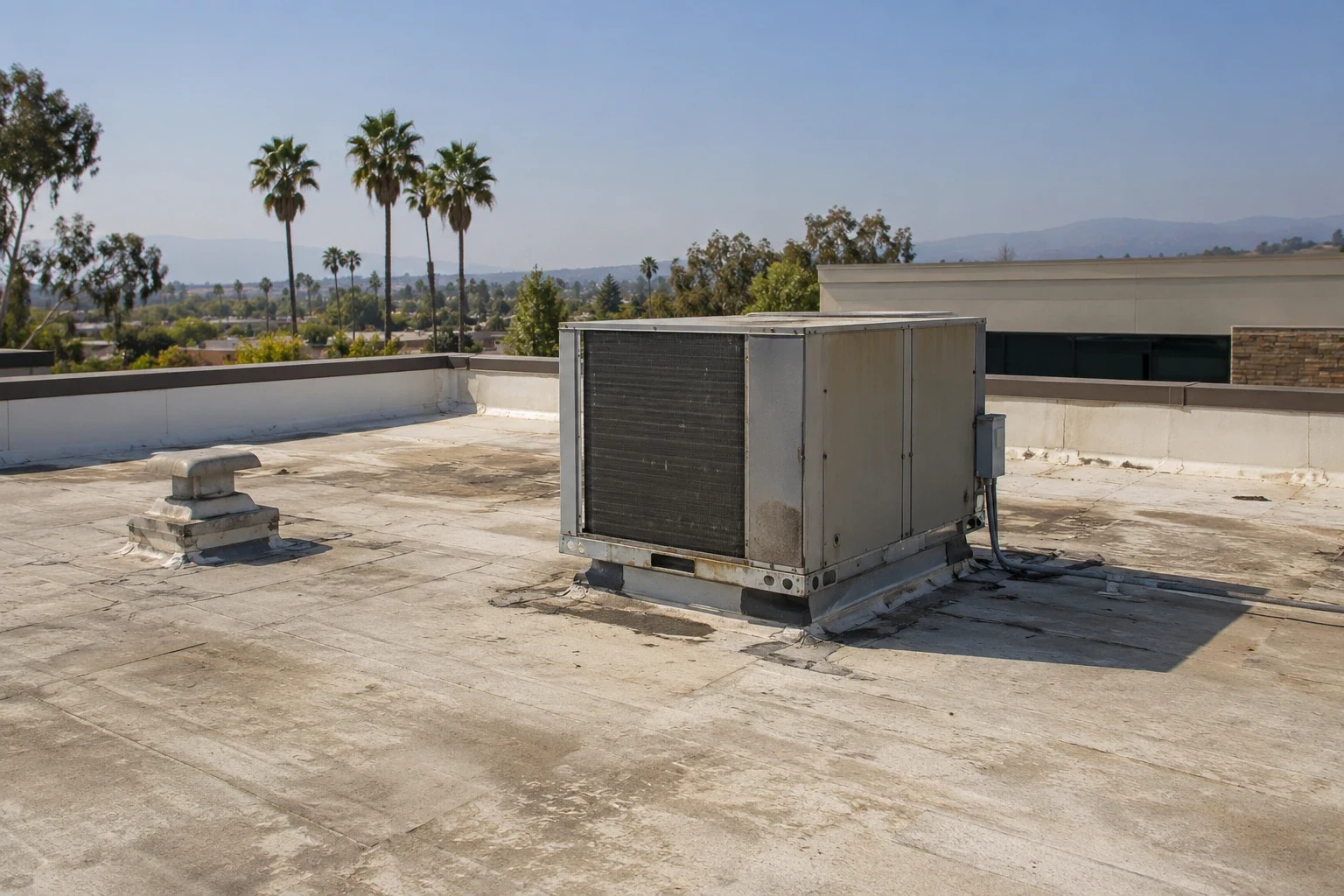
We spell out the permanent flashing and prep included in a spot repair, and review any coating against the actual roof surface and that product's instructions. A replacement or recover involves different tear-off decisions, with structural work and final details measured for that option. The project contact compares complete jobs with handling and interior protection included, instead of choosing based on age or patch count or assuming a field-only price covers the same prep work.
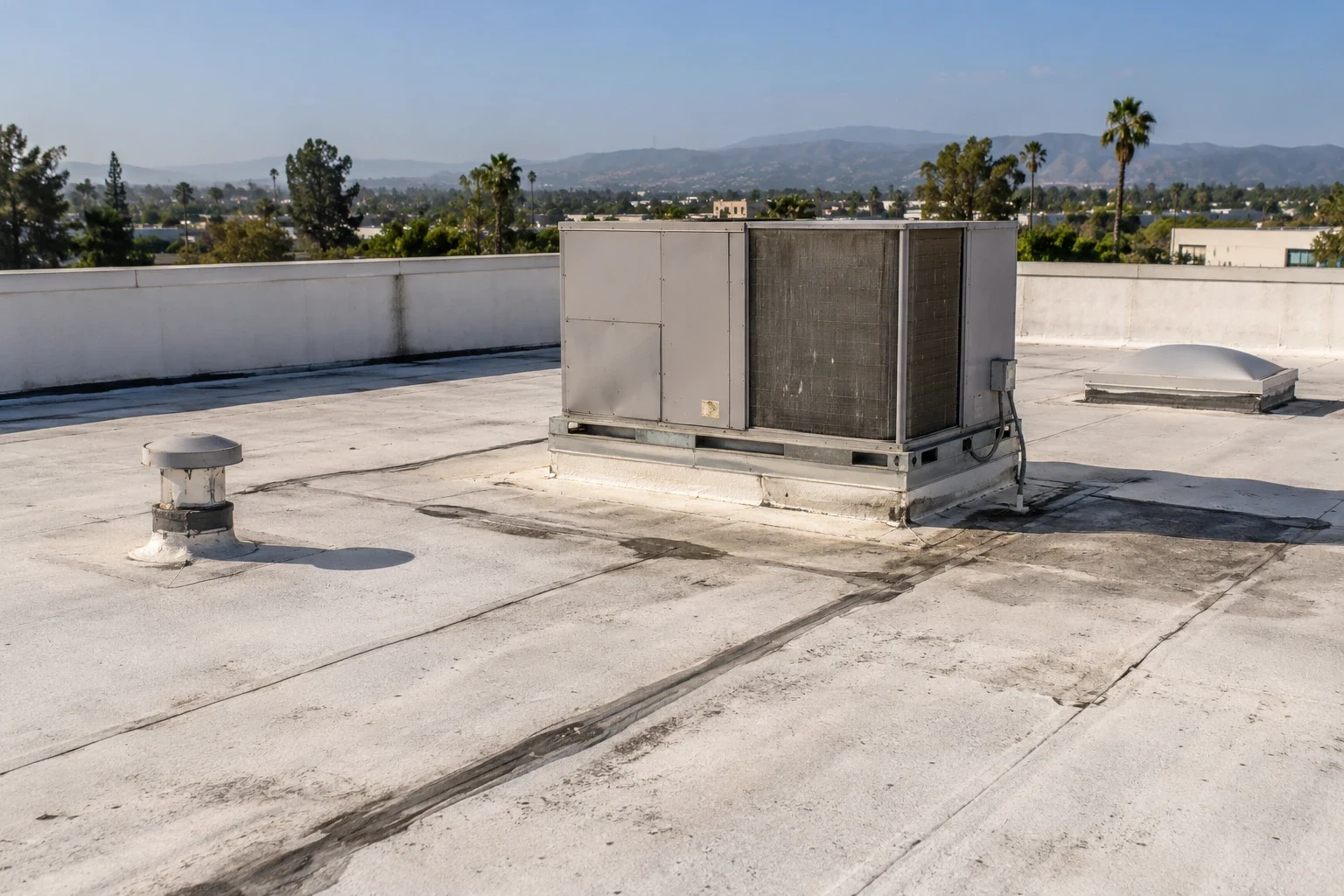
A military storage building roof may need different handling, and an armory answers to its own organization. Those comparisons help frame questions without moving a roof method or an access permission from one facility to another. Replacing a unit can leave a new curb to flash and an old opening to close, and both are assigned before the unit is set and limits roofing access.
Keep detachment and city assignments distinct
Naval Weapons Station Seal Beach Detachment Norco is a separate installation location. A roofing request there follows the facility's current project contact, access instructions, and handling requirements before any materials are delivered.
A related Jurupa Valley roof project has its own property and approval process, and nearby I-15, SR-60 and rail access is freight context, not permission to use a naval delivery route. Fontana-area summer heat makes it worth checking roof and product conditions each day. If an equipment or service task is delayed, the work plan changes and any unfinished area stays protected, instead of a delivery date being treated as if the missing prep were done.
Retain the installed connection and further acceptance
We check the planned roof height against curbs and drains while there is still time to adjust them. The trade that will make room for flashing is assigned before field material is released. Drainage work separates clearing a drain from repairing a damaged one or changing roof slope, which needs measurements and review. Permits and assembly or energy requirements apply to this project, and any structural or piping work left out of the roofing scope stays with its own trade.
An infrared survey is judged for this roof and the timing of the scan, including how finishes and equipment affect readings, before findings are confirmed with cores. If approved work uncovers another problem, its location and measured repair come back for approval with the cost and protection for the open area. We keep prep photos and final details with the installed components and approved changes. The record states what was inspected and keeps equipment sign-off and care or warranty information available for later work.
Frequently Asked Questions
Does the main station tell you the contact for every detachment roof?
No. We confirm the building and the organization that controls it for each request. Entry, contracting and construction acceptance may involve different people, and we sort that out before a phase depends on them.
Does a naval storage mission tell you what the roof is made of?
No. We review the installed layers and the roof area in the project. The work sequence and materials follow those field conditions and facility requirements.
What should an occupied naval roof phase include?
Confirmed operating rules, material and debris routes, interior protection and a permanent stopping point. A reserved time slot does not automatically approve every delivery or shutdown.
Can one core justify a recover?
No. A core shows one spot, so the proposed area needs enough testing. Structural and fastening decisions stay with qualified professionals beyond the roofing sample.
What should the facility keep after the flashing is finished?
Located products, approved changes and seam checks along with care terms. Equipment and other facility sign-offs stay documented separately before any later service affects the roof.