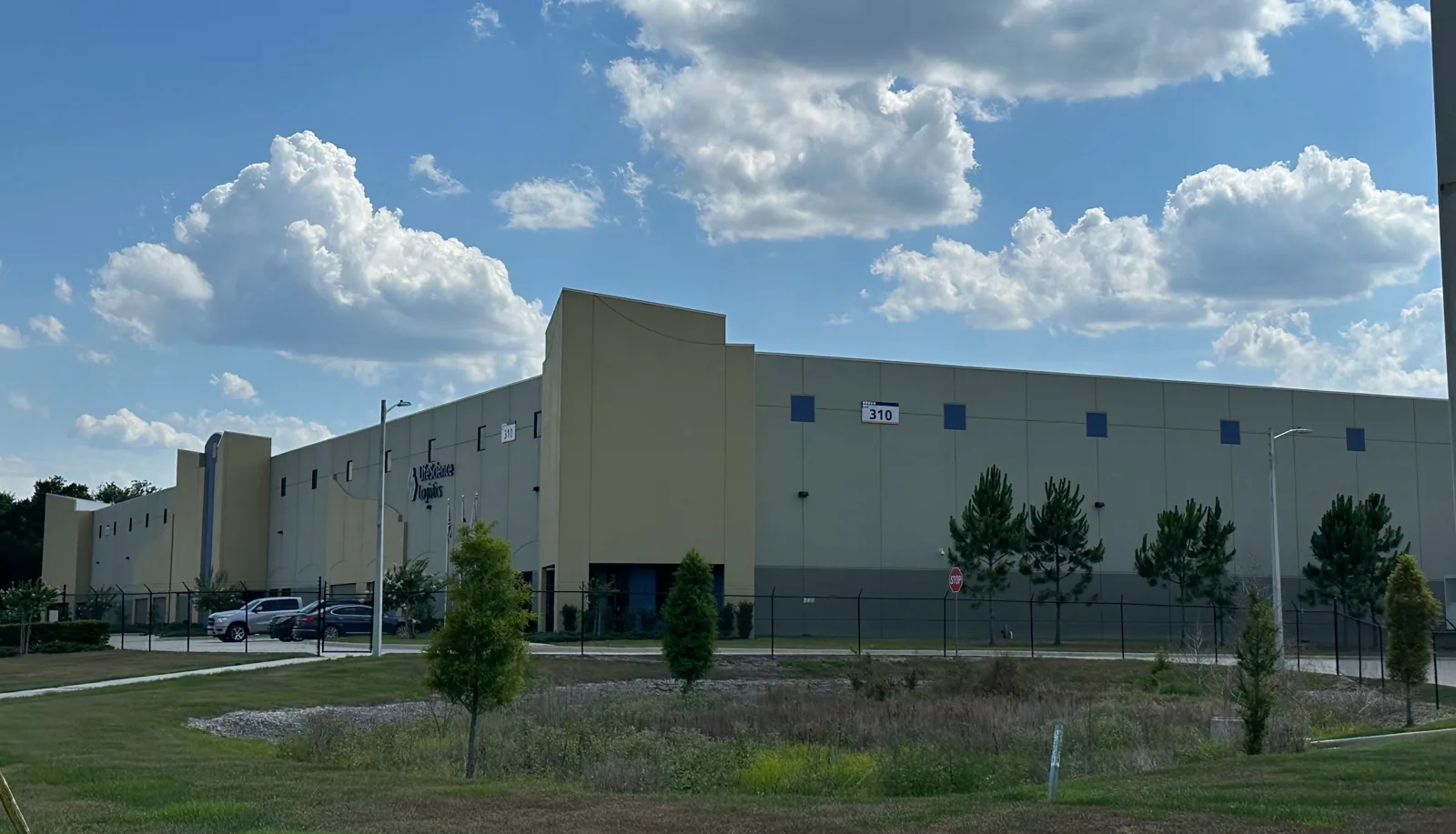
National Guard Armory Roofing
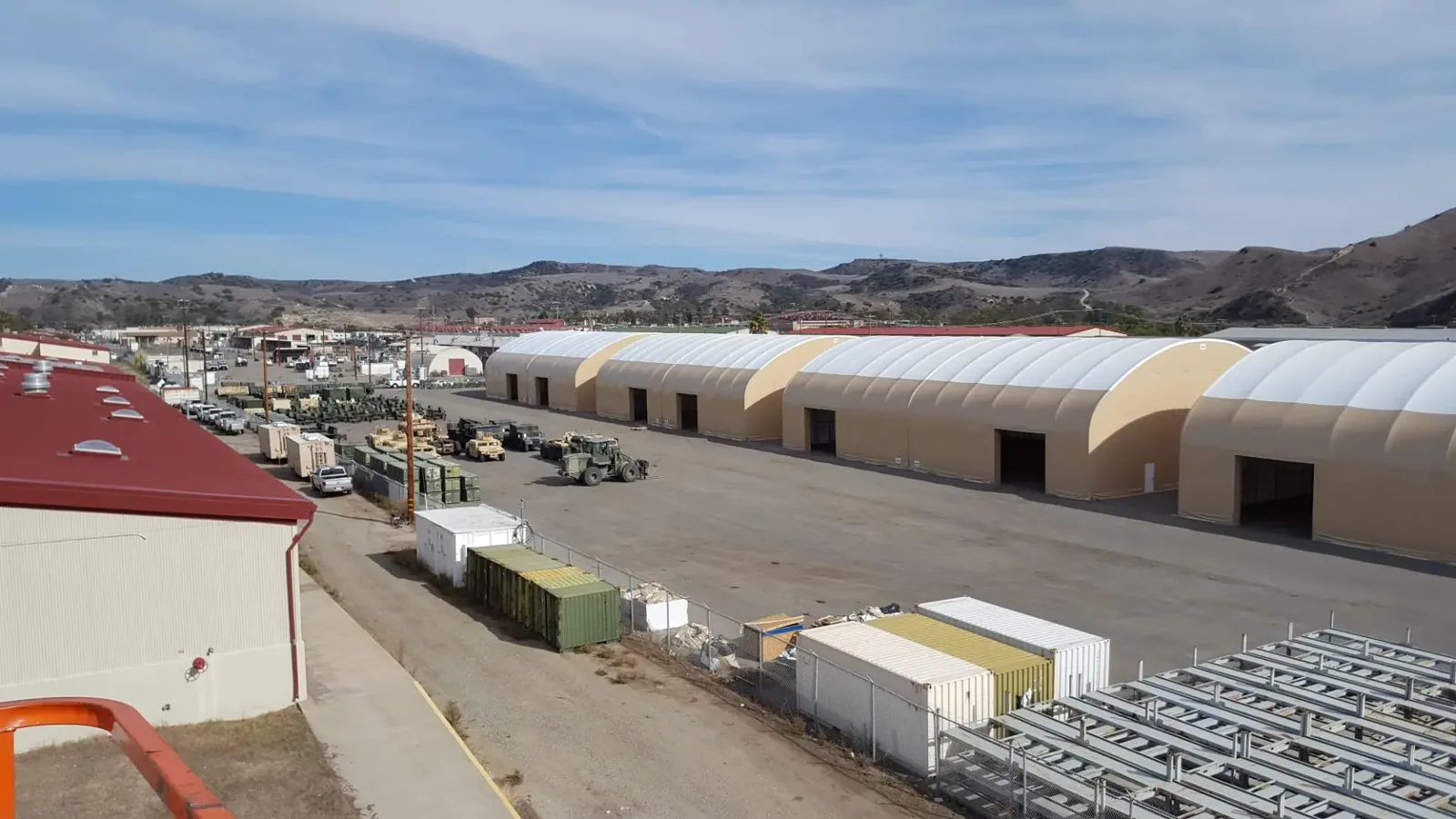
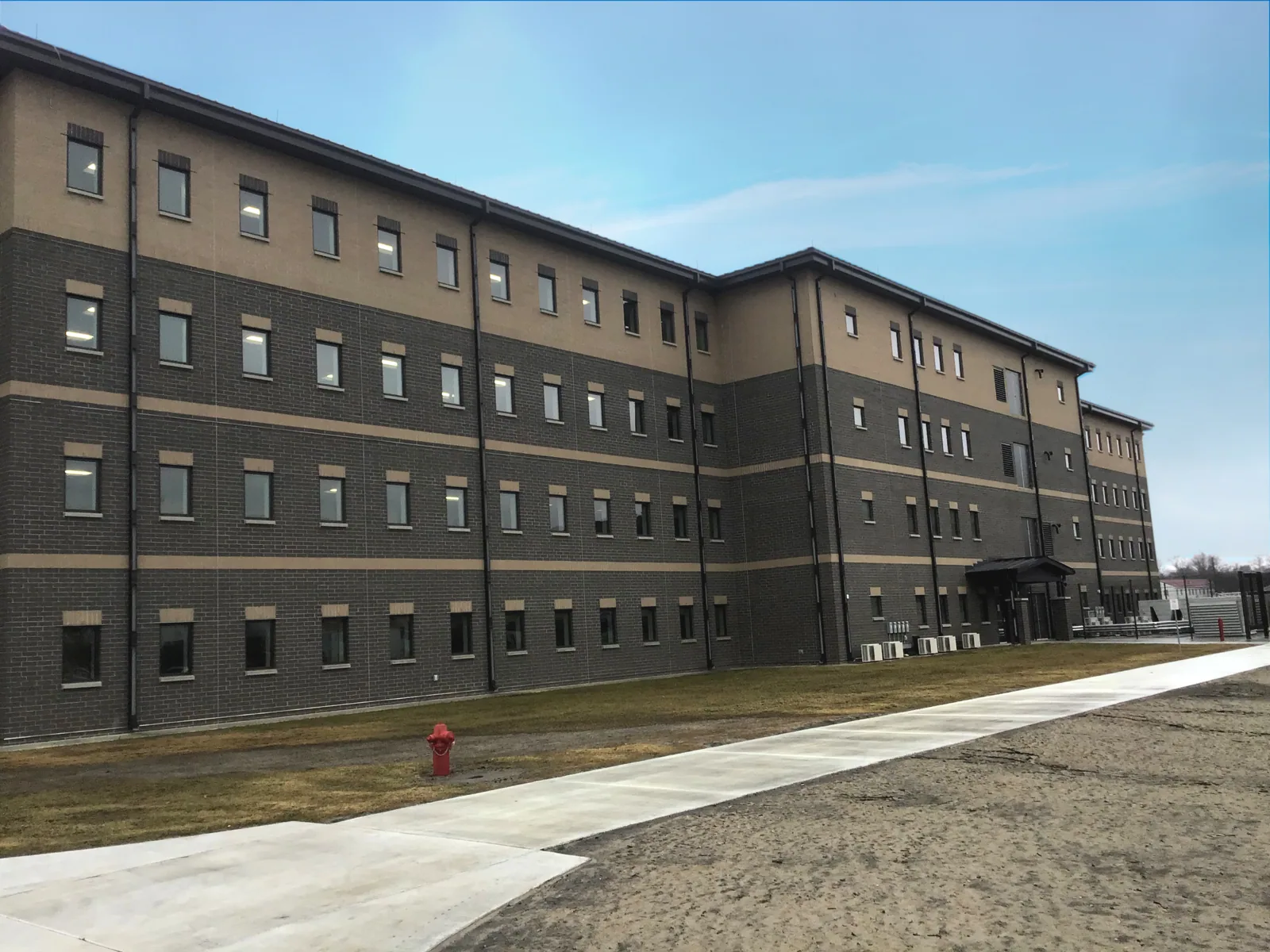
National Guard armory roofing near Fontana, CA: the right facility contacts, working around drill and training schedules, real roof findings and sealed daily phases.
At an armory, the facility's responsible contact usually has to set the work window before we can bring materials in or open any roof. A general maintenance request does not grant that permission. Commercial Roofers Fontana coordinates National Guard armory roofing in the Fontana, CA, region by identifying the building, the roof that is installed and practical access first. The project contact gets a repair or larger option with its prep and trade tasks spelled out, not a schedule borrowed from another building.
San Bernardino, Ontario, and Pomona each have National Guard armories or readiness-center facilities. These properties have separate operating contacts and access requirements, so we confirm the building, installed system, and current instructions before setting a work zone. We review drawings and the roof materials we can reach, then hand any structural or hidden-condition question to the right professional.
Confirm the facility and authorized participants
The request should name the building and roof areas, along with who arranges entry, who approves construction and who accepts the finished work. Those can be different people, so we do not assume an ordinary commercial process, or another armory's process, applies here. We get current instructions directly before booking a visit or any work that depends on access, a shutdown or release of a work zone.
Guard facility roof coordination covers escort, badging and equipment rules where they apply, and the approved way to photograph and record findings. A roof route approved for an earlier visit may need new approval if the work area changes. The project team identifies the UFC or installation roofing requirements and the design professionals involved, and their documents are in hand before a material order is treated as covering every structural and assembly question.
Agree the current training and service arrangement
The facility contact tells us what happens below each roof section and when prep work can happen, along with who can approve shutdowns or protection. Having a training mission does not mean every armory runs on the same schedule. We compare current instructions with deliveries, debris removal and equipment moves, and we plan a different route or repeated setups where needed instead of assuming one quiet reservation frees up the whole building.
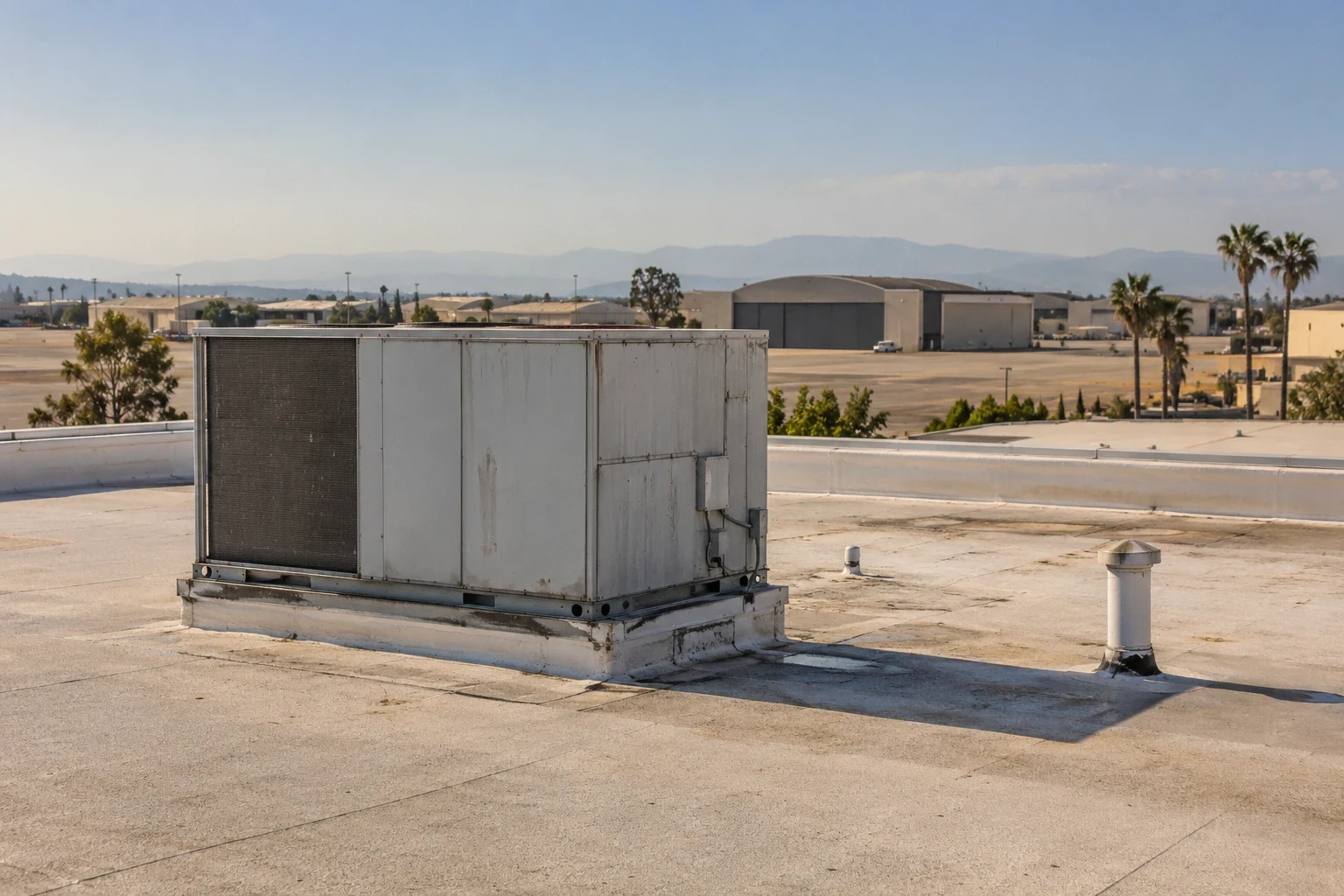
Working over an occupied armory means planning interior protection and a permanent stopping point sized to the crew and prep available. Mechanical and electrical teams make their own decisions with the facility. Roofing keeps working air intakes clear under the approved plan, and any HVAC shutdown has its own approved window and restart owner, separate from roof access and any structural sign-off needed to move equipment.
Examine the actual assembly before preparation
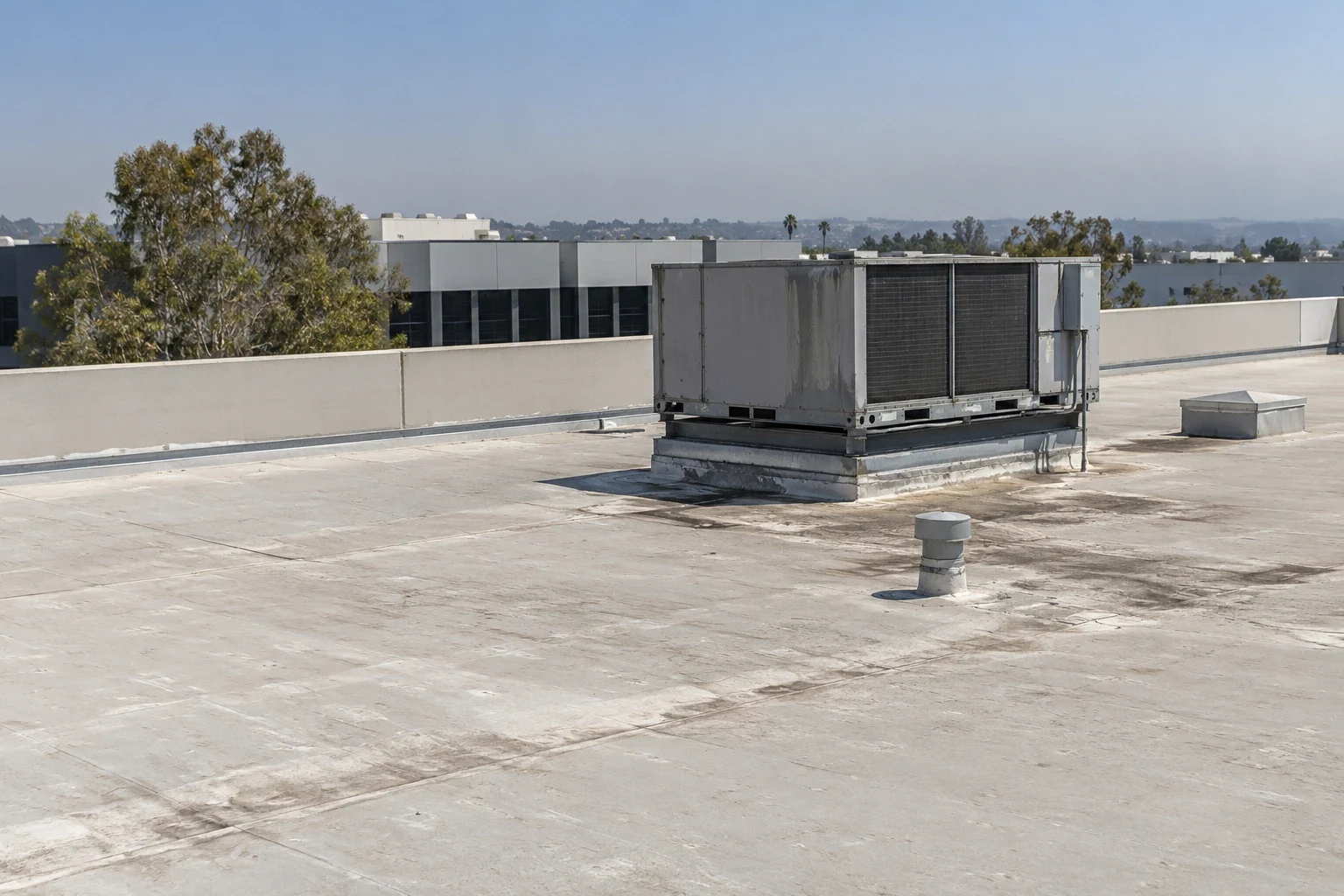
An armory roof inspection takes the available installation records up to the roof and compares them with the membrane, old repairs and equipment flashings. Repairs or additions built differently are marked where prep will change. Photos show each finding in a recognizable spot, taken within the facility's photo rules, and areas we cannot reach are listed with what it would take to check them. A unit roster or the building's construction date tells us nothing about the roof's condition or size.
A repair needs compatible products and sound roofing around it, which may mean cleaning, cutting out bad material or rebuilding locally so the repair ties into something solid. A larger patch price is explained by that prep, not just more material. Wall or curb flashing above the roof is measured separately when field work cannot finish it, so the project contact approves the repair the evidence supports without assuming every nearby area is in the same shape.
Compare the indoor report with roof evidence
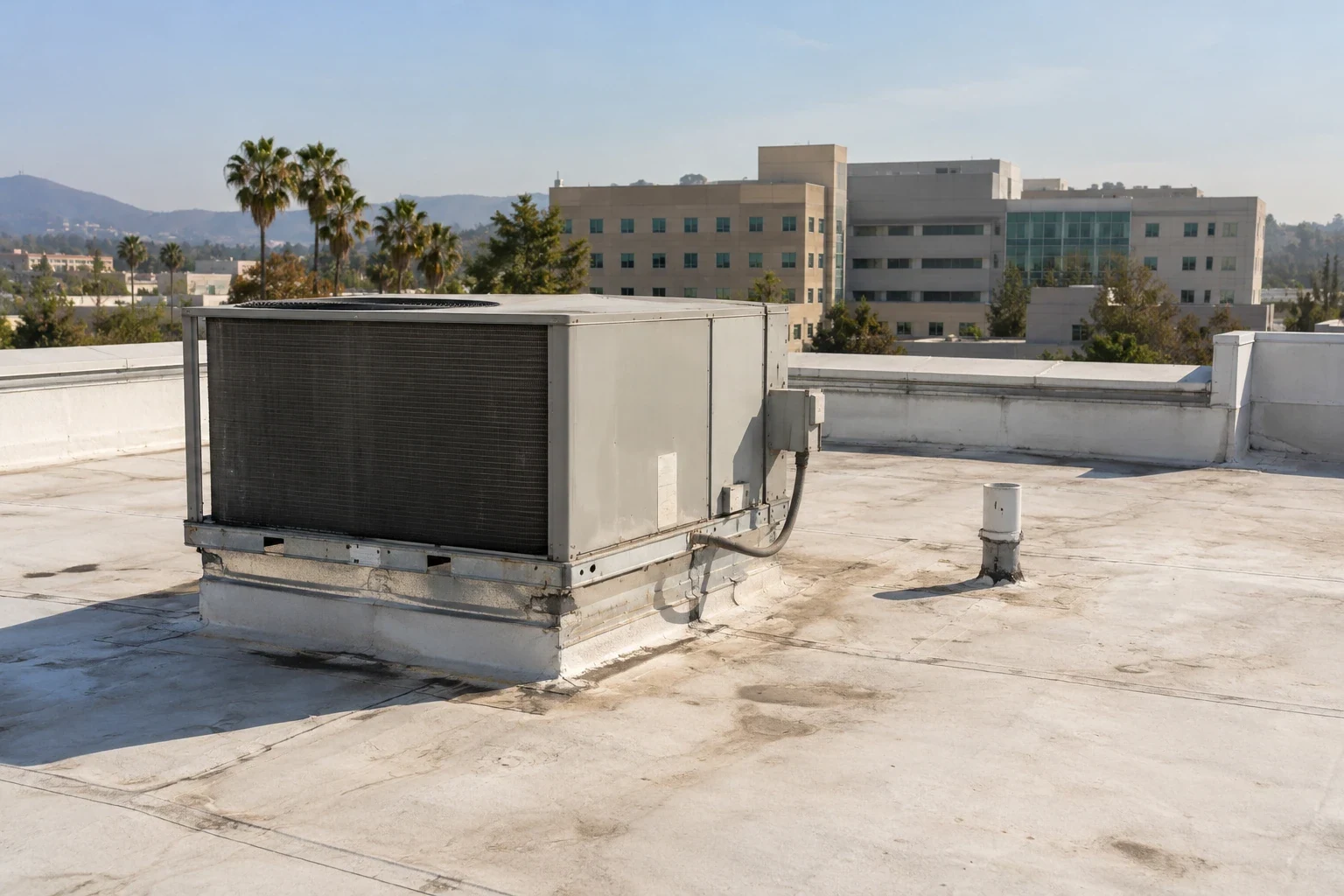
We record when and where a leak appeared inside and what building systems were doing, then compare that with roof and wall findings during the inspection. Water can run through the roof layers before it drips, and a real roof defect can exist alongside a different leak that needs someone else. The recommendation states which roof repair we can support and what else needs checking, rather than blaming the nearest visible opening for every leak report.
Any water test is chosen for the question that affects the repair, with permission, interior protection and test locations arranged first. We do not just flood the roof or block a drain. A core records the layers and condition at its spot and is patched the same day, while keeping or removing a larger area takes enough evidence for that area and structural or fastening review from qualified professionals where required.
Compare complete roof and component tasks
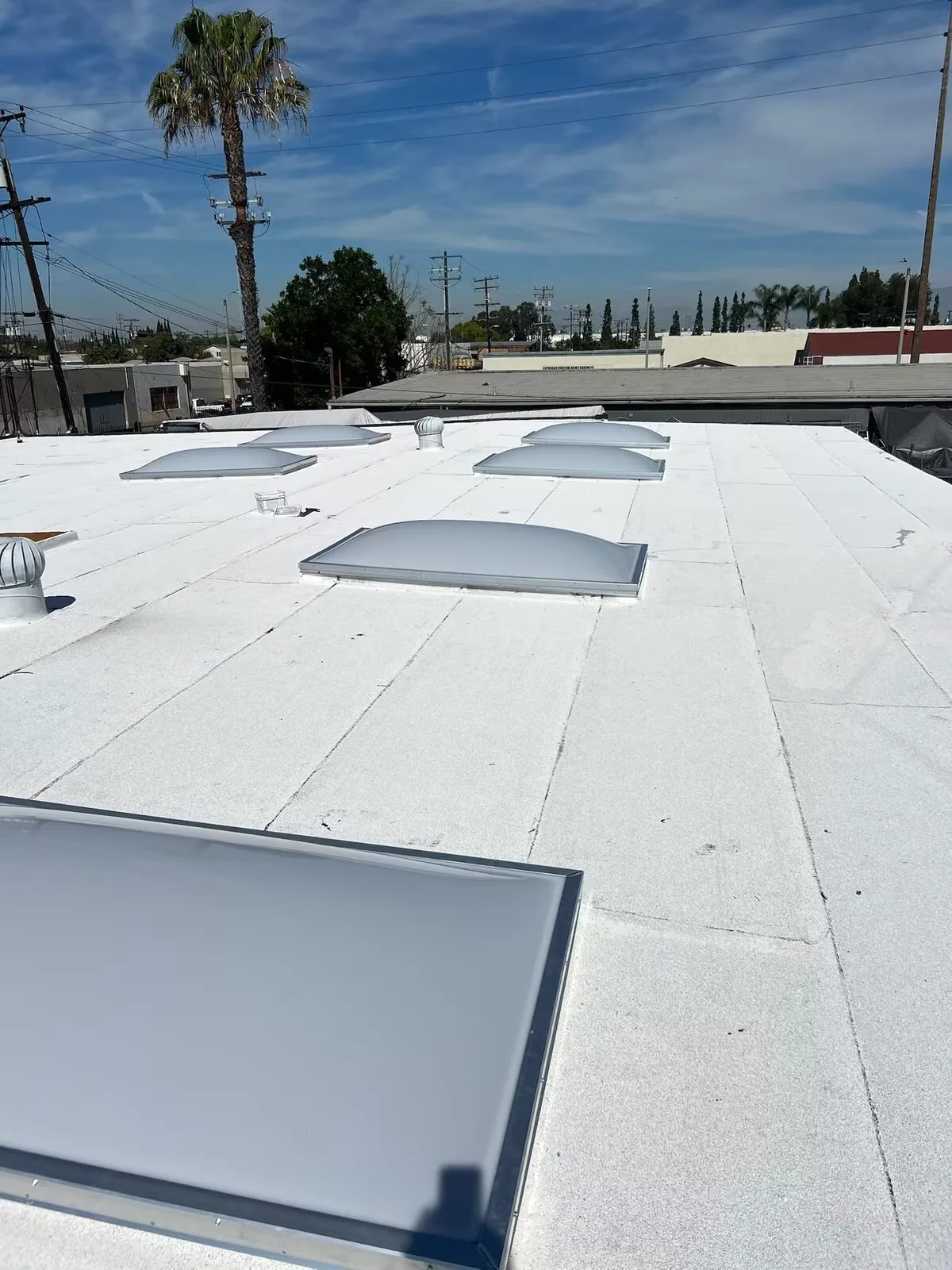
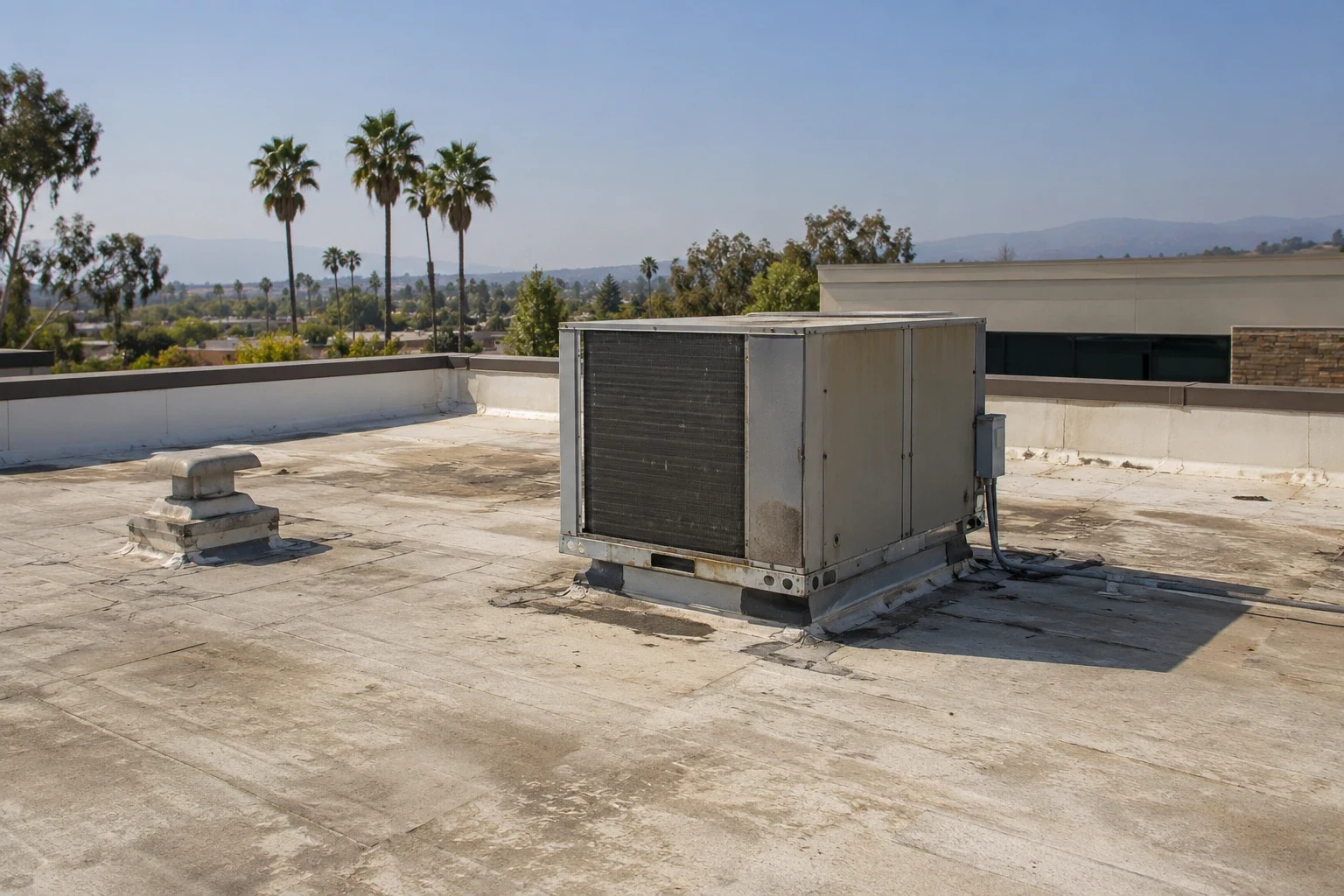
A spot repair lists its prep and where it ends. A coating needs a surface that qualifies and follows the product's rules. A recover or replacement involves tear-off decisions, structure and new flashings, with protection for occupied areas and handling included. Roof age, patch count or a different maintenance contract should not decide on replacement by themselves, so the project contact compares real work instead of a field price that leaves out the prep.
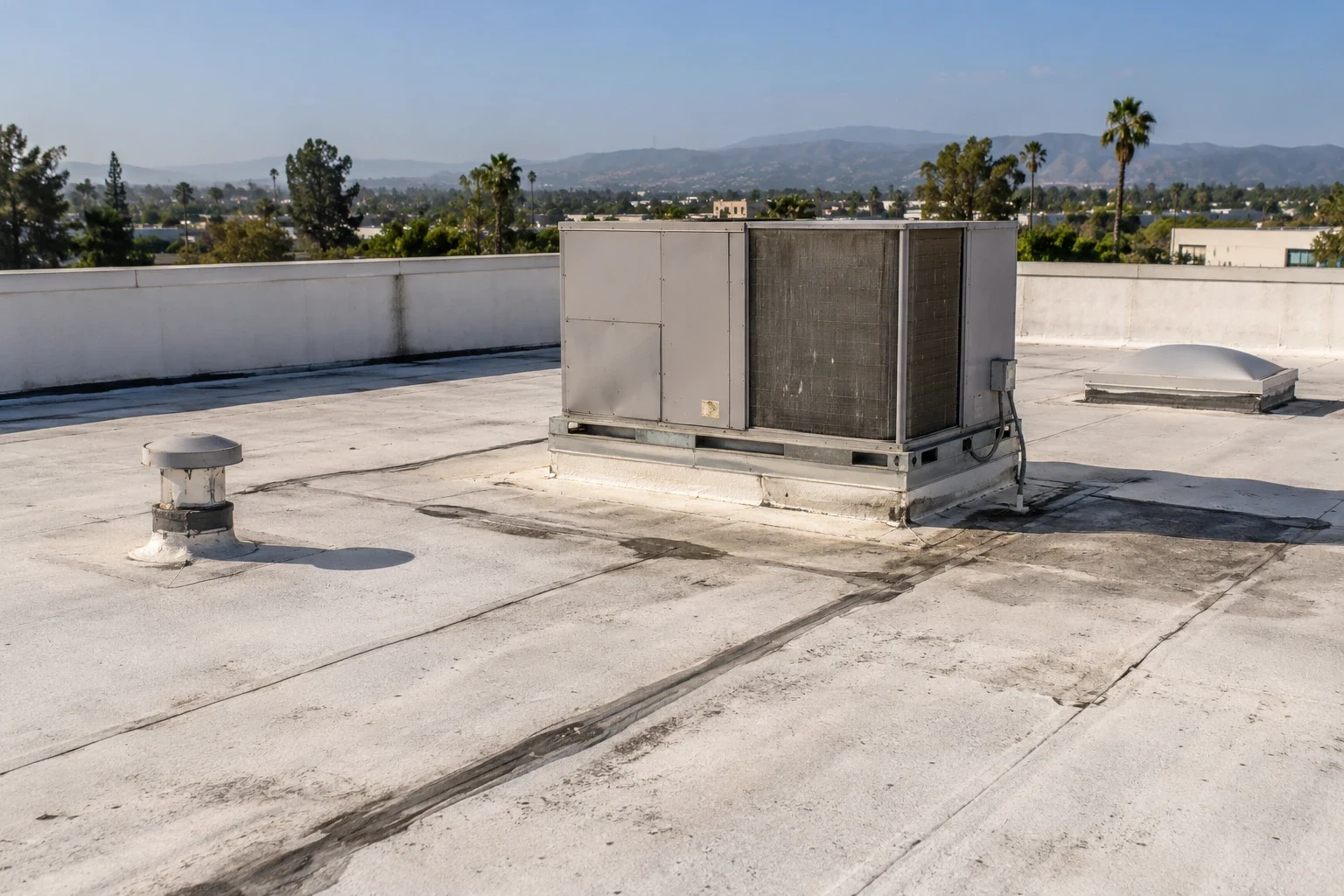
An Army Reserve roof project answers to a different organization, and a military storage building may handle materials very differently. Those comparisons help frame questions without telling us how this armory is used or what is allowed. Moving a rooftop unit leaves a new curb to flash and an old opening to close, and both get assigned before the unit is set and blocks access.
Separate each facility’s work record
San Bernardino’s readiness center, Ontario Armory, and Pomona Armory are distinct properties with separate operating contacts. Maintenance requests at armories often cover gates, doors, restrooms and exhaust fans, which fall outside a roofing scope. For each roof request, we confirm the included building, its roof system, and current access instructions before setting the construction sequence.
Roof materials and leak conditions are specific to each building, so we inspect the armory roof before choosing a repair or replacement. A related San Bernardino property has its own authority and access arrangements, and an Ontario roof project keeps separate contacts. We can share crews and material planning across jobs without carrying permissions or prep assumptions from one building to the next.
Retain the installed roof and remaining facility decisions
Final roof heights are measured at curbs, walls and drains before ordering, and any curb or drain adjustment is assigned where flashing room changes. Cleaning a drain, repairing its flashing and changing roof slope are separate jobs, each measured and reviewed. Permits and assembly requirements govern the work, including energy code items and allowed alternatives, and the actual roof surface and product conditions decide when application can start, not a reserved date.
We judge whether infrared readings will help on this roof and confirm any findings with cores. Anything new found during approved tear-off gets its own location and measured fix. The project contact reviews the change in price and the temporary protection needed until the permanent work is done. Installed components, prep photos and finished flashings are kept with approved changes and inspection records. Equipment and other facility sign-offs stay separate, and future service follows the care and warranty documents actually issued.
Frequently Asked Questions
Does an armory maintenance request mean there is a roof problem?
Not necessarily. Those requests often cover gates, doors and restrooms, which are separate from the roof. We inspect the roof itself and review its records before defining any membrane work.
What needs to be confirmed before a work window is booked?
The building, current access, who is operating it and who can approve construction. Another building's approved arrangement does not release this armory's work area.
Can a wide roof photo confirm the hidden layers?
No. It shows what is visible. Larger repair or recover quantities need testing and, where it applies, structural or fastening review.
Why price both spots when a rooftop unit moves?
Flashing the new curb and closing the old opening are different jobs. We assign the support and shutdown responsibilities before the unit is set and blocks the prep.
What should be documented when the roofing is finished?
Located details, care requirements and approved changes. Equipment or other facility sign-offs stay with the people responsible, separate from the finished roof work.