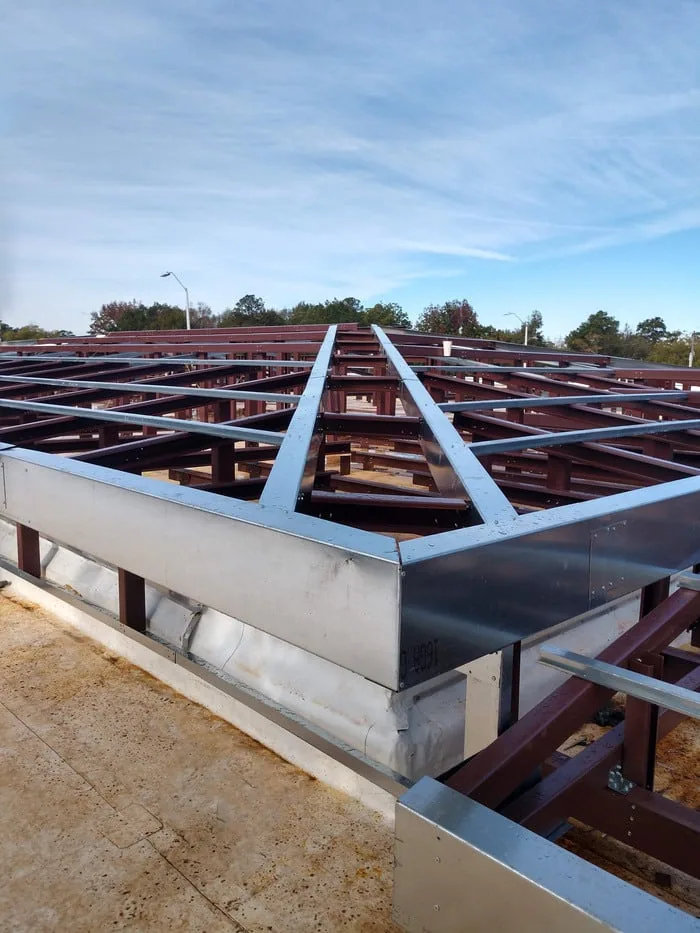
Occupied-Building Reroofing
Occupied-building reroofing in Fontana, CA: phased tear-off planned around tenants, deliveries, debris routes, HVAC shutdowns and a watertight tie-in at the end of every shift.
If the dumpster route crosses the building's busiest dock, that alone can decide where the first phase of a reroof goes, before anyone counts squares of membrane. Commercial Roofers Fontana plans reroofing on occupied buildings in Fontana, CA, by fitting the work zones to what the tenants are actually doing below. The owner gets a plan that shows how much roof opens at a time, how it is protected, where material and debris move and which trades are involved, rather than a schedule that assumes nothing downstairs will change.
Fontana's freight economy means truck traffic and delivery windows often drive the schedule, while a medical office or retail center has different concerns like patient entrances or store hours. We get current information from the person who runs the building and compare it with the roof and the system planned. That way the owner approves phases that can actually be built before a roof opening creates risk or another trade has to cross finished work.
Know what happens under each roof section
The owner or property manager walks us through occupied rooms, entrances and receiving areas on a building plan before any roof section is scheduled. Even a slow delivery window can have staff or customers moving through, so we confirm what is really happening instead of assuming a space is empty. Sensitive equipment, inventory and records are matched to the phase above them, which helps us decide whether smaller work zones or a different order makes more sense.
Roof access, staging, deliveries and debris removal may each need their own approval and route, and we settle those before locking in the method. If restrictions force the crew to set up more than once or shuttle material, that time is in the price. A big membrane quantity does not mean the logistics are solved, and any equipment work that controls access is scheduled before the roofing that depends on it.
Inspect the roof before setting tear-off zones
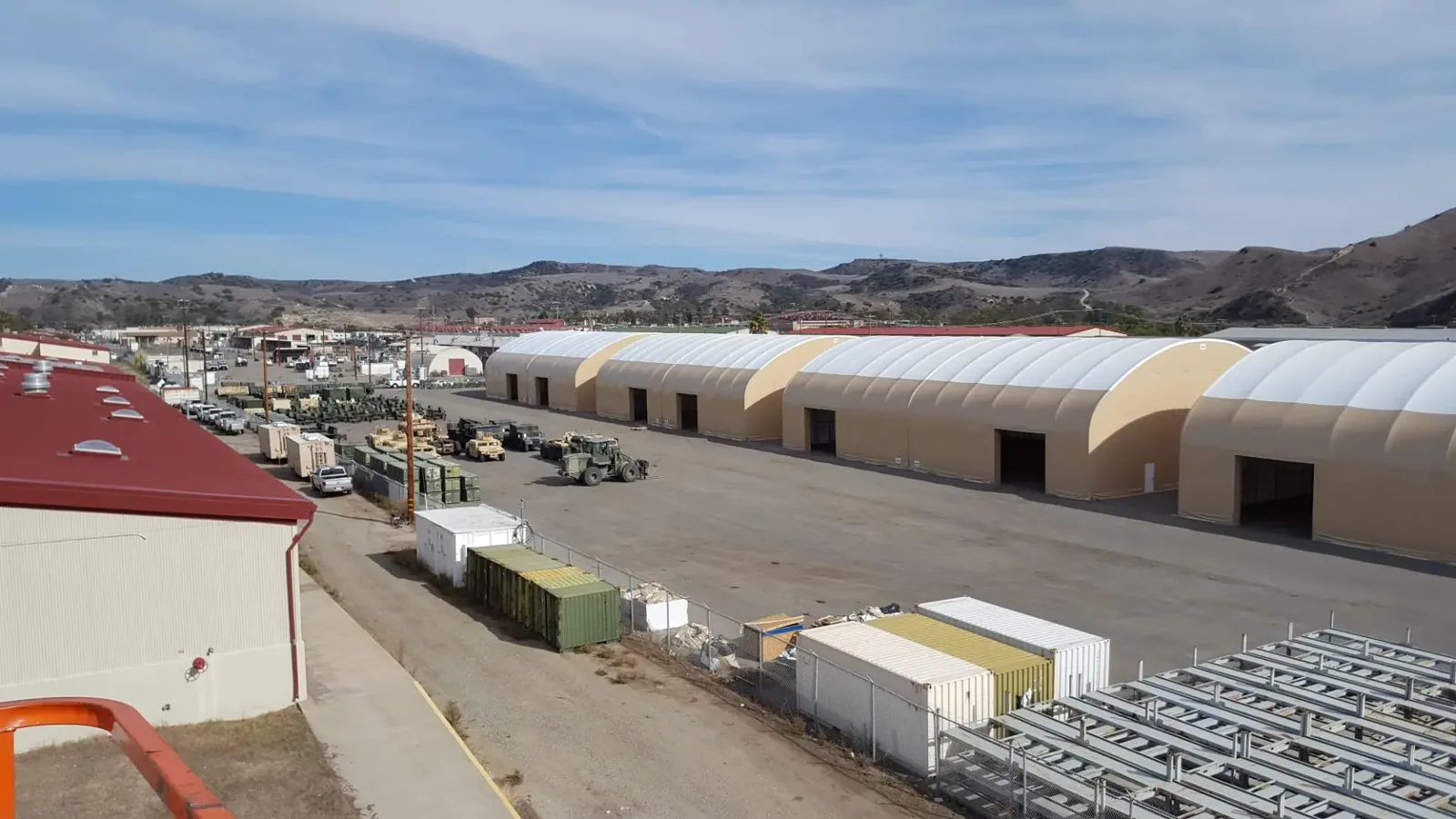
A commercial roof inspection before construction compares any records with the existing layers and details, and notes additions or earlier repairs where the roof changes. Photos show where each finding is. Areas we cannot reach are listed, along with what is needed to inspect them. The age of the building or how the roof looks from above does not tell us what is hidden or how much needs to come off.
The new roof needs a solid tie-in at every edge of each phase, and the estimate explains any cleaning, removal or local rebuilding needed to get there. A full commercial roof replacement also includes the flashing, edge and curb work the new system requires. Those details let the owner compare a repair, recover or replacement based on the actual roof and the area to be worked.

Size each day's opening to what can be closed
How much roof can open in a day depends on the roof layout, crew size and whether the prep work is done. Before tear-off, we set the temporary protection and the point where the crew will make the roof watertight at the end of the shift. If a mechanical contractor or another trade falls behind, the next step can change. The plan tracks unfinished areas and how they are protected, rather than promising the same daily square footage on every building.
Product instructions and weather decide when installation can proceed. Fontana's summer heat makes roof surface temperature and material handling worth checking on the day. A preferred start date does not fix a damp deck or replace work another trade has not finished. When a new finding or change stops the next phase, we tell the owner what can proceed and ask for a decision before going further.
Schedule equipment work with the right trades
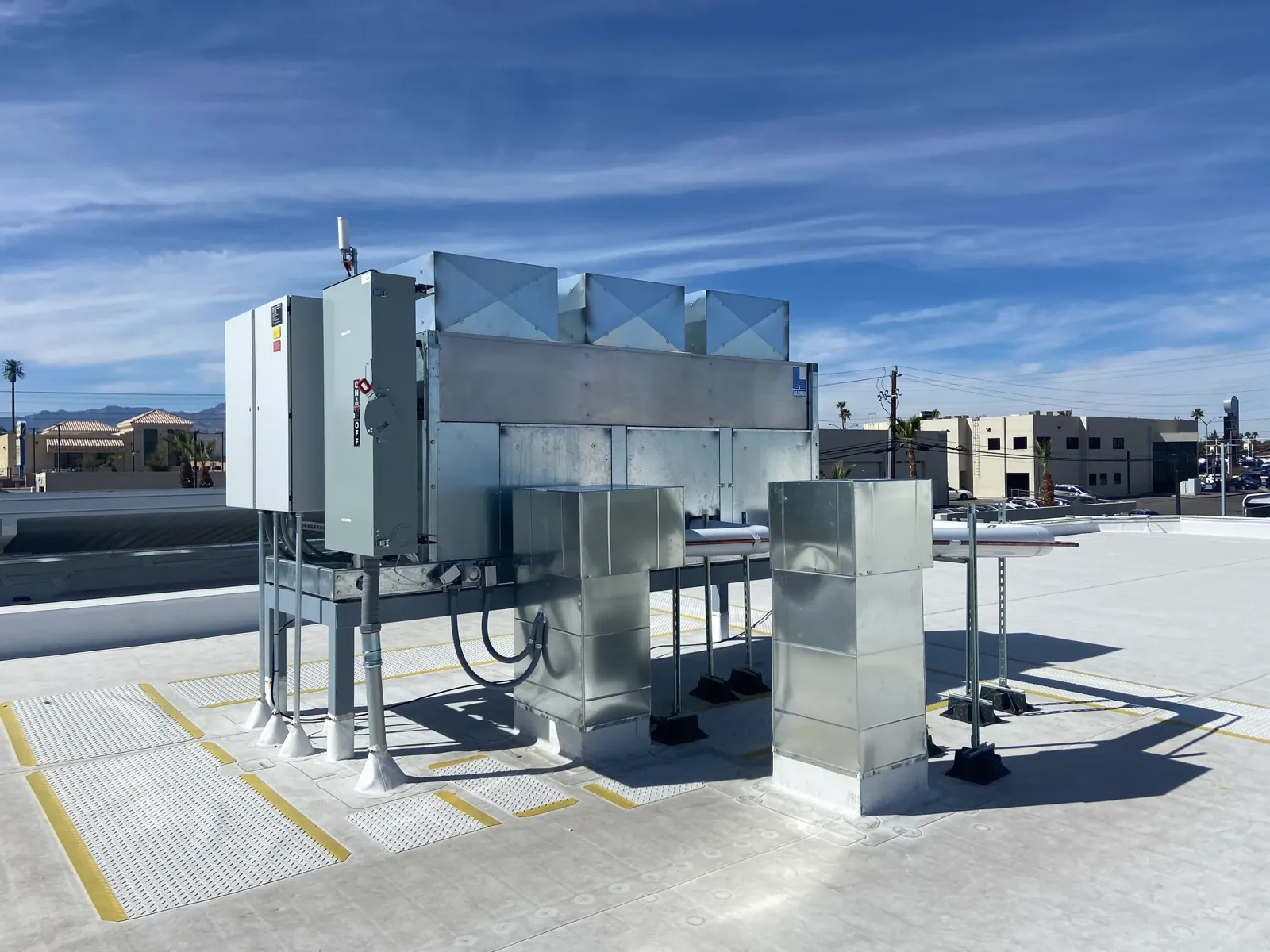
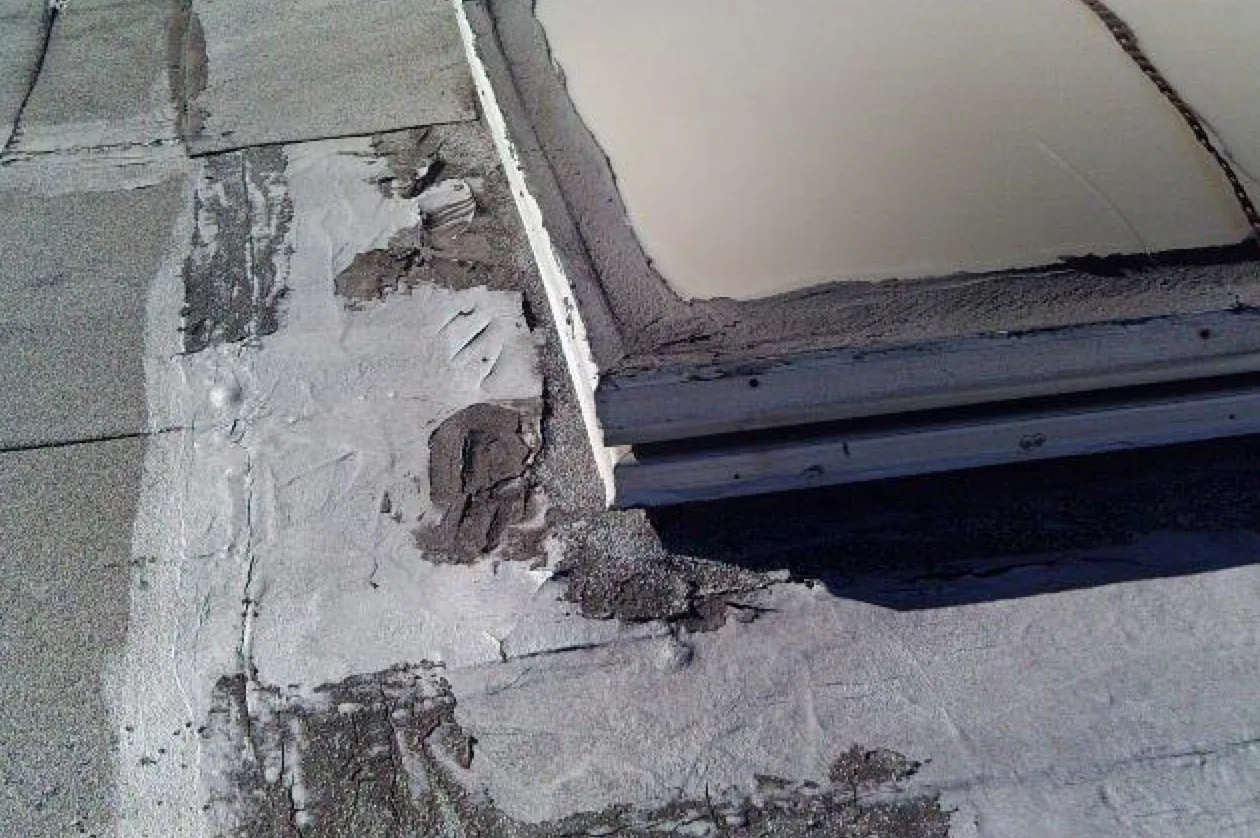
Rooftop equipment curb and support work checks unit dimensions against the finished roof height and the space needed for flashing, before a unit is set where the corners are hard to reach. The mechanical contractor or structural engineer handles supports and sign-off on their part. A relocated unit leaves a new curb to flash and an old opening to close, and both are shown in the phase plan instead of being buried in an equipment allowance.
HVAC and electrical contractors handle shutdowns with the building, and our crew keeps working air intakes clear of fumes and dust. Any planned HVAC shutdown has an approved time and a clear owner for the restart before roofing depends on it. Fire alarms, sprinklers and security stay with their own contractors, because roof access does not give our crew permission to interrupt a building system or approve a structural change.
Check finished heights and drainage
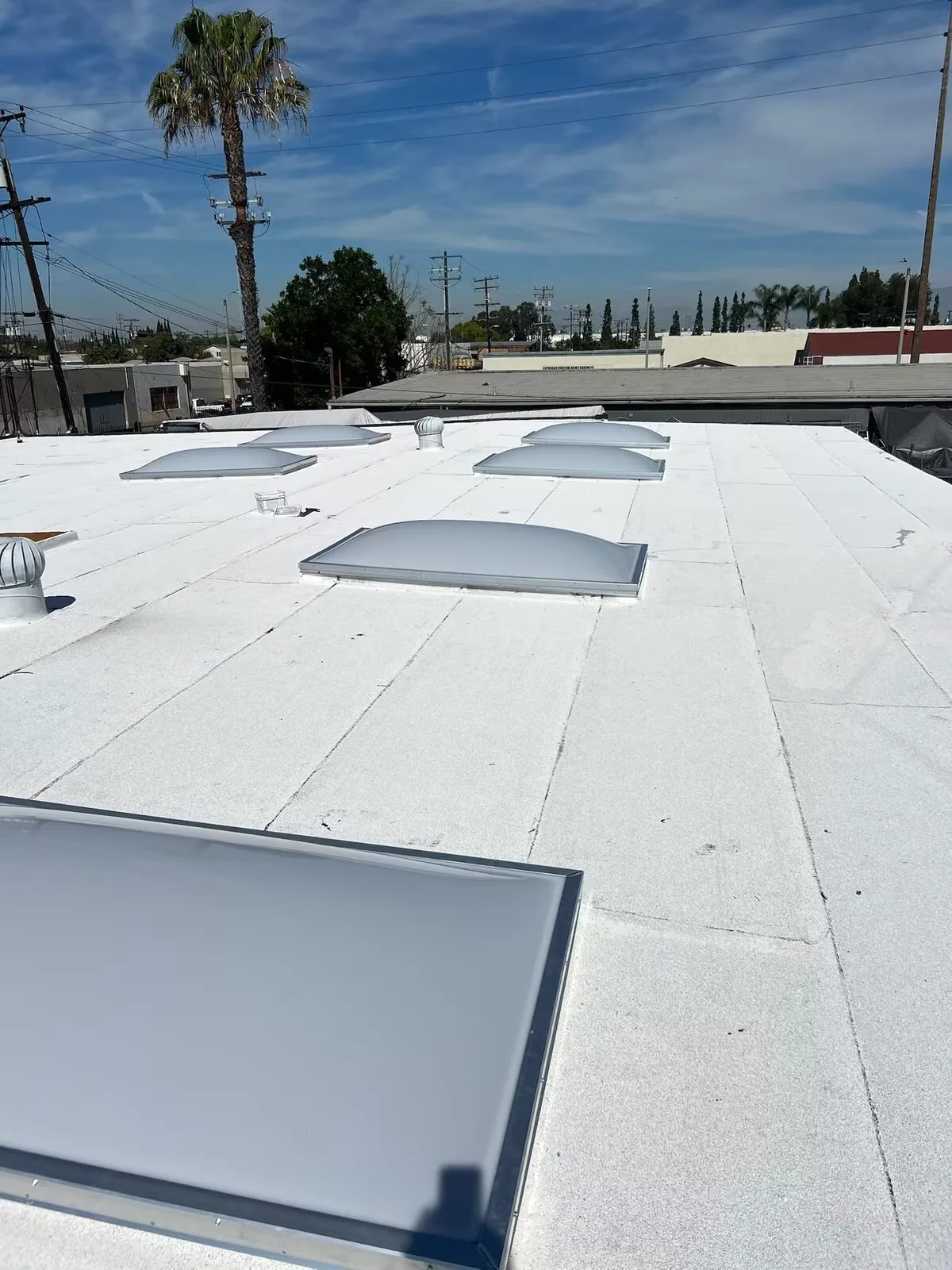
New insulation and cover board raise the roof at curbs, walls and drains, so we measure finished heights before ordering. If a curb or edge has to be raised, that work is tied to the roof option that needs it and to the trade doing it. Roof insulation and cover board planning keeps the layers and heights together with the membrane, so the owner does not get a price that leaves out the work needed to finish each edge.
Drainage review separates cleaning a drain from fixing a damaged drain connection or changing slope, which needs field measurements and design review. A new membrane will not fix poor drainage if the plumbing or a low area is left out of the scope. Each phase keeps water flowing to the drains, both during the work and when it is done, and any connected plumbing work has its own sign-off.
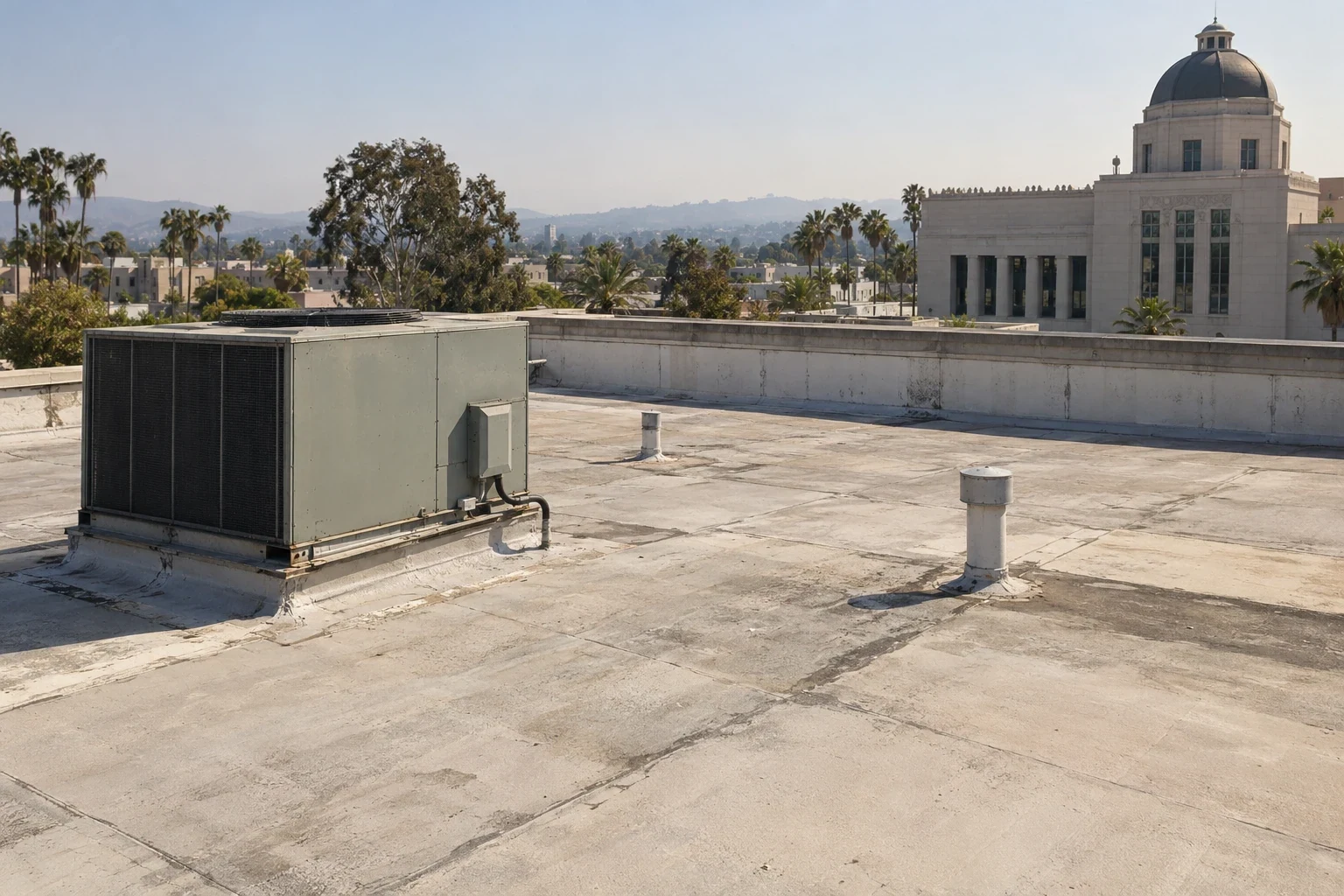
Plan deliveries around the property
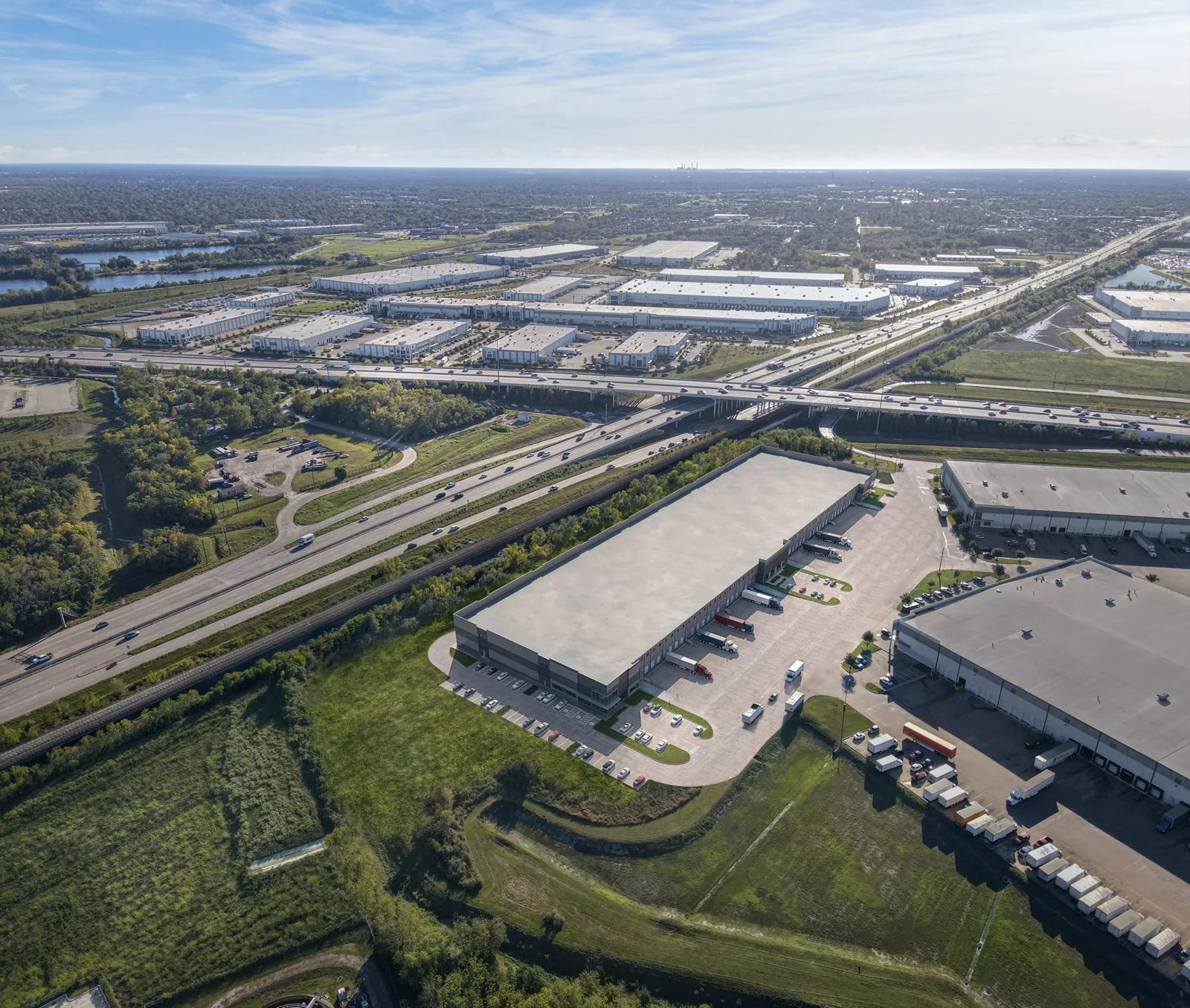
At a Southwest Industrial Park building, trucking, warehousing and distribution traffic means we confirm receiving hours and gate rules before setting the roof schedule. The operator confirms material and debris routes and what is happening under each section; we do not assume access from the district name. If pallets have to be moved or the crew must set up more than once, that is priced into the phase so the owner can compare options fairly.
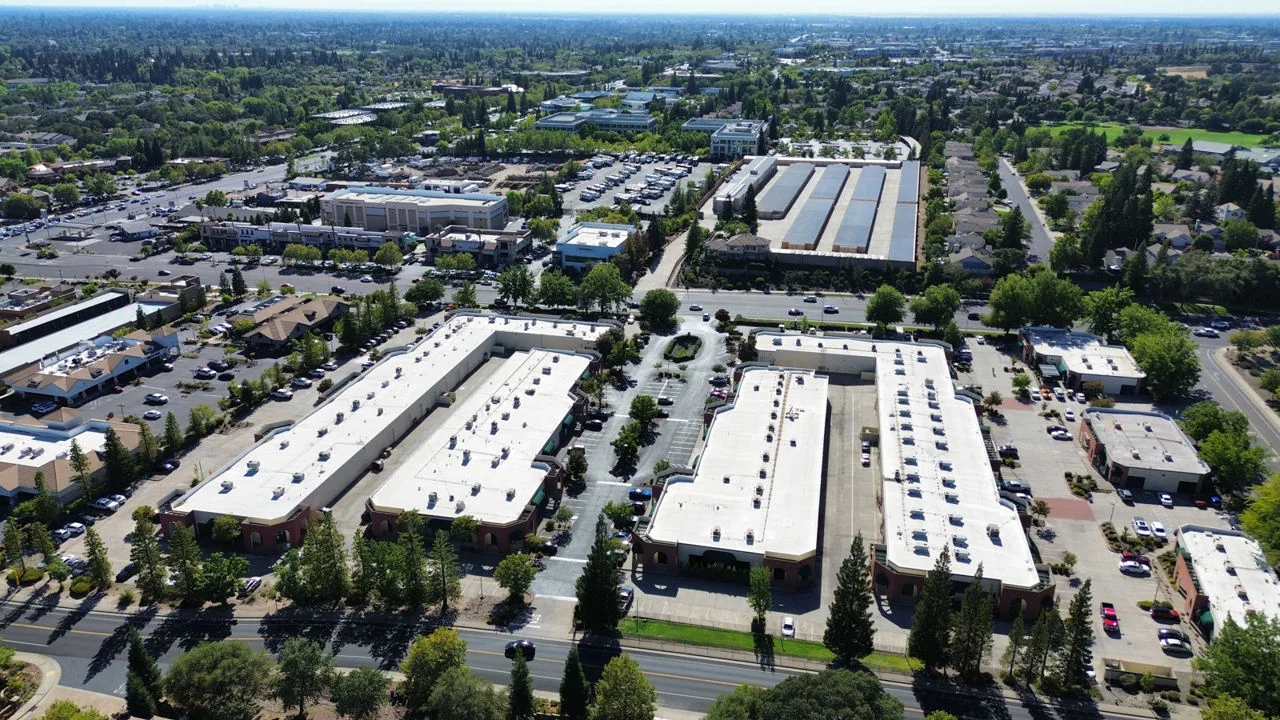
On the Sierra Commercial Corridor, the mix of shops, offices and nearby homes raises questions about entrances and public areas, and the property manager answers them. One tenant may need different work hours or protection than the next. Each building gets its own roof records and contacts, so a plan that worked at one property is not assumed to work at another.
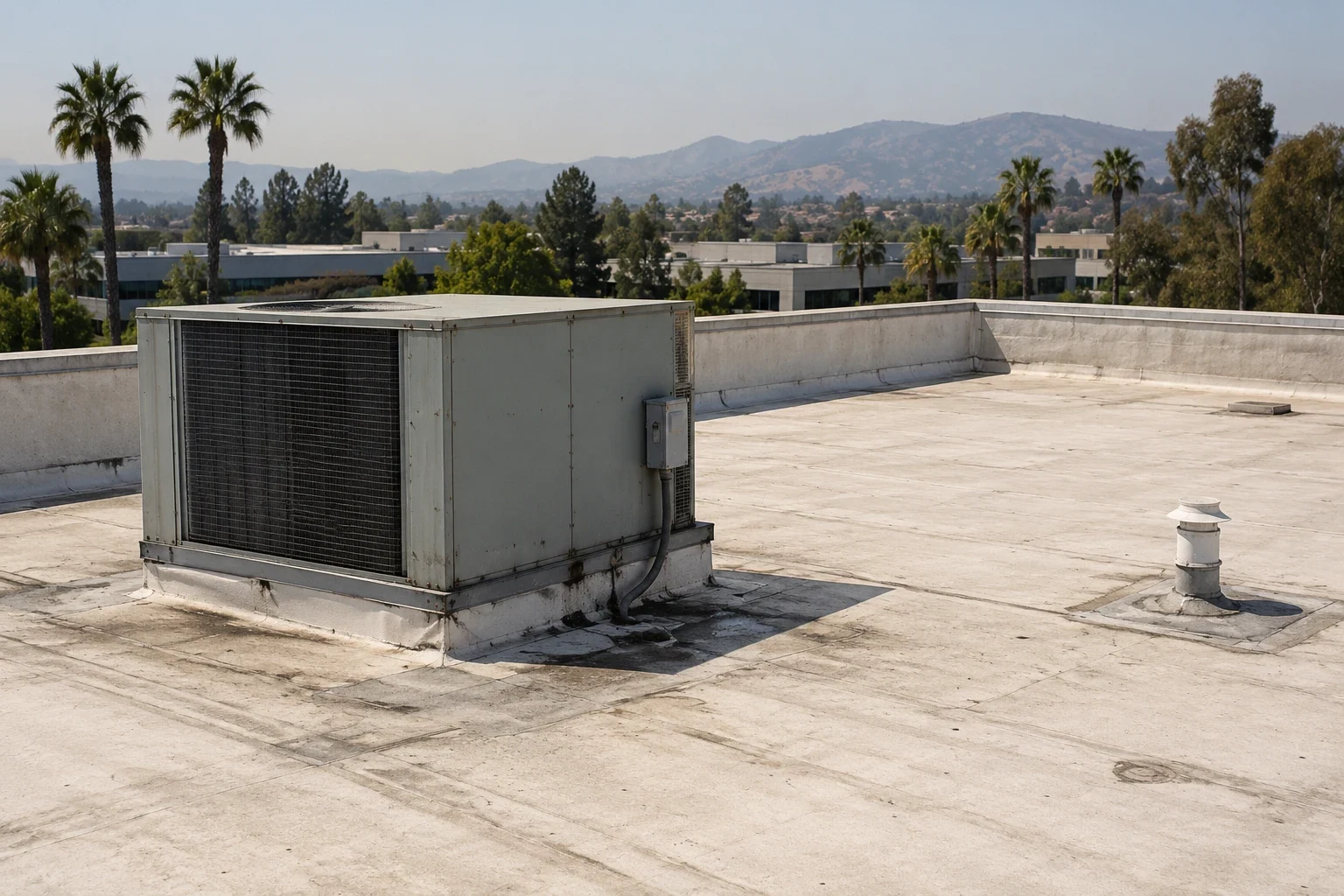
Handle surprises and close out each phase
We only cut test openings where the result could change the plan, and each one is approved and patched before we leave. A core shows conditions at that spot; a decision about a larger area needs enough test locations. Infrared readings need the right conditions and core confirmation. If tear-off reveals more damage, we mark it, measure it and send the owner the cost and protection plan for approval, keeping the original phase boundary clear.
Before ordering, we confirm the permit requirements and the energy code insulation values, including any allowed alternatives. At closeout, the owner receives photos of the prep work, the installed products, approved changes and the finished details, with notes on what was inspected. Equipment and interior work are tracked separately. Manufacturer care and warranty terms guide later service, and a new leak is dated and checked against any work done since.
Frequently Asked Questions
Can the phase plan assume tenants keep working as usual?
Not automatically. We confirm the work areas and restrictions with the building operator, then plan protection and access around them. We do not promise uninterrupted operations based on a roof quantity or a reserved date.
What decides how much roof can be opened in one phase?
The roof layout, crew size, whether prep work is done, and how quickly the crew can make the roof watertight. The roof system and other trades' schedules also matter, and the area may shrink if something is delayed.
Why does debris removal need its own plan?
Old roofing and new material often move along different paths and may affect different tenants or entrances. The approved routes and any extra setups are planned and priced before the receiving area is booked.
What happens if tear-off finds more damaged insulation or deck?
We mark and measure the repair, then send the owner the cost and any extra protection needed for approval. The original scope stays separate from the added work.
What does the next crew need at the end of a shift?
A clear list of what is finished, which areas are open or temporarily protected, and which trade owns each pending item. Installed products and inspection notes keep the next shift working from the same plan.