Wind Damage Roof Repair
Inspect wind-related roof damage in Fontana, CA, and define safe repairs for membrane, flashing, metal edges, drainage, and occupied buildings.
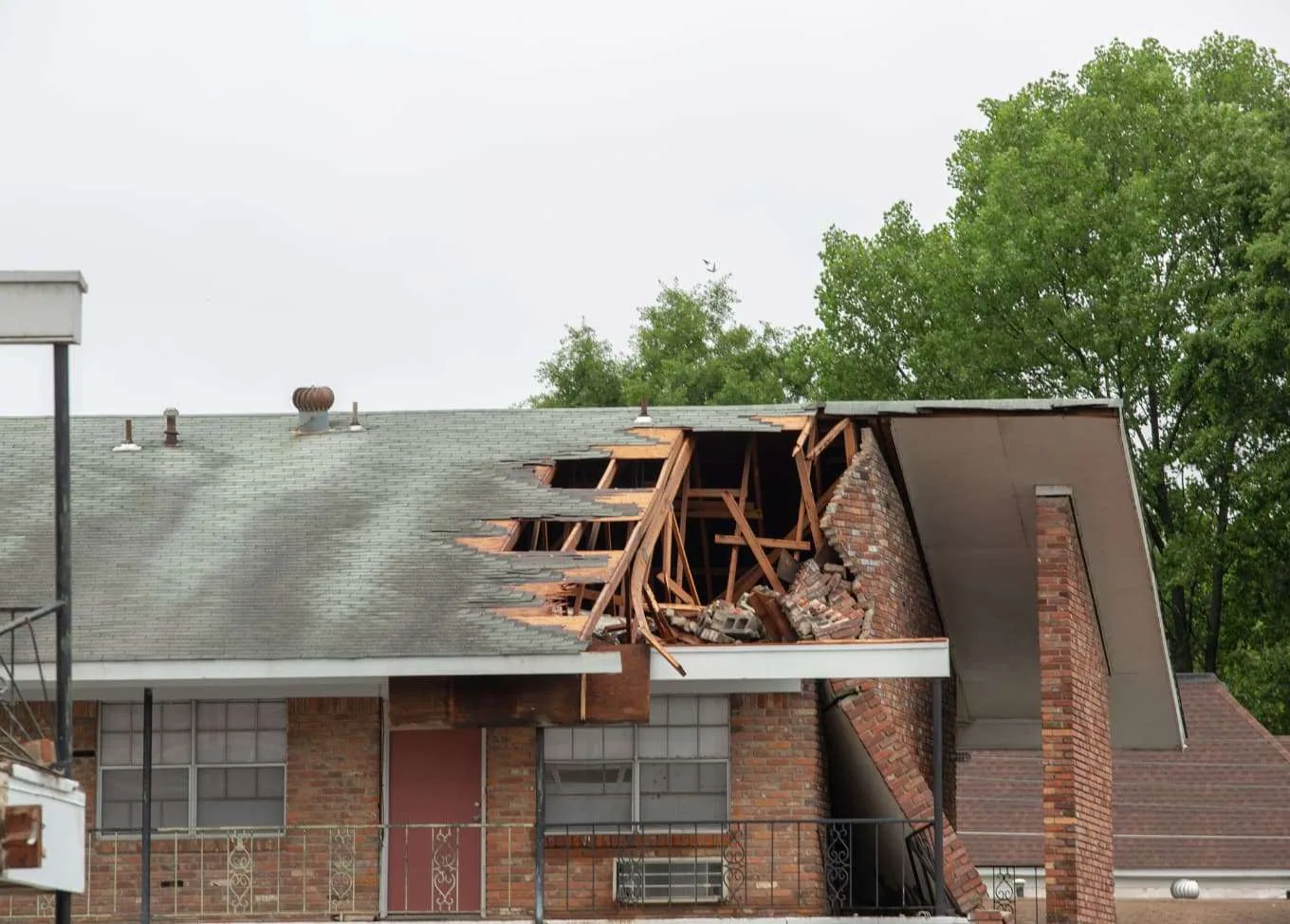
A lifted edge, displaced coping section, or loose rooftop panel can leave a larger roof area exposed than the visible damage suggests. We inspect the membrane, flashing, perimeter, and interior conditions before defining wind-related repair in Fontana, CA. The first priority is securing an unsafe area and protecting the opening; the permanent scope then follows the material and attachment that failed.
Fontana's I-10 and I-15 corridors connect active commercial and industrial properties, including warehousing and distribution uses around the Southwest Industrial Park. Work on an occupied site has to account for deliveries, access routes, and the roof areas beneath the repair. We inspect current roof and interior conditions at the property before defining the wind-related repair area.
Make the roof safe first
After a wind event or a newly discovered failure, keep people away from loose sheet metal, unstable edge trim, fallen debris, and wet ceilings beneath an opening. We check from a safe access point before walking damaged areas. Temporary protection may be needed to limit water entry while permanent materials are sourced. The owner identifies interior equipment, inventory, and operating areas that need protection or an access restriction.
Emergency service can secure active openings around the clock, including holidays, when conditions allow a safe response. Temporary covering is limited to what can be attached securely and drained away from the building. We record the covered area, remaining exposure, and next step so emergency work is not mistaken for a complete repair. Emergency roof protection and repair can set the response boundary while the permanent scope is prepared.
Do not remove debris or pull loose components from an unstable roof edge without a safe plan. If the condition involves electrical equipment, fire protection, structural movement, or another trade, we coordinate that hazard before roofing work reaches it. The crew marks a controlled work zone and keeps the property contact informed about access changes.
Trace the damage across roof zones
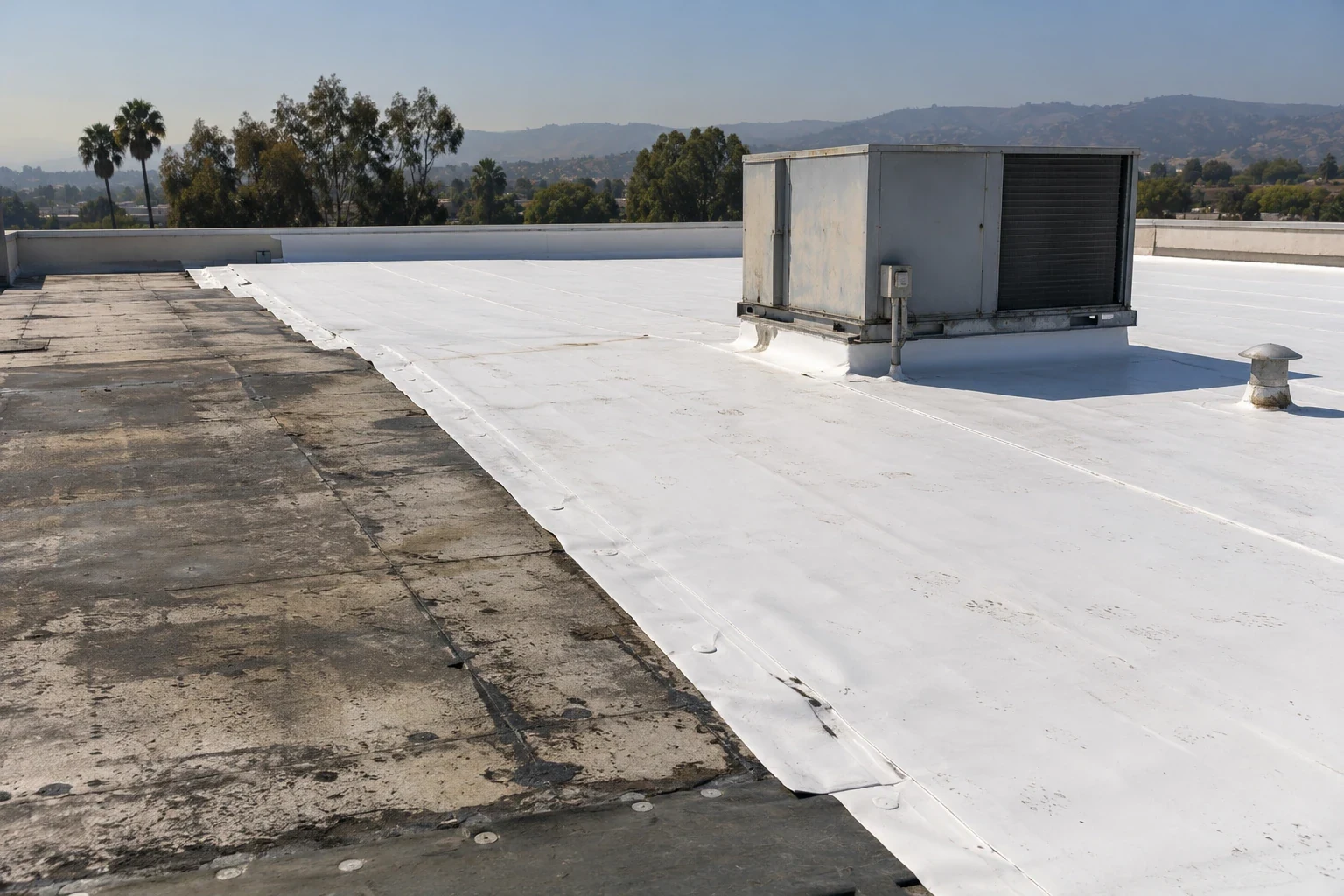
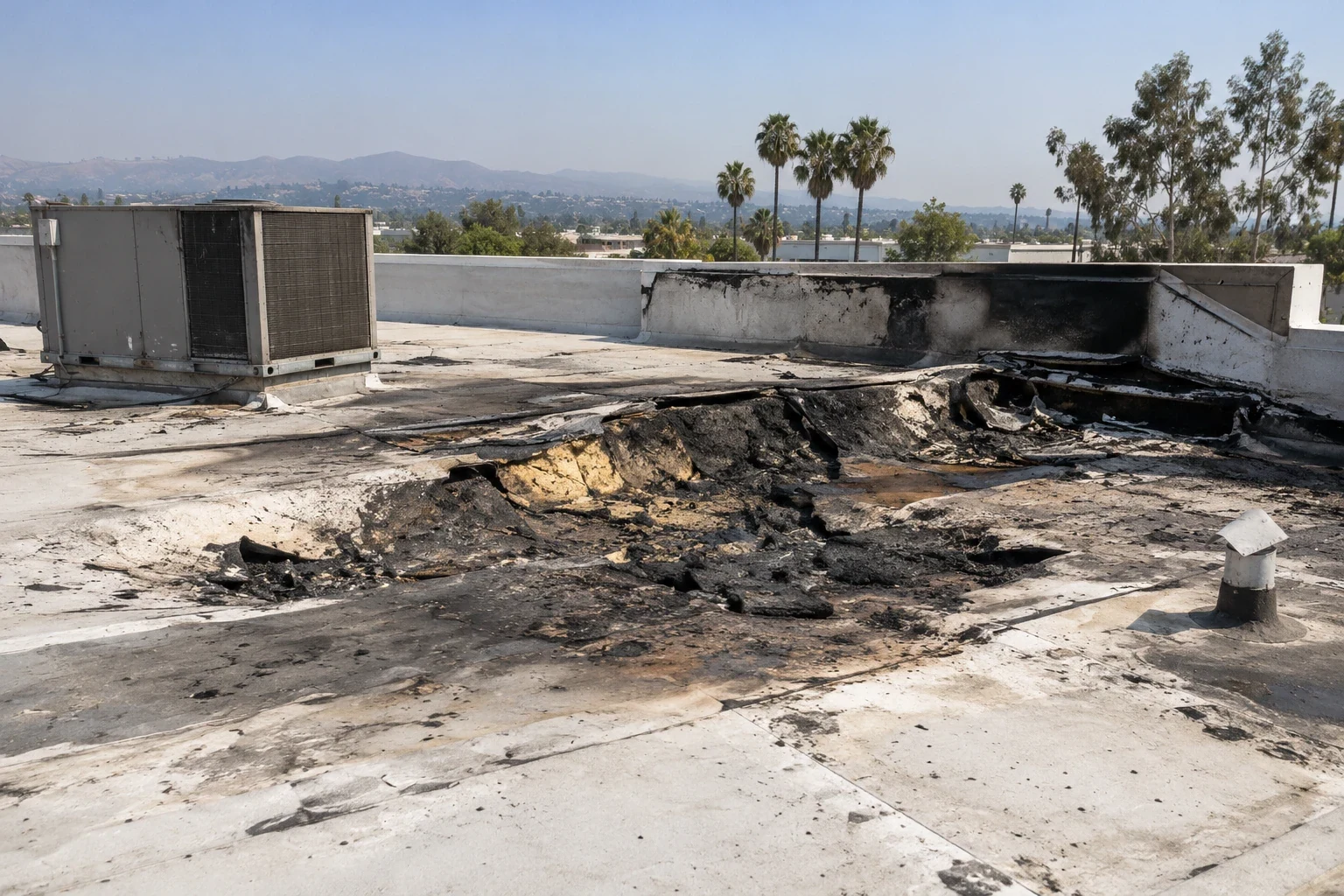
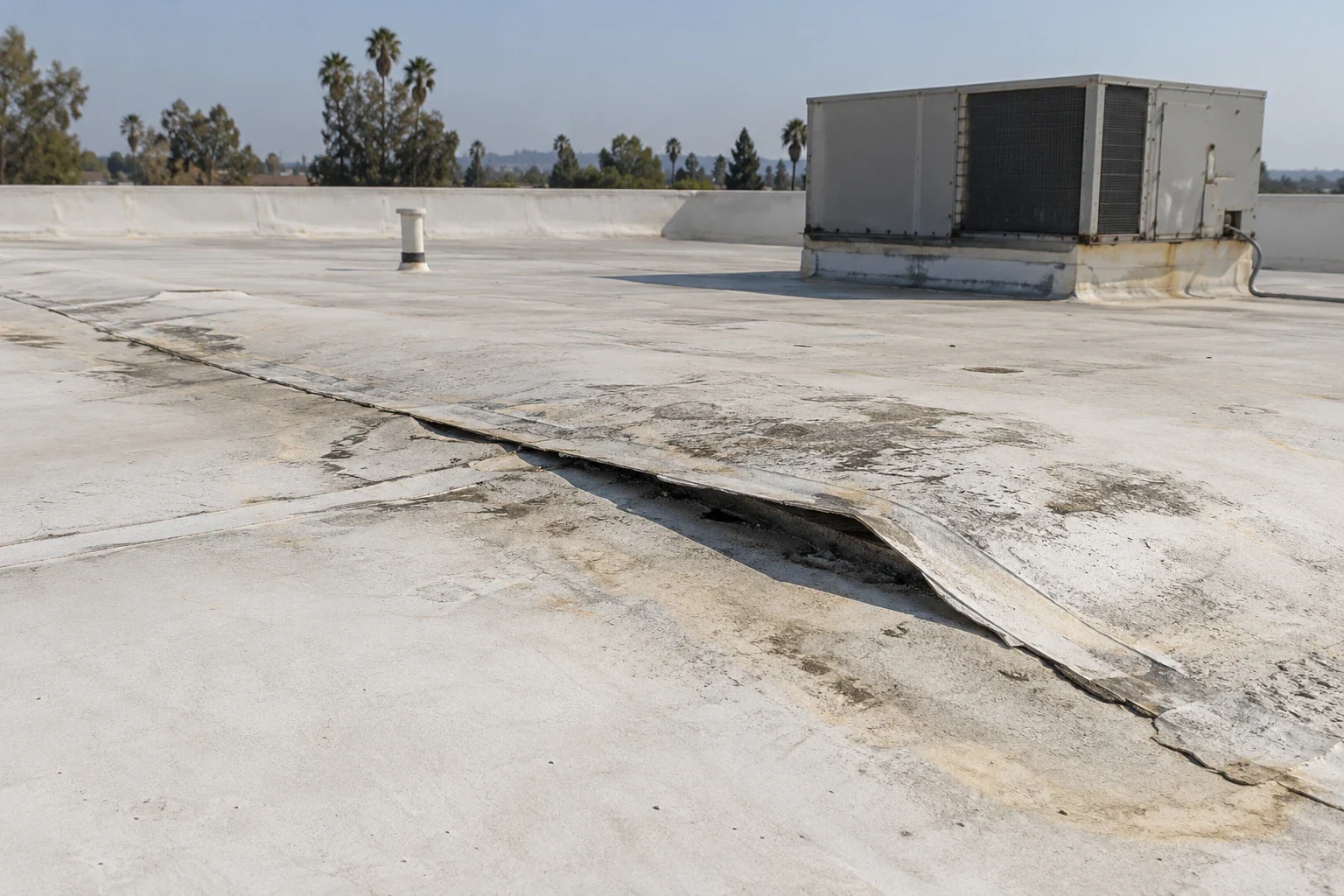
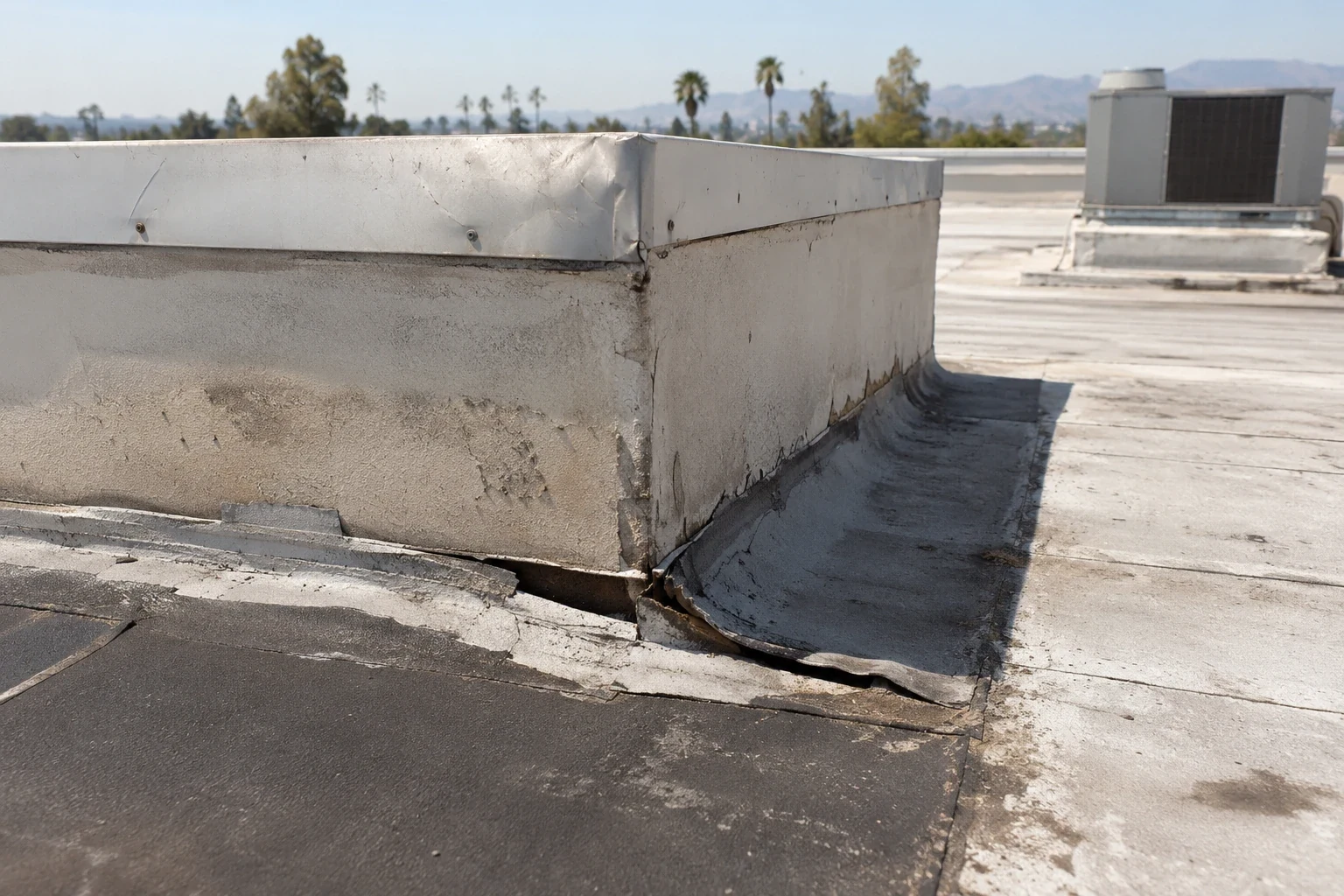
Wind pressure can affect edges, corners, roof openings, and transitions differently from the open field. We inspect membrane attachment, seams, metal panels, coping, flashing, roof hatches, skylights, and equipment curbs. A lifted corner can indicate fastener pullout or an attachment issue; a split seam can allow water entry even where the nearby surface appears flat. We map observed damage by roof zone and mark areas that could not be safely examined.
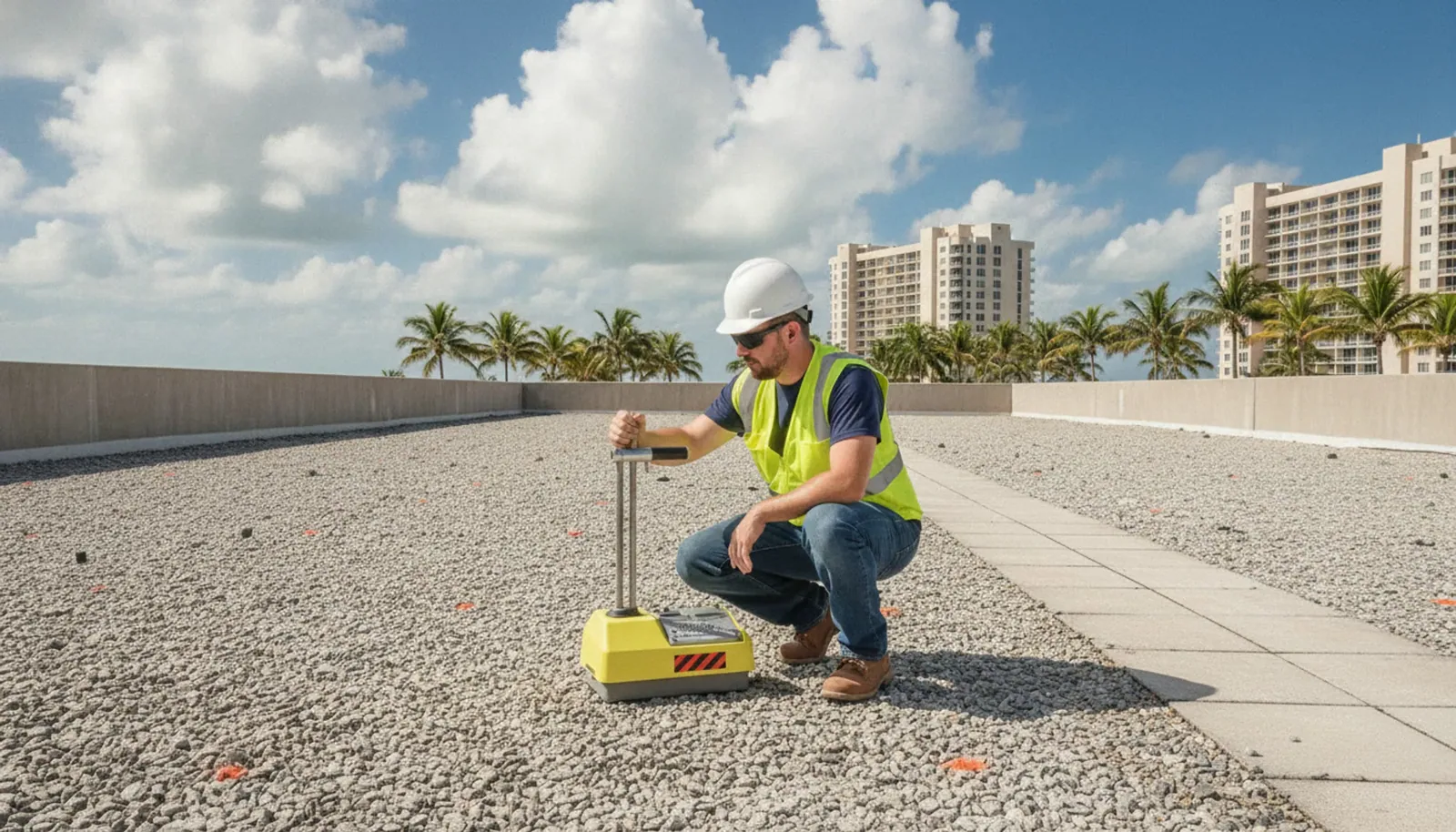
Inside, we document ceiling stains, wet insulation evidence, and the timing and location of reported leaks. Water may travel from its entry point before reaching an occupied room. A commercial roof inspection with photographs and marked observations links roof findings to visible interior effects. If moisture below the membrane is uncertain, an infrared survey by roof zone can help identify locations for confirmation.
We separate conditions directly observed from items needing further testing. A roof plan, repair history, photographs from before the event, and details of when the leak began can help establish scope. Those records are useful for the property decision and any insurance process, but the repair quantity still follows the current inspection.
Match repairs to the failed assembly
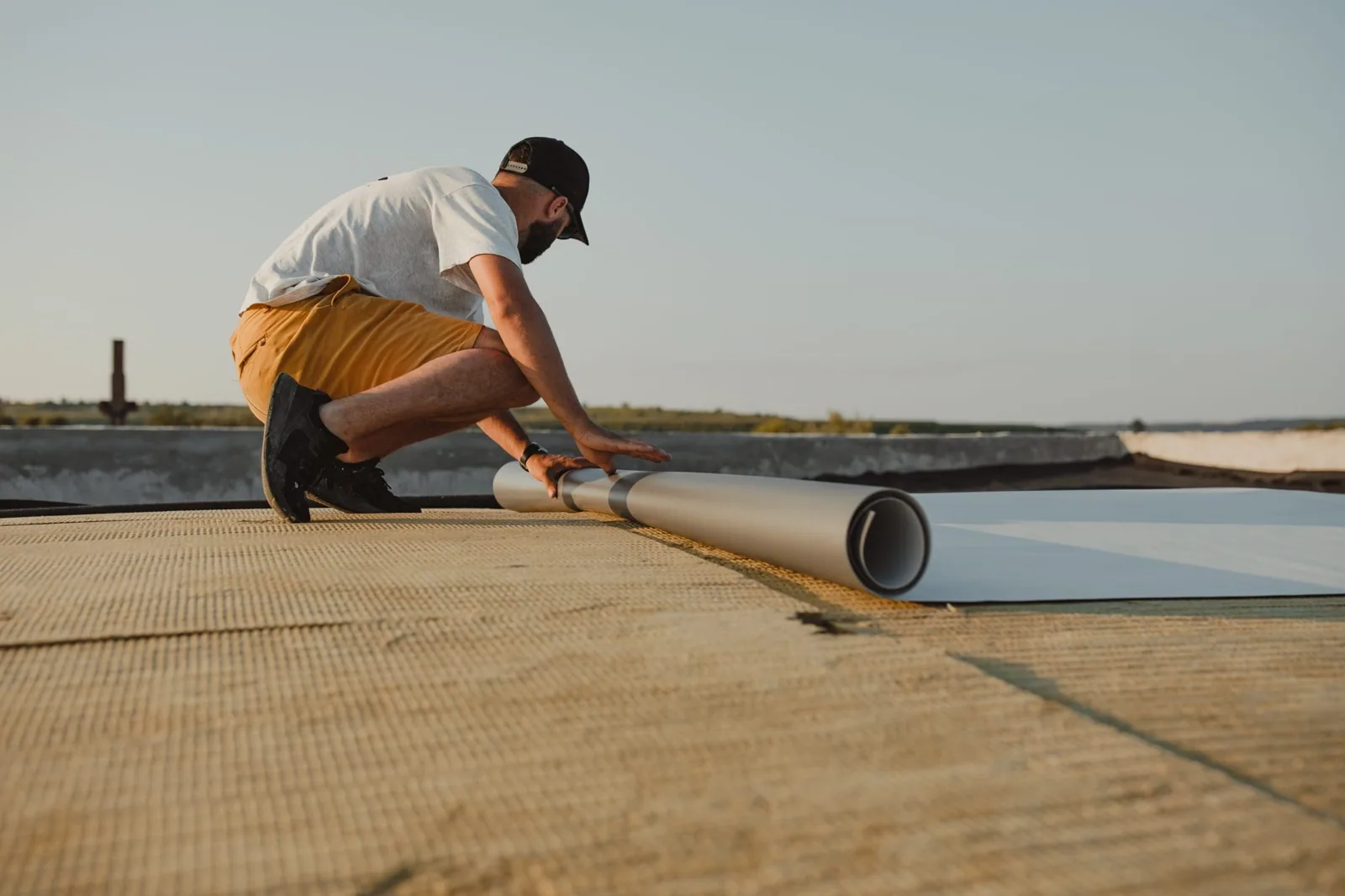
A lasting repair restores the component that failed, including the substrate and attachment needed to hold it. On a single-ply roof, that can mean replacing wet insulation, resetting membrane, and welding or bonding a compatible patch. On a metal roof, it may require replacing panel fasteners or damaged trim and preserving movement at the seam. We name the repair materials, preparation, and tie-in in the estimate instead of applying sealant over a loose edge.
Where damage reaches insulation or deck, a surface patch may not close the full problem. We define selective removal to sound material, identify the expected deck condition, and state what changes the quantity. If several roof zones show similar failures, the owner can compare repeated repairs with replacement or a designed recover. A repair scope for the affected roof system sets the boundary, while a recover assessment evaluates whether the retained assembly is suitable for another layer.
Repair quantities also depend on the replacement material, access equipment, and whether water has reached insulation or deck. We list those variables separately so the owner can understand which condition changes the price or schedule. If an edge repair requires a lift, we coordinate its location with parking and loading requirements. If a matching membrane or panel is unavailable, we identify the approved tie-in material in the scope before installation.
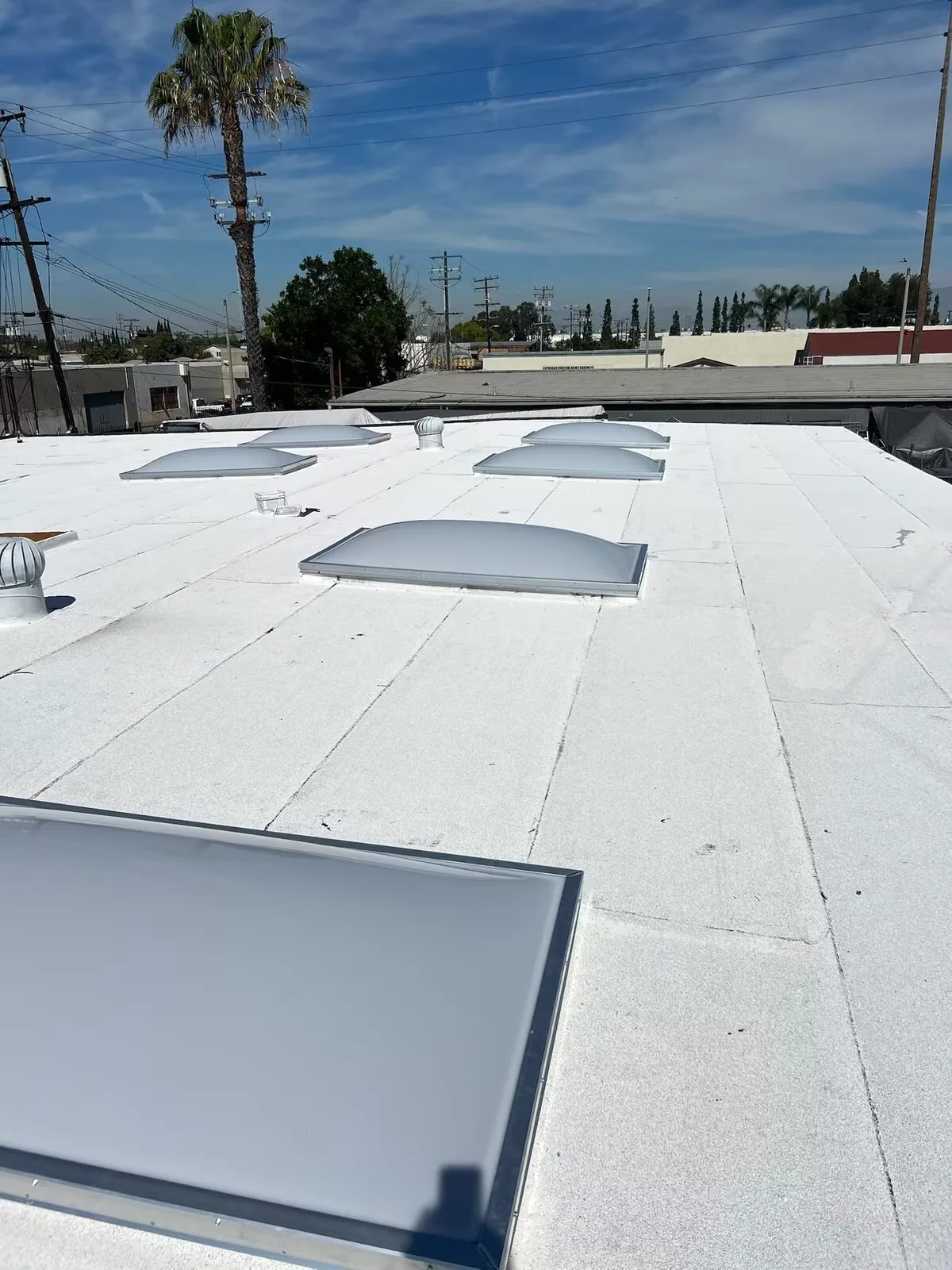
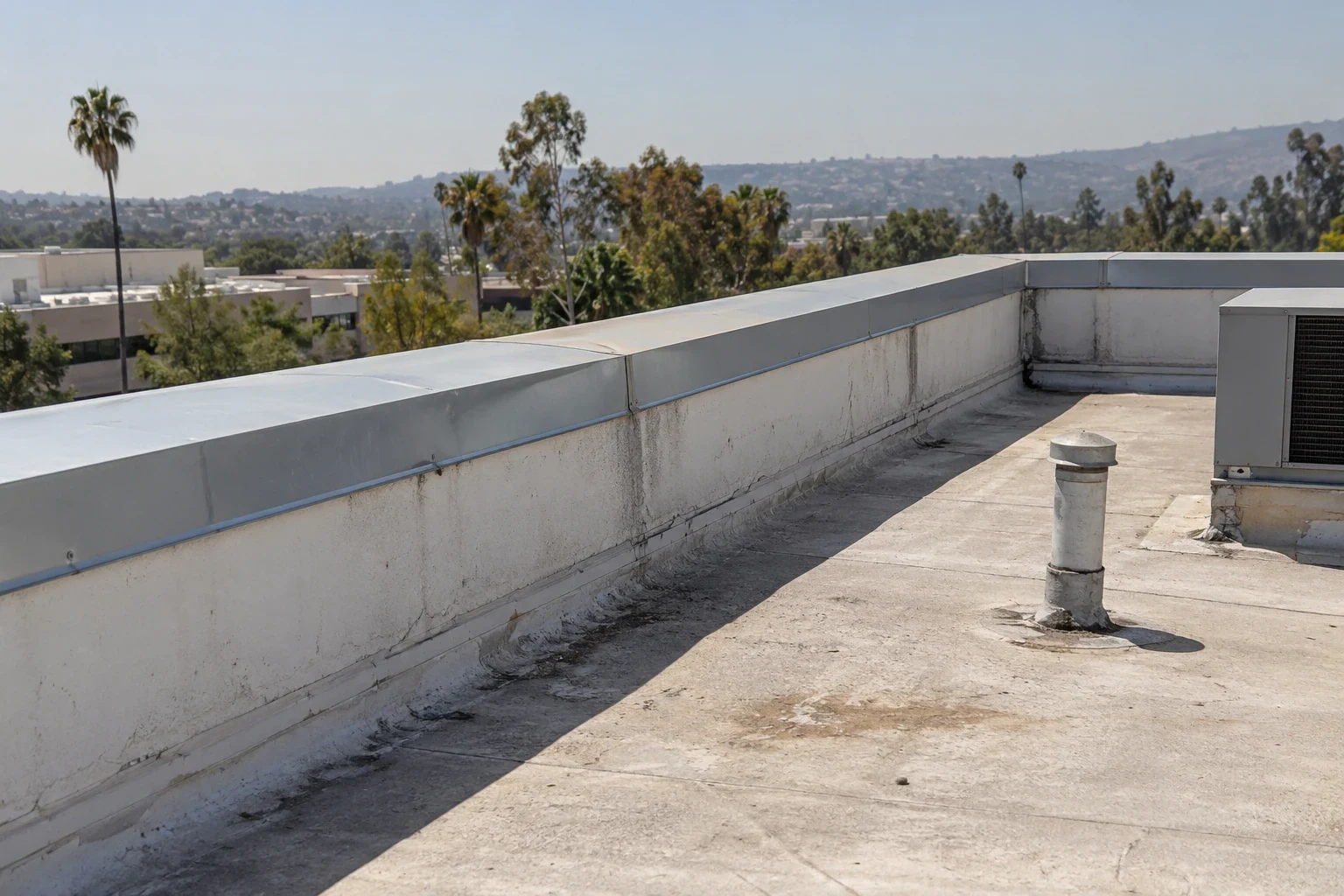
Openings at skylights, vents, curbs, and parapets need compatible flashing. Perimeter metal and coping work can be included when edge attachment or flashing has failed. Where a transition has opened, a flashing failure repair can address the failed detail. If water continues to collect, ponding water roof repair can evaluate low areas and outlets. We inspect the drain path so the repair does not obstruct water leaving the roof.
Coordinate access and records
Fontana's industrial districts include truck circulation and scheduled receiving, so a lift or material delivery can affect more than the roof crew. In the Southwest Industrial Park area, we confirm the property's own truck route, staging location, delivery window, and pedestrian controls. Other commercial buildings along Downtown Fontana's Sierra Avenue, Valley Boulevard, and Foothill Boulevard corridors may have different frontage and customer-access needs. Each work plan follows the individual site.
Before permanent repairs start, we agree on the roof opening limit, daily close-in, debris path, and interior protection. If removal exposes wet insulation or a damaged substrate, work pauses at a secure boundary while we measure the added quantity and request approval. The owner receives a clear choice before the crew extends the removal area. That protects schedule and keeps emergency covering separate from a full replacement decision.
At completion, we record repaired zones, materials, flashing details, and remaining conditions. If an insurance claim is involved, the documentation can identify observed damage and completed work without predicting claim acceptance. A later inspection can check repaired edges and nearby attachment after service resumes. We record conditions that could affect adjacent areas and recommend a return review if new movement or water entry appears.
Frequently Asked Questions
Does a lifted roof edge mean the whole roof needs replacement?
No. We inspect the edge attachment, membrane or panel condition, adjacent field, and any wet insulation before setting the repair extent. A localized failure may be repaired, while repeated attachment loss or moisture in several zones can support a broader scope. The decision is based on observed conditions and testing.
Can you stop an active leak before the permanent repair?
When safe access is available, we can install temporary protection to limit water entry and secure the exposed area. We record what was covered and what remains vulnerable, then define the permanent material repair separately. Temporary protection limits water entry at the surface; insulation and deck below need separate inspection before permanent repairs are set.
What should I document after wind damages the roof?
Record when the problem began, affected interior areas, any visible debris or displaced components from a safe location, and photos already available. Avoid walking on unstable roof areas. We map current findings and can provide repair documentation, while coverage decisions remain with the insurer.
How quickly can commercial roof repairs begin in Fontana?
Timing depends on safe access, active weather, materials, lift requirements, and operating restrictions. Emergency protection may be possible before permanent repair materials are ready. We confirm the first available work window and identify any separate trade or site approval needed to proceed.