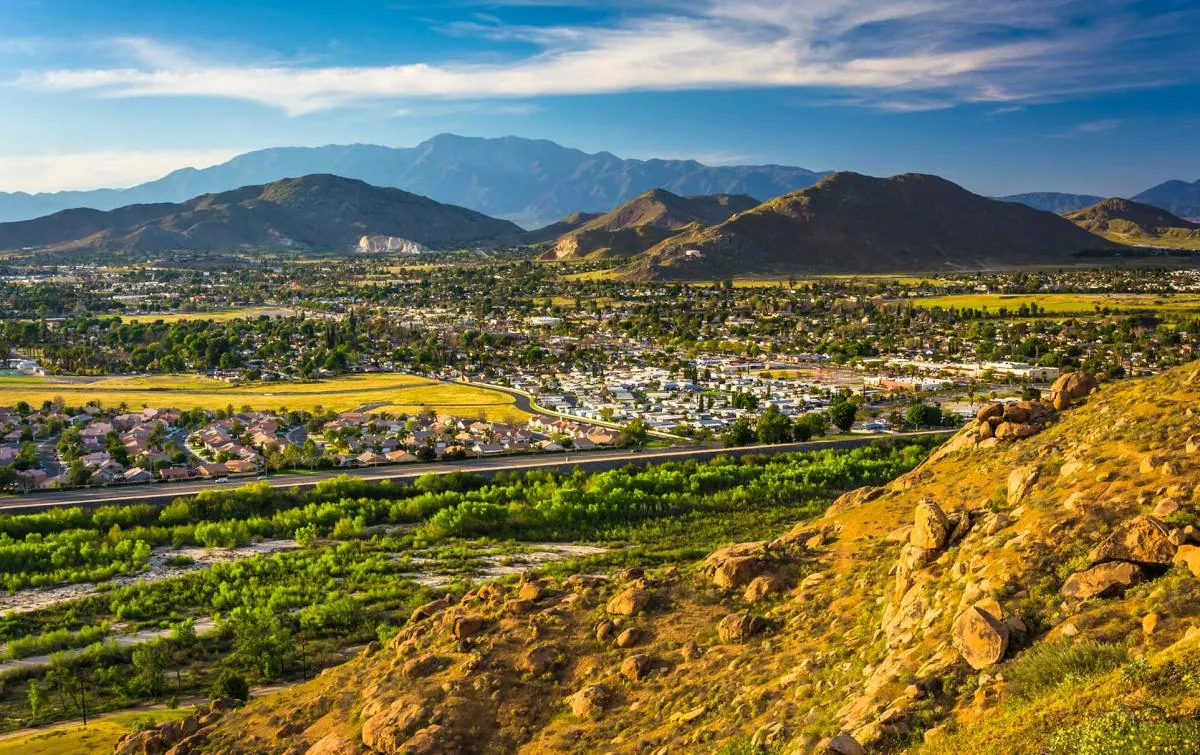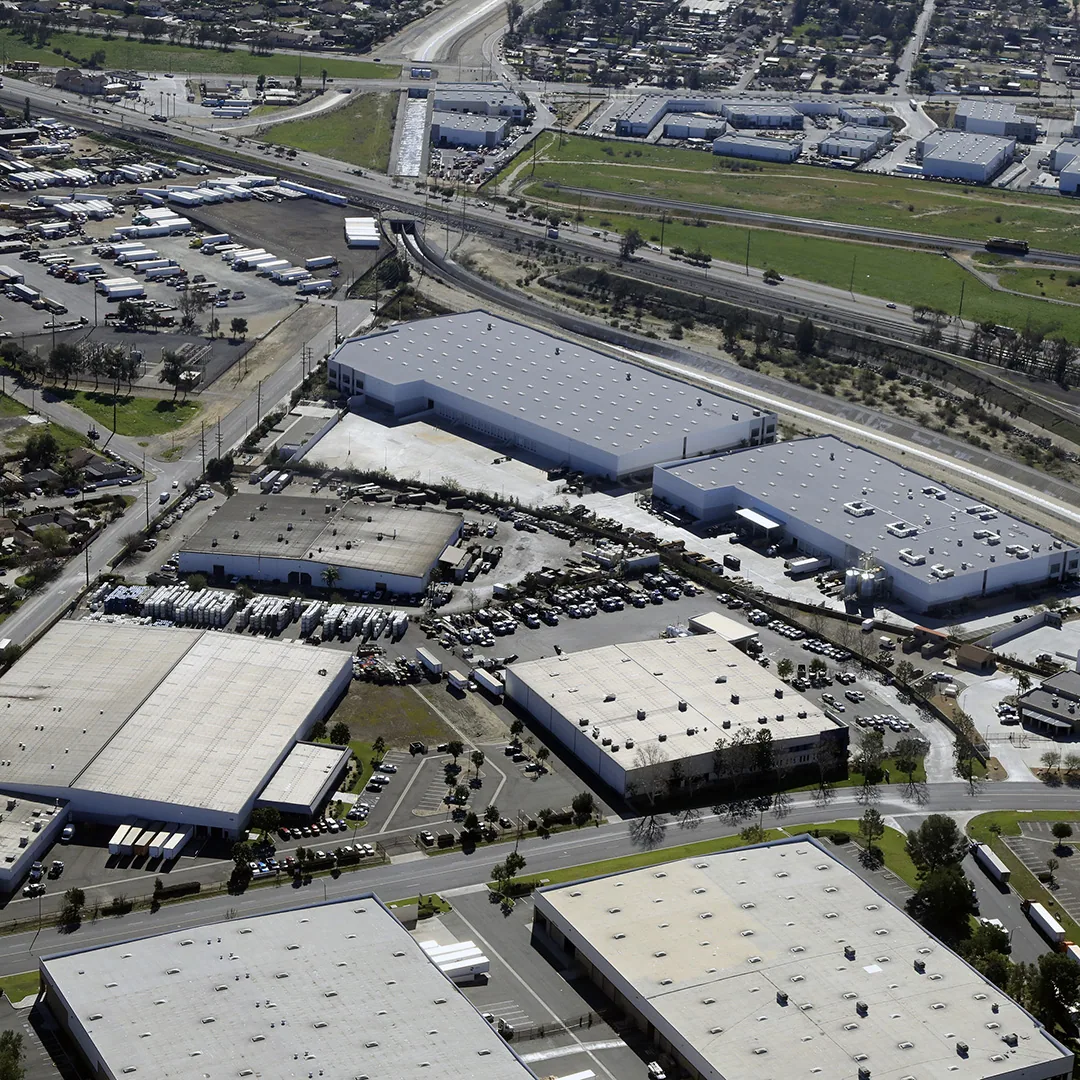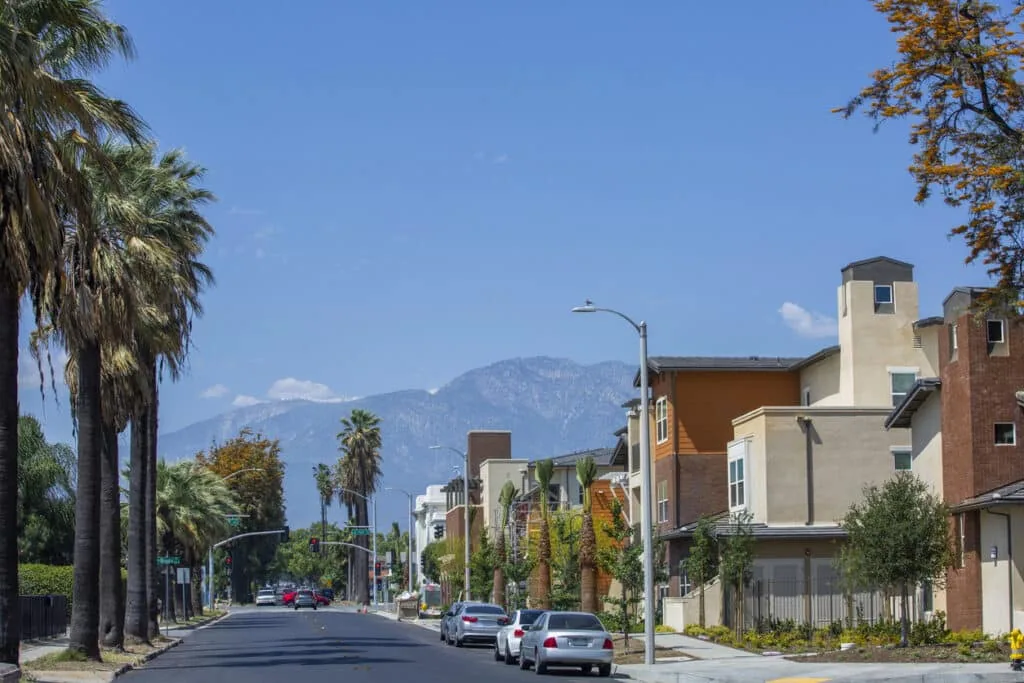
the Mira Loma Industrial Complex
Commercial roofing in Mira Loma Industrial Complex, planned around freight routes, safe roof access, drainage, material staging and daily closeout.
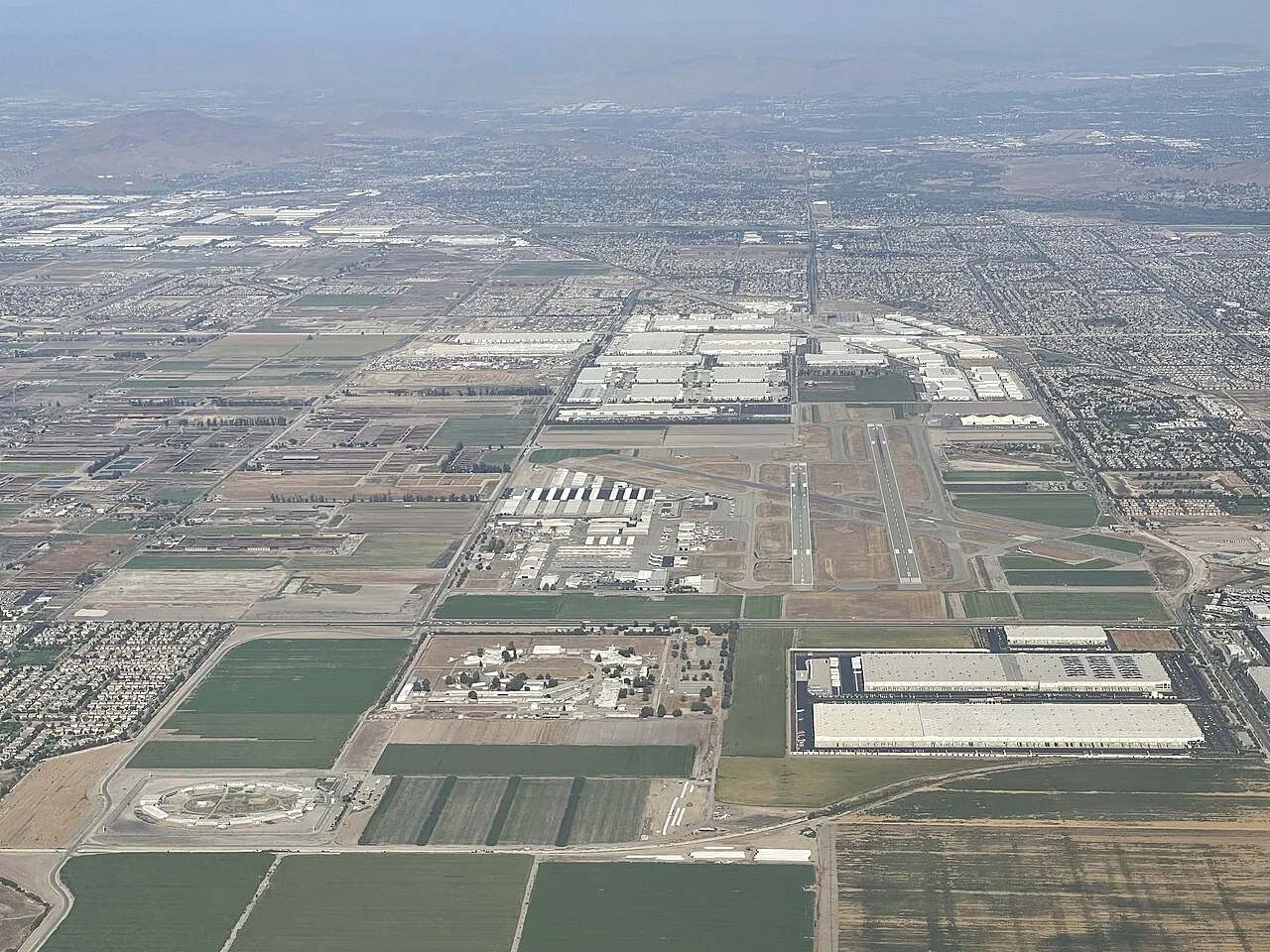
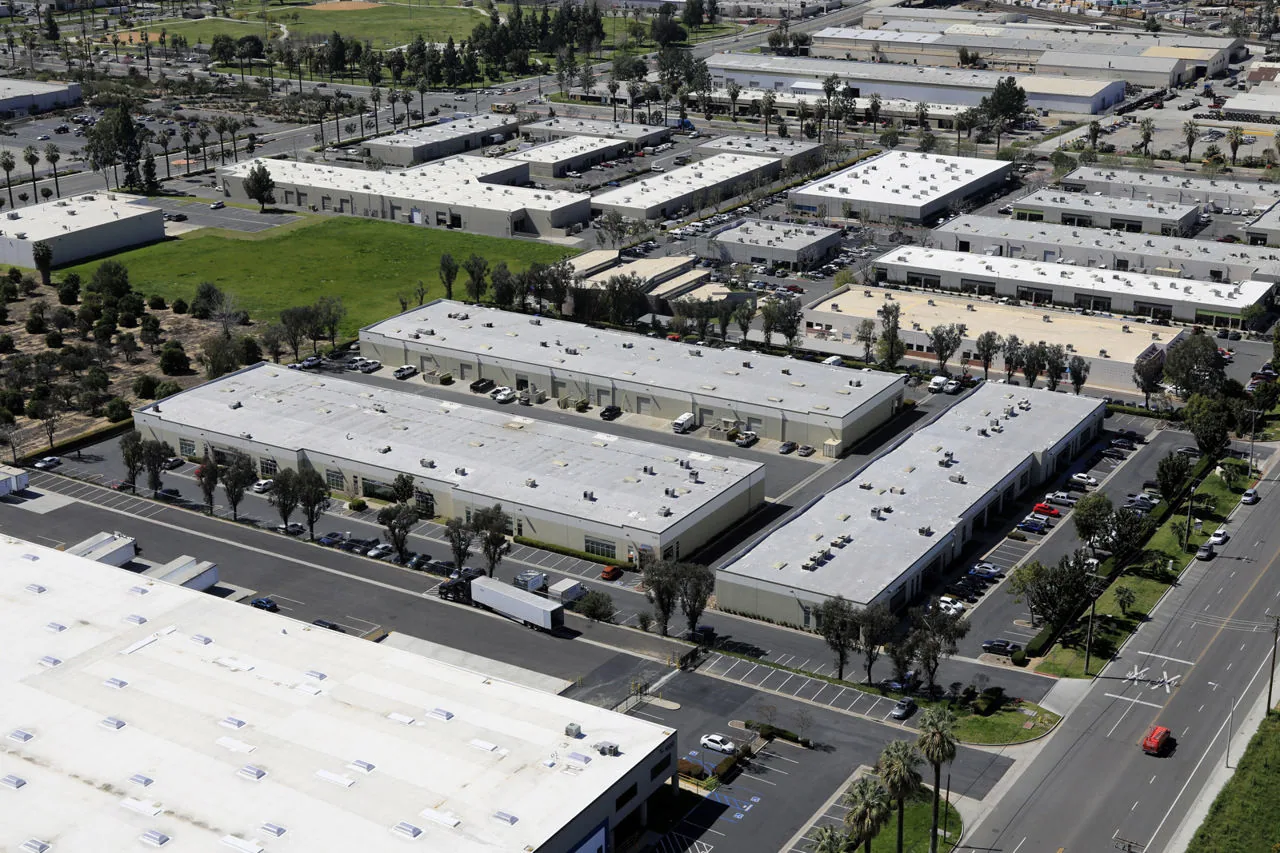
A dispatch yard needs a clear roof-work boundary as much as it needs an open truck route. The Mira Loma Industrial Complex sits within Jurupa Valley’s freight network, with I-15, SR-60, heavy rail and Metrolink service connecting industrial properties to regional movement. We plan the repair or reroof around the specific building’s roof access, loading pattern and operating window.
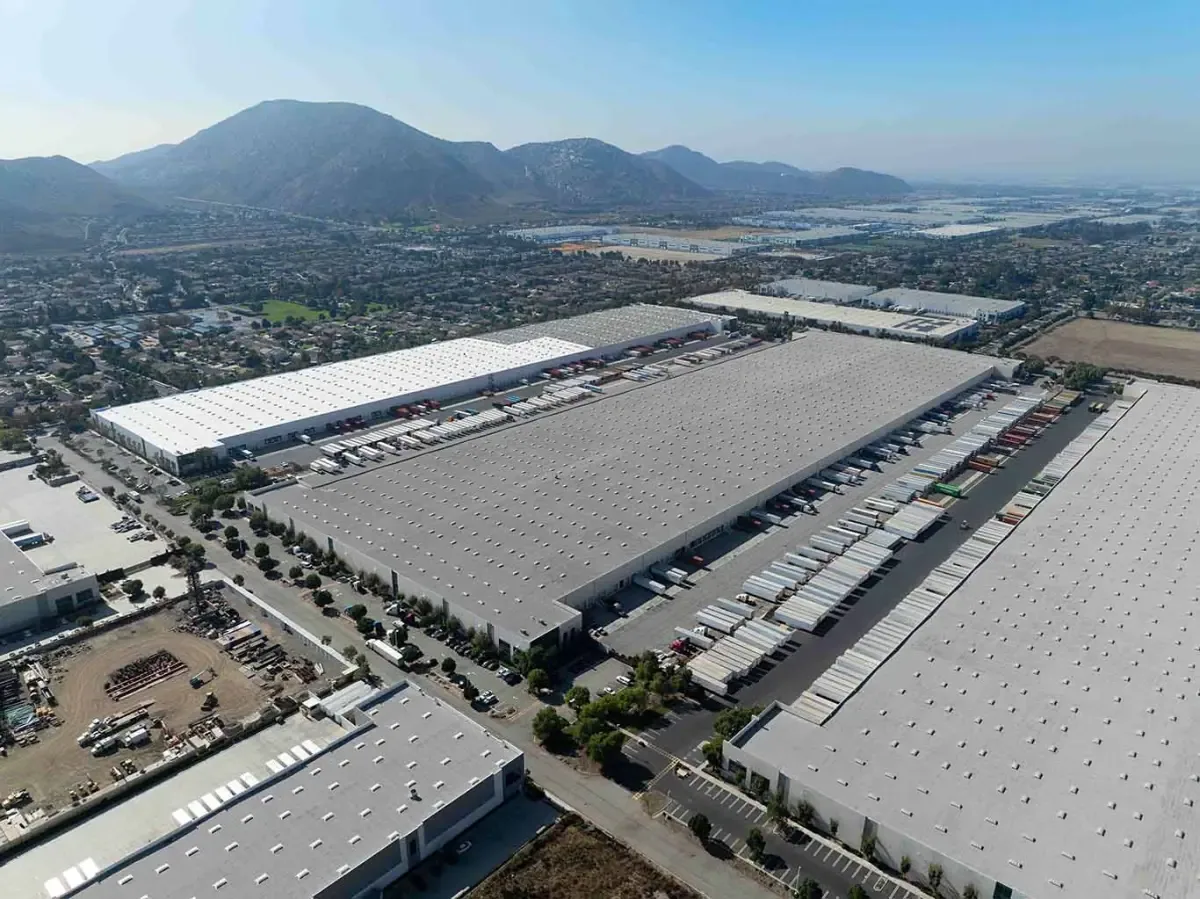
The complex's distribution activity makes receiving patterns relevant to staging. We inspect the building's roof system, drainage and equipment, then plan the work area around its operating shift.
Schedule around dispatch and receiving
At a distribution property, the work plan should make room for the vehicle movements that cannot be paused. We confirm which court or gate can accept a delivery, how the lift will reach its setup point and when debris can leave the site. If the main route stays active, we can identify an alternate staging area or divide deliveries so roofing pallets do not restrict trailer turns.
Jurupa Valley's industrial district is served by both highway and rail connections. A site's freight pattern may include several shifts, appointment windows or a controlled entry, each affecting how much roof work fits in the day. The property manager supplies those operating limits; our sequence sets the equipment, material and roof boundary around them. Phased reroofing can separate a work zone from areas that must continue receiving freight.
Across the county line, the Jurupa Industrial Park Plan Area has another transportation-oriented property mix. At either location, the manager confirms the dock schedule, entrance and lift position before delivery.
Protect the active floor and roof opening
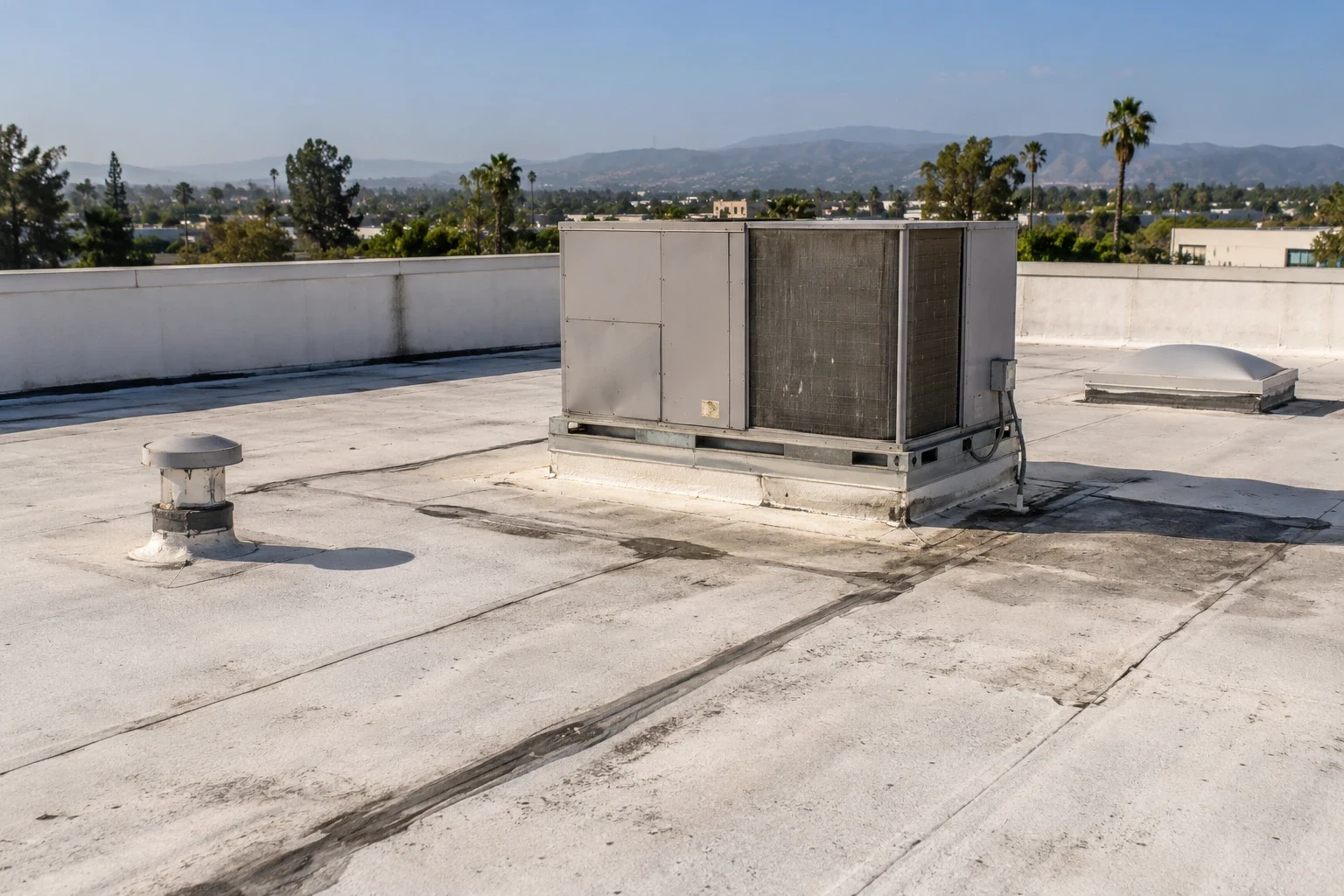
Industrial roofs can include equipment, penetrations, skylights, curbs and service paths that need protection while a crew works. We identify the access point and mark fragile or restricted zones during the walk. If a repair requires opening the membrane, the work plan limits the exposed section and names the tie-in or cover that will remain at shift end.
Below the roof, vehicle operators and warehouse staff need a predictable boundary. We set the drop zone, warn the site contact about any temporary exclusion area and route debris away from receiving operations. Where a building continues running beneath a replacement area, occupied-roof phasing can coordinate overhead protection with the sequence.
When a drain or curb sits over a high-traffic area, work timing matters too. The team can isolate that detail, complete the tie-in and remove tools before releasing the ground zone. The manager gets a clear handoff rather than an open question about where the crew left off.
Follow the water path across the assembly
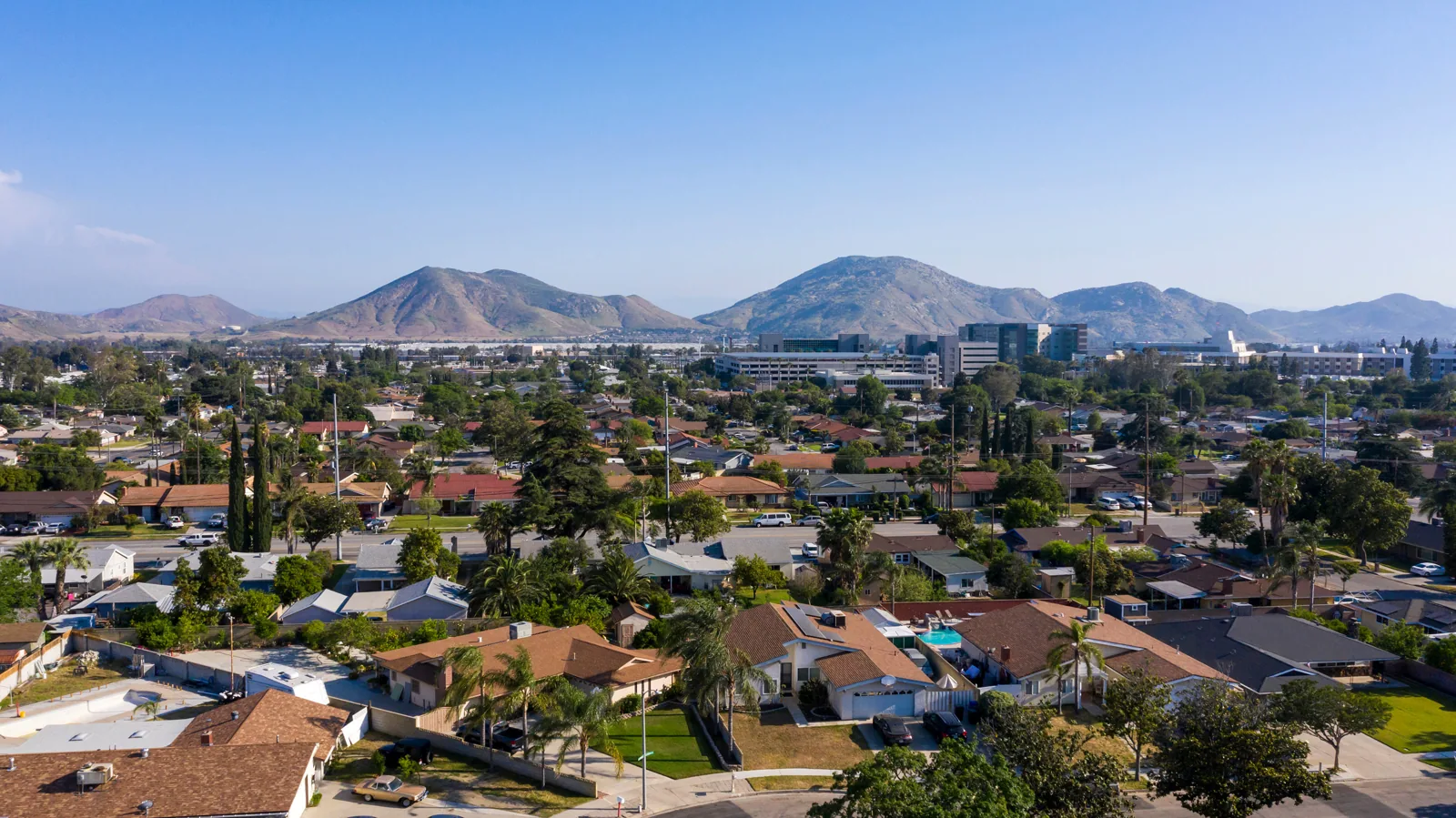
A roof leak may first show at an office or pick area while the membrane entry is at a seam, curb or perimeter a distance away. We inspect the reported location and the related roof details, looking at membrane laps, fasteners, flashing, drain bowls, expansion joints and previous repairs. The inspection connects each photograph to a roof section that can be priced or tested.
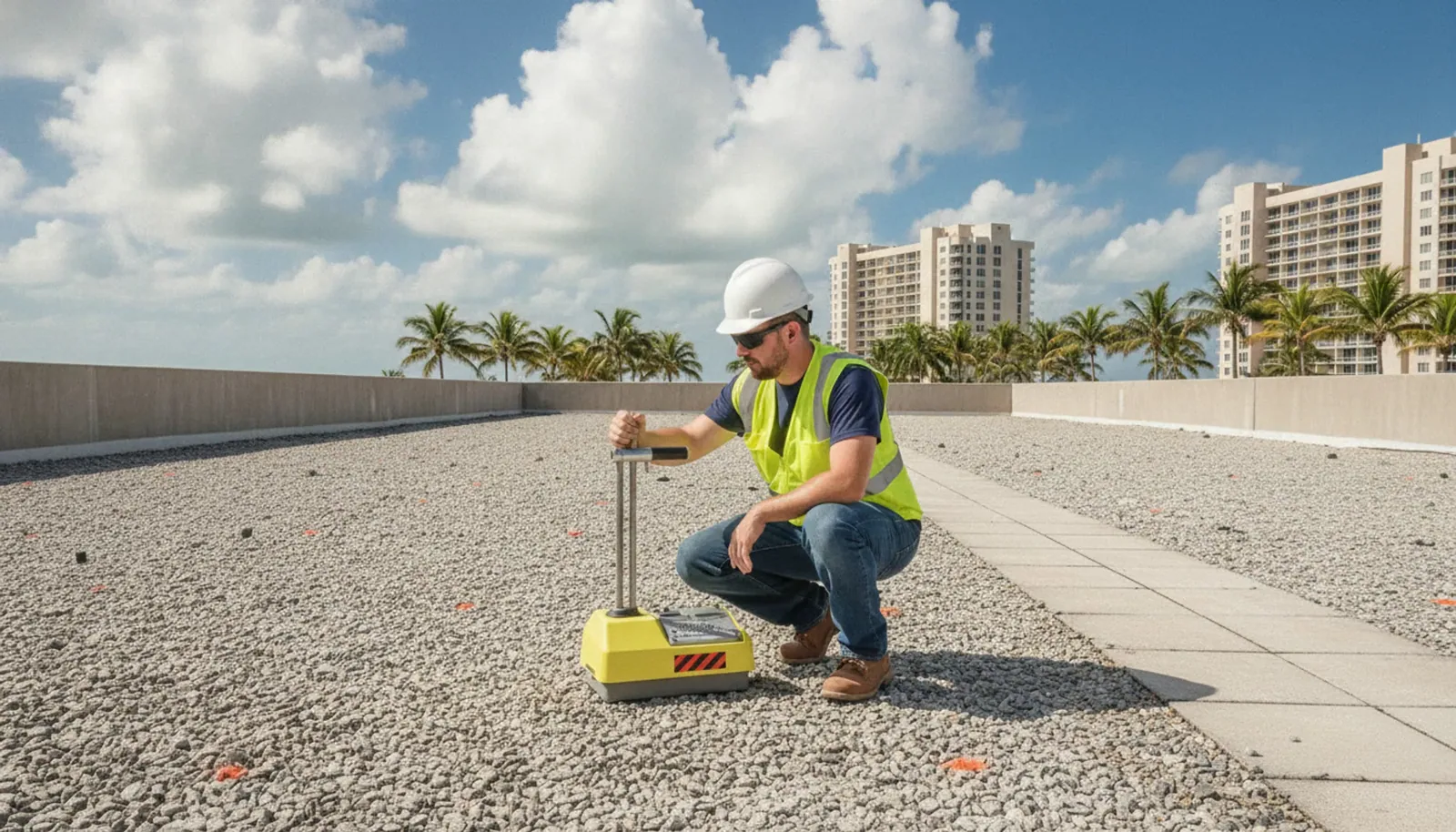
If the building contains multiple roof additions, we record changes in height, deck transition and system where visible. A prior patch that holds in one area does not establish that a nearby seam is sound. When hidden insulation moisture remains in question, a moisture survey or controlled test opening can guide next steps.
We explain what the accessible inspection shows and what remains inside the assembly. If the test exposes wet insulation or a damaged deck, the additional quantity is measured and priced before repair extends beyond the approved boundary.
Restore drainage and perimeter details
Water on a low-slope roof should move to its outlets without pooling around equipment or seams. We check the drain, strainer, flashing, scupper and overflow path for obstruction or damage, then determine whether roof work can correct the detail or a plumbing trade must finish it. Drain and scupper repair can be included with a membrane scope when the bowl or flashing controls the leak.
Perimeter metal and penetrations need a continuous water-shedding detail. We inspect counterflashing, coping, curb corners and pipe boots for loose edges or split laps. The repair description identifies the materials and transition being restored so a small patch does not omit an adjoining weak point.
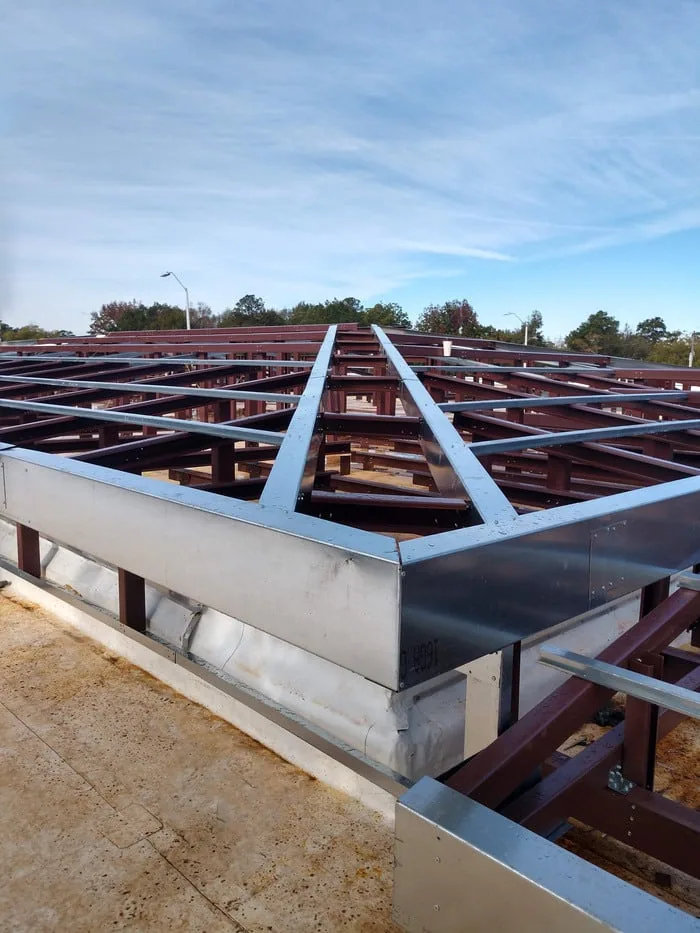
For replacement, drain location can affect new insulation slope, edge terminations and daily work sequence. We coordinate outlet changes before installation and keep temporary protection clear of the drainage path.
Match installation to the roof surface
Summer forecast highs in Fontana can exceed 100 degrees. On an existing Mira Loma roof, surface temperature and the selected system’s instructions determine when a membrane, adhesive or coating can be installed. We plan an opening size the crew can prepare and close within that work window, including the time needed to complete a seam and perimeter tie-in.
Most regional rainfall arrives in the cooler months. A long roof replacement needs temporary protection, outlet access and a decision about where the next section can open if a shift is delayed. We identify these conditions before tear-off, then close the day's section instead of carrying an exposed edge into the next operating period.
Compare a localized repair with renewal
A contained repair can make sense when a seam or flashing failure has a clear boundary and the surrounding roof remains sound. Repeated water entry, widespread wet insulation or attachment concerns can shift the choice toward recover or replacement. The inspection documents the area, and any test needed before that choice is shown separately.
Pricing depends on measured roof area, layers, deck condition, equipment and lift access, edge metal, drainage corrections and the available shift. If several dock-side sections must stay active, shorter work windows can mean more setup and closure time. A replacement proposal spells out tear-off, insulation, membrane and perimeter work by area so the owner can compare it with repair.
Hand back the roof and receiving area
The closeout record lists the roof area completed, material, quantities, photographs and unresolved items. A temporary cover, deferred plumbing connection or equipment trade is identified by status and location. The site manager can use the marked roof area to relate a later maintenance visit to the repair just completed.
Before handoff, the crew removes loose material, checks the completed outlet and clears the lift or truck route. If a receiving lane was restricted, the site contact can verify that the agreed access has returned to normal. Any roof area outside the accepted scope stays identified as a separate section.
Frequently Asked Questions
Can roof work happen while the distribution floor stays open?
Often, if the work zone, delivery schedule and overhead protection are agreed in advance. We can stage by roof area and preserve a specified vehicle path during each shift.
Does rail access mean a facility has a rail-served roof?
No. Rail and highway connections describe the area's regional freight network. We inspect the specific building and coordinate its roof work with the operating routes the owner identifies.
What do you inspect when a leak is reported at a warehouse?
We compare the interior report with seams, curbs, roof penetrations, drains and perimeter details. If concealed moisture could change the repair, we explain a survey or test opening before adding that work.
How do you protect a receiving lane during a reroof?
We locate lift setup, material unloading, debris route and any temporary exclusion area with the site contact. The daily sequence states when the lane is occupied and when it will be released.
What determines if a warehouse roof needs replacement?
The extent of seam or flashing failure, moisture, attachment, deck condition and repair history guide that decision. We compare a defined repair with recover or removal based on the installed assembly.