Government Building Roofing
Plan municipal roof repair and replacement with defined access, occupied-area protection, drainage, code coordination, and documented closeout.
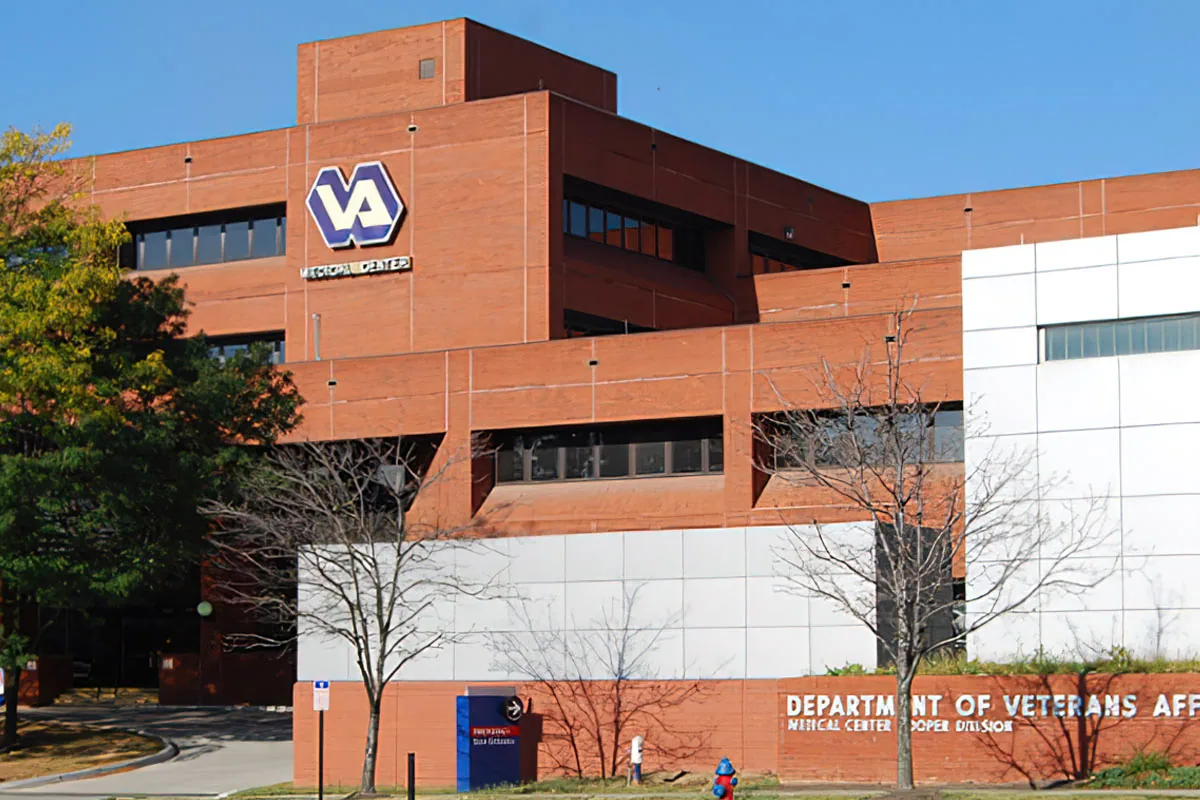
Roof work at a municipal or public-service building has to fit the function of the facility below. In Fontana, CA, we start with building access, occupied departments, public counters, emergency routes, service yards, and areas that cannot be blocked during the workday. The owner’s representative identifies those limits and the process for authorizing changes. We then divide the roof into zones, define the removal or repair boundary, and state how each opening will be protected and closed. For public procurement, the proposal should describe materials, quantities, phasing, testing, and handoffs clearly enough to compare. It should also separate concealed-condition procedures from the base scope. Fontana’s adopted state building-code set is current to 2025; the project team must confirm which requirements apply to the specific work and permit path before construction documents are finalized.
Keep public routes and service access clear
A roof scope can affect more than the roof. Deliveries, lifts, debris containers, and temporary barriers may change how visitors reach a counter or how staff move between departments. The site contact identifies accessible entries, parking, service vehicle paths, and emergency access before mobilization. The work plan records where equipment can stage, which routes remain open, and who can approve a temporary adjustment if public activity changes.
West End Fontana is a broad mixed-use planning area near I-15 and Baseline Avenue, with planned industrial, commercial, office, business-park, residential, and public uses. Agency staff confirm operating hours, security rules, visitor peaks, and restricted rooms for the building in scope.
For a facility that remains open, we map each roof zone against its area below. The boundary may require a covered walk, temporary closure, or interior dust protection, based on the work and the agency’s requirements. A public office roof plan can involve similar access questions, while government service counters may have their own hours and security needs.
Make the condition record procurement-ready
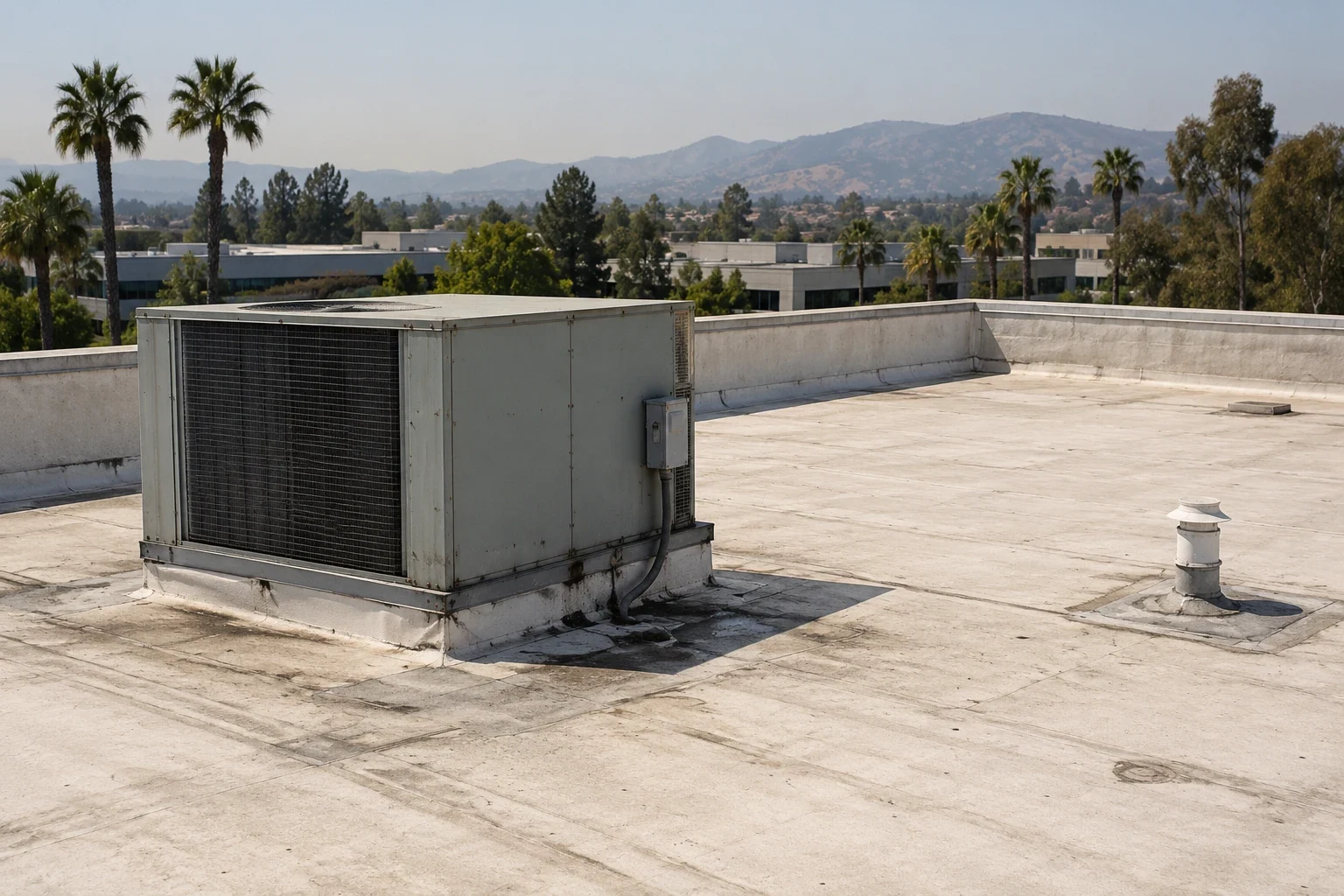
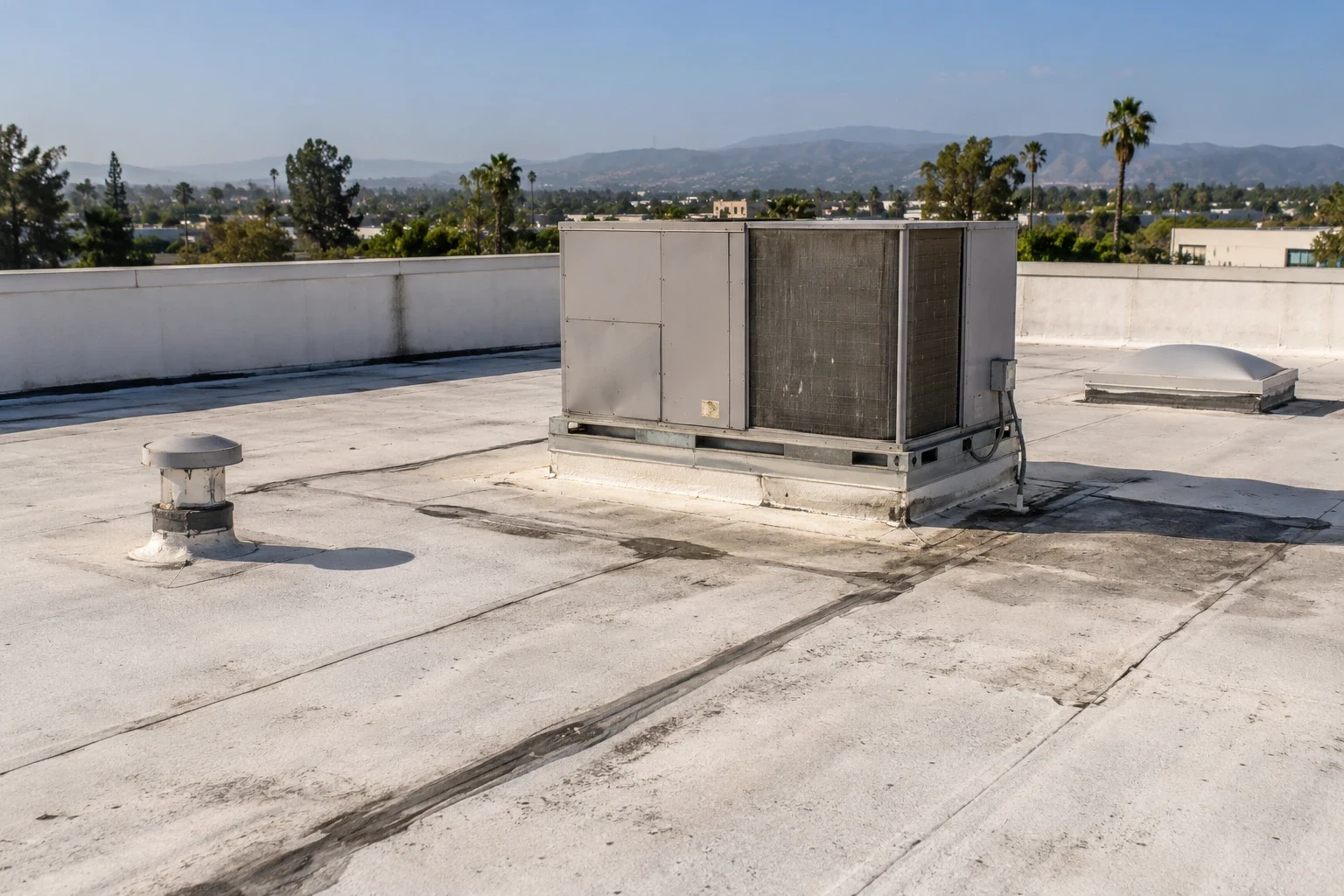
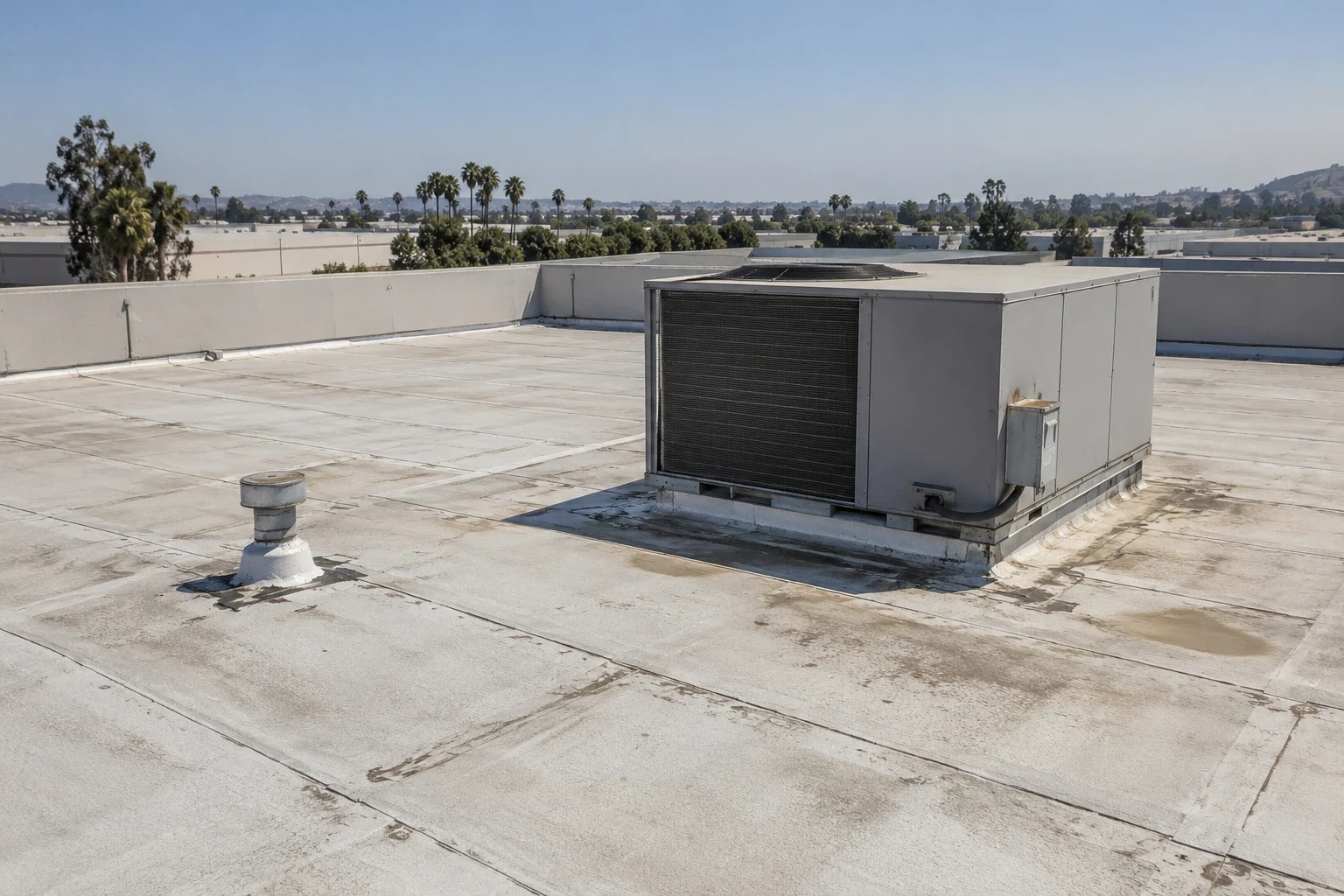
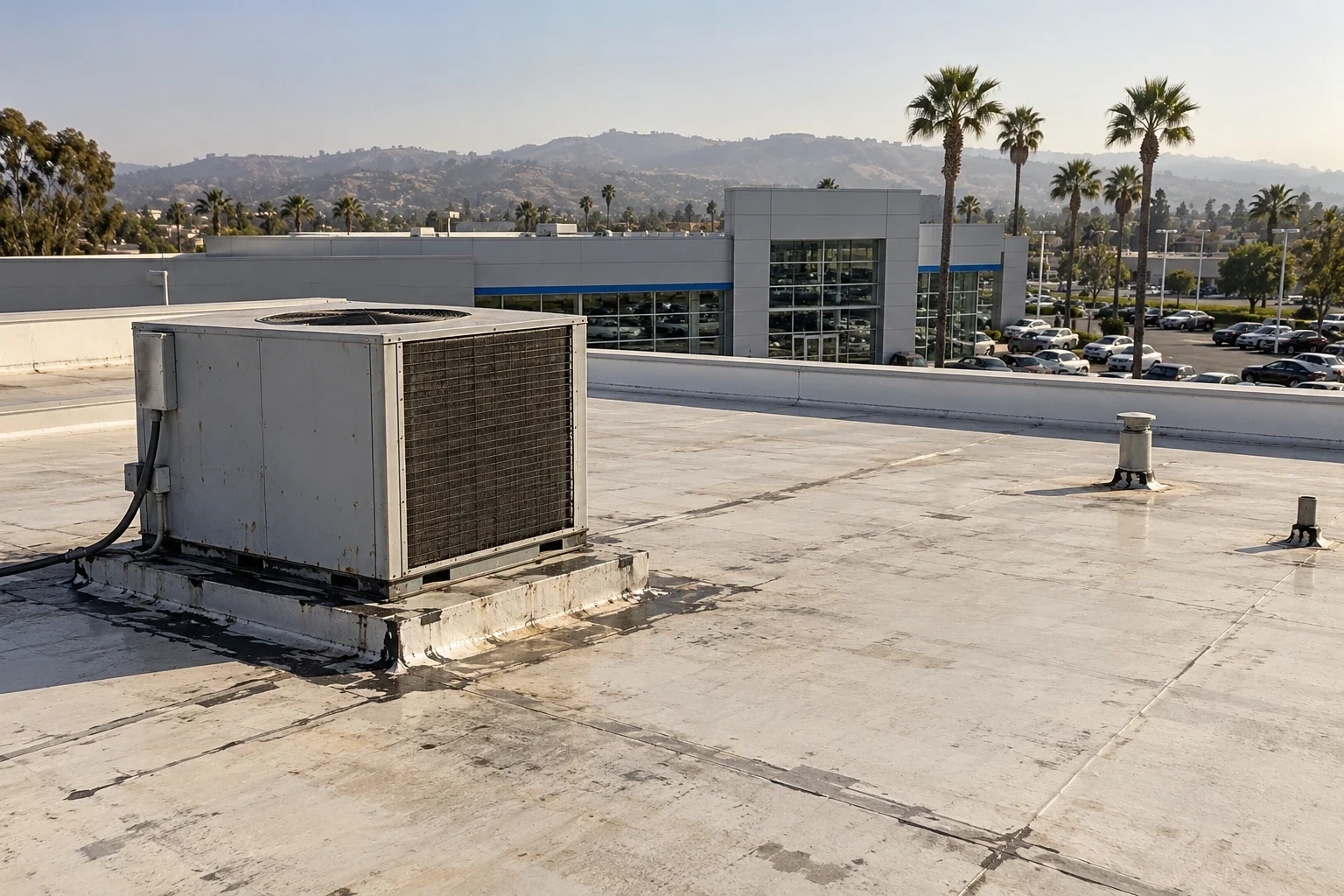
We inspect the existing assembly before recommending repair, recover, or replacement. Visible membrane or metal, seams, edge details, curbs, drains, overflows, rooftop equipment, and previous work are recorded by roof zone. A reported leak is compared with the roof conditions around it because water can travel below a surface. If moisture testing or a controlled opening is needed, the scope states what will be tested and what remains outside the observation.
Photographs and a marked plan help agency staff evaluate quantities and confirm the work boundary. The record distinguishes active leaks from aging details and from accessible areas without a visible defect. It also records where an addition, patch, or equipment change affects a tie-in. A commercial roof inspection can create that baseline before the agency publishes a bid or authorizes a repair.
Public owners may need a defined approval path for substitutions and field conditions. We identify the specified product, compatible alternatives if permitted, and the documentation needed before a change. If removal exposes wet insulation or a different assembly, the contractor protects the area and submits measurements and photographs for direction instead of expanding the work without approval.
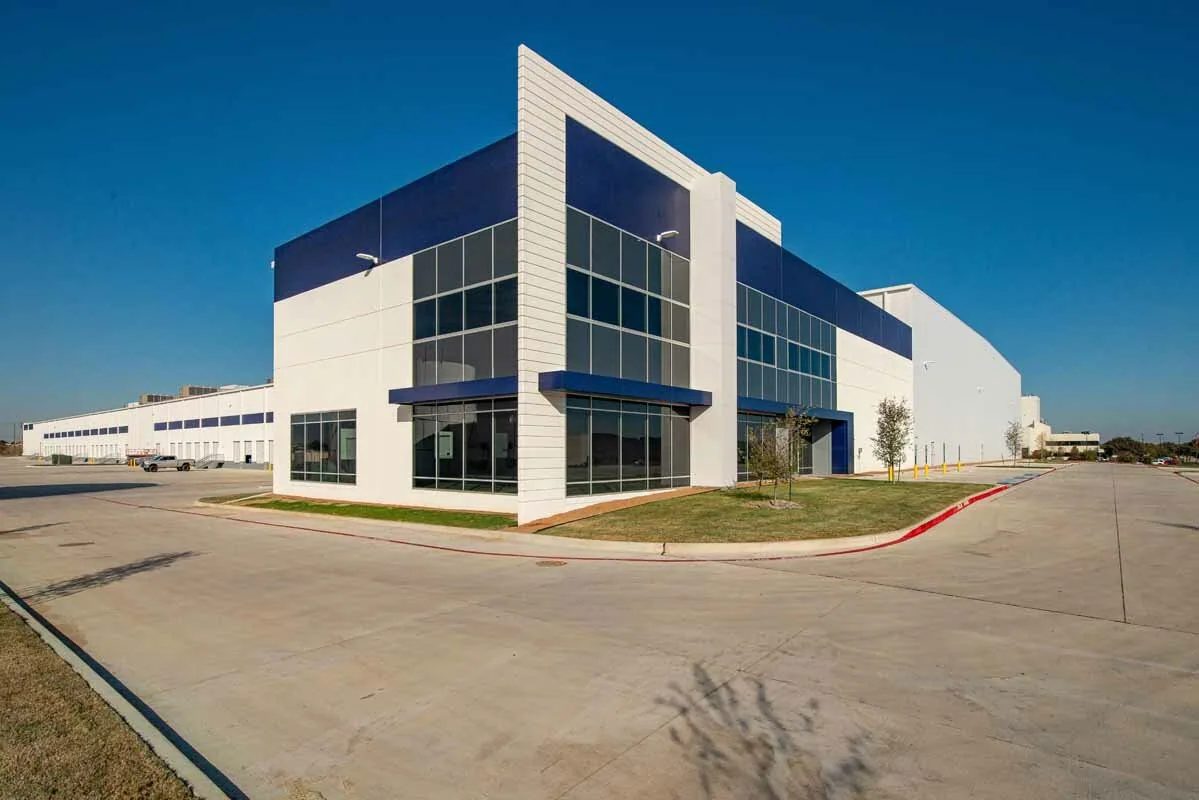
Confirm requirements before setting the assembly
Fontana adopts the 2025 California Building Code, based on the 2024 International Building Code, along with the 2025 California Energy Code. The applicable permit, energy, fire, accessibility, and project requirements still depend on the building and the scope. We coordinate the roofing assembly with the design professional and owner’s representative rather than treating one code reference as a complete determination.
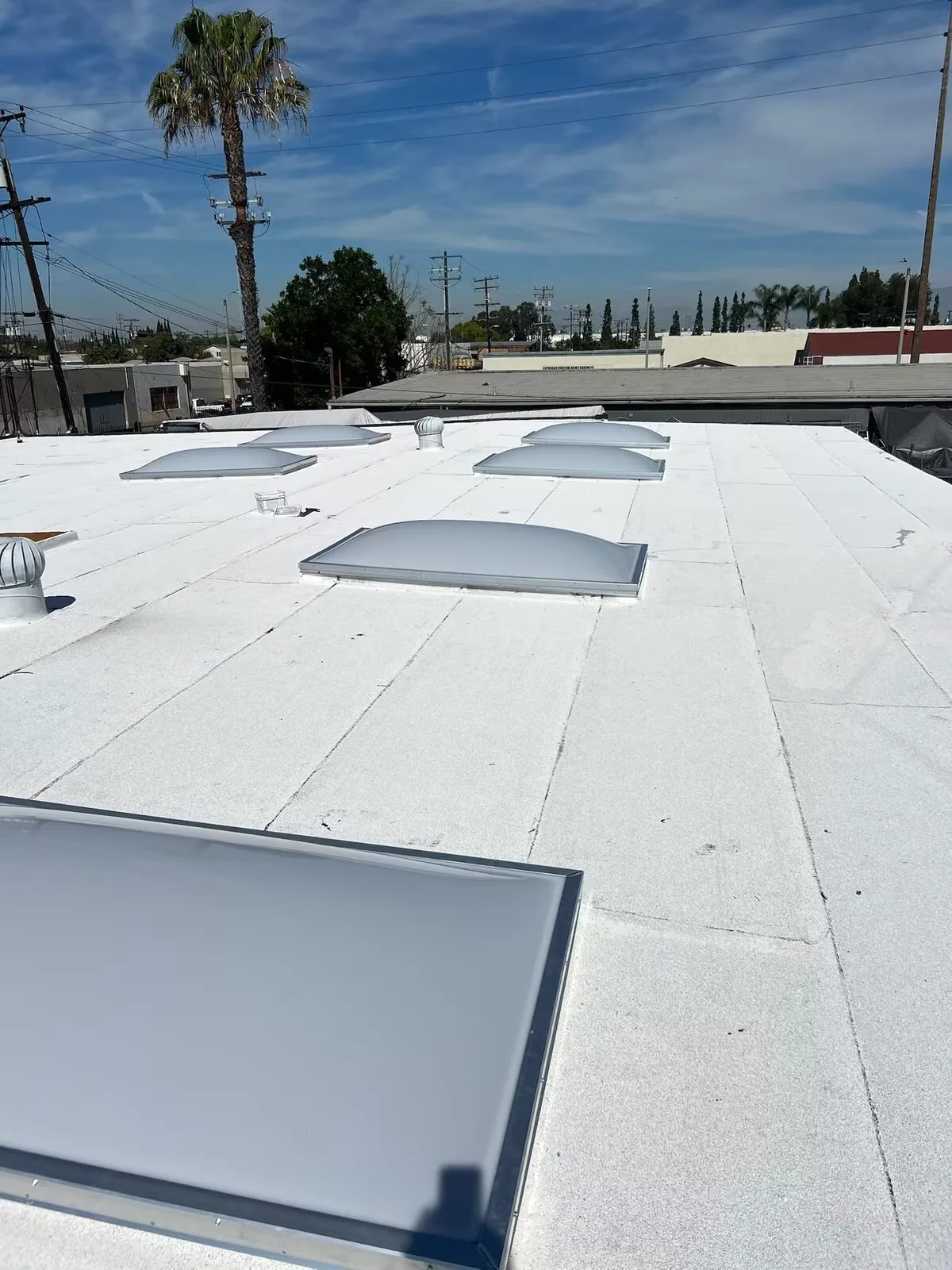
The roof review records existing layers, attachment, insulation, substrate, edge conditions, drains, curbs, and penetrations. A recover must address retained layers, added weight, finished height, and transition points. Replacement must identify tear-off depth, deck or substrate assumptions, temporary dry-in, and new tie-ins. The insulation and cover-board scope can state thermal layers and attachment separately from the membrane or metal field.
For a low-slope roof, we check where water is meant to go and how drains or scuppers connect. Changes in assembly height can affect outlet elevations and door thresholds. Our drainage work description can define that interface and identify separate plumbing responsibility. The bid should say which submittals, inspections, and closeout documents are required by the project team.
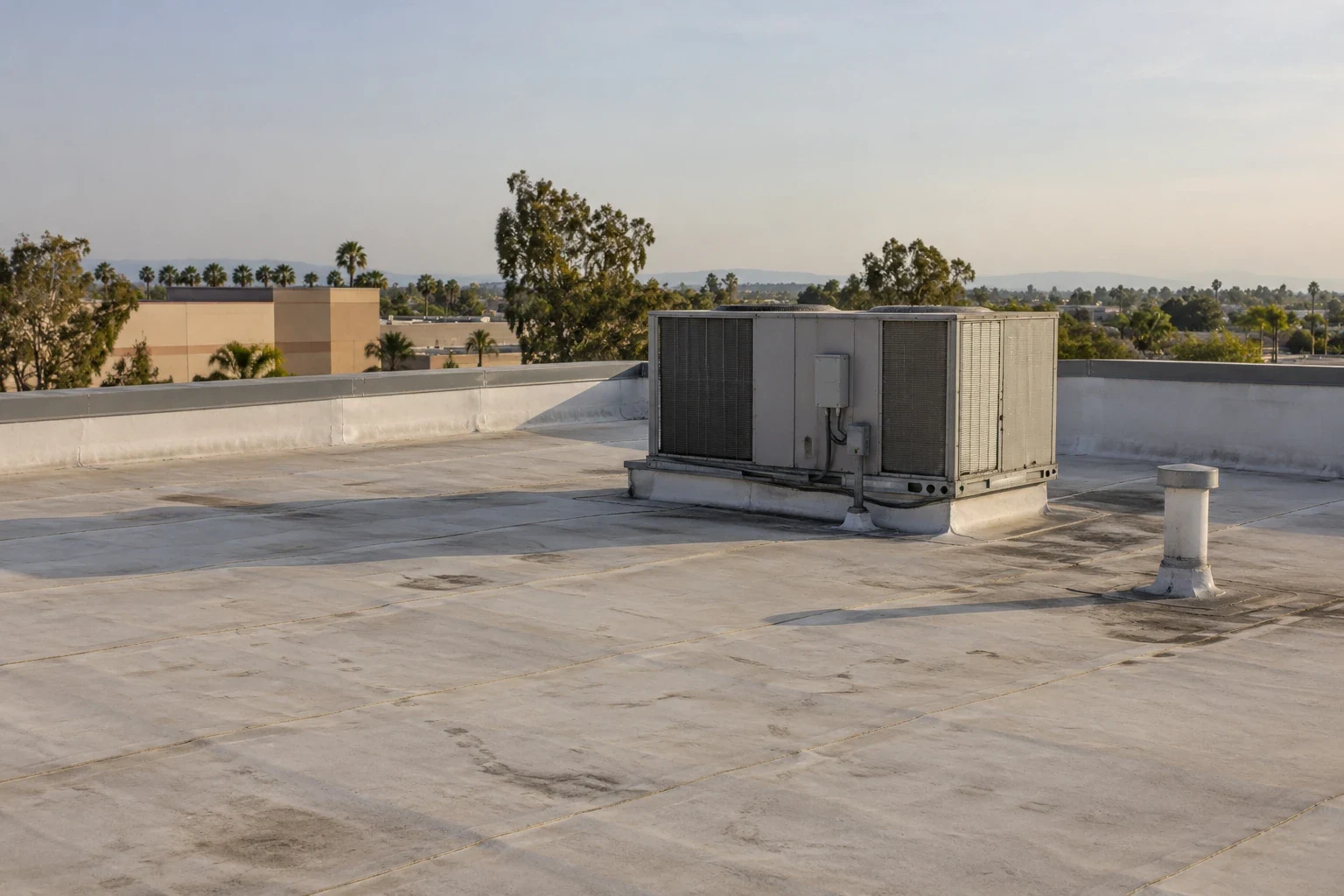
Set boundaries for occupied work
Public buildings may house employees, visitors, records, equipment, and services that need uninterrupted access. We coordinate where crews enter, when material arrives, which roof areas can be isolated, and what temporary protection is required below. The agency supplies security, escort, and emergency procedures. The proposal names the coordination contact and states how a daily change reaches the supervisor.
Fontana connects regional traffic through I-10, I-15, and SR-210, but the highway network does not determine a property’s gate, loading zone, or delivery window. The owner confirms those details, including truck limits and any route shared with emergency vehicles. We assign staging only after checking the operating site and identify what must be removed at shift end.
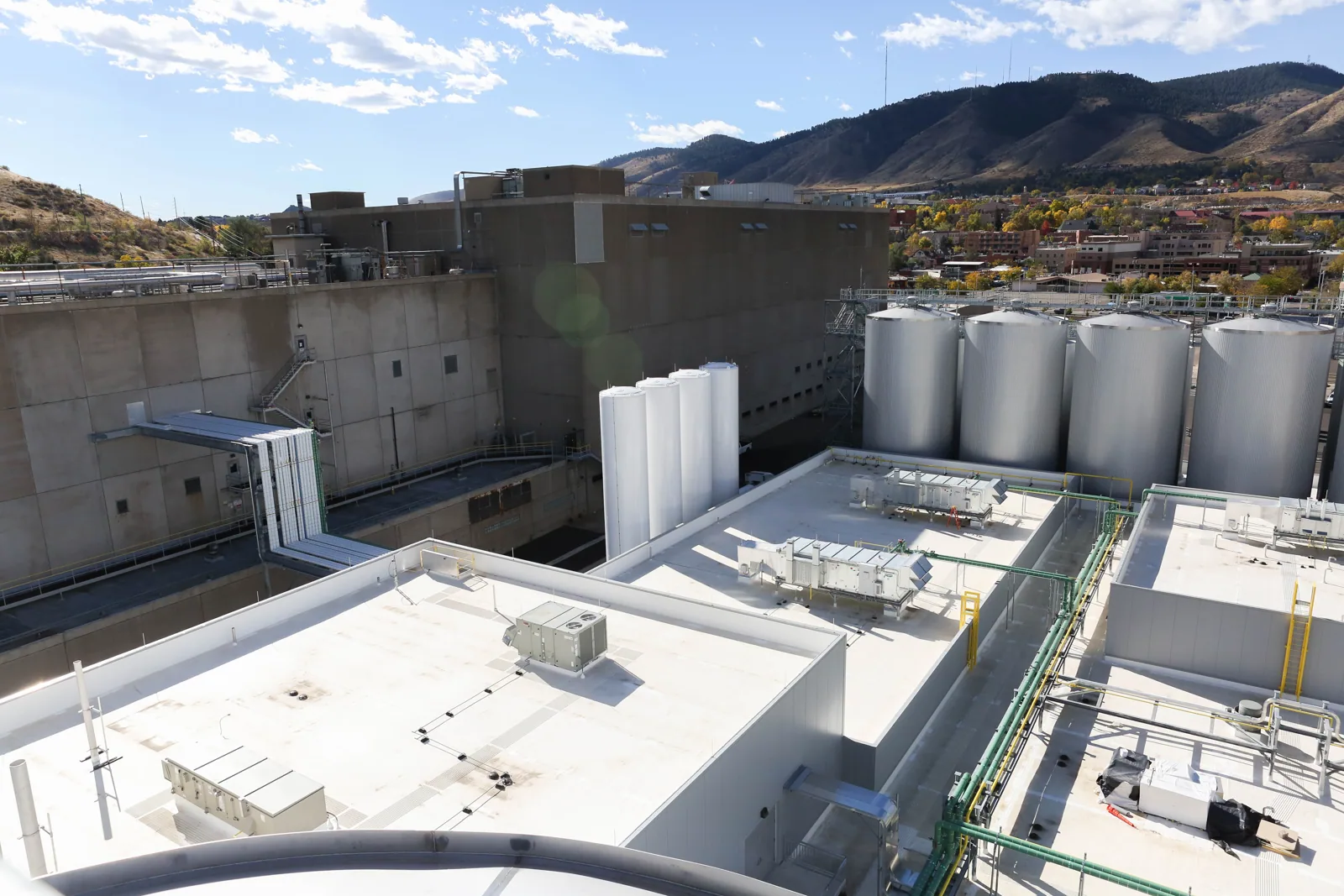
Phasing can separate wings, courtyards, or service areas. Each zone gets a start point, daily closure, temporary tie-in, and inspection handoff. If wind, heat, or a hidden condition stops progress, the crew secures the opening and records its status. For a large active facility, occupied-building phasing service can separate roof zones while maintaining agreed public routes. Agencies with distribution assets can also compare distribution-center roof planning for logistics-related constraints.
Compare bids by boundary and handoff
Two proposals are easier to compare when each states its removal limits, system layers, attachment, flashing, edge metal, drainage, testing, disposal, protection, and closeout. The owner should see allowances, exclusions, access assumptions, and separate trade tasks before award. If schedule milestones are tied to public operations, list each phase and the condition required to hand the space back.
A repair is appropriate for a supported local defect when surrounding material remains serviceable. A recover may retain an existing roof only if the assembly and project requirements support it. Replacement removes layers to the agreed limit and provides access to the substrate. Our replacement scope identifies what comes off and how the new roof ties into retained areas; a repair scope isolates a smaller correction.
At completion, the record identifies installed components, completed zones, inspection results, photographs, and remaining observations. Agency staff receive operating and maintenance information in the format required by the project. Downtown Fontana’s commercial areas span Sierra Avenue, Valley Boulevard, and Foothill Boulevard, while the Sierra Corridor extends across a wider mix of properties. Agency staff set property-specific access and closeout instructions for each facility. For a West End Fontana service area property, agency staff identify that building's access and closeout requirements before work is scheduled.
Frequently Asked Questions
Does the 2025 code set determine every roof requirement?
No. It identifies the current state code set Fontana adopts, but the project’s permit path and applicable requirements depend on the building, work, and governing approvals. The design professional and owner’s representative confirm project-specific requirements.
Can roof work proceed while a public counter remains open?
It can when access, barriers, protection below, and the work sequence are acceptable to the agency. Staff identify visitor peaks and service routes; the contractor sets zones and daily close-in points against those operating limits.
How are concealed conditions handled in a public bid?
The scope should define the stop point, documentation, approval contact, and unit or change-order process. If removal exposes a different condition, the crew protects the opening and waits for direction before adding work.
What records should be included at closeout?
Project requirements may call for product data, inspection records, photographs, marked roof areas, warranty documents, and maintenance information. We list completed work and open observations so the agency can match the handoff to its requirements.
How do you keep agency access routes clear?
The site representative identifies protected entries, vehicle paths, loading limits, and emergency routes. We map deliveries and staging to those instructions, then confirm daily changes with the designated contact.