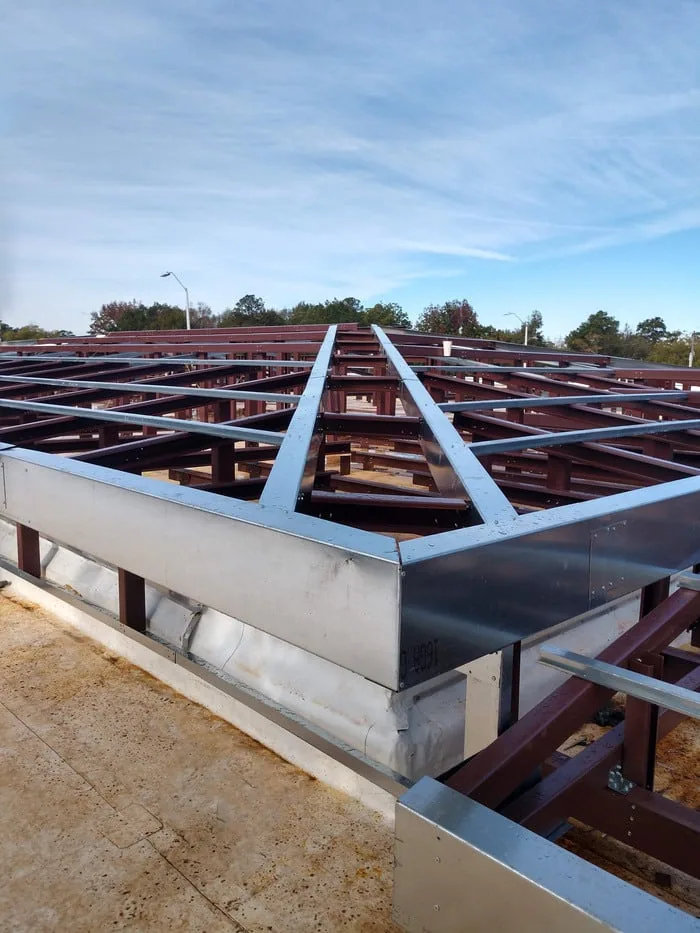
Roof Insulation and Cover Board
Roof insulation and cover board in Fontana, CA: existing layers tested, attachment specified, tapered layouts measured and curb, drain and delivery details planned before ordering.
If insulation is delivered before anyone checks curb and drain heights, the owner can end up with pallets on the roof and a detail problem that has to be solved before they can be installed. Commercial Roofers Fontana plans roof insulation and cover board work in Fontana, CA, by checking the proposed layers against the existing deck, the attachment method and how the roof will finish at every edge. The scope includes the prep work and other trades needed to complete the roof, not just a board count that assumes every curb and drain can stay as is.
Insulation is chosen to meet the project's thermal requirements, cover board gives the membrane a solid surface, and tapered insulation needs its own layout and drainage review. We confirm the conditions and dimensions that make those choices work. The owner can then compare keeping existing layers versus tearing off, with prep, protection for the building below and every edge detail included before the delivery schedule is set.
Check the existing layers and their condition
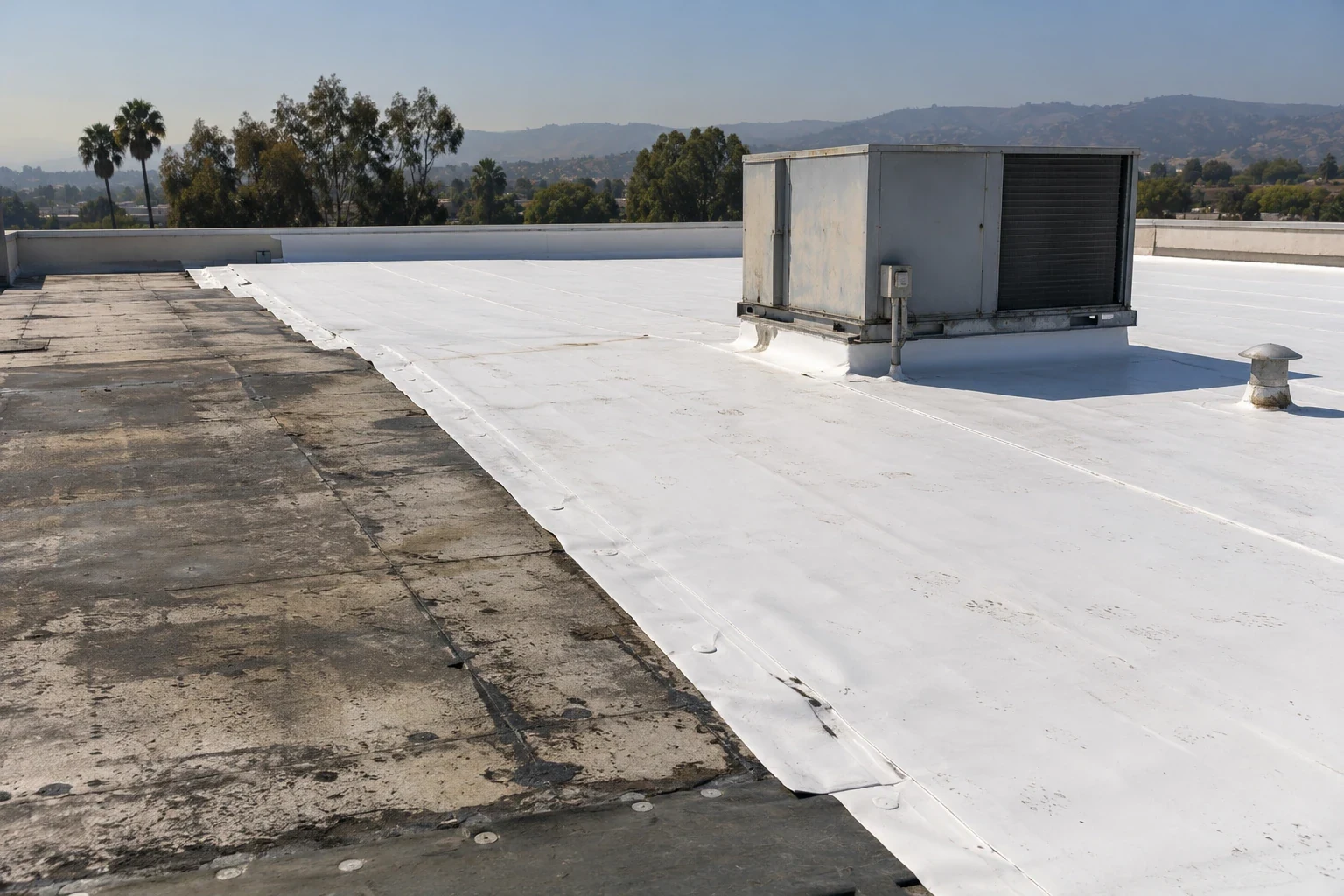
We compare roof drawings and installation records with the membrane, boards, insulation and deck we can examine, and note additions or old repairs that differ from the main roof. A product label or a roof that looks uniform does not tell us how well it is attached or whether it is dry. We record what we find and which questions need more testing before the new system relies on the existing roof as its base.
A commercial roof inspection notes which areas we reached and any restrictions, with photos showing the layers and nearby details so another crew can find the same spot later. Where a test cut is needed, its purpose and approval are set up first, and it is patched the same day. The owner sees the inspection limits next to the proposed board quantity, rather than a whole-roof conclusion drawn from one spot.
Decide what can stay and what must go
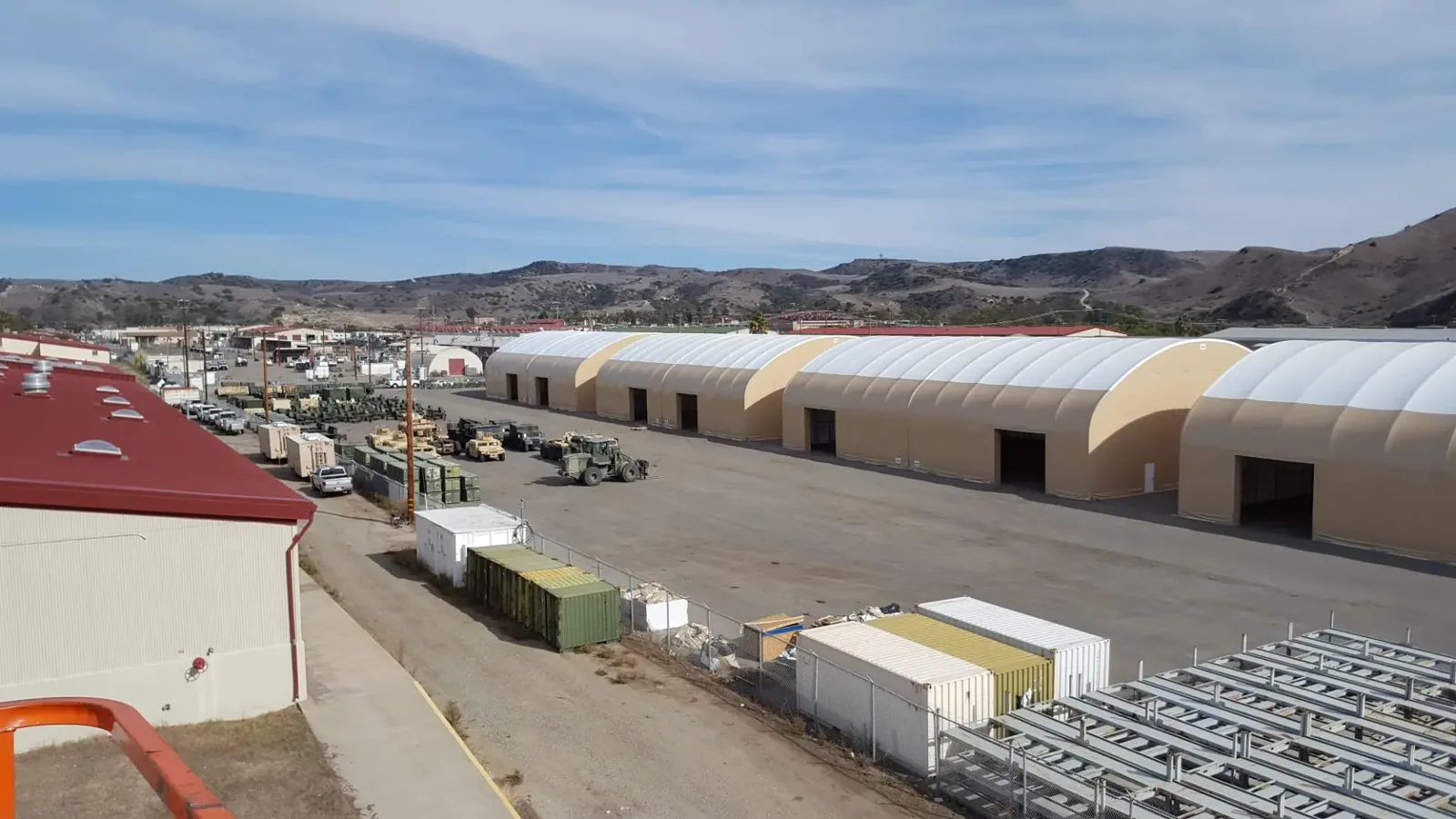
A roof recover over existing layers needs solid evidence of their condition, plus structural, layer-count and attachment checks before the new system is accepted. Cores show the materials and moisture at specific spots, and a larger area needs enough test locations to cover it. One dry core is not permission to keep everything, and any structural review the added weight requires is identified up front.
Infrared scans can point to areas worth coring when conditions are right, but surface finishes and rooftop units affect the readings. We confirm with cores before a scan supports removal quantities. A new layer on top does not dry out wet insulation below it, so the proposal spells out which areas need tear-off and replacement, and keeps them separate from anything that still needs access, testing or engineering review.
Specify how the roof is attached
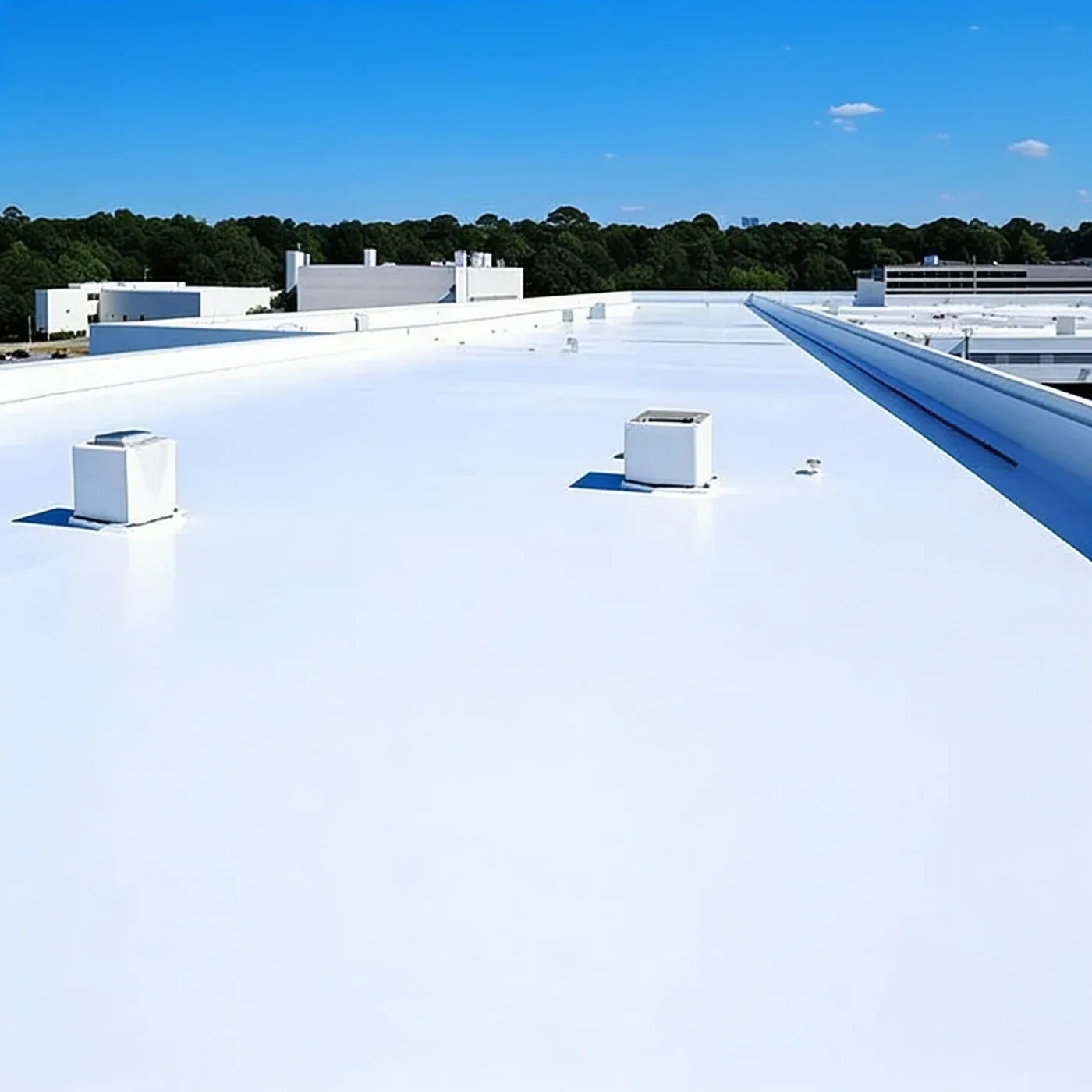
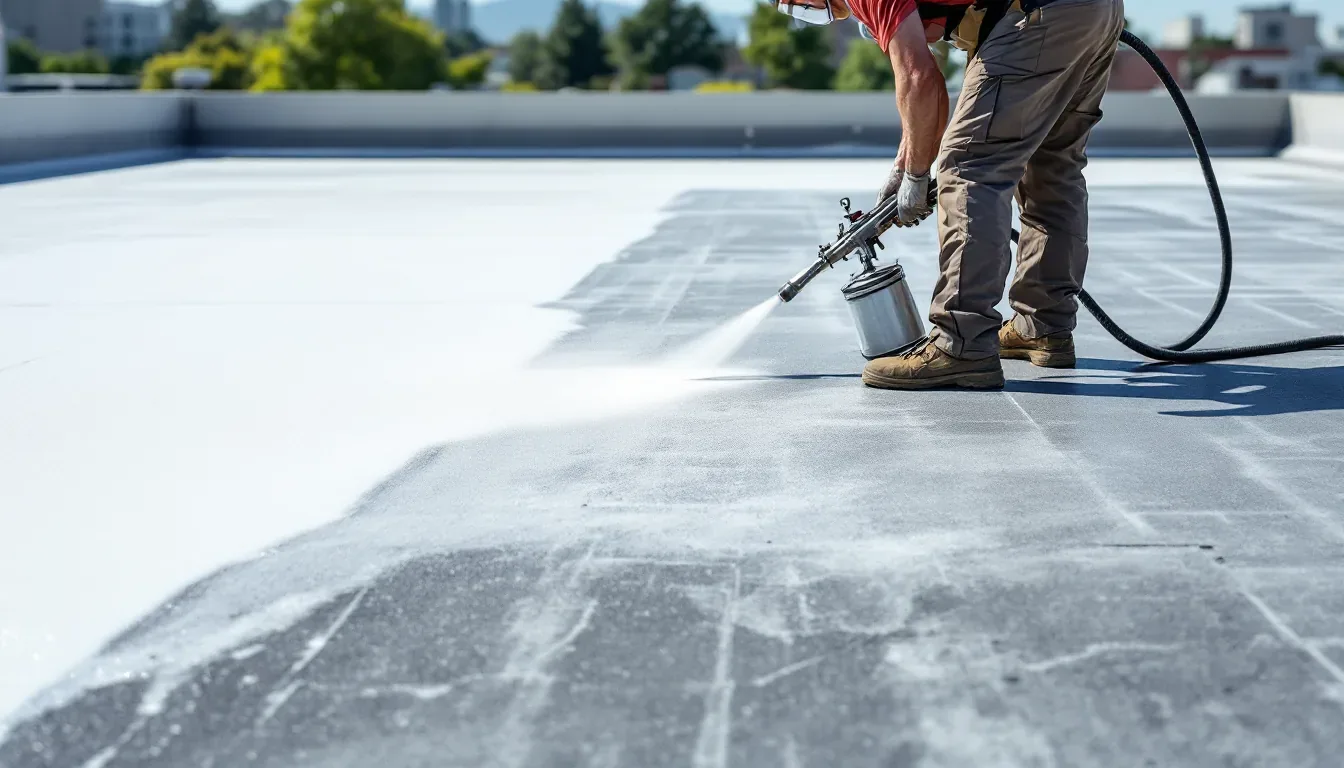
The insulation, cover board and membrane each have attachment requirements that must match the actual deck or the roof being kept. A new cover board gives the membrane a good surface, but it does not make loose or damaged layers below acceptable. We specify the fastening or adhesive method and prep, confirm the design wind requirements before ordering, and photograph hidden work before the next layer covers it.
Board type, joint layout, layer thickness and how the membrane finishes are planned as one sequence, including any change caused by a product substitution. A commercial roof replacement identifies any deck repair before installation starts. Having a board on the truck is not the same as having the right board, so a look-alike product is not accepted just because it arrived during the scheduled window.
Measure before ordering tapered insulation
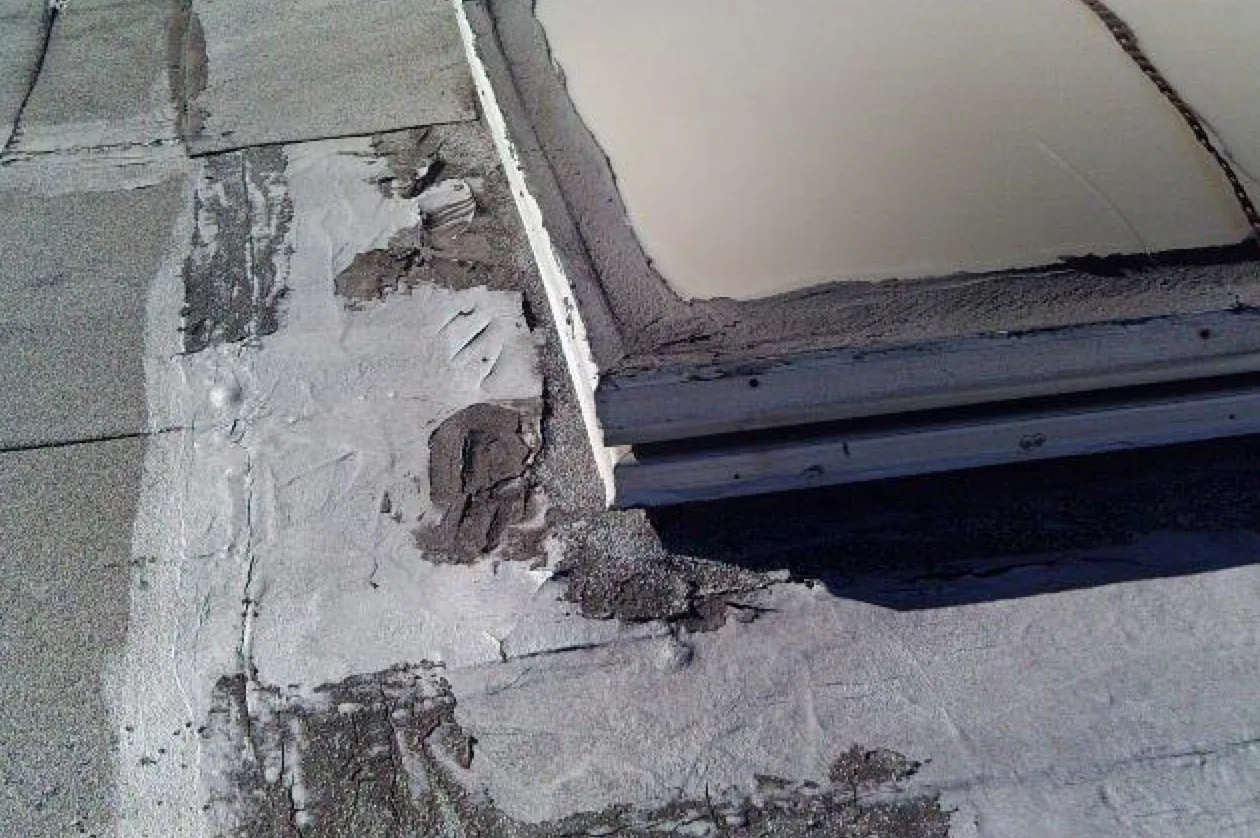
A tapered layout is based on elevations taken at low spots, drains, scuppers, curbs and roof level changes, and checked against how water should actually flow. An aerial photo or general roof shape cannot set the final slope or drain heights. Structural and drainage design questions are answered by qualified people before ordering, and the approved layout is kept on hand to check during installation.
Roof drain and scupper work separates cleaning from repairing damaged connections or changing drain heights, including connected plumbing where needed. Added insulation changes the space at each drain, and a tapered layout does not prove the drains can handle the water. The owner gets the drain and detail work needed for the plan, not a promise that tapered insulation will eliminate every puddle without measurements and review.
Set curb and wall heights before installing
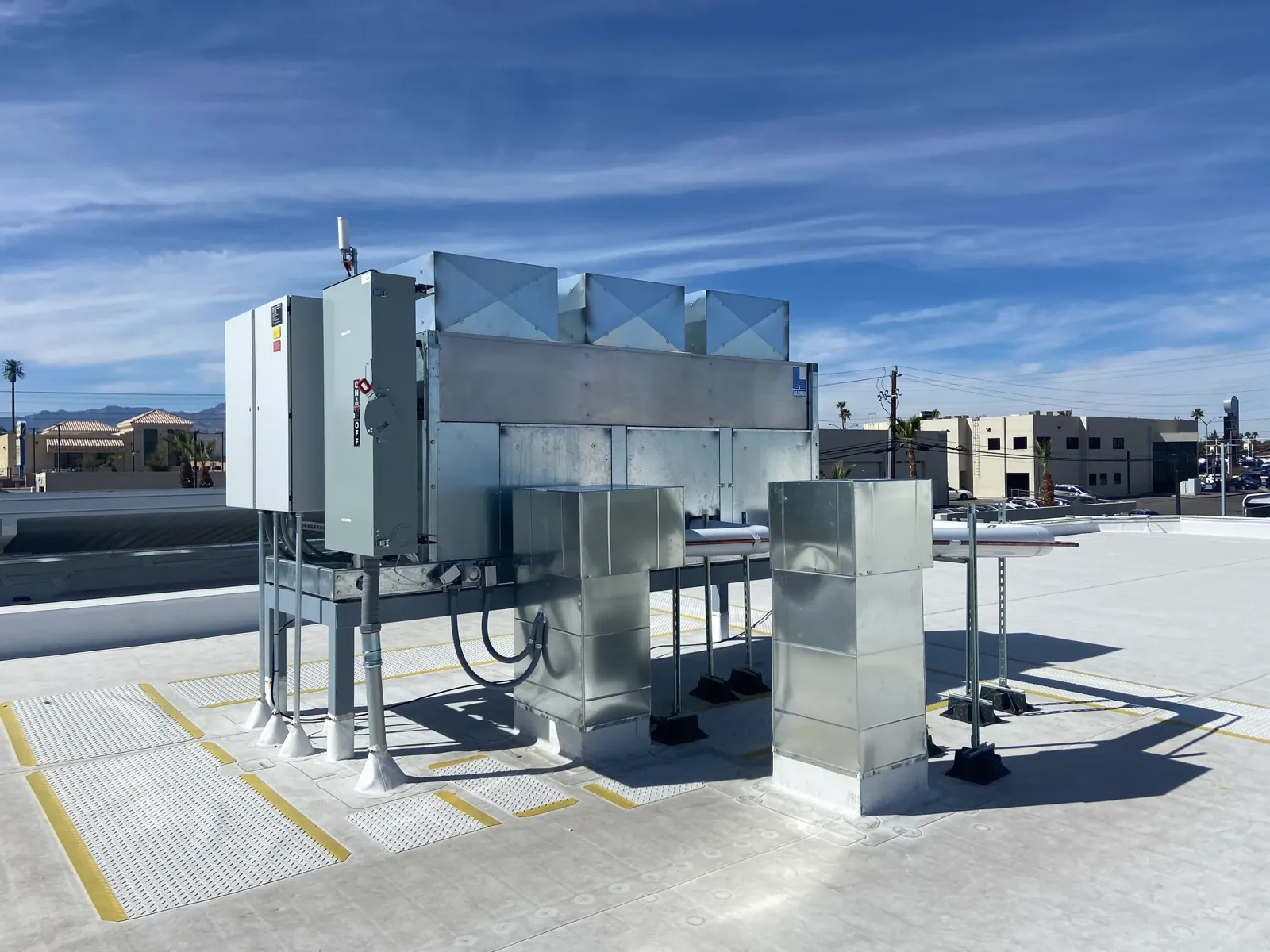
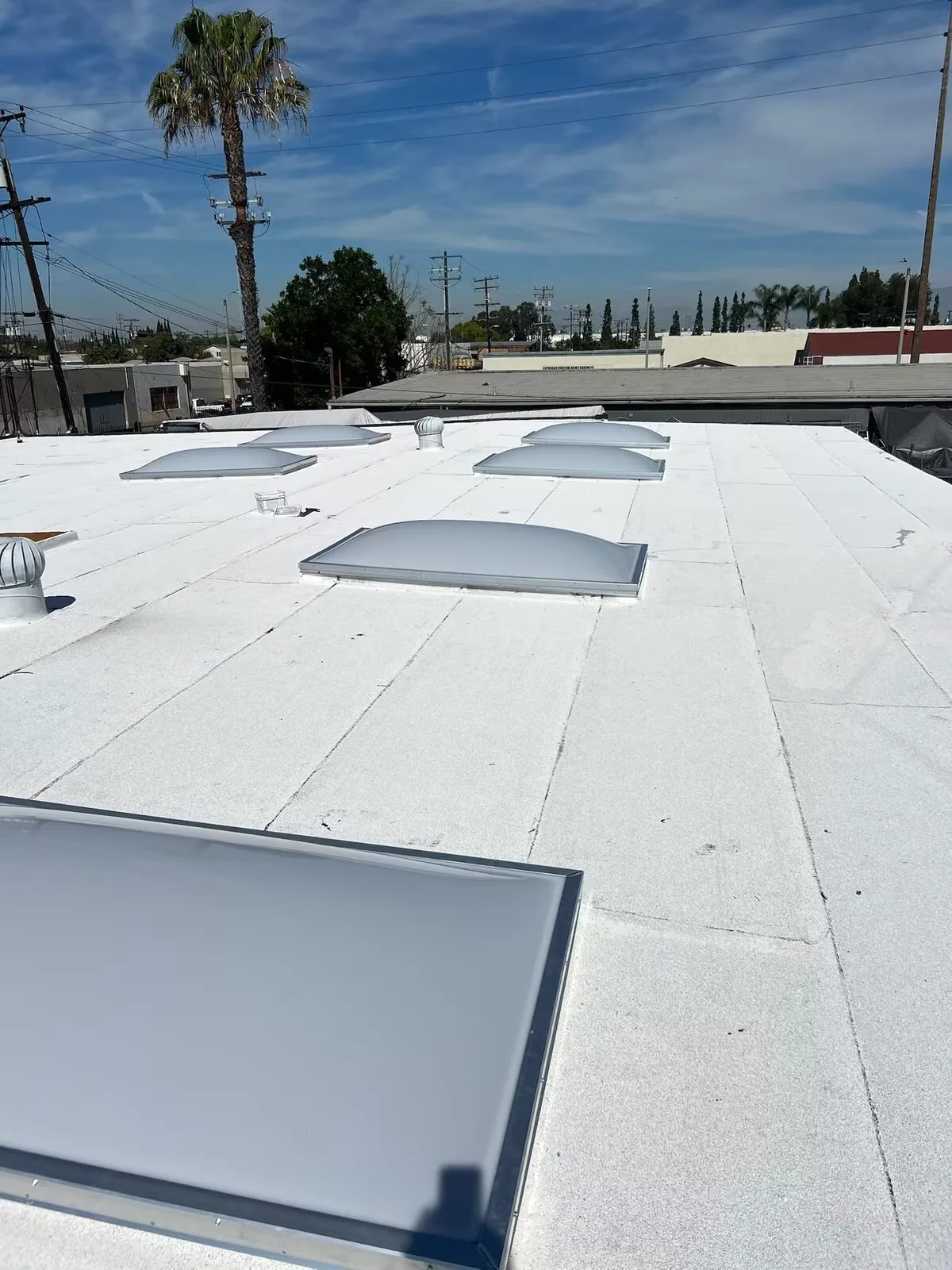
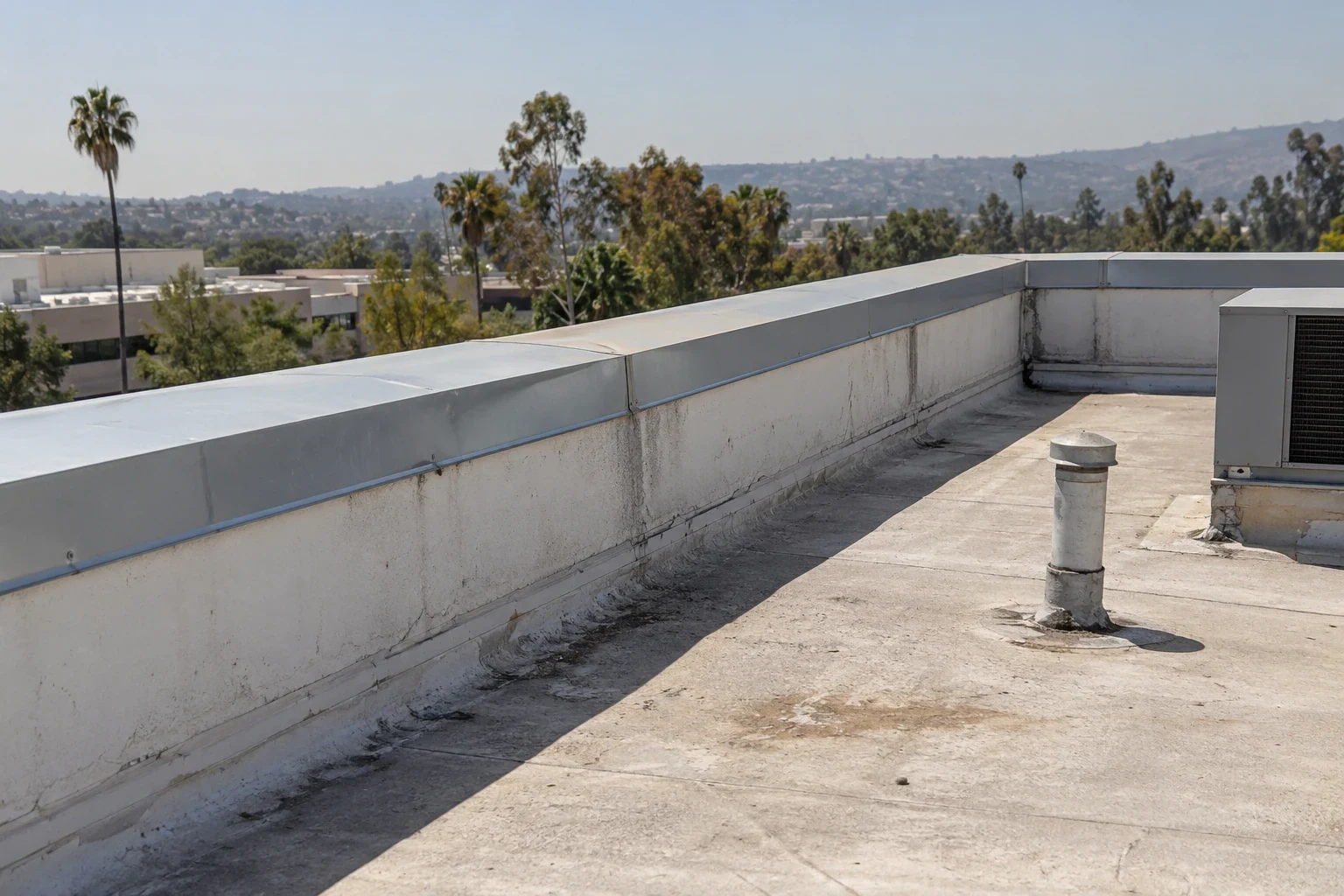
We check the finished roof height against equipment curbs, walls, edges and other details that need flashing, because added thickness can leave too little curb above the roof. Any adjustment is assigned to the right trade with a readiness check. The new membrane still needs enough height at each detail, so a large insulation quantity should not leave out the work that makes the roof finish properly.
Rooftop equipment curb and support work sets dimensions, unit moves and mechanical work before the units go back and limit roofing access. HVAC and electrical contractors handle shutdowns with the facility, and our crew keeps working air intakes clear. Planned HVAC shutdowns get their own approved time and restart owner, separate from roof access, so the mechanical decision is made before the roofing that depends on it.
Plan pallet deliveries and open roof areas
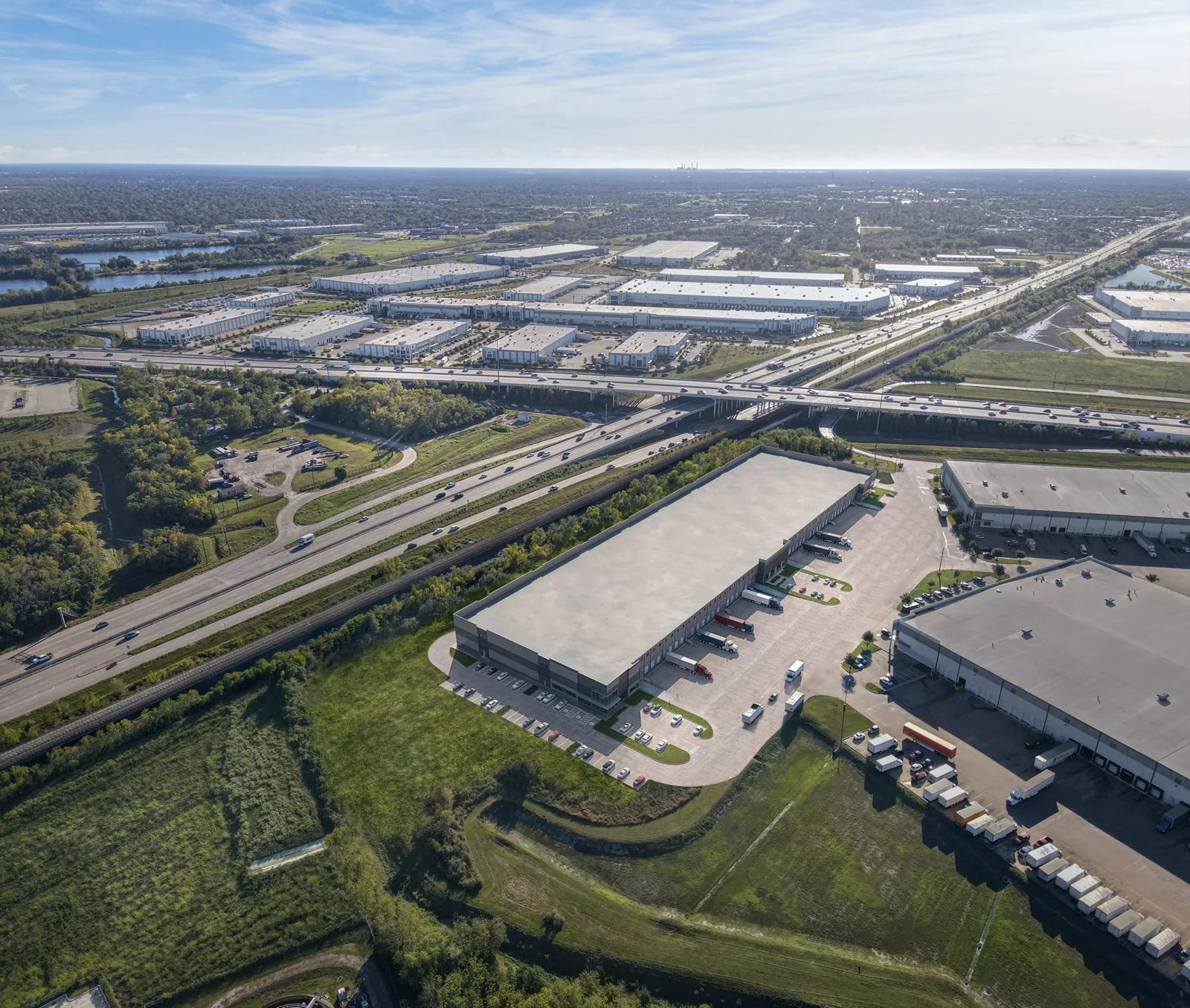
At a Southwest Industrial Park facility, trucking, warehousing and distribution traffic means we confirm the receiving contact before board pallets or tear-off debris move through the yard. The operator confirms gate rules, staging space and activity below the work area. Separate routes or extra setups may be needed, and that time is priced with the prep and installation instead of assumed from the district name.
At West Gate, business park, office and retail tenants raise questions about entrances and delivery times that each property manager answers. Fontana's summer heat makes roof surface temperature and adhesive limits worth checking before installation, while crew size and readiness decide how much roof opens each day. If another trade is late, the plan changes, and unfinished areas get temporary protection and a watertight stopping point.
Code requirements and closeout records
Fontana adopts the 2025 California Building Code and the related state code parts, but each reroof still needs its specific permit and project requirements confirmed. Energy code insulation requirements depend on the scope, the compliance path and any exceptions, so there is no single R-value for every job. Wind uplift, attachment and fire rating are settled with the chosen roof system before ordering, so the owner sees the approved basis next to the material and delivery plan.
If tear-off uncovers more damage, we mark its location, measure the repair and send the owner the revised cost and protection plan for approval. We keep photos of the deck, records of the installed layers and the finished details, with notes on what was inspected. Equipment sign-off is tracked separately from roofing completion. Manufacturer care and warranty terms guide future changes, and any new leak is compared with work done since before deciding on a fix.
Frequently Asked Questions
Does a cover board make all the layers underneath acceptable?
No. We check the existing roof and the full attachment method. A cover board gives the membrane a solid surface, but wet or loose layers below may still need testing, repair and an engineer's sign-off.
What should be measured before ordering tapered insulation?
Elevations at low spots, drains, curbs and other details, reviewed with the layout designer. The tapered plan has to fit the real roof and drains, not an aerial photo or a standard slope assumption.
If one test core is dry, can every existing layer stay?
Not on that alone. That core tells you about its own spot. Keeping a larger area needs enough test locations plus structural, attachment and code review for the full area.
Why can thicker insulation raise equipment and edge costs?
A higher roof leaves less curb and wall height for flashing and can change edge and drain details. Those adjustments, and the trade that does them, should be planned before units go back or the insulation goes down.
What records should the owner keep after the new insulation is installed?
The specified layers and attachment method, photos of the prep and finished details, approved changes and inspection notes. Manufacturer care terms and any equipment or design sign-offs should be kept separately.