Fontana’s West End
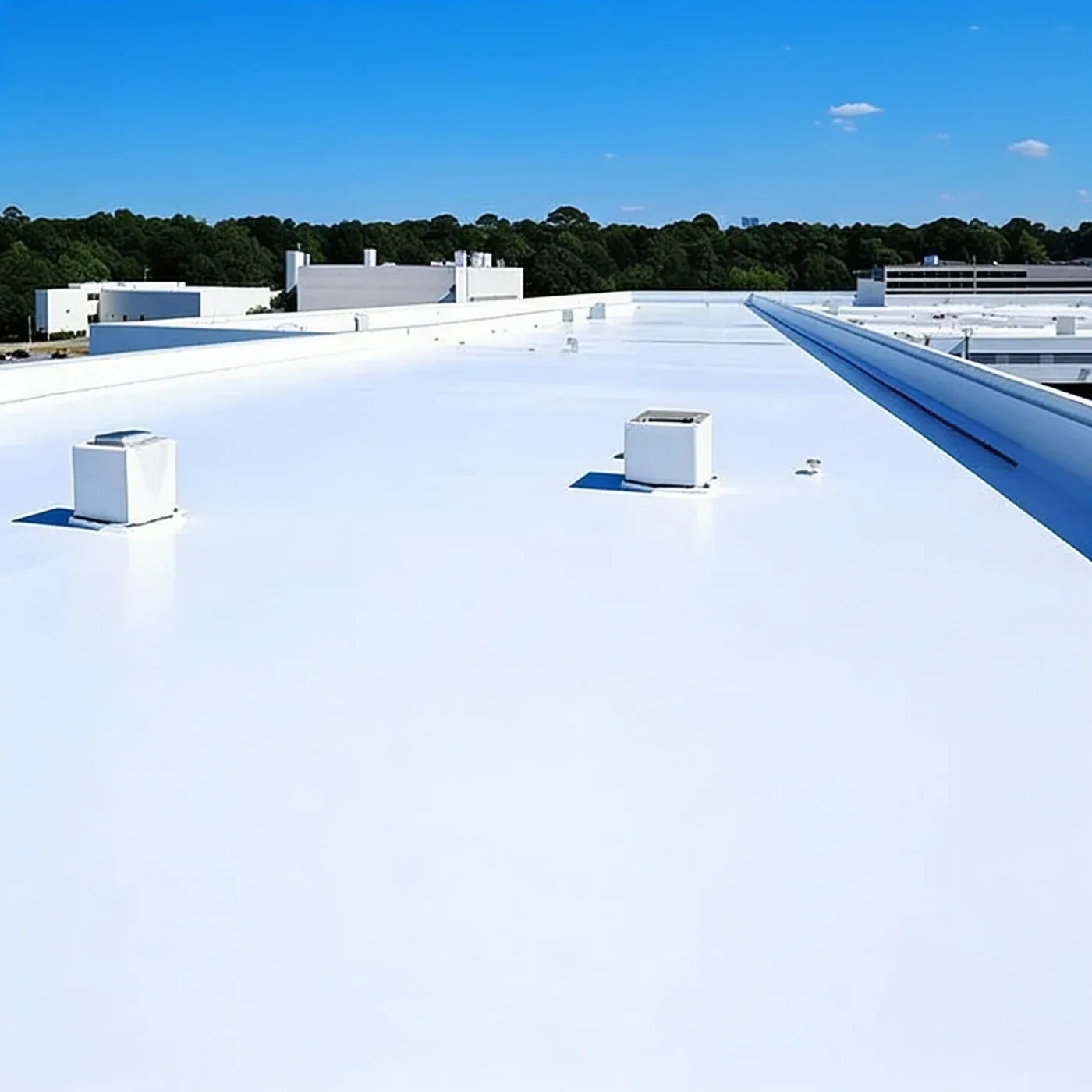
Commercial roof repairs and replacement in Fontana’s West End, coordinated for industrial access, office schedules, drainage and safe daily closeout.
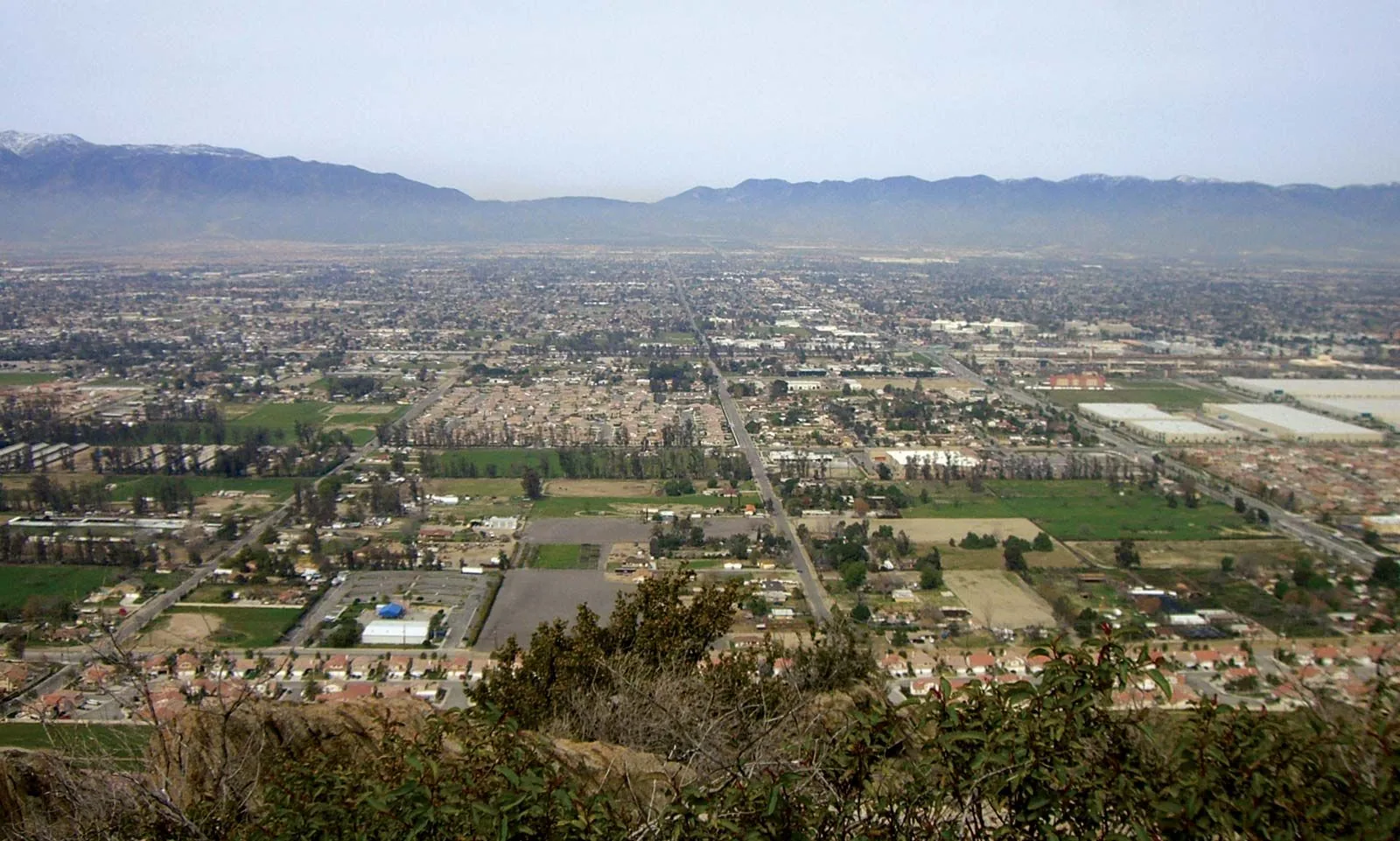
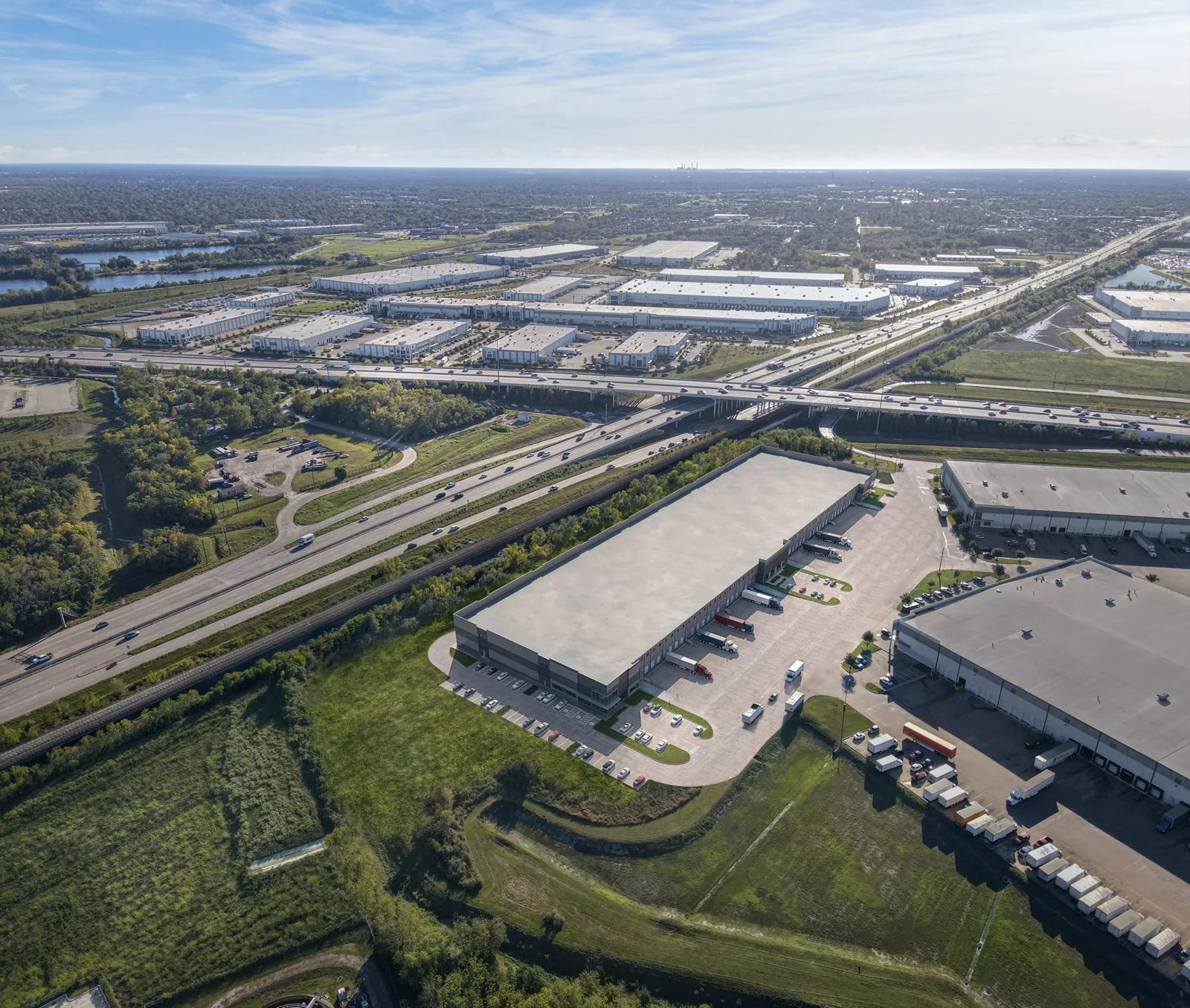
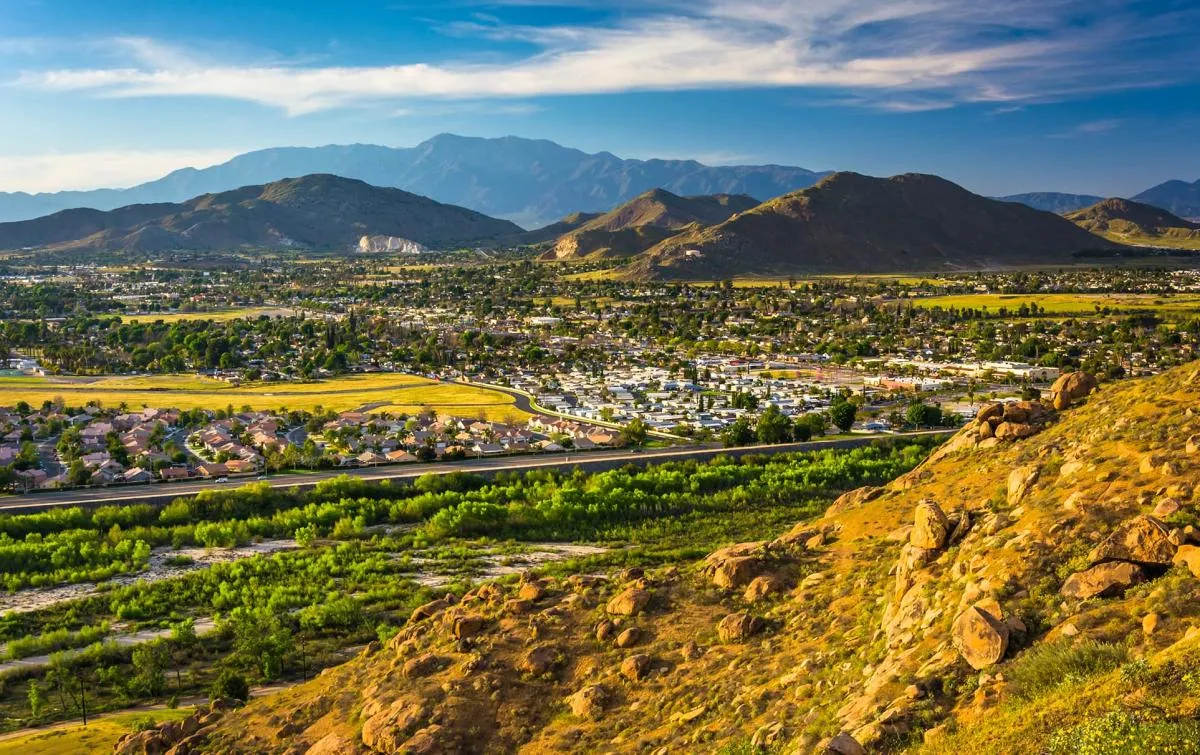
A roof project in a mixed-use district may call for a truck court at one property and customer access at the next. Fontana’s West End plan occupies the western part of the city near I-15 and Baseline Avenue, within boundaries framed by East Avenue, a rail right-of-way, Cherry and Hemlock avenues, and Foothill Boulevard. Its land-use mix includes industrial, commercial and office development alongside residential and public uses, so access and work hours need to be set at the individual building.
The plan allocates about 418.8 acres to industrial, 53.5 to commercial and 14.2 to office use. Those areas describe planned land use, not roof measurements. We inspect the building under consideration, record its installed assembly and drainage, and set repair or replacement quantities from what is on the roof.
Give each building a workable access plan
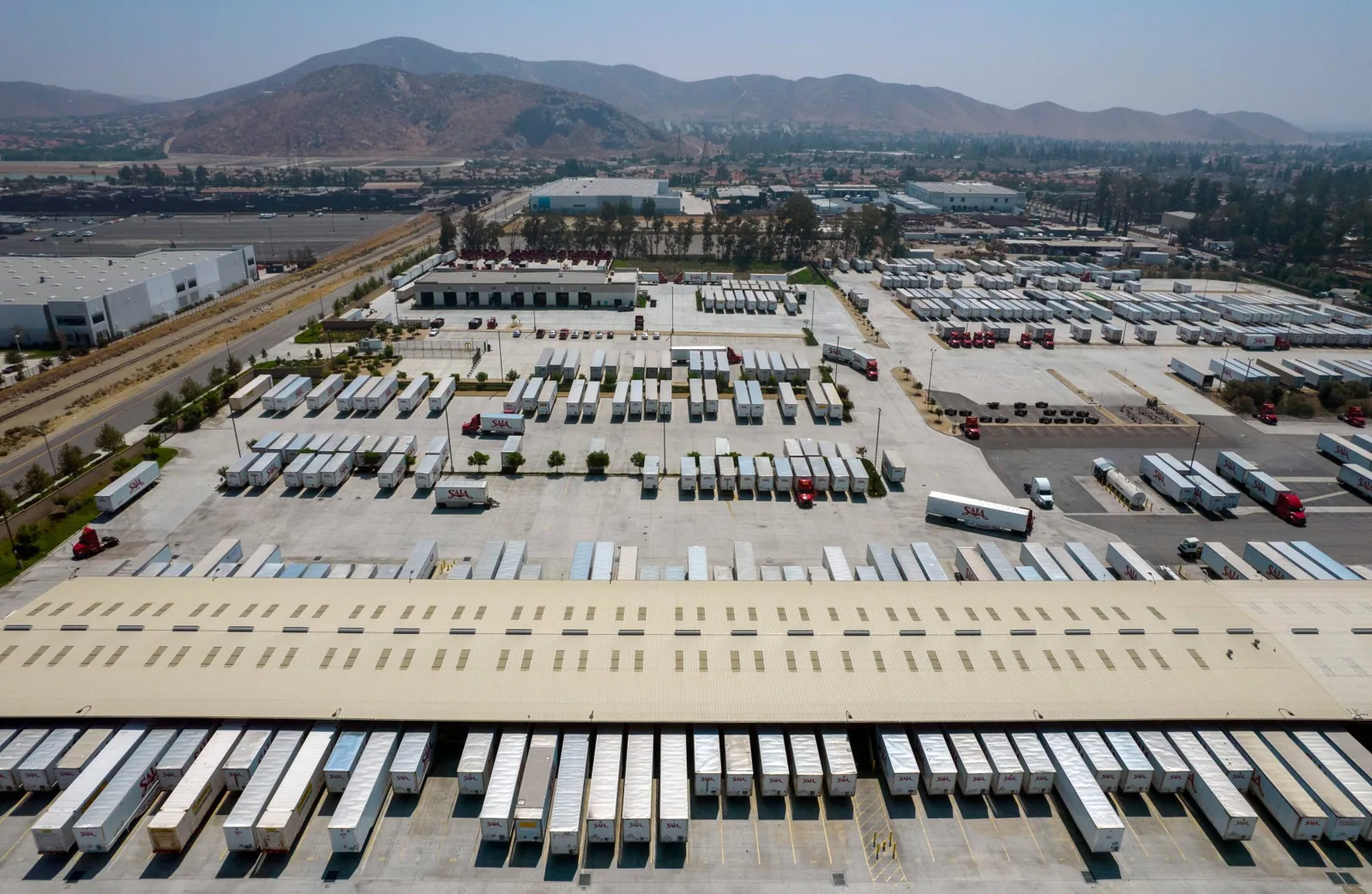
Industrial work can require a lift, material truck and debris route that avoid production or loading. Office and commercial roofs bring different constraints: visitor parking, suite entrances and hours when tenants need a clear walkway. The field walk identifies these conditions before scheduling. We mark the staging point, path to the roof, equipment setup and area below that needs protection.
The North Fontana planning area also includes office, commercial and industrial uses, while Southwest Industrial Park is oriented toward trucking, warehousing and distribution. These comparisons help an owner frame different property schedules; the access plan still comes from the site being worked on.
If occupants stay in place, a roof can sometimes be divided into zones, each with a planned opening and same-shift closure. Occupied-building phasing can protect a live entrance or loading route while the crew moves across the roof. The sequence should state which path stays open and how occupants are separated from tools and material overhead.
Survey seams and transitions before repair
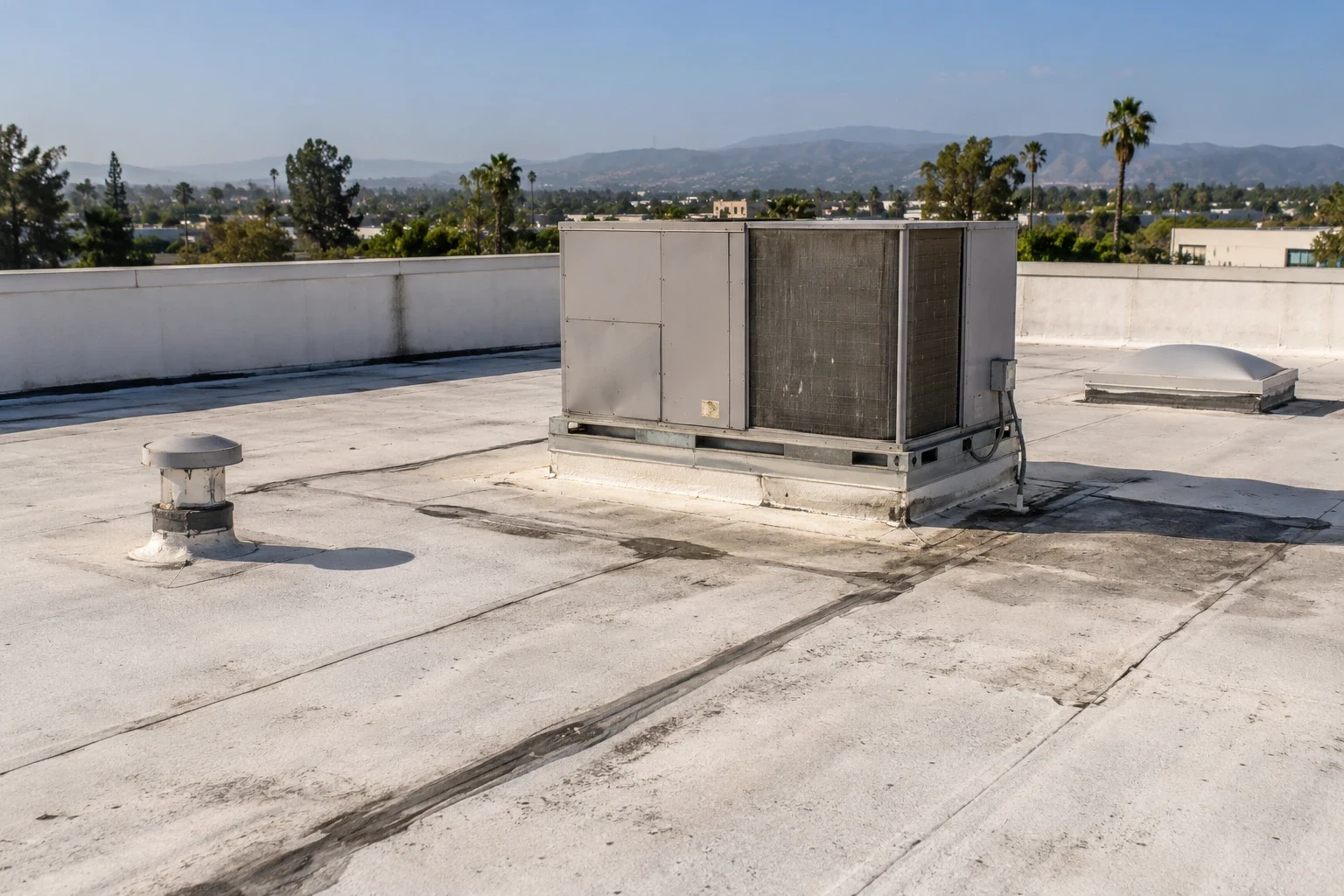
A water mark inside an office or industrial bay gives a starting point, not the complete roof diagnosis. We check the membrane field, seams, parapet transitions, equipment curbs, penetrations and outlets near the report. Water can move through insulation or along a deck, making the point of entry different from the spot where a tenant sees the stain.
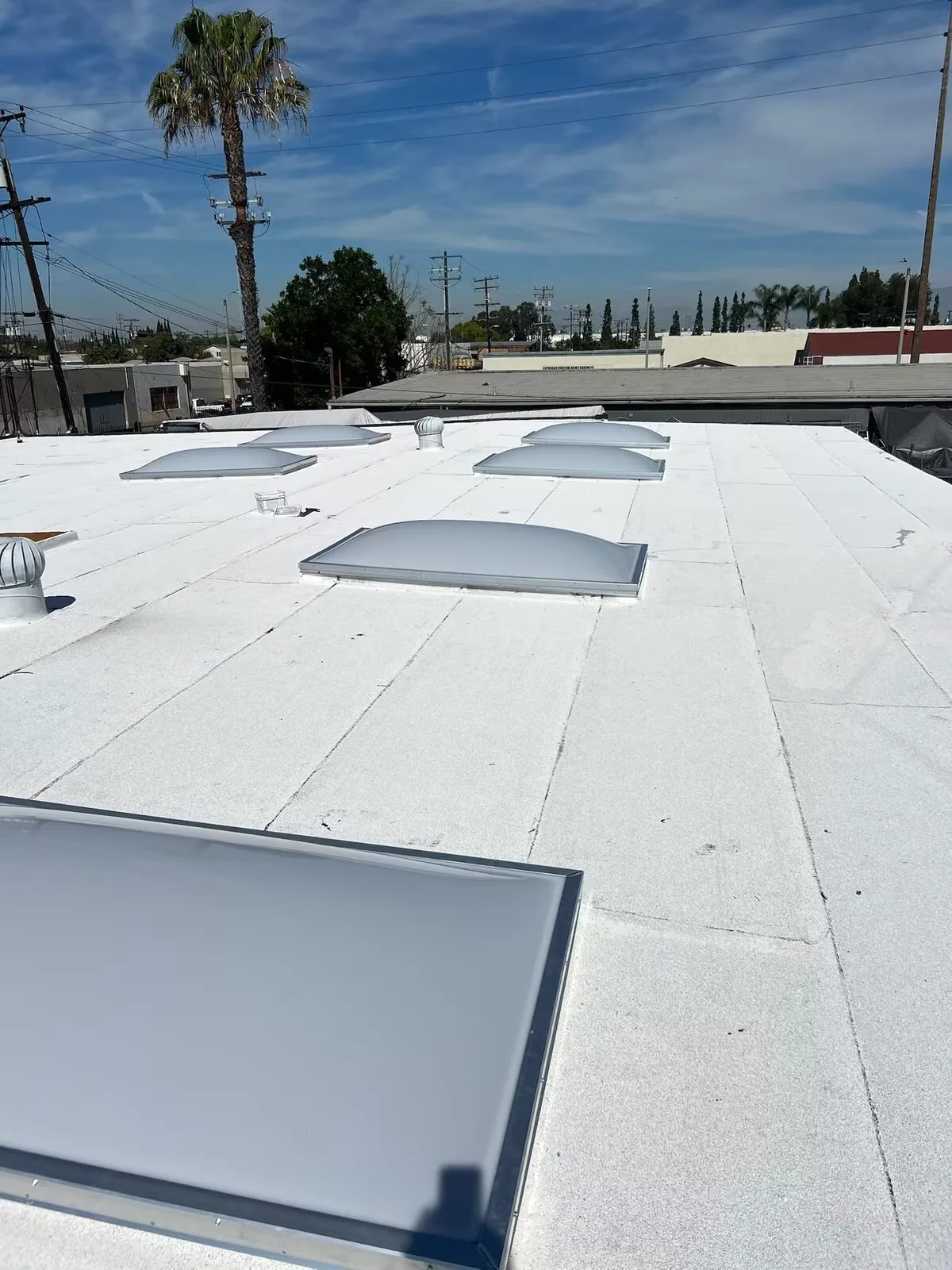
West End's industrial, office and commercial uses do not imply one roof system. We identify the assembly installed at the property, previous patches and visible moisture or attachment concerns. Photographs are labeled to the roof section so the owner can see what is included in the proposed work. A commercial inspection can distinguish a single flashing defect from wider seam or substrate deterioration.
Where a concealed condition remains uncertain, we define a test area and the decision it will support. The opening is protected after inspection, and any added insulation or deck replacement is priced only after the finding is known.
Restore a detail that can hold a tie-in
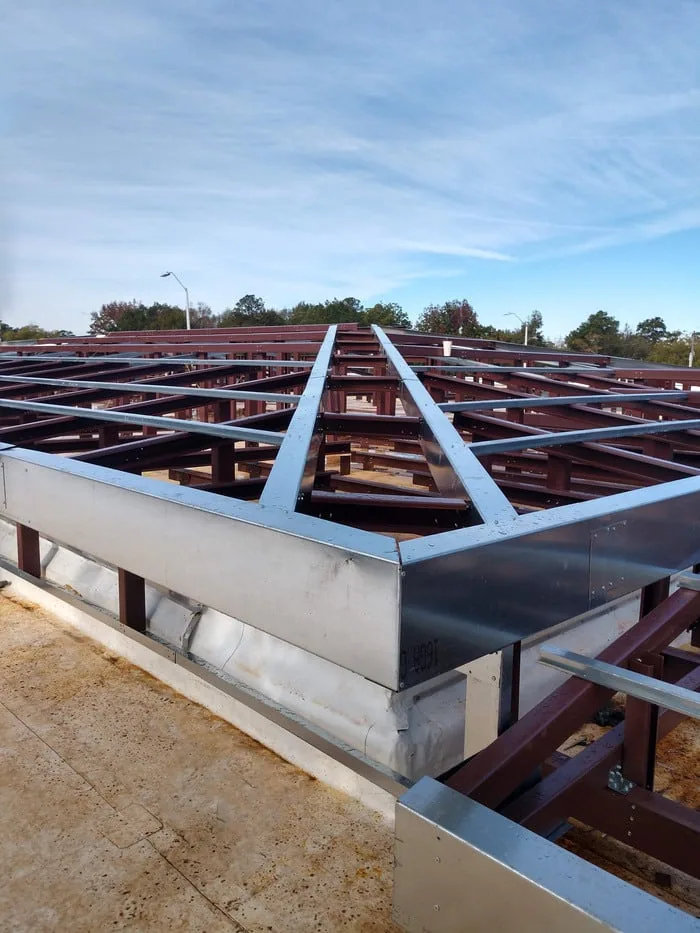
A patch needs sound material around its edge. We remove loose or failed material, prepare the substrate and connect the repair to a stable membrane or flashing. If a parapet, curb or metal edge is also involved, the scope follows that transition instead of covering only the open roof field.
Drains and scuppers need to remain available after a repair. We look for debris, damaged bowls, poor flashing or a changed path where water may collect. A drainage scope names the outlet work included and whether a plumbing handoff is needed. Mechanical support corrections can also require a defined trade boundary, especially when roof equipment cannot be moved during business hours.
For repeated leaks, wet insulation or attachment issues across a larger section, we compare repair against recover and replacement. Recovery is considered only when moisture and retained layers are suitable. Tear-off work identifies each removal limit, insulation and new membrane, plus the perimeter detail that must close before the shift ends.
Set a daily limit for heat and rain
Fontana forecasts can exceed 100 degrees in summer. On a West End roof, we check the surface temperature and installation limits for the selected system, then set how much area the crew can prepare and close that shift. The plan leaves enough time to complete the seam, flashing and edge transitions rather than opening more roof than the team can protect.
Cooler months bring more of the region's rainfall. If a project crosses days, the work plan calls out temporary cover, drain protection and the tie-in point for the next shift. A delayed delivery or adjacent trade can change the order; the crew closes the current boundary before moving to another zone.
At an industrial facility, outdoor equipment or lot operations may set the available start time. At an office or storefront, tenant entry may be the controlling window. The manager's schedule and the roof system’s instructions both inform the sequence.
Price the roof area, not the land-use acreage
The acres in a planning district do not tell an owner how much roof needs work. We measure the structure, identify its layers and record how access changes labor and equipment needs. Tear-off depth, wet insulation, deck repair, penetrations, edge metal and the number of mobilizations all affect the proposal.
A local repair can be compared with recover or replacement when inspection findings support more than one option. A recover keeps existing layers and is appropriate only if those layers and moisture condition allow it. A replacement scope separates removal, insulation, new membrane, drainage and perimeter work so the owner can see what moves cost and schedule.
For multi-building ownership, the capital plan can keep condition, access and timing tied to each building instead of grouping different roof assemblies under one allowance. That supports phased procurement and lets operations plan around the properties most affected first.
Close the work with a useful roof record
At handoff, we identify the repaired or replaced section, installed materials, measured quantities, photographs and any outstanding trade item. Temporary protection is clearly marked as temporary. If the job covered only part of an industrial or office roof, the remaining sections stay outside the completed boundary.
We remove debris and staging material from the path agreed with the property, and confirm the access or loading area has been returned to its normal use. The record helps a manager connect a later leak report to the roof sections that were inspected and the details repaired.
To prepare a walk, share the roof plan, location of the reported issue, access method, operating hours and any restrictions on deliveries or parking. We can then identify the first area to review and plan around the building's day-to-day activity.
Frequently Asked Questions
Does the West End land-use plan determine the size of a roof job?
No. The acreage describes land allocated by use. We measure the building and roof area being considered, then list the assembly, access and work quantity in the proposal.
Can an industrial tenant keep using the site during reroofing?
In many cases, the work can be staged around a receiving route or operating window. We agree on lift placement, material drop, protection and the section that can be completed each shift.
What if a leak appears away from the roof entry?
We trace the area across seams, curbs, parapets and outlets because water can travel below the surface. Photos and a marked roof plan connect the reported symptom with the inspected detail.
How does heat affect the installation schedule?
Summer forecast conditions in Fontana can exceed 100 degrees. We check the roof surface and system instructions, then set the day's opening limit around the work that can be prepared and closed.
What changes a repair estimate into a replacement comparison?
Repeated failure, concealed moisture, weak attachment or broad substrate damage can change the scope. We document findings and compare repair, recover or removal based on the assembly and work boundary.