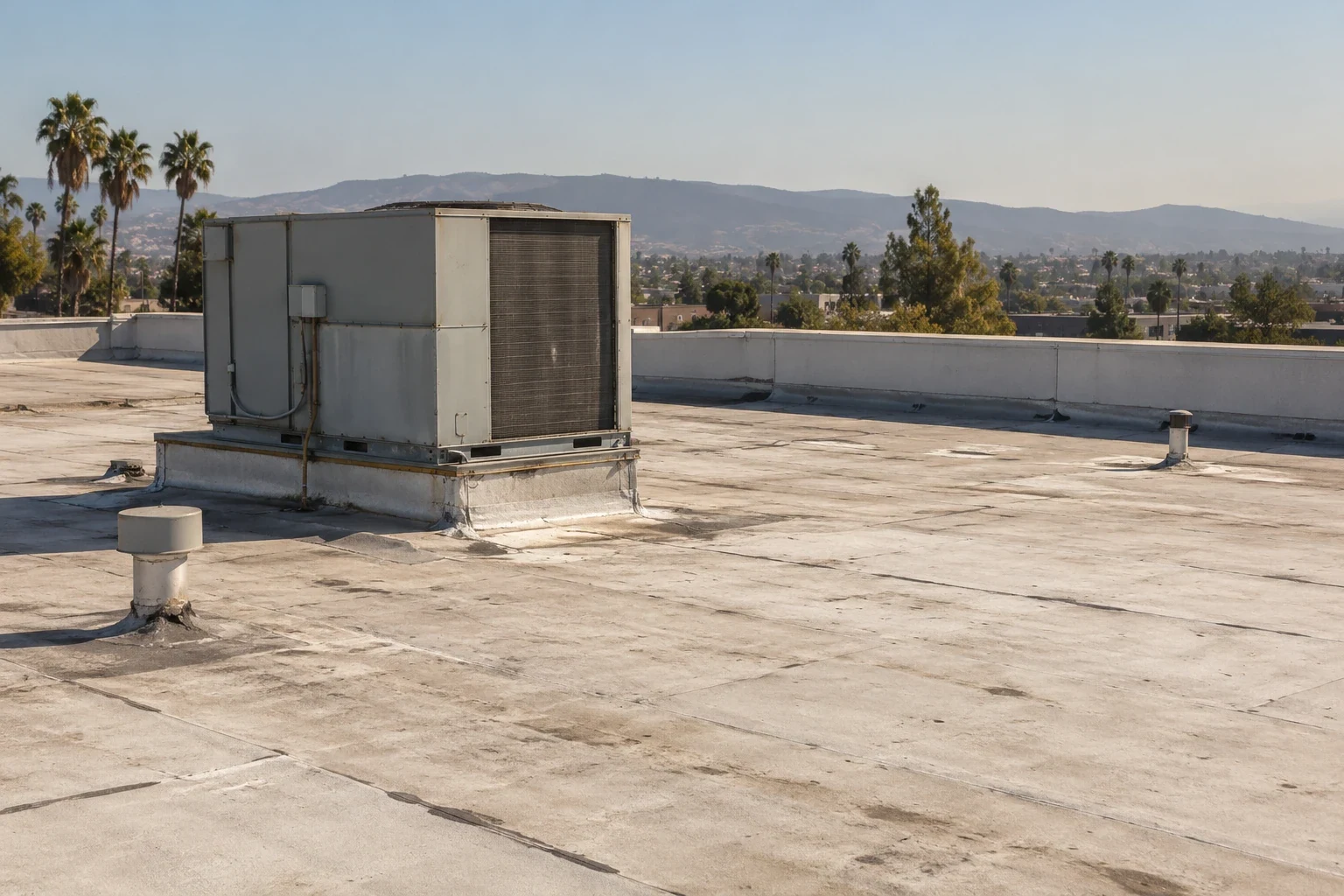
Public Agencies
Plan Fontana public roof inspections, procurement scopes, occupied access, and accountable facility closeout with clear approvals and site records.
A public counter may stay open while a roof crew is scheduled at the service entrance, so an agency project needs a work boundary that respects both public access and the approved procurement path. Commercial Roofers Fontana plans commercial roofing for public agencies in Fontana, CA, by linking the inspected condition to scope limits, site controls, and the approvals required before construction. The agency receives a sequence that identifies access, material delivery, protection, and the person who accepts the completed area.
Fontana's public, education, healthcare, office, retail, and industrial properties bring a wide range of agency roofing needs. On each project, the agency contact sets procurement requirements, public hours, roof access, and the approvals needed before work begins.
Build the scope for a clear review
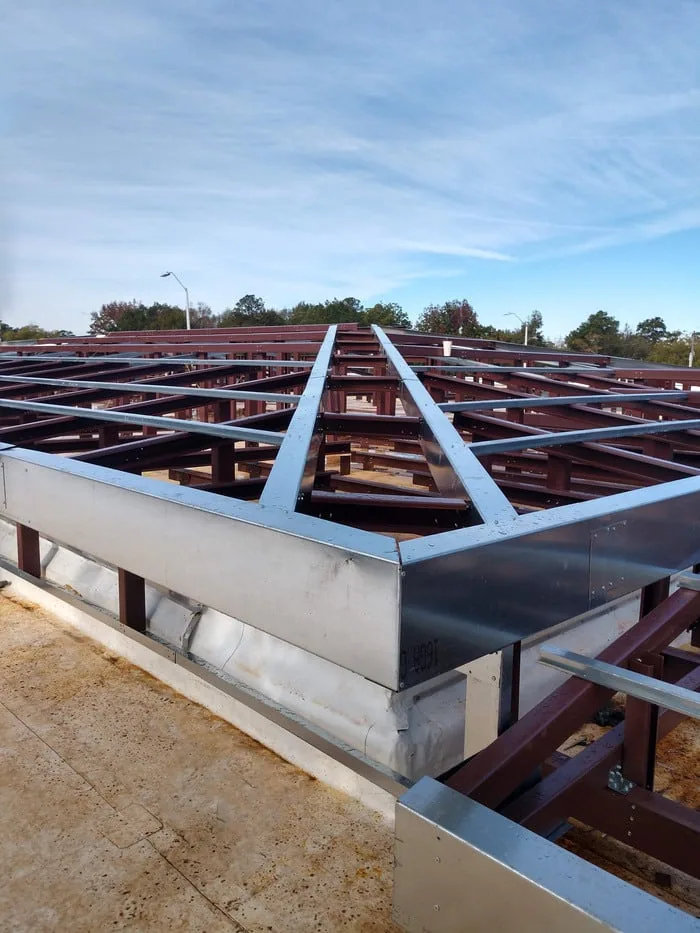
Public review benefits from a scope that names the work rather than hiding it in a roof-area total. We identify conditions, zones, access equipment, protection, removal limits, materials, drains, curbs, edges, disposal, and closeout. The proposal separates confirmed work from investigation needing authorization, so reviewers can see what they are approving.
A condition report ties photographs to a roof plan. If a concealed question remains, the proposed test states its location, method, protection, and closure. An estimate should not present unverified wet area as measured fact. Agency staff can approve additional examination and keep the scope aligned with the result.
School districts may use formal procurement and campus coordination, while property management teams route approvals through owners and tenants. Each agency follows its own process. We clarify construction assumptions without substituting for procurement rules. If a bid includes alternates, each should define its limits, interface with the base scope, and effect on access or closeout. The agency can evaluate each option against a defined construction result.
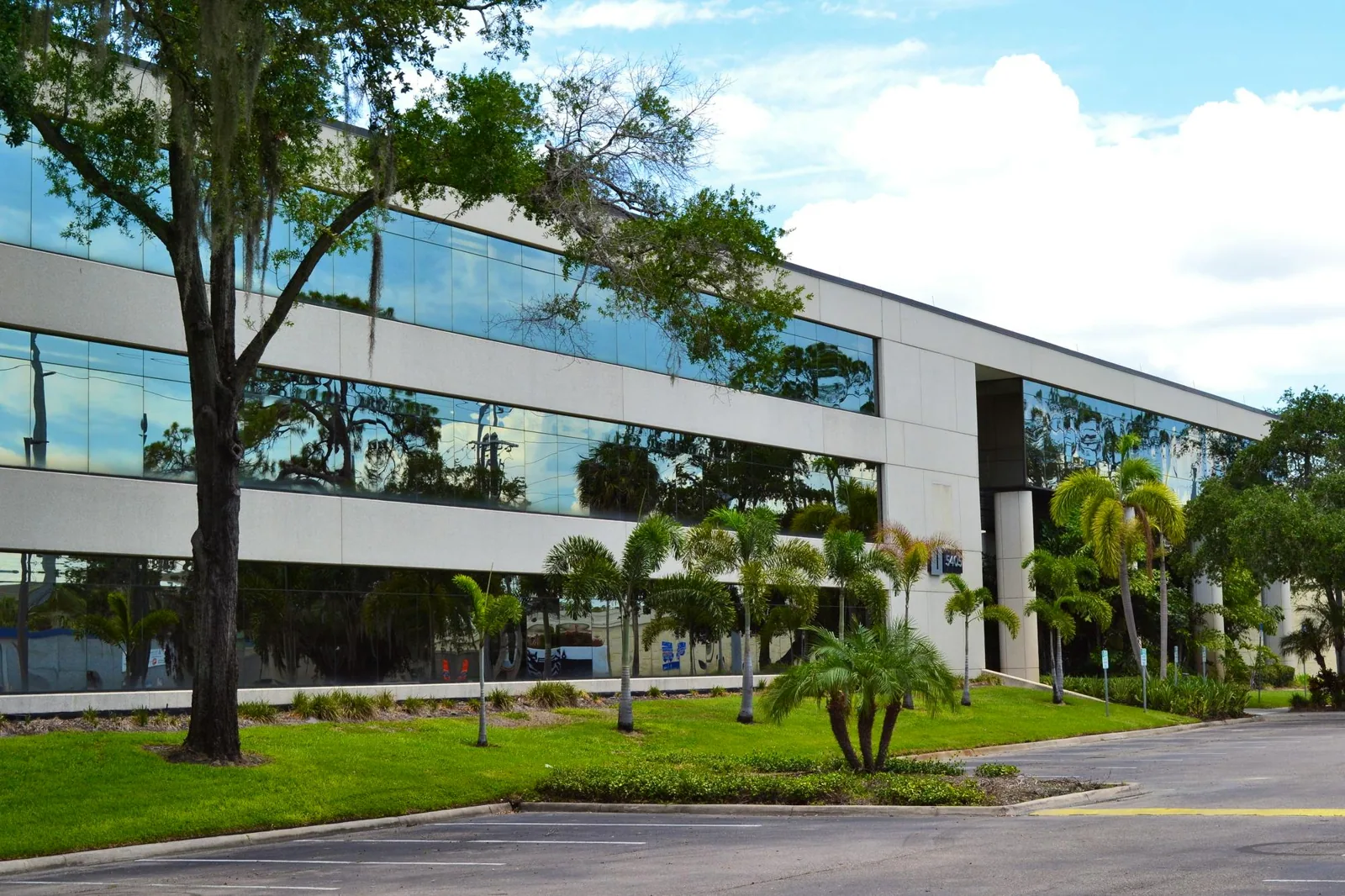
Public routes remain part of the plan
We ask the site contact to identify entrances, service windows, public walks, parking, emergency routes, and hours when loading can be reserved. The sequence shows where a lift or pallet will sit and which path remains open. A temporary closure should state duration and who handles notice.
Occupied public buildings may have several departments sharing the site. The crew needs a current contact for access changes, safety limits, and any roof opening. Public service hours may differ from the construction window, so the agency confirms both.
Occupied-building roof work can set separation and protection. Emergency response is available around the clock, including weekends and holidays, for active water entry. The agency controls access and authorization; we document protective and permanent work separately.
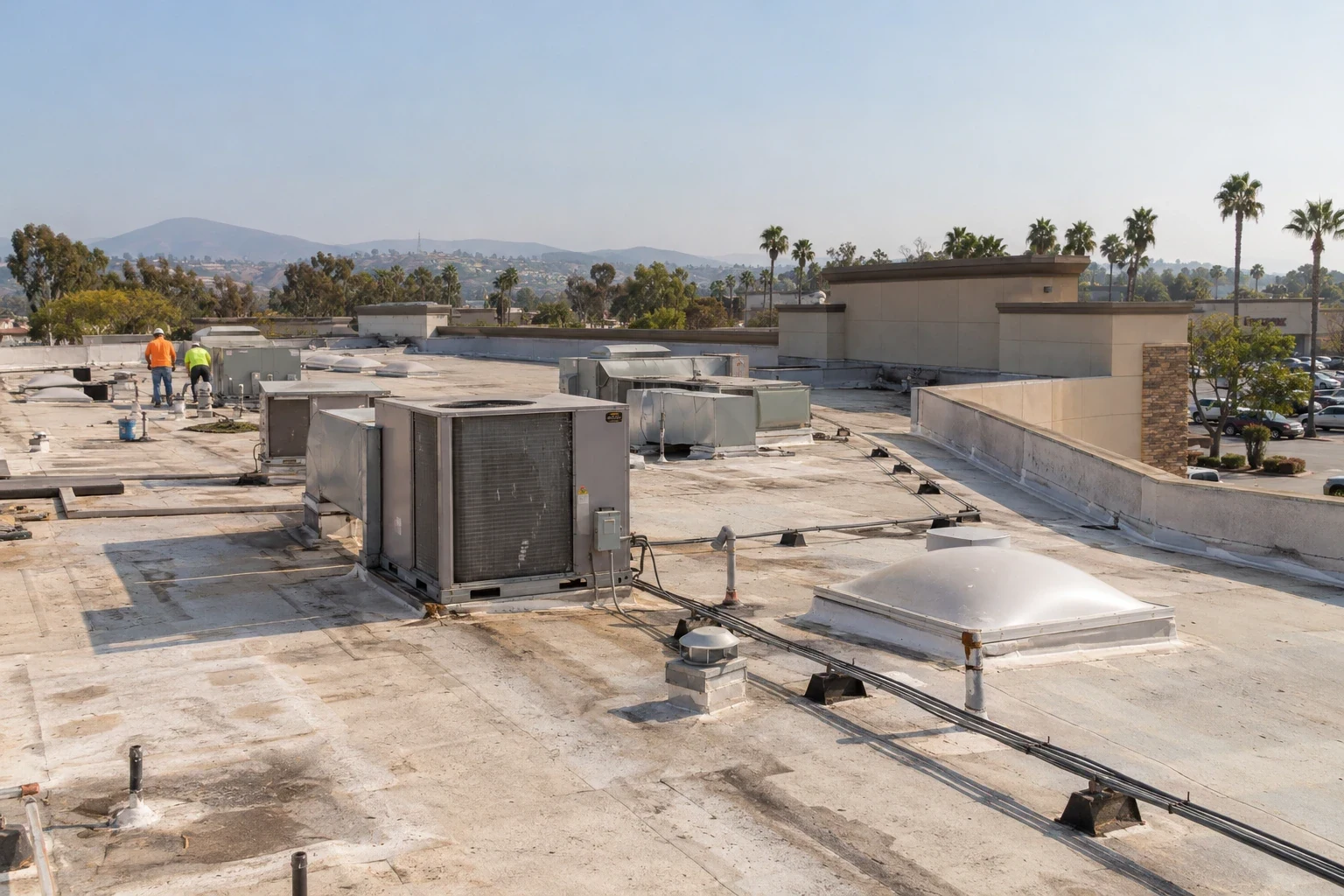
Tie field findings to the asset record
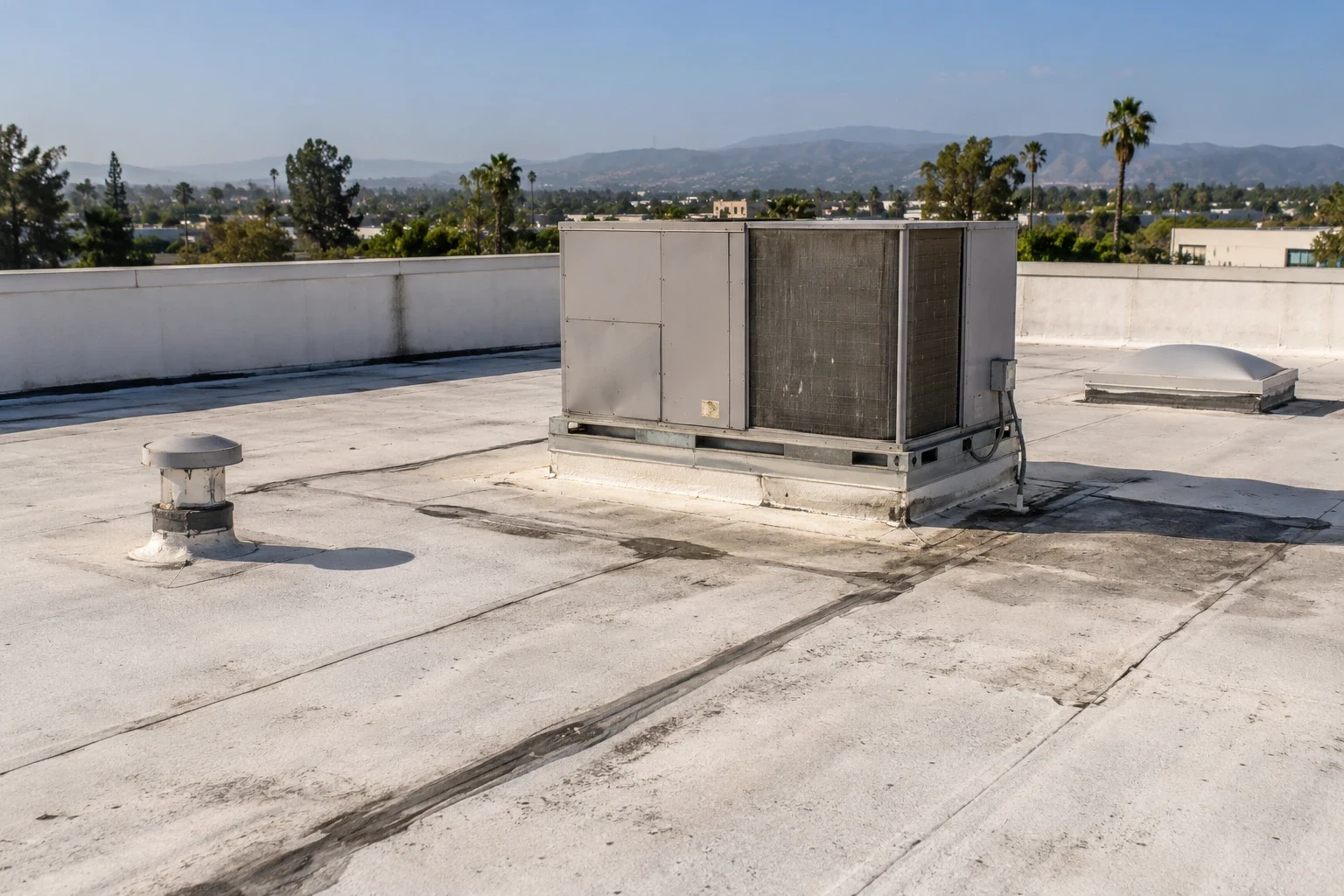
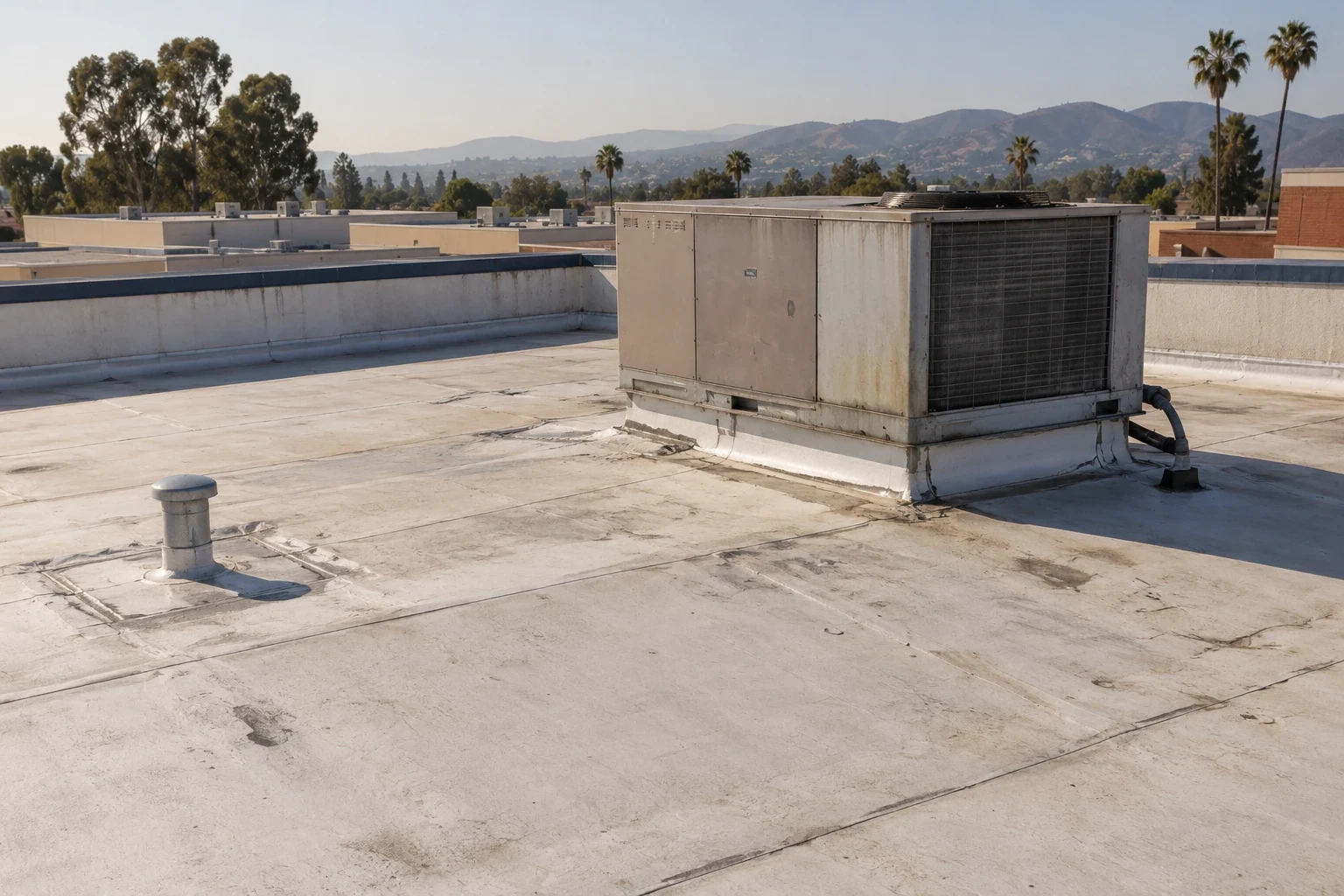
A ceiling stain or older repair is a reason to inspect, not proof of one cause. We locate it against drains, seams, penetrations, curbs, and roof transitions. Photographs show the inspected zone and what remains concealed. If access or weather limits the visit, the record says so before it supports a wider quantity.
A Fontana summer roof visit can meet forecasts higher than 100°F; on some days, the National Weather Service issues an extreme-heat advisory. That affects roof access and inspection timing. We coordinate with the site contact, identify protection below, and confirm when the area can be examined. Weather informs scheduling; field inspection determines condition.
A commercial roof inspection records visible conditions and follow-up needs. If moisture or attachment changes the method, we define further examination before pricing a larger assembly. The agency receives a bounded recommendation and an approval point.
Separate repair authority from capital planning
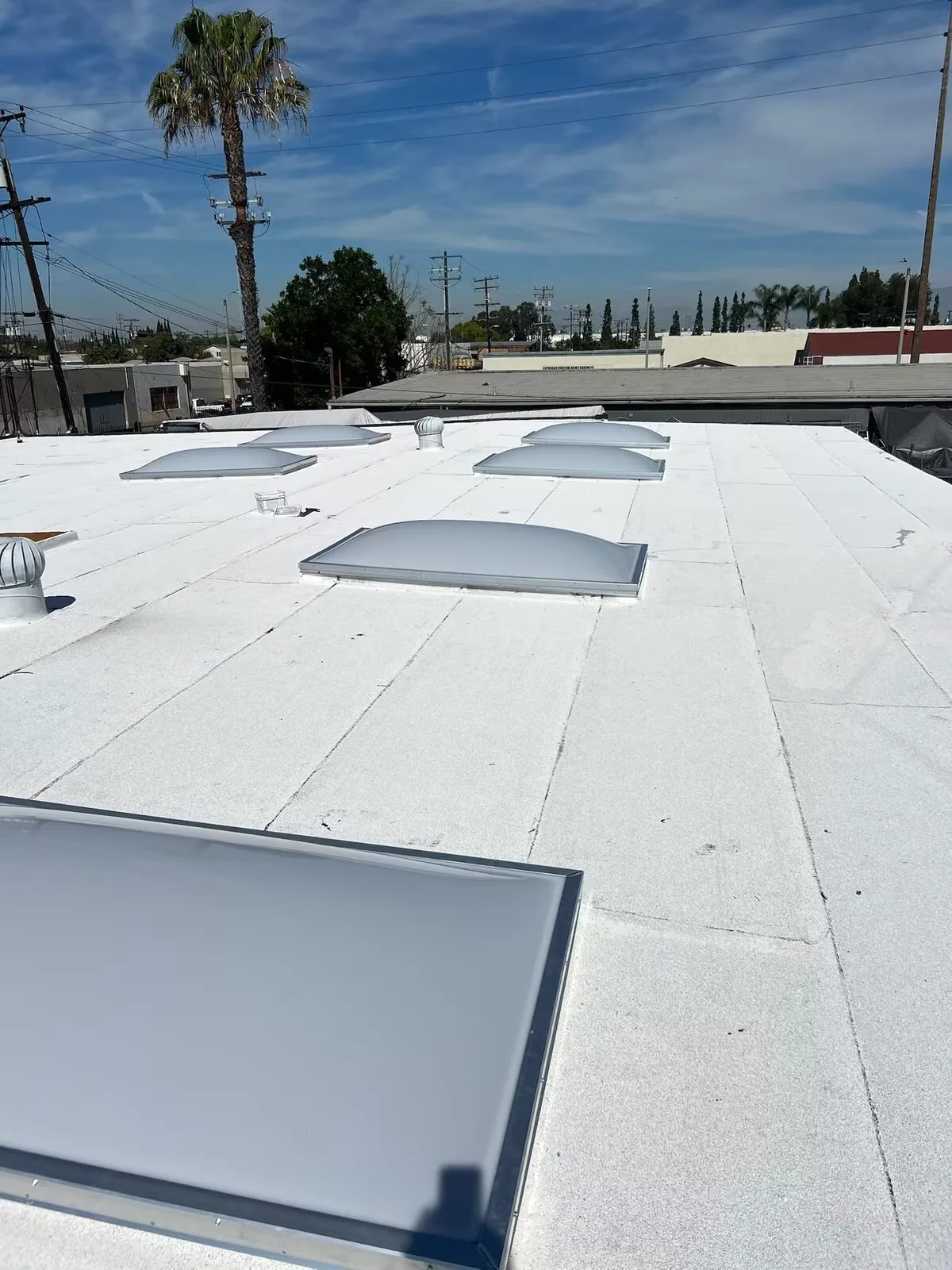
An agency may address a leak while capital review continues. A repair proposal names the seam, flashing, curb, or drain, plus access, protection, and closeout. Recover or replacement adds removal, preparation, insulation, drainage, and edge work. Separate scopes prevent approval of one task from implying approval of another.
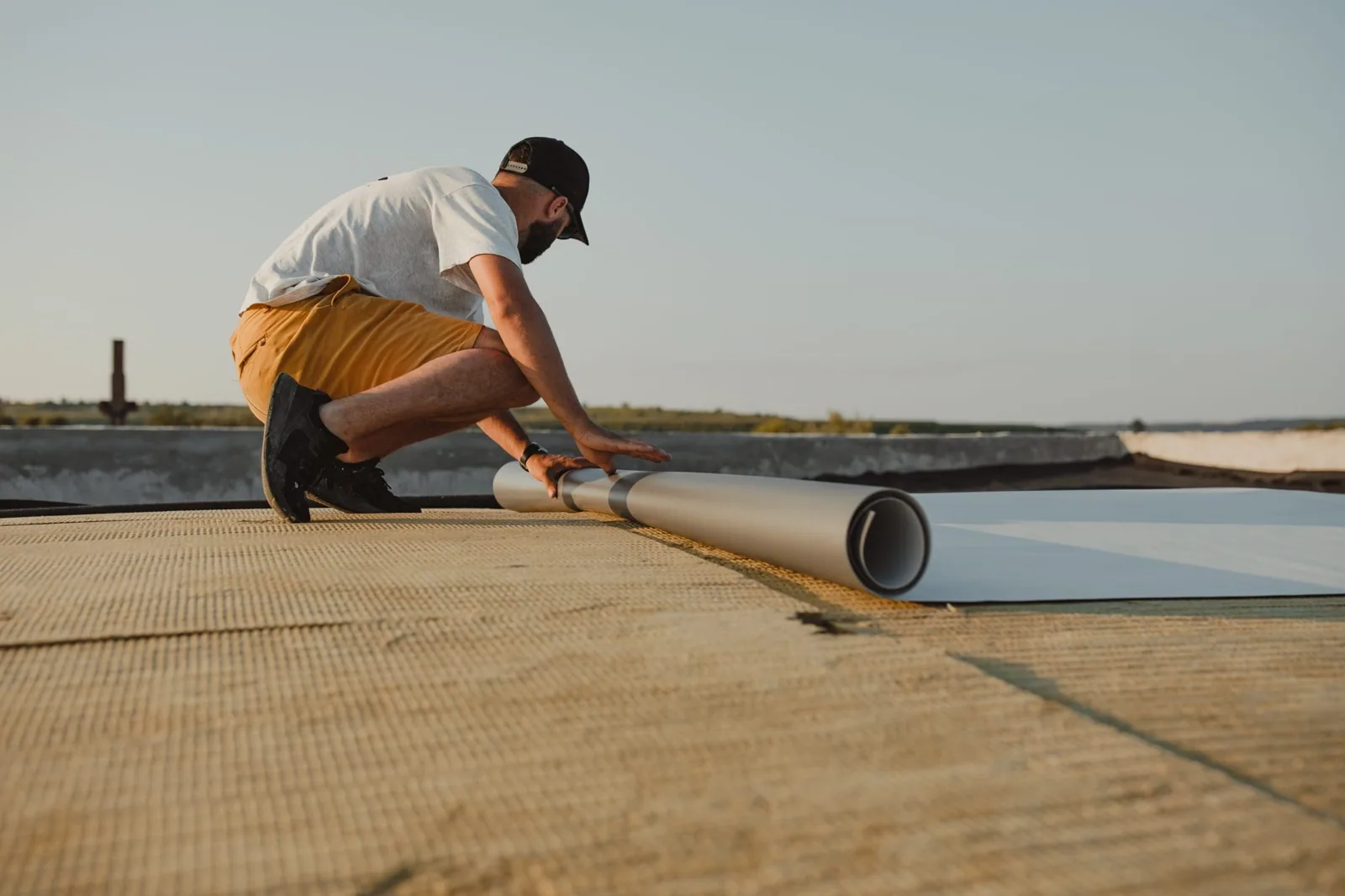
A defined repair addresses an isolated failure when adjacent material supports it. Full removal requires disposal and new assembly details. Replacement scope identifies those tasks and tie-ins, plus how concealed findings will be submitted for approval.
A roof capital plan can group assets by action and timing while each facility retains its evidence and authorization. A portfolio summary remains useful without merging separate buildings.
Plan around heat and public operations
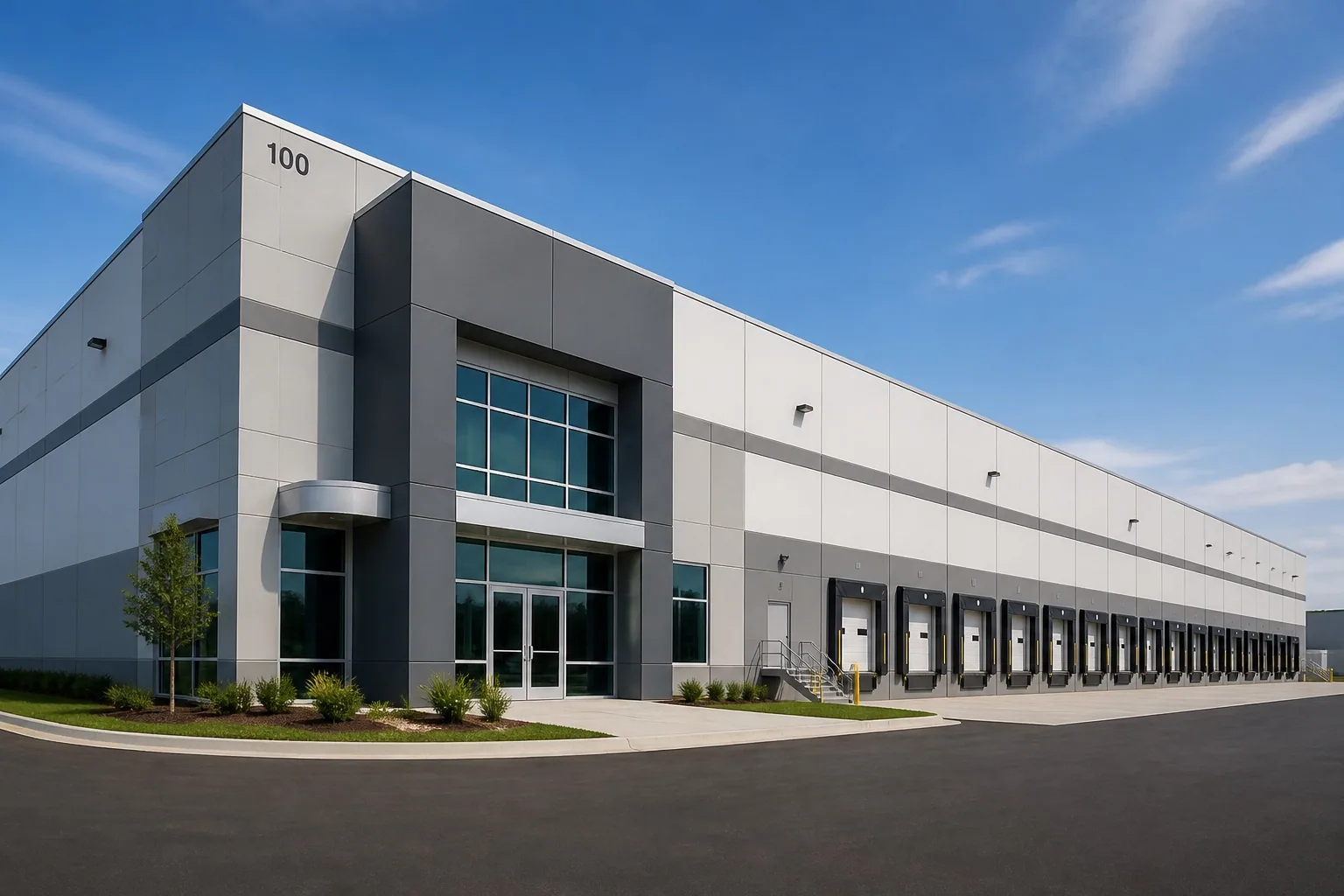
Fontana summer heat can shift the safe work period and affect material handling. We identify work hours, delivery sequence, tasks suited to cooler times, and when a public route returns to use. Each building receives its own closure sequence and change approver.
I-10, I-15, and SR-210 serve regional freight and commuter needs. Manufacturing, transportation, and logistics are key local industries, alongside public, healthcare, education, and commercial properties. Regional movement frames delivery; gate procedures, receiving windows, and public hours govern the site.
Commercial districts follow portions of Sierra Avenue, Valley Boulevard, and Foothill Boulevard. Downtown Fontana redevelopment redevelopment area spans roughly 389 acres across commercial portions of Sierra Avenue, Valley Boulevard, and Foothill Boulevard. We confirm staging, pedestrian movement, site contact, and notices before arrival. If equipment must be lifted above a public route, the plan identifies the control point and how the route will reopen. A supervisor should know who can pause the lift if access changes.
Close the file with a site-level record
Closeout records the completed area, materials, details repaired, photographs, accepted changes, and remaining observations. It also identifies excluded work so a future reviewer does not treat an open recommendation as completed roofing work.
A maintenance visit can revisit drainage, seams, flashings, and equipment interfaces. A maintenance entry does not replace an approved repair record. A multi-site roof program can standardize reporting while keeping site maps and access details separate.
The handoff names the agency contact for future access and needed records. Photographs, approved scope changes, and completion dates should stay associated with the facility. If a future inspection finds a different condition, the reviewer can compare it with the actual work performed. Emergency corrections remain distinct from later permanent work, supporting the next procurement decision.
Set a public-facility scope review
For a public-facility review, provide the agency's authorized contact, purchasing stage, public service hours, roof plan, and any notice requirement. We will document field findings and return the proposed boundaries, protection, and construction handoff for review.
For active water entry at a public property, crews can respond overnight or on a weekend or holiday. Immediate protection can be separate from repair or renewal. The agency retains its approval process, and the record identifies the work authorized.
Frequently Asked Questions
What should an agency provide before a roof scope is prepared?
Share roof plans, repair records, leak locations, access rules, procurement stage, public hours, and authorized contact. We confirm what can be inspected and identify limits. The scope separates confirmed work, investigation, and required approval.
Can a roofing contractor determine the agency's procurement method?
The agency determines purchasing, bid, and approval requirements. We clarify construction quantities, assumptions, alternatives, access, and schedule so the scope fits the requested format.
How do you keep a public entrance available during roof work?
We identify public routes, staging, and work boundaries with the site contact. Any temporary restriction includes duration and notice. The agency confirms which entrances and service areas remain active.
What if an inspection cannot reach part of the roof?
The report names the inaccessible area and why it was not reviewed. We identify access or follow-up needed before recommending work there; unknown construction remains unconfirmed.
How should a leak repair fit into an upcoming capital project?
Record the immediate correction separately from wider renewal. We identify the affected area, completed work, and remaining investigation. The capital choice follows broader evidence and agency authorization.