Commercial Roof Capital Planning
Plan Fontana roof repairs and renewals by condition, access, procurement, and operating impact. Build a practical funding sequence from current field findings.
Material staging at a live plant can occupy the same lane a capital project needs for inbound freight. Roof capital planning starts with that conflict alongside the roof condition. We review available inspection records, repair history, access limits, and known system details, then sort work by urgency and decision lead time. The result is a phased view of repair, further testing, recover, or replacement candidates. It gives an owner a sequence for funding and procurement without treating an estimate as a bid or a planning horizon as a promise about concealed conditions.
The forecast begins with observed condition
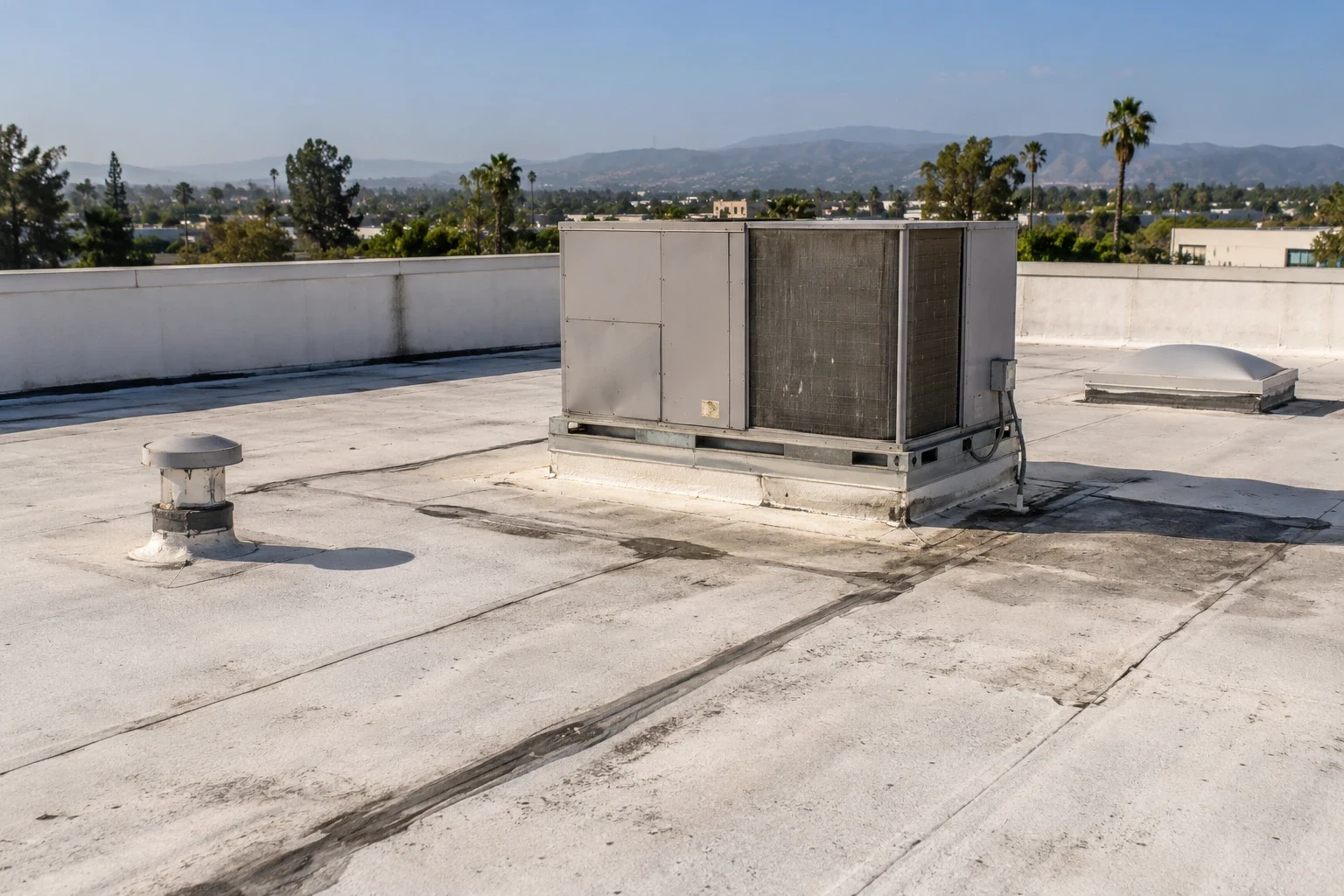
A capital forecast is only as useful as the observations beneath it. We separate active leaks and visible failure from aging, maintenance needs, and assumptions that still need investigation. A localized flashing defect may justify prompt repair; recurring water entry, widespread wet insulation, or failing drainage can call for a broader scope review. We connect each recommendation to a roof zone and available photographs, using a condition report to keep the field basis accessible to the people who control funding.
Fontana's building base includes warehousing, distribution, manufacturing, healthcare, retail, education, and civic properties. The city's Southwest Industrial Park and Jurupa Industrial Park plans include truck storage and logistics uses, so operating disruption can be a material cost driver. That context helps frame timing, but the forecast still depends on the specific building's roof and operating calendar. A roof asset record can supply the repair and inspection history needed for the baseline.
Urgency and lead time differ
Not every item belongs in the same funding year. Active water entry, exposed substrate, or an open roof detail may need quick action to limit interior impact. A roof with stable field conditions but aging edges may allow time to prepare a larger procurement. We identify what happens if a repair waits, what information is missing, and which action can reduce uncertainty. That avoids grouping a contained defect with a full system renewal as if both carry the same consequence.
Fontana summer forecasts regularly include temperatures over 100°F. Exposed work surfaces and the timing of an open roof can affect crew windows, material handling, and occupied operations. We account for those constraints in the expected sequence. Freight corridors I-10 and I-15 also influence deliveries and lift access for some sites. When the building cannot release a work zone for long, occupied-building phasing can be considered in the capital option rather than added after approval.
Repair and renewal stay distinct
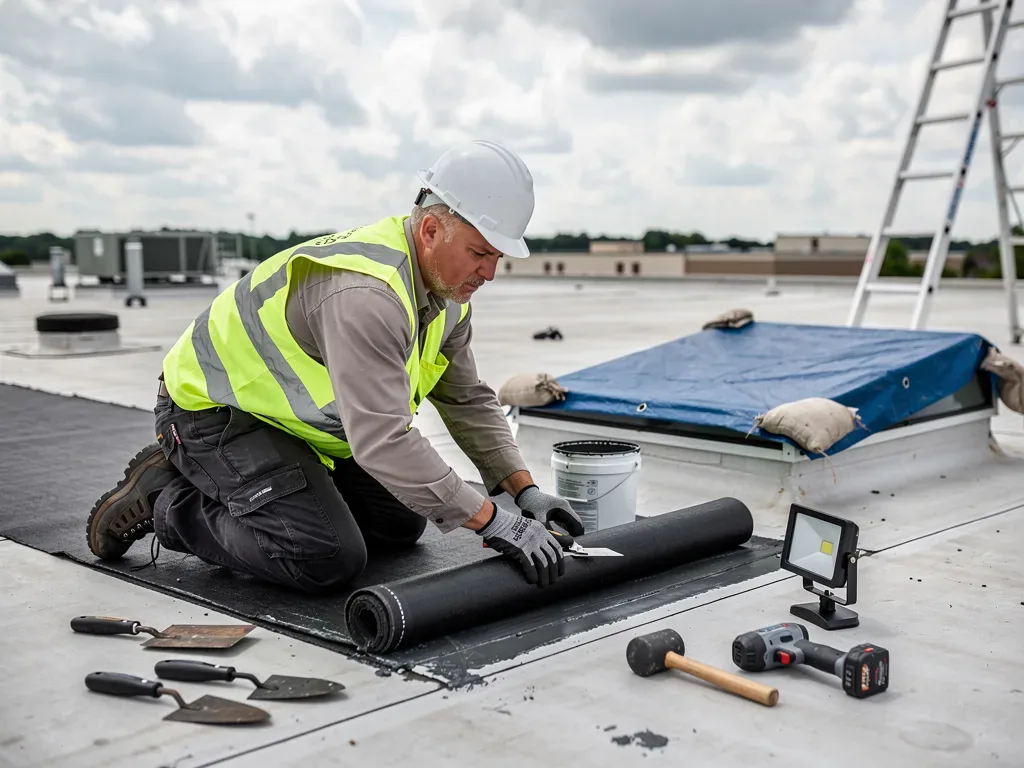
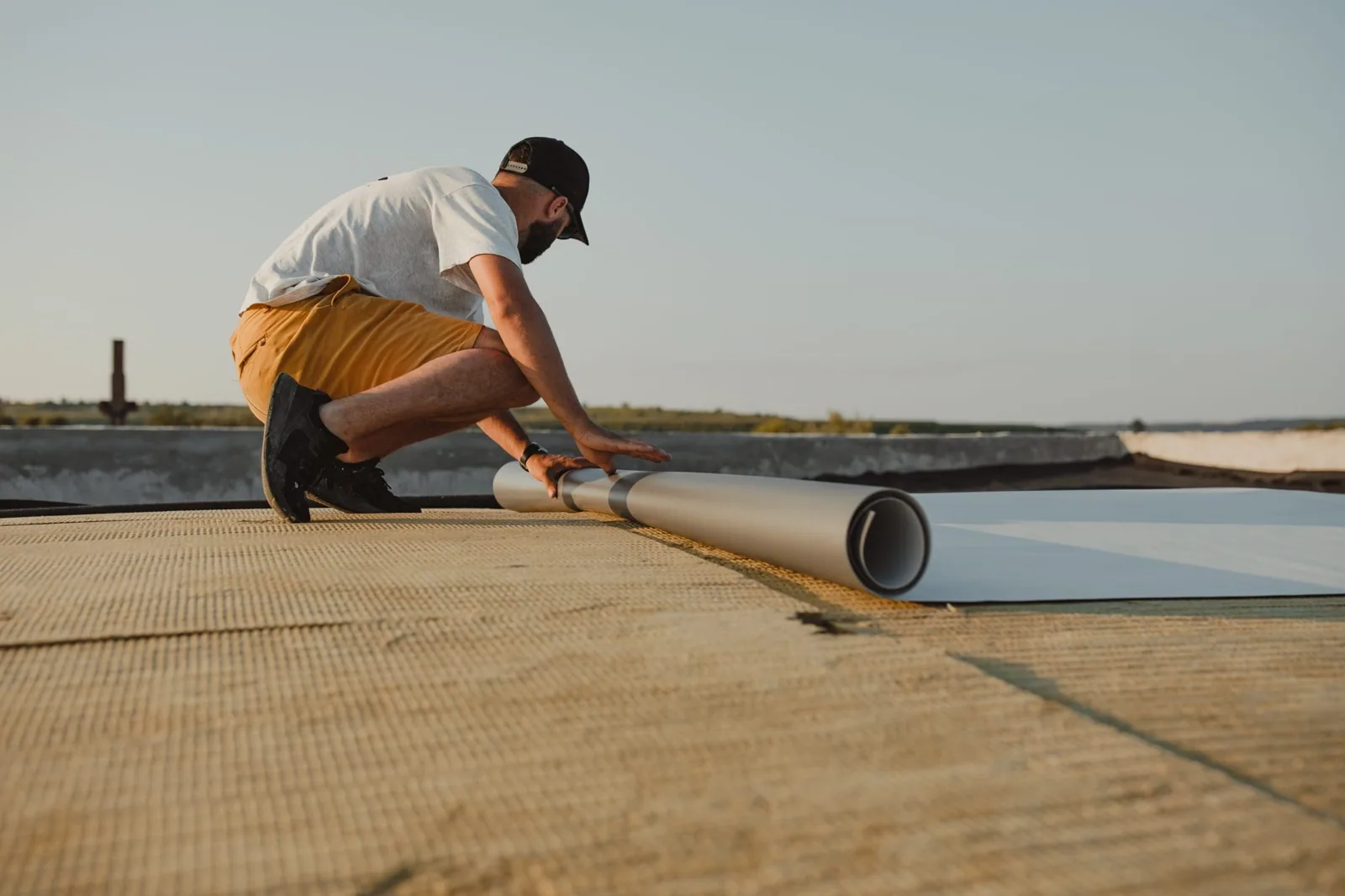
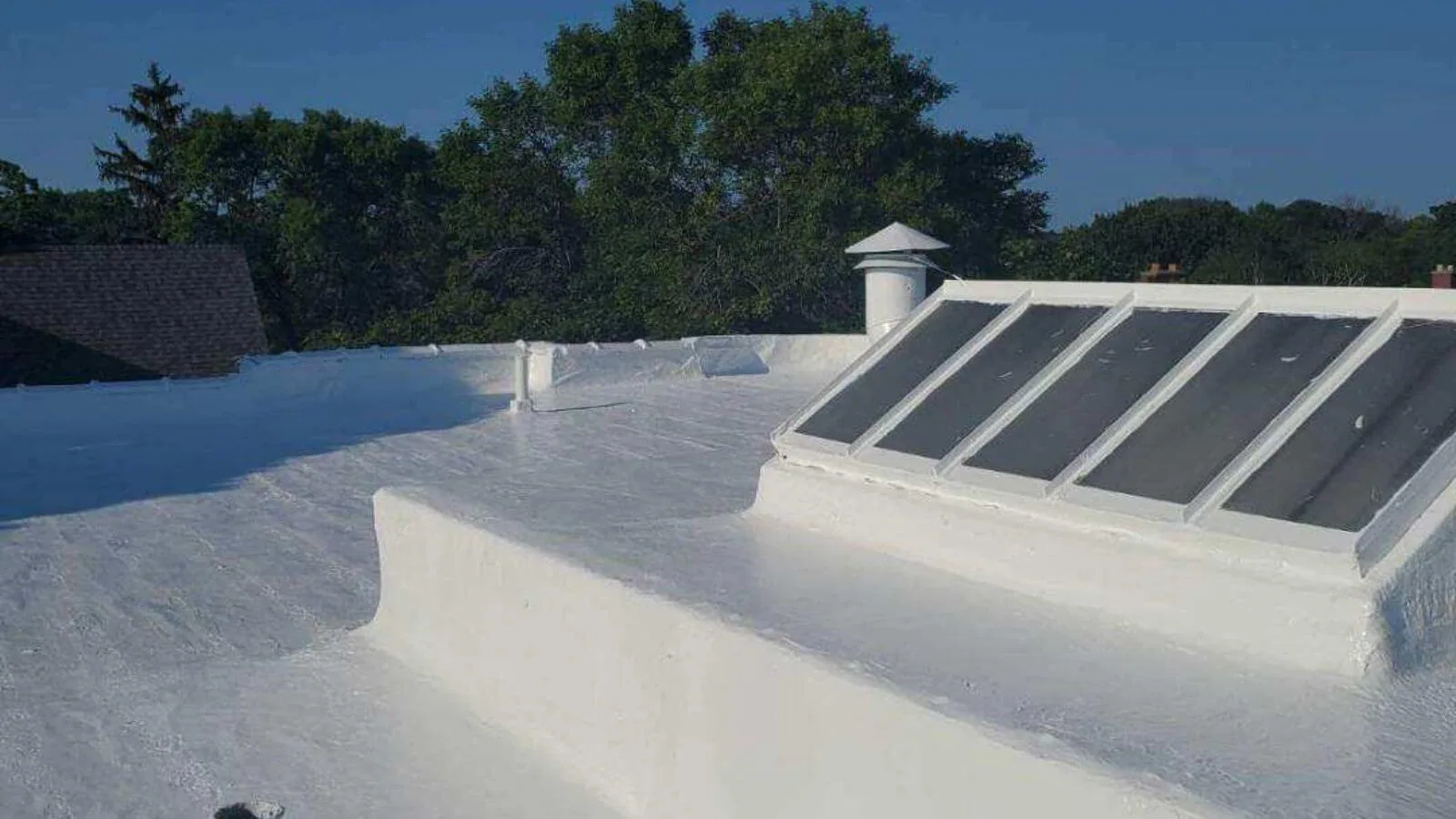
A repair budget handles known local conditions; a renewal budget changes a roof area or system. We outline the difference and the checks that may affect scope. A recover needs suitable existing layers, attachment, drainage, and code review. Replacement may require removal, deck assessment, insulation and cover board decisions, and a tie-in plan. Material lead time, roof access, tenant protection, lift needs, and disposal can affect cost and timing. Pricing follows a defined work area, preparation, access, and close-in plan.
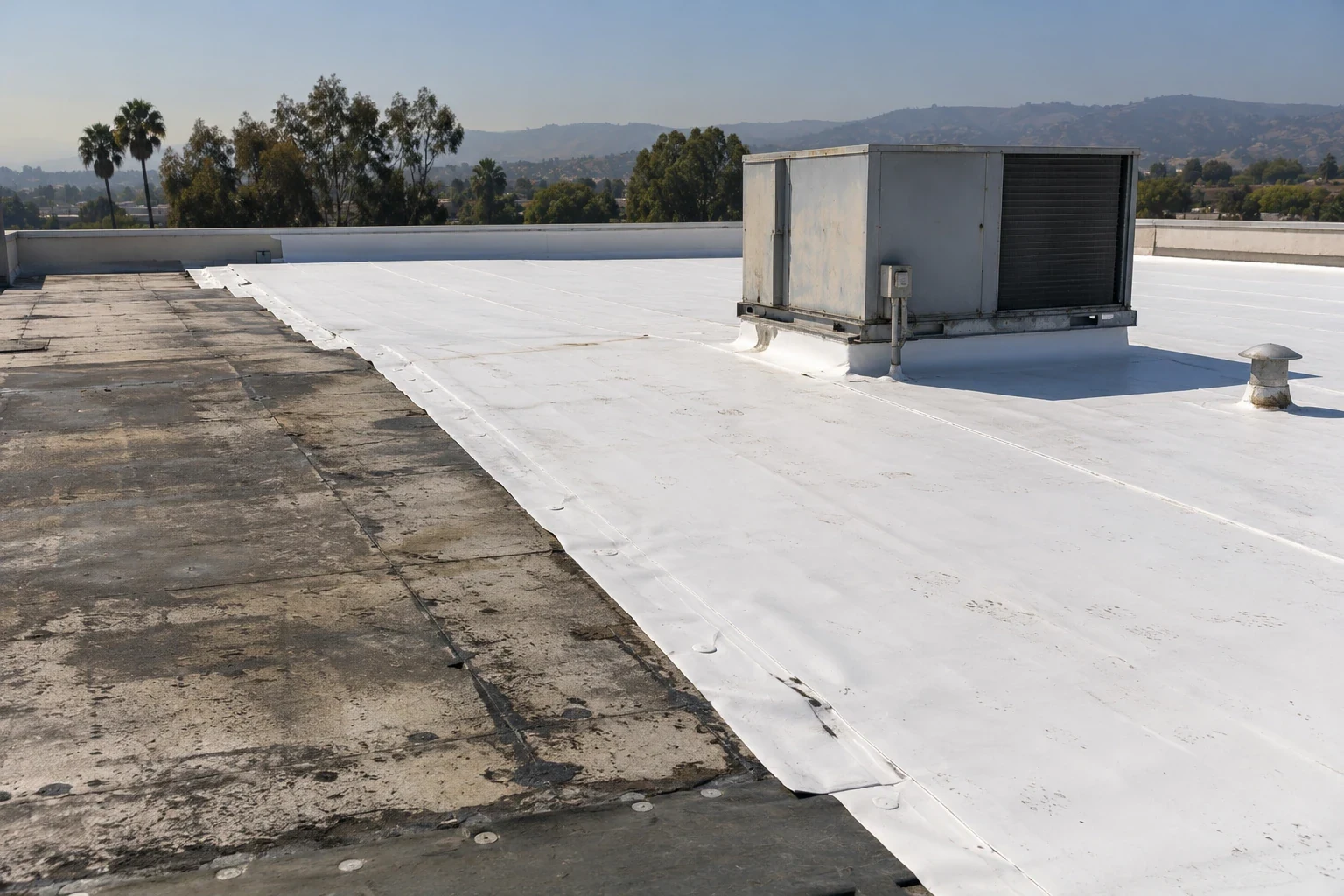
Where the observations justify it, a repair scope can address a limited failure while larger work is planned. A recover option can be evaluated separately from replacement. Each recommendation follows the inspected roof's condition, layer history, and defined scope. For a buyer or lender schedule, a due diligence roof survey can establish the visible condition before funds are committed.
The calendar reflects site access
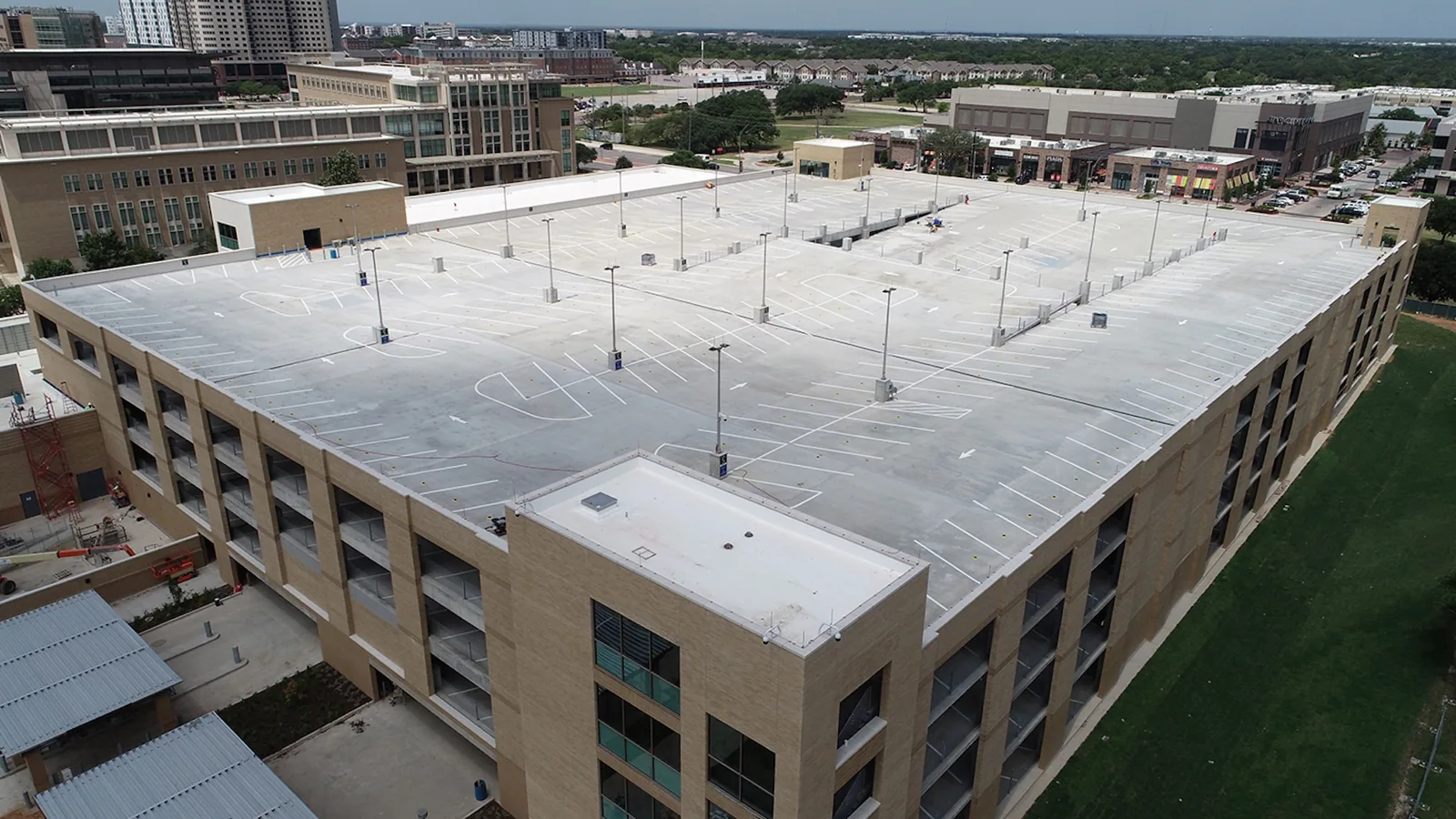
We place work in a sequence the building can support. That may mean inspecting one roof area before another, securing a lift during a low-traffic period, or completing a repair before a tenant change. On Fontana's Sierra Avenue, Valley Boulevard, and Foothill Boulevard commercial corridors, customer access and parking can influence equipment placement. At an industrial property south of I-10, a truck lane or active loading apron can set the safe staging boundary. The plan identifies the coordination needed before procurement or mobilization. In the Fontana Gateway industrial area, for example, access planning should name the actual loading boundary and delivery contact for the property being scoped. The field review identifies the installed system and access details that govern work at that property, then connects each choice to the building's schedule. If the owner changes the work window, we revisit lift access, material drop, tenant notice, and temporary protection before confirming a new date.
For portfolios, each property retains its own condition, scope, and funding window. A multi-site roof program can align inspection and procurement where practical, while keeping each building's recommendation separate. We track material selection, approvals, tenant notices, and final closeout as related but distinct tasks. A delayed decision can affect delivery sequence or expose an open area longer, so the plan names the decision owner and the date that keeps work moving.
Every phase has a decision owner
The capital plan ends in a usable decision list, not an unfunded condition summary. It identifies which items need approval, what additional test or access is required, and what work can be scheduled now. If the owner defers an action, we preserve the observed risk and a review point. If a repair is completed, the closeout updates the basis for later funding. This creates a working path for budgeting, procurement, site coordination, and roof work.
Capital decisions also benefit from separating design inputs from construction readiness. A board may approve a funding range while procurement still needs a defined system, tested substrate, or bid scope. We mark those steps so approval does not get mistaken for authorization to open the roof. Once the scope is sufficiently clear, the project can move to material selection, required notices, and a confirmed access window without losing the original condition record.
To begin, gather existing roof plans, inspections, repair invoices, warranty files, and operating calendars. We will identify where the record supports a scope and where a field visit is needed. Schedule a Fontana roof planning review with facilities and budget decision-makers present. The first discussion should establish the roofs in scope, access rules, and the time horizon that matters for each property.
Frequently Asked Questions
What information do you need for a useful forecast?
Start with building and roof-area lists, prior inspections, repair records, known leaks, drawings, and access constraints. We mark missing items and avoid presenting them as confirmed. A field visit can establish current visible condition where the records are old or incomplete.
Can you put every repair into a single annual budget?
We can group items by likely timing, but active water entry or a safety issue may need action before the next budget cycle. Other work may be coordinated with procurement or tenant schedules. Each line identifies its roof area, timing basis, and owner decision.
How do you compare a recover and replacement?
We compare the observed roof condition, existing layers, attachment, drainage, code implications, and tie-in needs. Recover feasibility requires confirmation of the actual assembly and moisture condition. Replacement includes removal and broader material and access decisions. The budget should preserve those assumptions explicitly.
Does weather change the funding sequence?
It can change access windows and the safe timing of work. Fontana summer heat can make exposed-surface hours a planning factor, while seasonal rain affects open-roof protection. We use the property schedule and forecast work scope to determine whether timing changes the project plan.
What if the building records are incomplete?
We begin with available material, mark the gaps, and plan the inspection or test that can answer a meaningful scope question. Missing drawings do not prevent documenting visible conditions, but they may limit conclusions about concealed layers, attachment, or original system details.