Multi-Site Commercial Roof Programs
Coordinate roof inspections, repairs, and capital work across Fontana properties with building-specific scopes, access plans, and operating schedules.
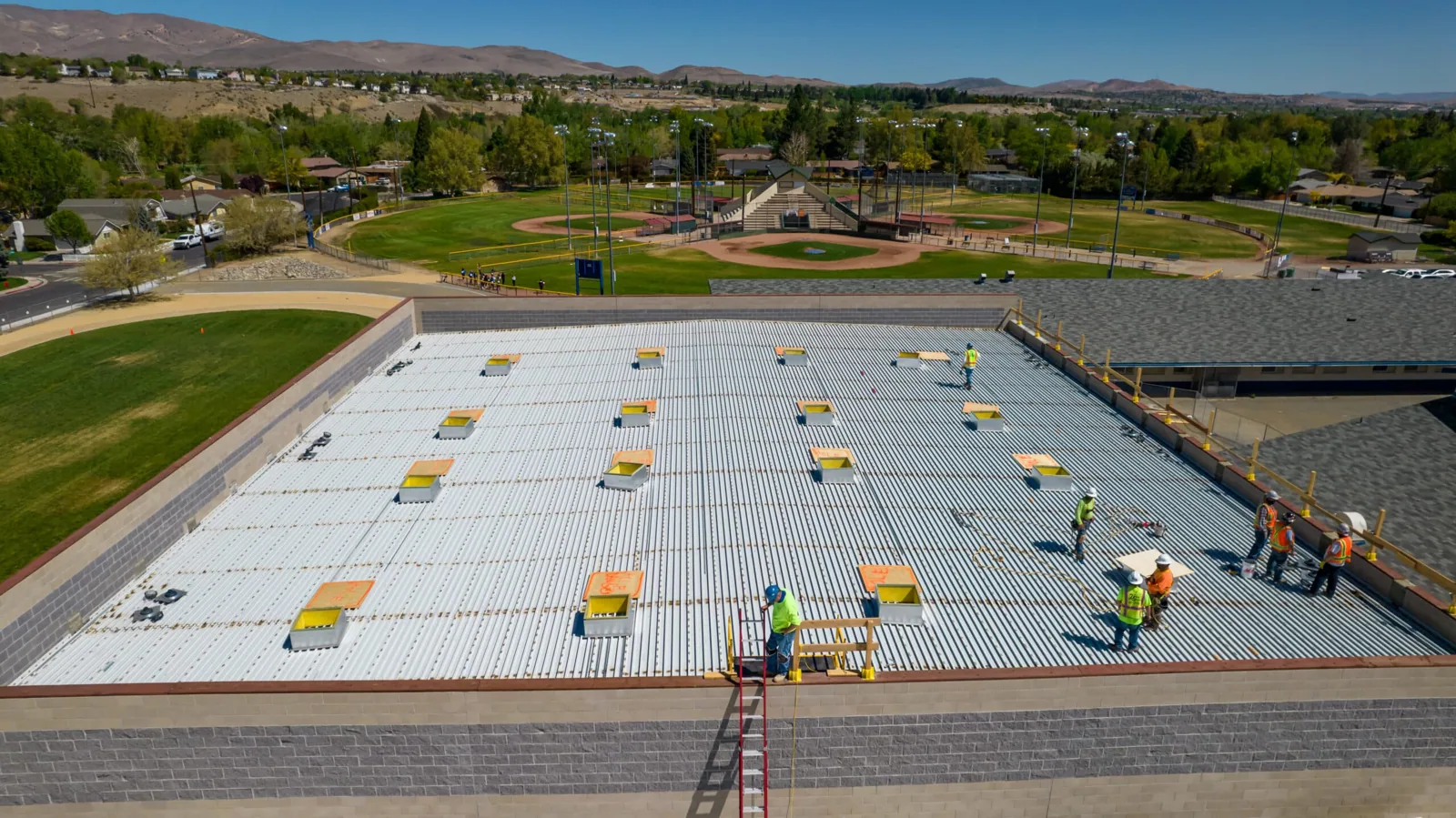
A delivery window at one building can collide with a roof inspection at another, even when both properties sit within the same Fontana portfolio. A multi-site roof program sets the sequence before crews, lifts, and material arrive. We start with a property list, access contacts, operating constraints, and the decisions each roof needs. Then we group inspections and repairs where geography or procurement makes sense while keeping findings tied to each building. The format helps an owner see which work is urgent, which needs a closer look, and which can enter a capital plan without implying that every roof has the same assembly or condition. A targeted roof repair can be placed into the first work wave when a condition needs prompt attention.
Each property keeps its own scope
A portfolio schedule can be common; a roof scope cannot be assumed common. One site may have open seams and wet insulation, while another has sound field membrane but failing penetrations. We record those differences under separate building identifiers and roof zones. That makes the work order usable for operations and prevents a repair observed at one property from becoming a blanket prescription for the rest. A roof asset management program can carry this building-level history forward as properties change hands or budgets shift.
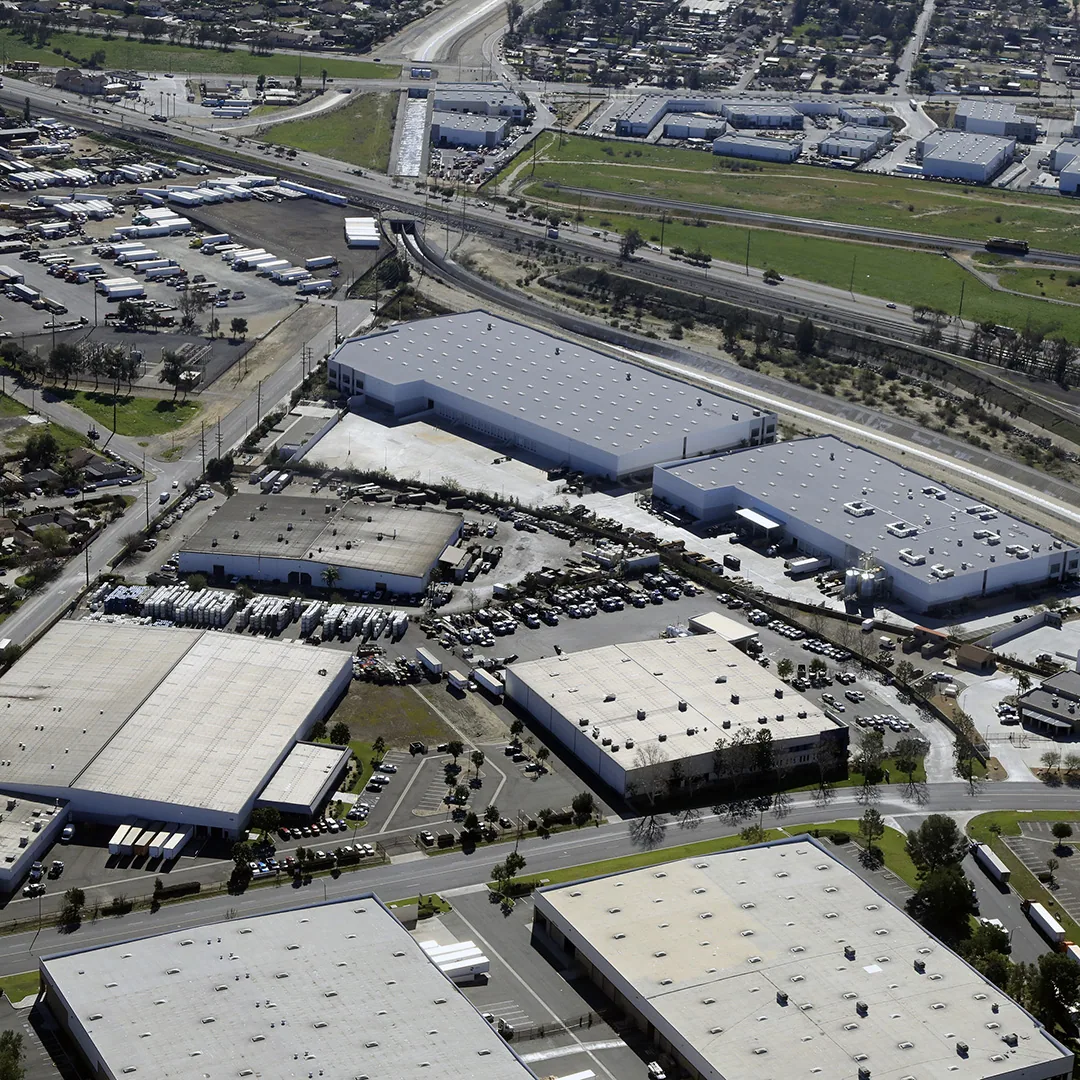
Fontana's building mix spans warehousing, manufacturing, healthcare, retail, education, office, and civic uses. A distribution site near the Southwest Industrial Park may have a different delivery rhythm than an office building in the Sierra Avenue commercial corridor. We ask what moves below each roof, who controls access, and what hours keep the work zone safe. The property file then captures its assembly, drainage, access limits, known repairs, and next action, rather than relying on a portfolio average.
The schedule follows operating windows
We stage the work list by risk and access, not by a generic route through a map. A roof with an active leak or an open penetration may need an earlier repair visit. A survey can follow when the site can provide access to its roof hatch or lift area. For Fontana properties tied to I-10 and I-15 freight movement, the ground-level loading plan may determine when a lift or delivery can occupy a lane. SR-210 and Union Pacific also connect the regional movement picture, but each site still needs its own safe staging arrangement.
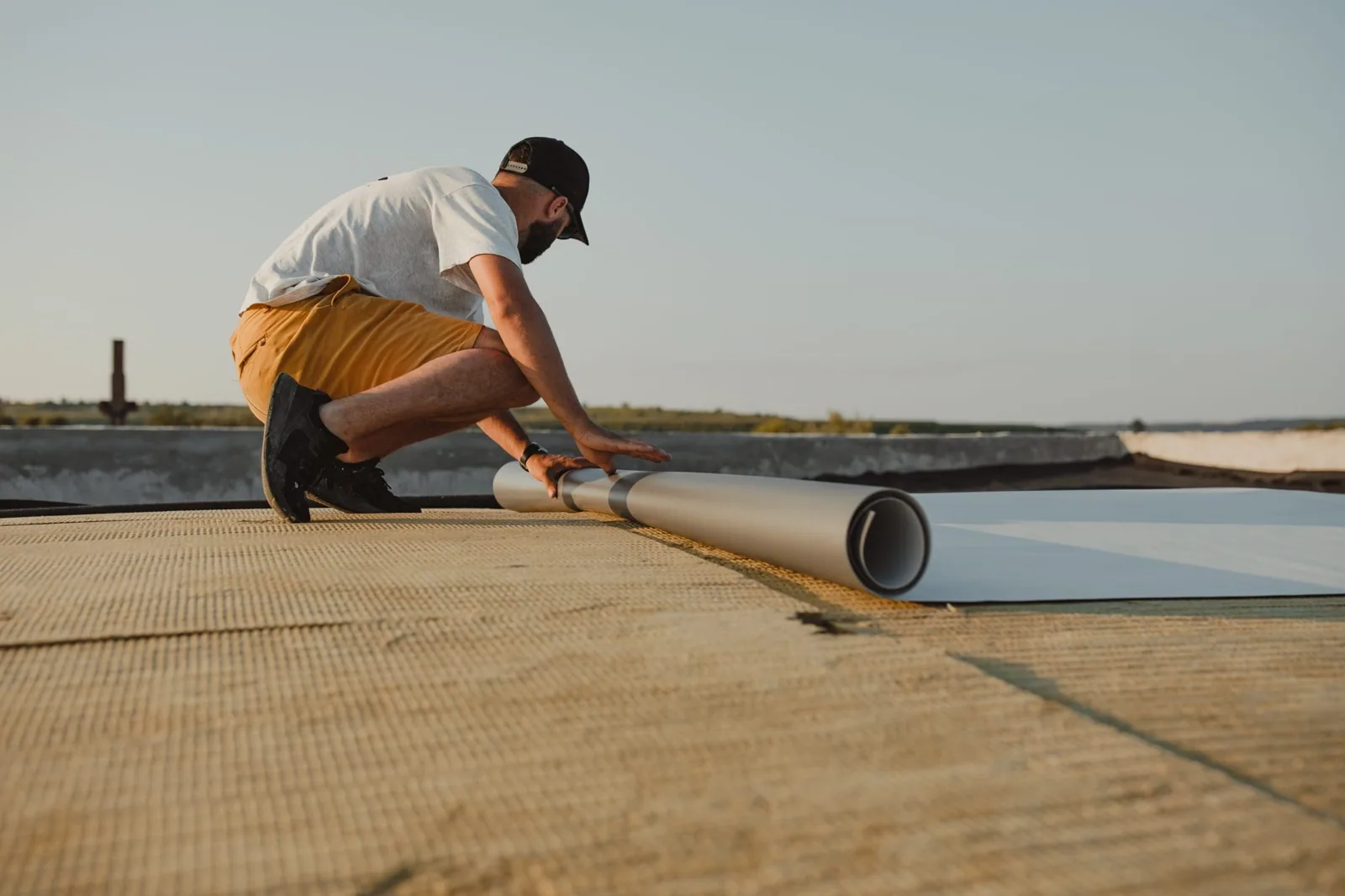
During summer heat, Fontana forecasts regularly include highs above 100°F. We consider exposed roof conditions when setting inspection and installation windows, and we coordinate work that involves membrane rolls, adhesives, or an open roof area. If multiple buildings require work, the schedule can separate noisy or disruptive activities and preserve the access routes each operation needs. A written condition report gives managers a consistent decision record without flattening distinct roof findings into one score.
Procurement and mobilization connect
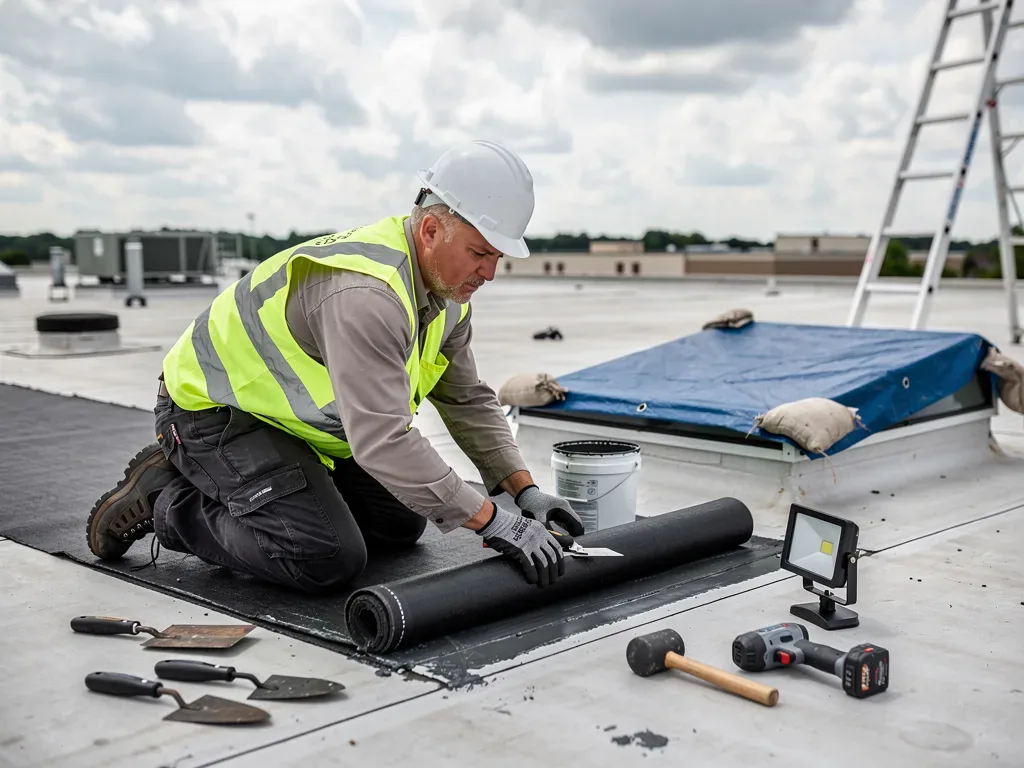
Repeat site visits can waste time when details, access permissions, and material decisions are missing. Before mobilization, we align the repair scope with the roof system, confirm where materials can be staged, and establish the daily closeout boundary. If a portfolio includes different membrane or metal assemblies, we identify compatible repair materials for each address instead of ordering from a portfolio-wide assumption. The cost picture includes mobilization, lift needs, protection, phasing, material lead time, and how much of the work can share one crew window.
When a repair is not enough, the owner may need a recover or replacement proposal for a specific building. We carry that recommendation into roof capital planning with its own timing and decision basis. Fontana's Southwest and Jurupa industrial parks support trucking, warehousing, and distribution. For each property, we coordinate deliveries and roof access with its loading schedule, then inspect the installed assembly before procurement. A measured property record keeps procurement tied to actual conditions.
One view makes follow-through easier
The program dashboard can show open inspections, approved repairs, deferred items, and decisions waiting on owner input. Each line should lead back to a roof area and a responsible contact. Managers can compare urgency and budget timing, then see whether a repair was completed or a condition remains open. Where documentation is needed for a lender, buyer, or internal review, a photo-based condition report preserves the field observation and recommendation.
Fontana's industrial activity is concentrated in named plan areas, while commercial frontage also follows Sierra Avenue, Valley Boulevard, and Foothill Boulevard. A Jurupa Industrial Park program may have freight and vehicle storage constraints; a corridor property may need tenant and customer access protected. We set the same management fields across sites but write each schedule around the real loading pattern, system, and work sequence. This avoids treating shared ownership as proof of shared roof conditions. Where the review shows a localized puncture, a separate membrane puncture repair can stay tied to that property's specific roof zone.
The next decision is assigned
Every open item needs a next owner action: approve a repair, arrange access, fund further testing, or accept a documented deferral. We identify the information needed to move that item and the effect of waiting when water entry or substrate damage is observed. Work completed at one property does not close a separate finding elsewhere. A portfolio manager can then make a funding decision by risk and timing while site contacts know what will happen at their building.
A good schedule also distinguishes decisions that block the next visit from details that can be resolved later. A missing hatch key, tenant escort, or lift delivery slot can stop field work; an unanswered question about a recover may only affect the long-range capital option. We mark that difference so a manager can remove the true bottleneck first. When weather or operating conditions force a change, the revised sequence should identify the affected roof zone and the handoff needed before work resumes.
Before launching a program, we review the property list, prior reports, roof plans, and operating calendar. The first pass can establish a baseline and sort buildings by access readiness. After that, inspections and repairs can move in waves, with field changes recorded against the affected property. Schedule a scope review for your Fontana sites and include the person who coordinates deliveries, roof access, and approval authority.
Frequently Asked Questions
Can all properties use one inspection checklist?
They can share core fields for access, roof zones, drainage, observed defects, photographs, and next actions. The findings remain specific to each assembly and building. A common format makes comparison easier without suggesting that a warehouse and a healthcare property have the same roof or exposure.
How should we choose the first sites?
Start with reported leaks, visible damage, overdue inspections, and properties with access already arranged. Then consider operating risk and weather exposure. We can stage the remaining buildings around lift availability, procurement, and the hours each site can release a work zone.
Will a portfolio program reduce mobilization cost?
It may reduce duplicated travel or setup when sites can be grouped safely, but distance is only one cost driver. Roof access, lift requirements, system differences, work-hour limits, and material staging can outweigh proximity. We price the actual sequence rather than promise a portfolio discount before reviewing it.
What happens when one property has a different roof system?
That property gets its own material and repair scope. Compatible products, attachment conditions, edge details, and tie-ins need to be checked for the actual assembly. A shared schedule can coordinate the visit, while the technical recommendation and procurement remain building-specific.
How do you keep deferred work visible?
We log the roof zone, observed condition, recommended action, decision owner, and follow-up date. A deferred repair remains open until the owner accepts the risk, authorizes work, or new inspection changes the recommendation. That keeps a portfolio summary from hiding unresolved items.