Commercial Roof Asset Management
Manage Fontana roof records, inspections, repairs, and renewal decisions with building-specific condition history and assigned next steps.
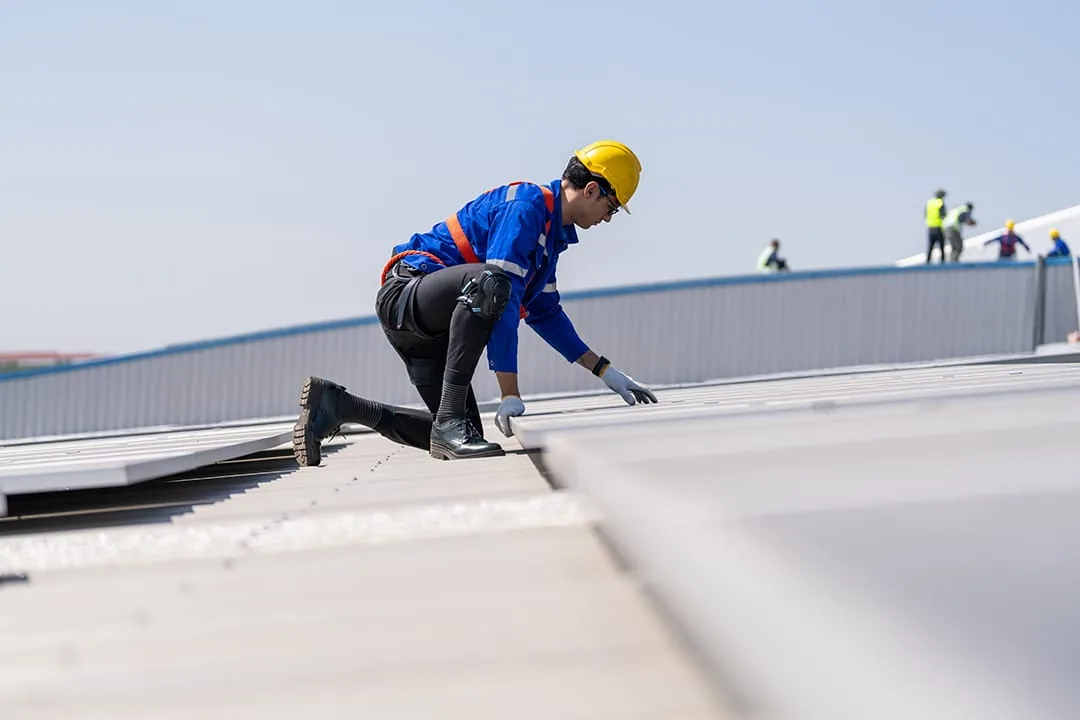
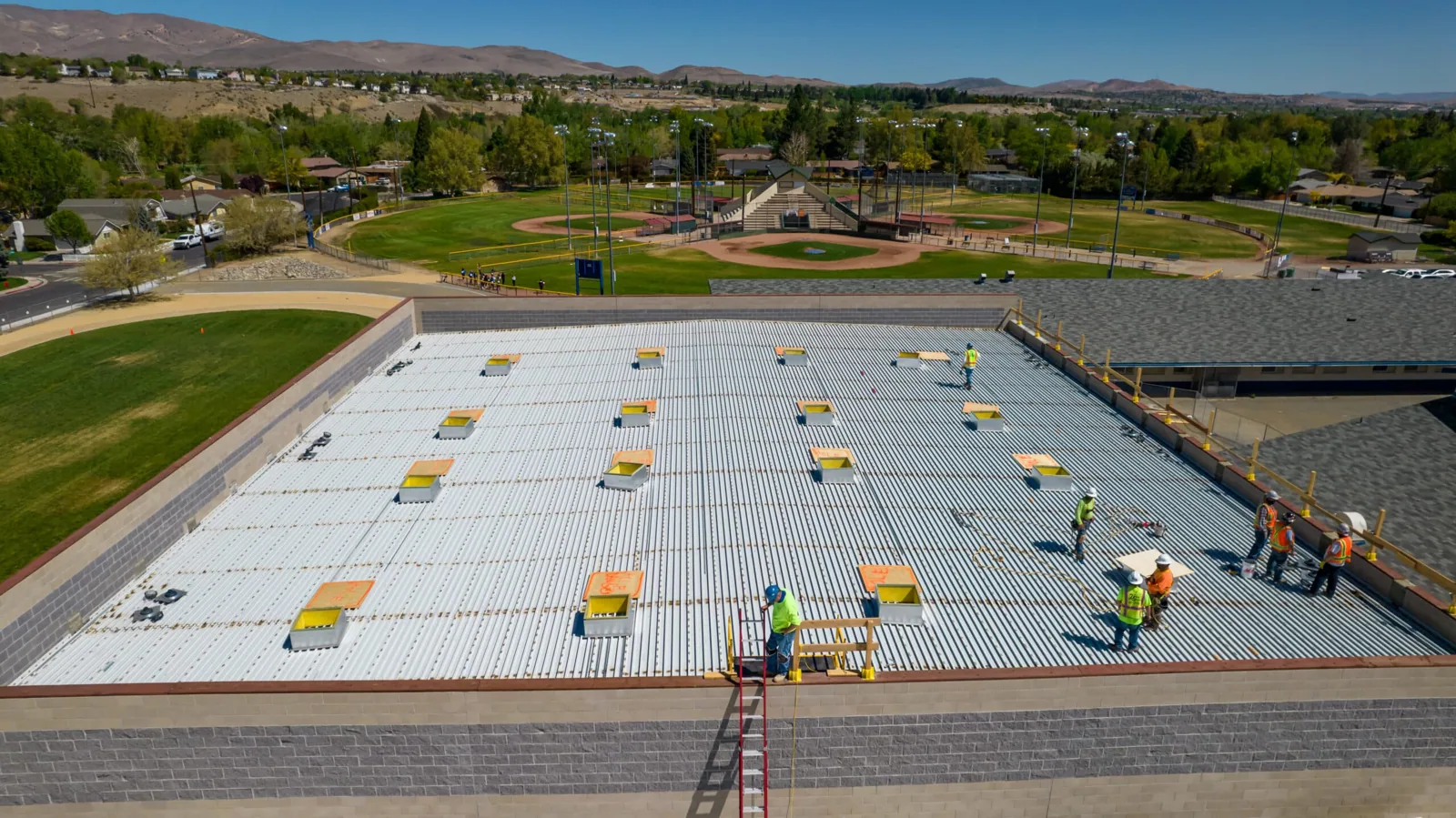
A roof hatch key held by a tenant can close the only safe path to the inspection route, so a useful asset record begins with access as well as membrane condition. Commercial roof asset management gives a Fontana owner one working view of assemblies, drainage, repairs, inspection history, and decisions still open. We establish a record for each building, then connect field observations to action, budget timing, and responsibility. The goal is practical continuity when personnel change or a new leak appears. A record does not prove what is concealed; it shows what was seen, where it was seen, and what still needs confirmation. Managers can coordinate follow-up maintenance visits against this history instead of treating the inspection as a stand-alone event.
The asset record follows the roof
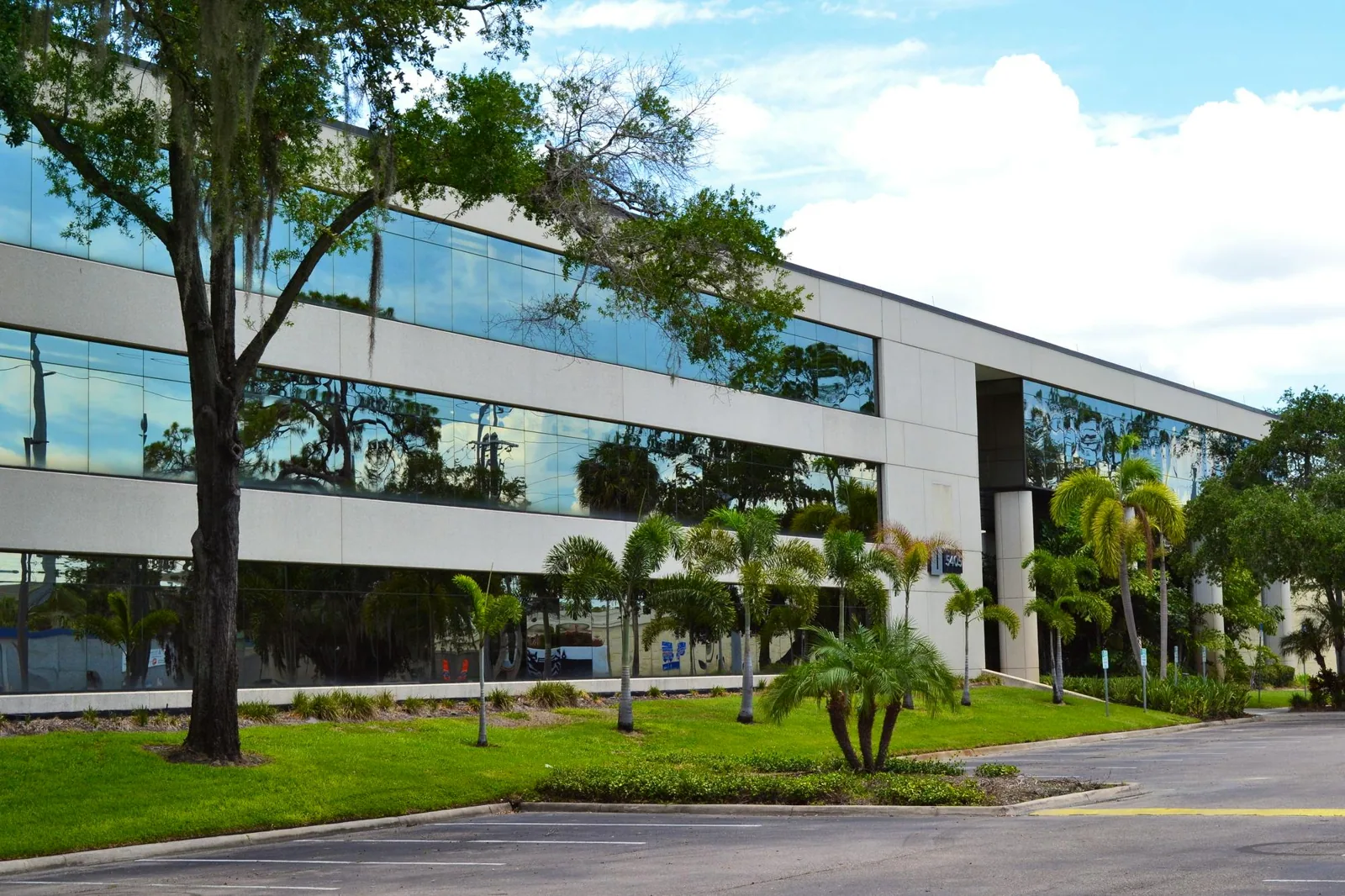
Each roof record identifies the property, roof zone, known system, access route, visible drainage points, and relevant prior work. We separate confirmed information from details that still need a drawing, opening, or field check. That matters in Fontana, where warehousing, manufacturing, healthcare, education, retail, offices, and civic properties sit within the same service market. Similar use does not establish the same membrane, attachment, or edge detail. The record remains tied to the building and changes only when new evidence or completed work supports an update.
The Sierra Commercial Corridor and Downtown Fontana present different access patterns from a large industrial parcel. A corridor building may need tenant coordination before a lift arrives; a multi-tenant office property may need a single roof escort. The asset record captures the actual access instruction for each roof rather than applying a market label to its operations. For a first baseline, a due diligence survey can establish visible condition for a purchase or portfolio handoff, while recurring inspections can refresh records as properties change hands or budgets shift.
Observations stay connected to action
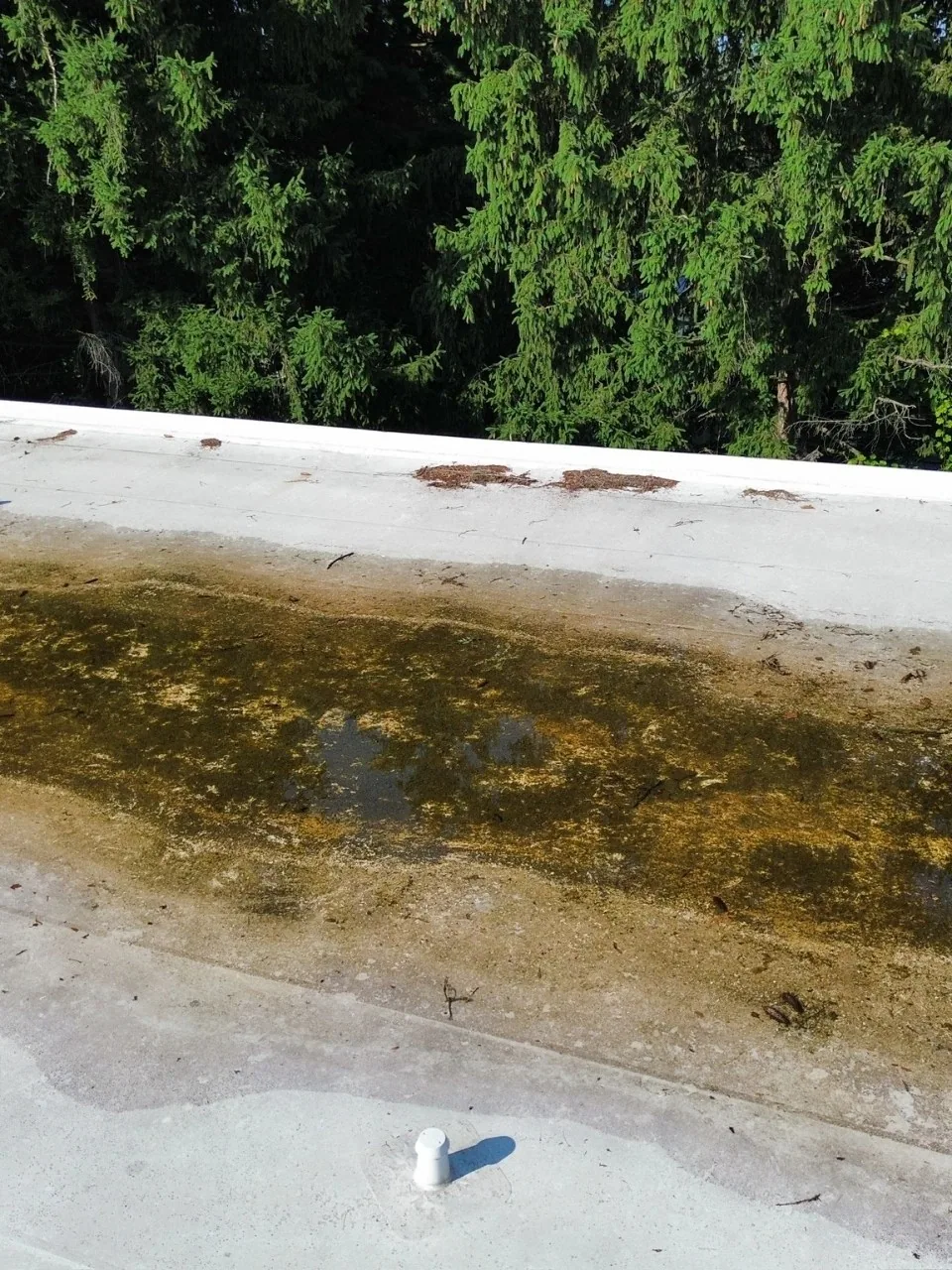
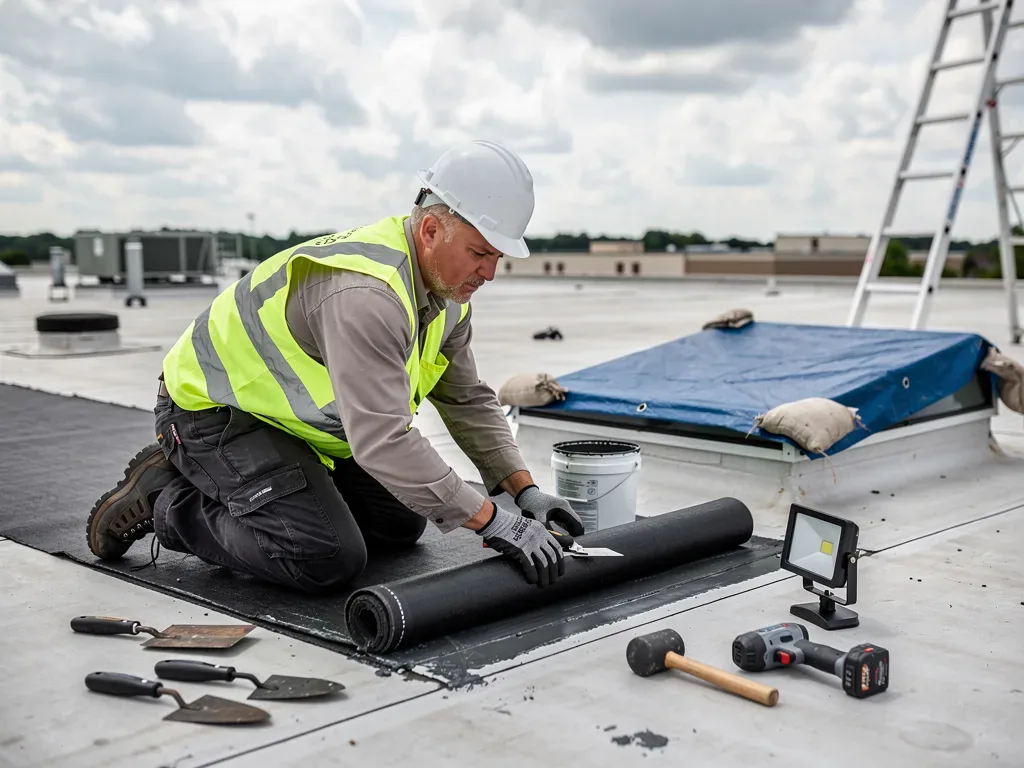
A useful record avoids detached phrases such as “monitor” without an owner or time frame. We document the location of an open seam, split flashing, blocked drain, or prior patch, then state whether the next action is repair, additional testing, or observation at a defined interval. A photo and roof-zone reference help the facilities team find the item without another broad search. If water is active, prompt commercial leak repair takes priority over administrative cleanup.
Fontana summer forecasts often include highs above 100°F. That heat changes roof-surface conditions and can affect the timing of an inspection or repair. We include relevant access and work-window constraints so scheduling decisions do not sit apart from the condition record. A photo-based condition report can be the detailed field record for a specific visit; the asset file carries the current status and what happened after the visit.
Repairs need a clear closeout
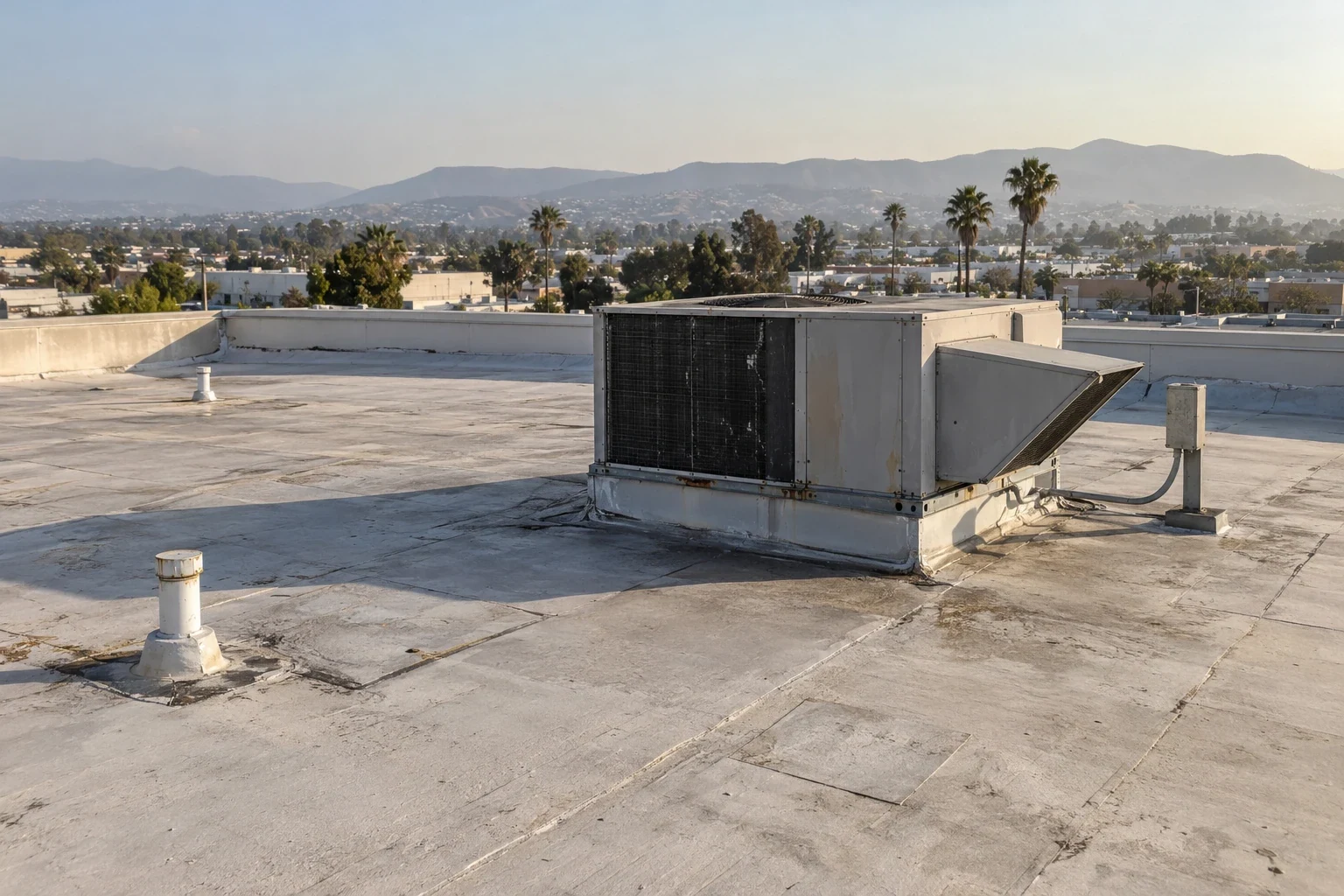
When a repair is authorized, the management record should capture the approved scope, roof area, material used, completed work, and any item left open. That gives the next inspection a starting point and reduces the chance that an old recommendation is mistaken for current condition. It also helps the owner compare recurring repairs with a larger renewal option. We distinguish repair history from warranty documents, manufacturer paperwork, and written service requirements, each of which may require its own review.
In a portfolio, every site has a different work history. A healthcare building may have constrained access hours, while a warehouse may need staging coordinated with freight. Fontana's I-10, I-15, and SR-210 connections explain why truck schedules can affect site logistics, but not the condition of an individual roof. Our property-level record includes the owner-approved access instructions and the building's actual work history. A warranty management review can track document requirements and open obligations separately.
A current record supports budgeting
Renewal planning improves when the budget starts with current roof areas, observed condition, repair history, and unresolved testing. We sort work by the consequence of delay and the lead time needed for procurement or tenant coordination. That can identify a near-term repair, a planned recover, or a replacement candidate without treating a forecast as a bid. Roof capital planning translates the asset record into a funding sequence and flags decisions that need more investigation.
Access limits belong in that sequence. A property in Downtown Fontana may require a delivery and parking plan along the commercial corridors of Sierra Avenue, Valley Boulevard, or Foothill Boulevard. An industrial site may need a different staging lane and lift window. Both can use a common record structure while keeping roof system, drainage, repairs, and operating conditions unique. Managers can then compare priorities without mistaking a shared format for a shared roof scope. A Downtown Fontana property may require tenant access and parking coordination before a lift arrives.
The file stays useful after the visit
We close each inspection by assigning the next action: approve repair, schedule testing, request a document, confirm access, or accept a documented deferral. The record should show who owns that step and when the item returns for review. After work, we update the roof zone and closeout information. If a new occupant, buyer, or facilities lead takes over, they can understand why a recommendation remains open rather than inherit a list without context.
For a multi-building owner, the record also makes handoffs easier between facilities, procurement, and finance. Facilities can confirm access and active conditions; procurement can identify lead-time questions; finance can see which choices need funding now and which need another test. Those are separate responsibilities, so the file names the decision needed rather than assuming a single person will resolve every item. A completed repair updates the maintenance history without erasing the condition that led to it.
A roof asset review can start with a single building or a group of Fontana properties. Bring available roof plans, repair records, warranty files, current access rules, and the person who can authorize work. We will identify the gaps that prevent a useful baseline and distinguish them from details that can be added later. Schedule an inspection or record review and set a clear handoff for the next maintenance or capital decision. When a specific defect needs attention, a flashing repair assessment can be logged as a building-level action.
Frequently Asked Questions
Does asset management require every roof to have the same assembly?
No. The record is consistent in its fields, not in the roof itself. We capture each building's system, drainage, penetrations, access, and repair history individually. A portfolio view then compares status without assuming that two roofs with similar use share the same materials or remaining life.
How often should the record change?
Update it after an inspection, completed repair, test, assembly change, or owner decision that affects the next action. A new leak may also change priority before the next scheduled review. We preserve the prior condition and date so the record shows how the recommendation evolved.
What belongs in a closeout entry?
Record the authorized scope, roof area, materials and details addressed, completion date, photographs when useful, and any remaining limitation. If the crew found a condition beyond the approved work, it stays open with a separate recommendation rather than being folded into an undocumented extra.
Can the file support a sale or refinancing?
It can organize available condition records, completed repairs, and open items for review. A current field survey may still be needed to describe present visible conditions. We distinguish documented history from newly observed facts so a buyer or lender can decide what further diligence is appropriate.
How do you prioritize a large repair list?
We consider active water entry, safety exposure, deterioration, operating impact, and the time needed to arrange access or materials. The final order also depends on the owner's budget and risk tolerance. Each recommended action stays tied to its roof location and a responsible decision-maker.