General Contractors
Coordinate Fontana commercial roofing scopes, trade interfaces, submittals, access windows, and field changes with clear handoffs.
A crane pick can reserve the same laydown area needed for membrane delivery, so the roofing scope has to be sequenced against the general contractor's site plan before materials arrive. Commercial Roofers Fontana works with general contractors on Fontana commercial roofing by defining roof zones, trade interfaces, access, and the closeout point for each phase. The scope names what the roofing package includes and the field decisions that need review before work proceeds.
Fontana's industrial and commercial mix includes warehouse, manufacturing, healthcare, retail, education, office, and civic properties. I-10, I-15, and SR-210 carry regional traffic, so the project schedule should line up roof deliveries with crane picks, gate hours, and the approved laydown area. We review the bid set and site sequence with the superintendent before mobilization.
Resolve trade interfaces before procurement
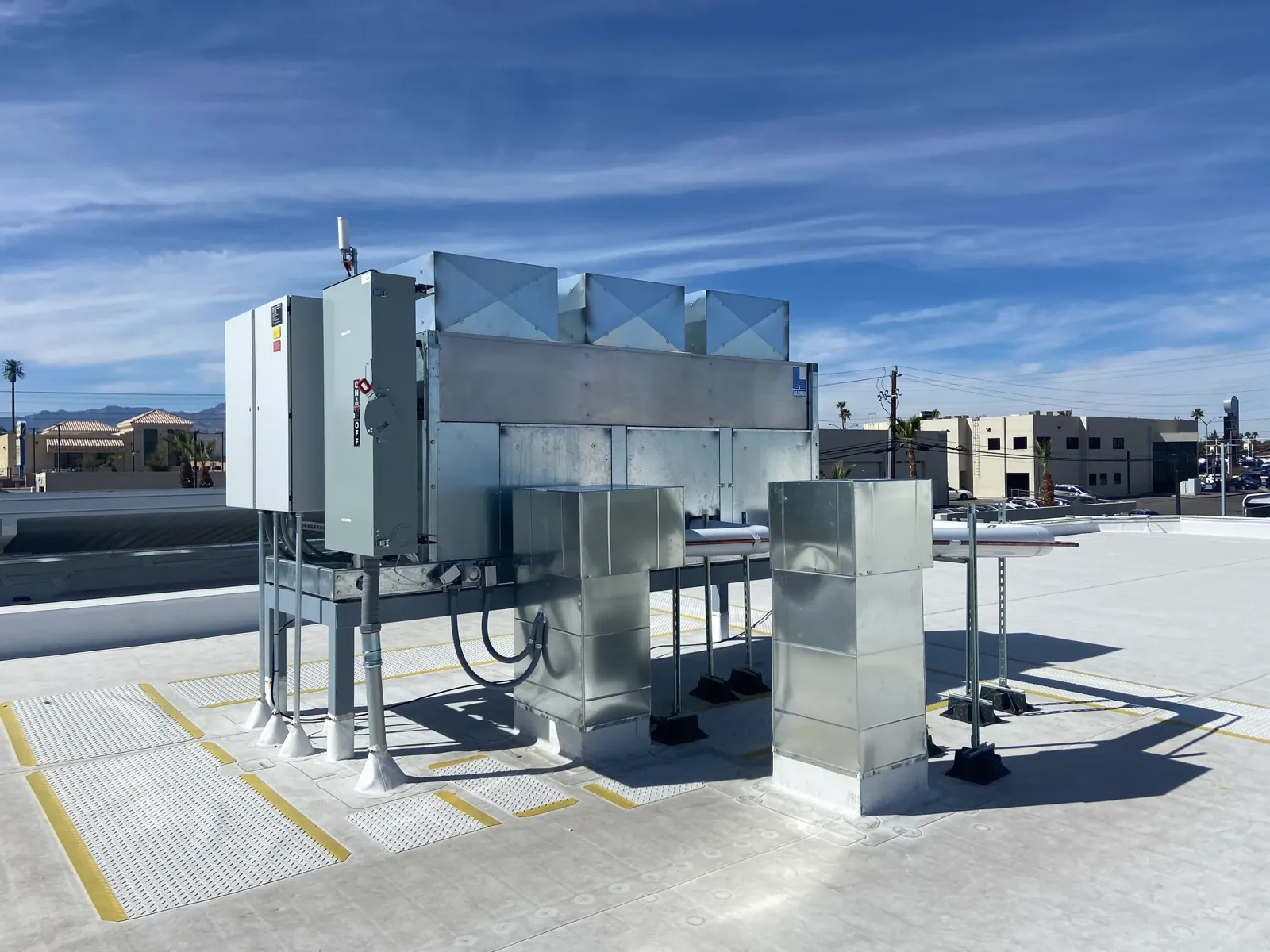
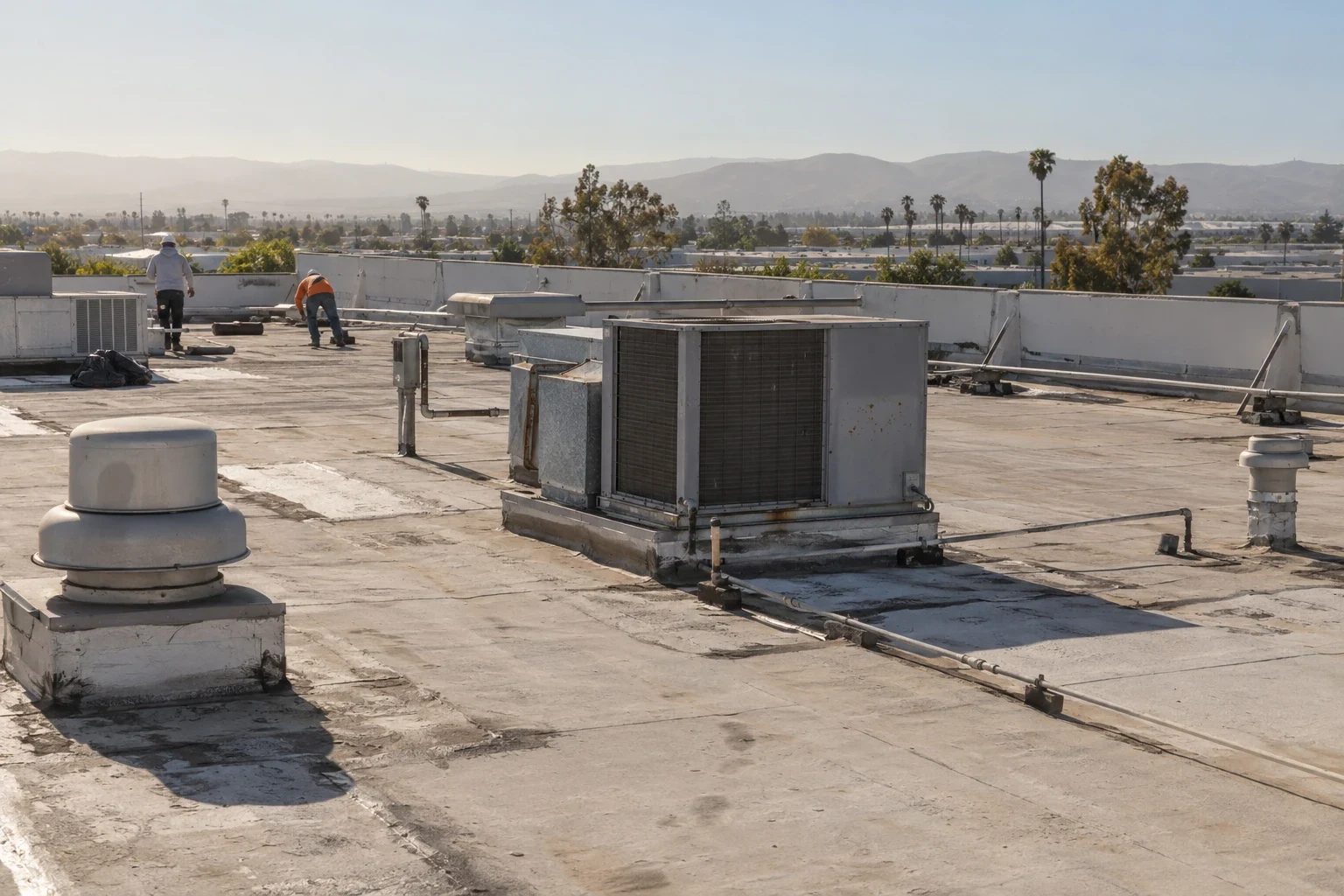
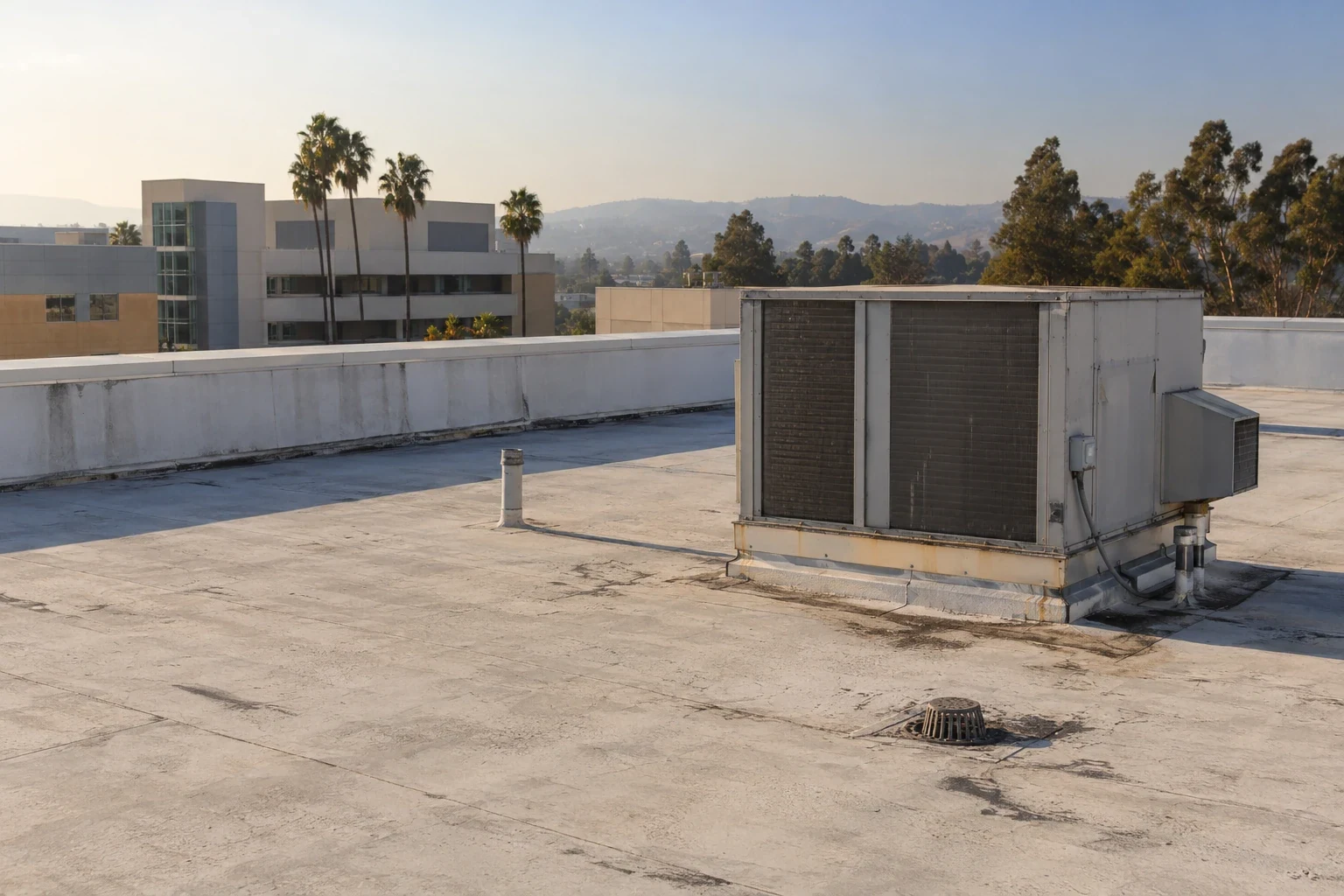
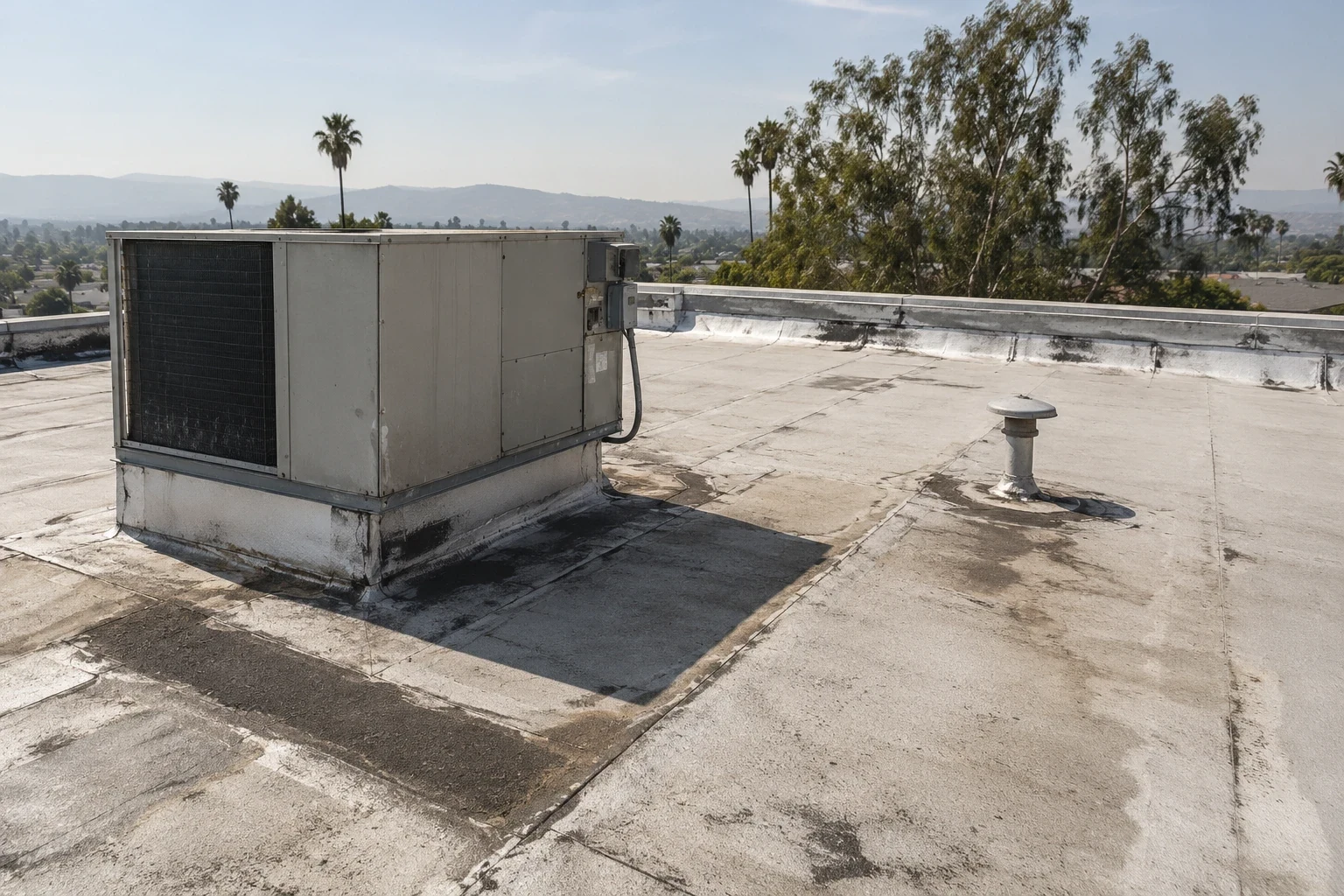
Roof interfaces include structural steel, rooftop equipment, mechanical curbs, penetrations, fall protection, edge metal, and other trades. We compare the roof plan with field conditions and identify details needing clarification before concealment. A curb moved after membrane work changes flashing and tie-in sequence. The coordination record identifies the responsible party and approval point.
Rooftop equipment curbs and supports need compatible transitions and secure support. Skylight and penetration flashing depends on final opening and equipment position. We identify the roofing limit, prerequisite, and inspection point.
Submittals should match the approved assembly and project requirements. A substitution can affect insulation, attachment, fasteners, cover board, edges, or warranty terms. We provide roofing information for review and wait for approval before a material change enters the field plan.
Document existing conditions before the tie-in
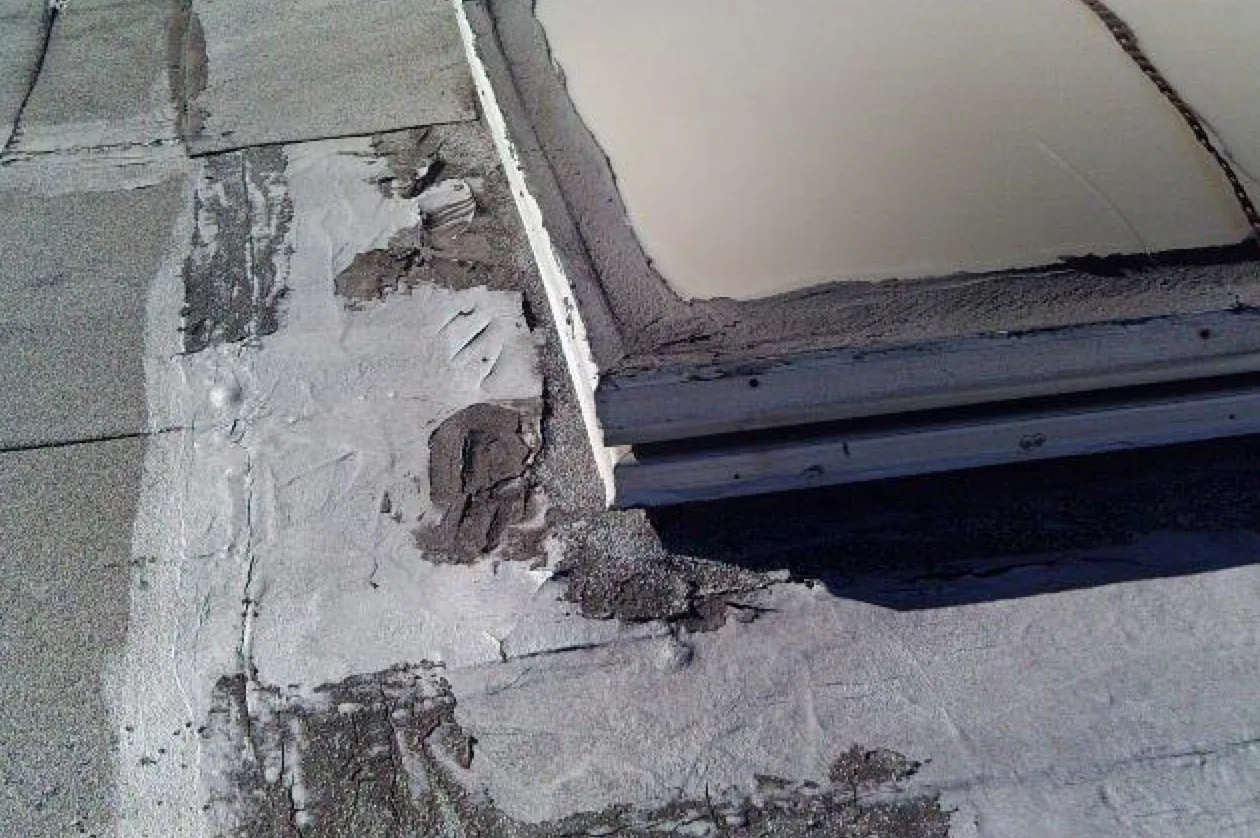
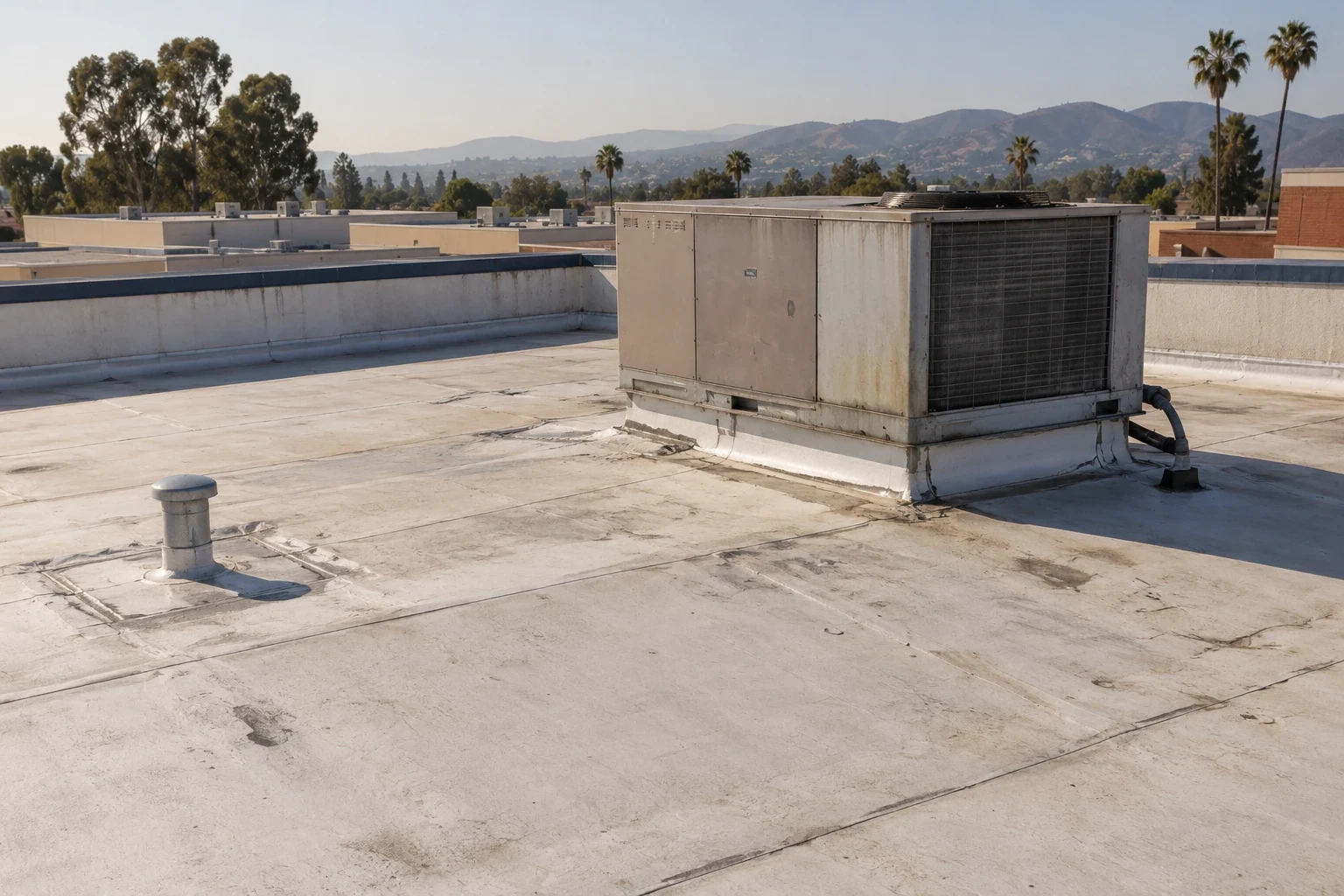
On a reroof or addition, the existing roof may differ from drawings at a transition, parapet, drain, or prior repair. We record visible conditions and mark the tie-in before removal. The report identifies accessible material, layers, termination, drainage, and access limits; it does not confirm concealed attachment or insulation.
A field report connects photos to the affected zone and unresolved questions. If a test opening is needed, its location, protection, and closure should be coordinated with the general contractor and owner. We document discoveries before changing the work boundary, so the team can review quantities and schedule from the same evidence.
The superintendent should check current conditions when Fontana’s summer sun pushes roof work into a restricted portion of the shift. That can affect roof access and material handling. We set a work window and closure point for each opening.

Make the installation sequence buildable
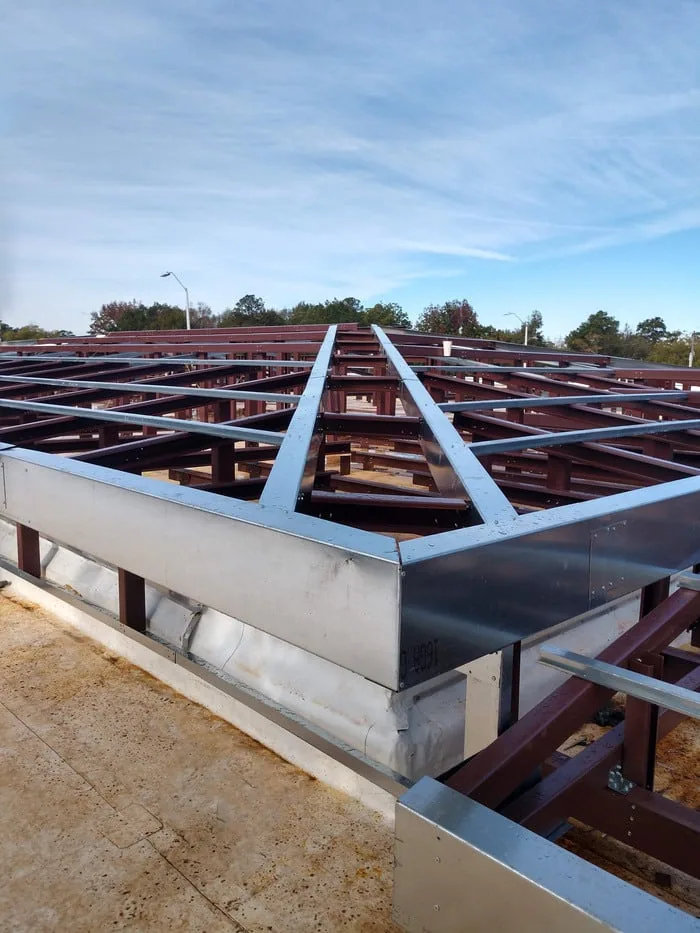
The roof sequence may follow deck release, insulation placement, mechanical work, edge completion, and waterproof tie-ins. We identify the first zone, substrate condition, material route, staging, and tasks another trade must finish first. If a phase cannot close during one shift, the plan states temporary protection and inspection.
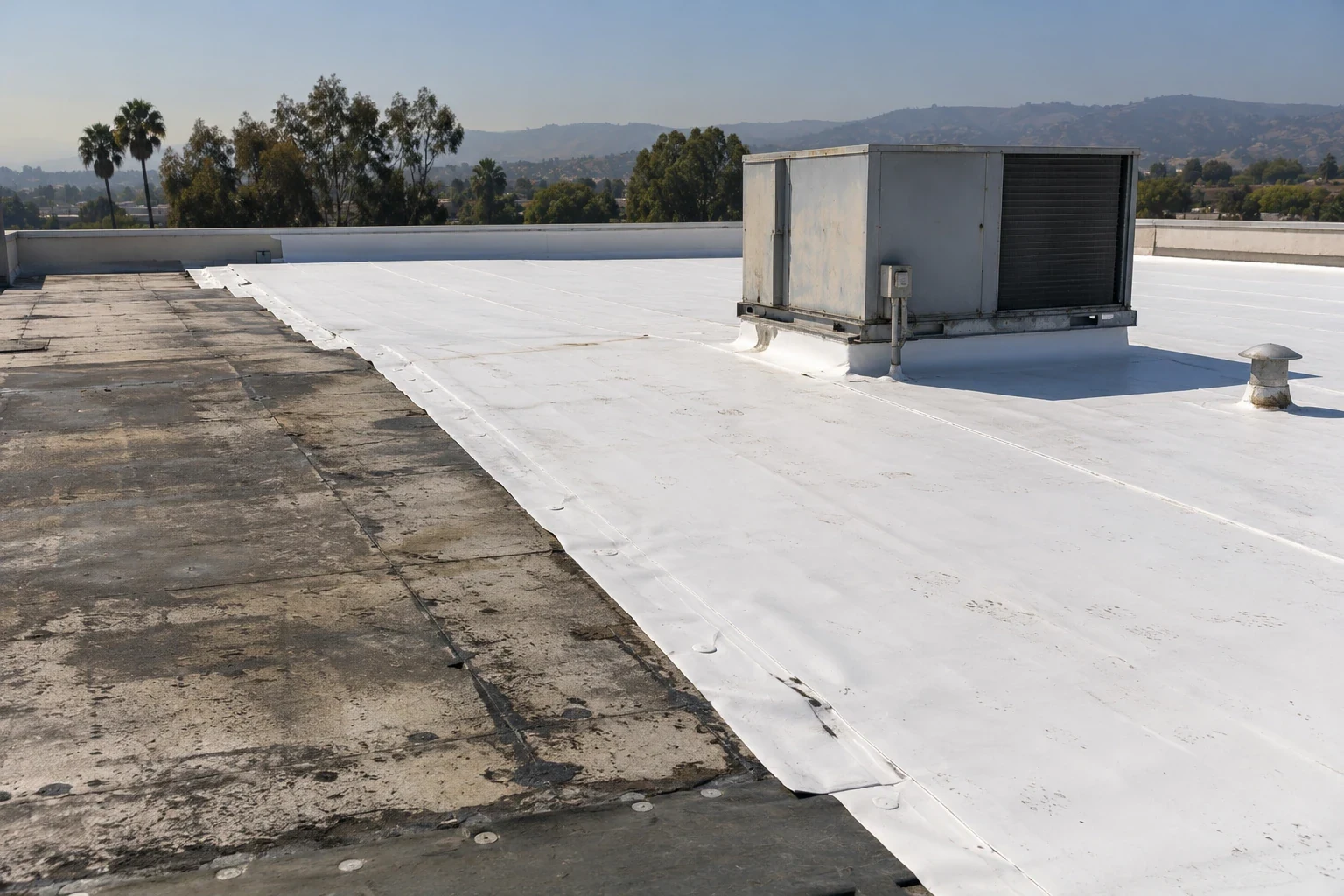
A replacement scope shows tear-off limits, dry-in, insulation, drainage, penetrations, and closure. If an existing assembly may remain, a recover option needs suitable receiving conditions and interface details. We coordinate dependencies with the look-ahead schedule and identify decisions for the owner or design team.
Fontana has warehouse and trucking activity, but not every job is industrial. The superintendent confirms approach, gate, lift plan, and laydown area; these site controls govern material movement.
Price the roofing package at its boundaries
A subcontract proposal states included areas, systems, quantities, details, access, protection, disposal, and exclusions. It also identifies what the general contractor must provide, such as deck readiness, hoisting, power, or completed curbs. Each responsibility needs a handoff, and an exclusion should name the interface left open.
A repair allowance can address a specific existing condition. We state whether price includes temporary dry-in, substrate work, drain changes, or after-hours labor. A concealed discovery is documented with location, photos, added quantity, and schedule effect for review.
Alternates should share boundaries. A different membrane or insulation package states its interface and schedule effect. We clarify scope without implying an unlisted certification or warranty term.
Coordinate deliveries with the project gate
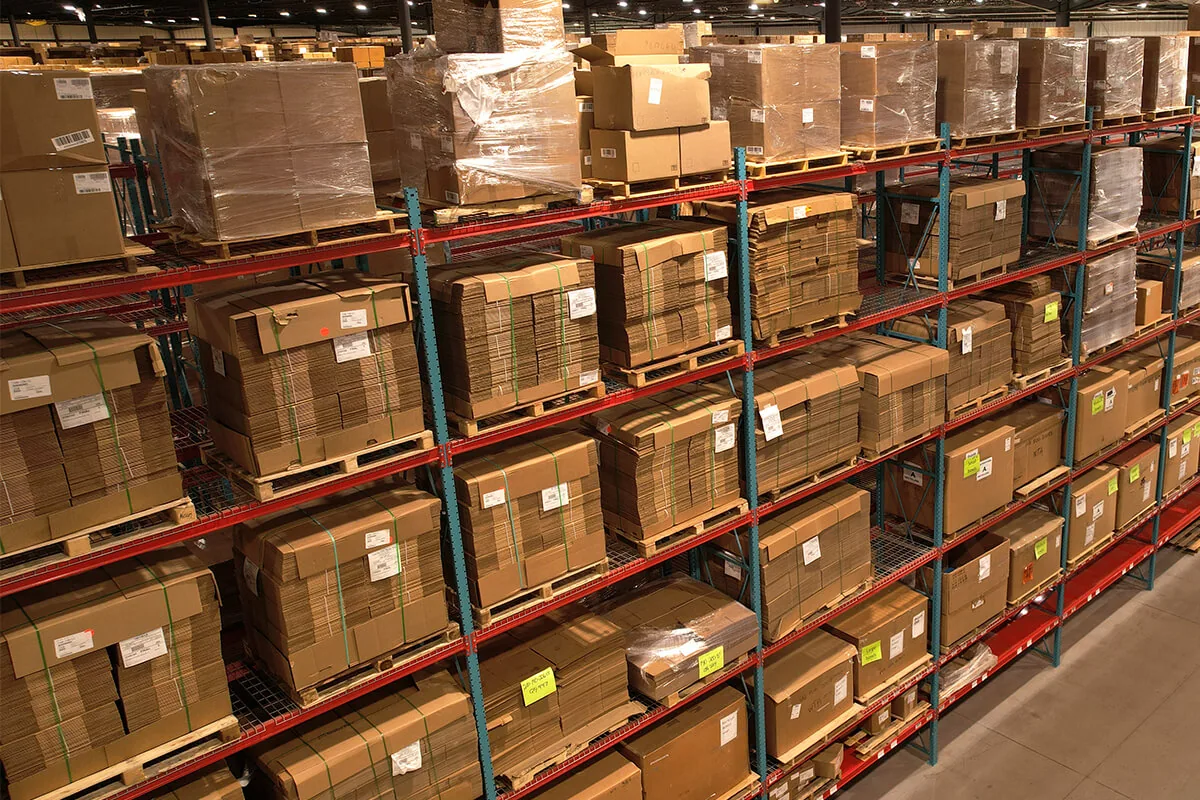
Before dispatch, we confirm gate hours, delivery appointments, truck dimensions, unloading method, material protection, and the route to staging. Membrane rolls and insulation pallets may need different handling. The superintendent identifies shared laydown with steel, mechanical equipment, or other trades. We assign a delivery window that does not block a pick or required fire lane.
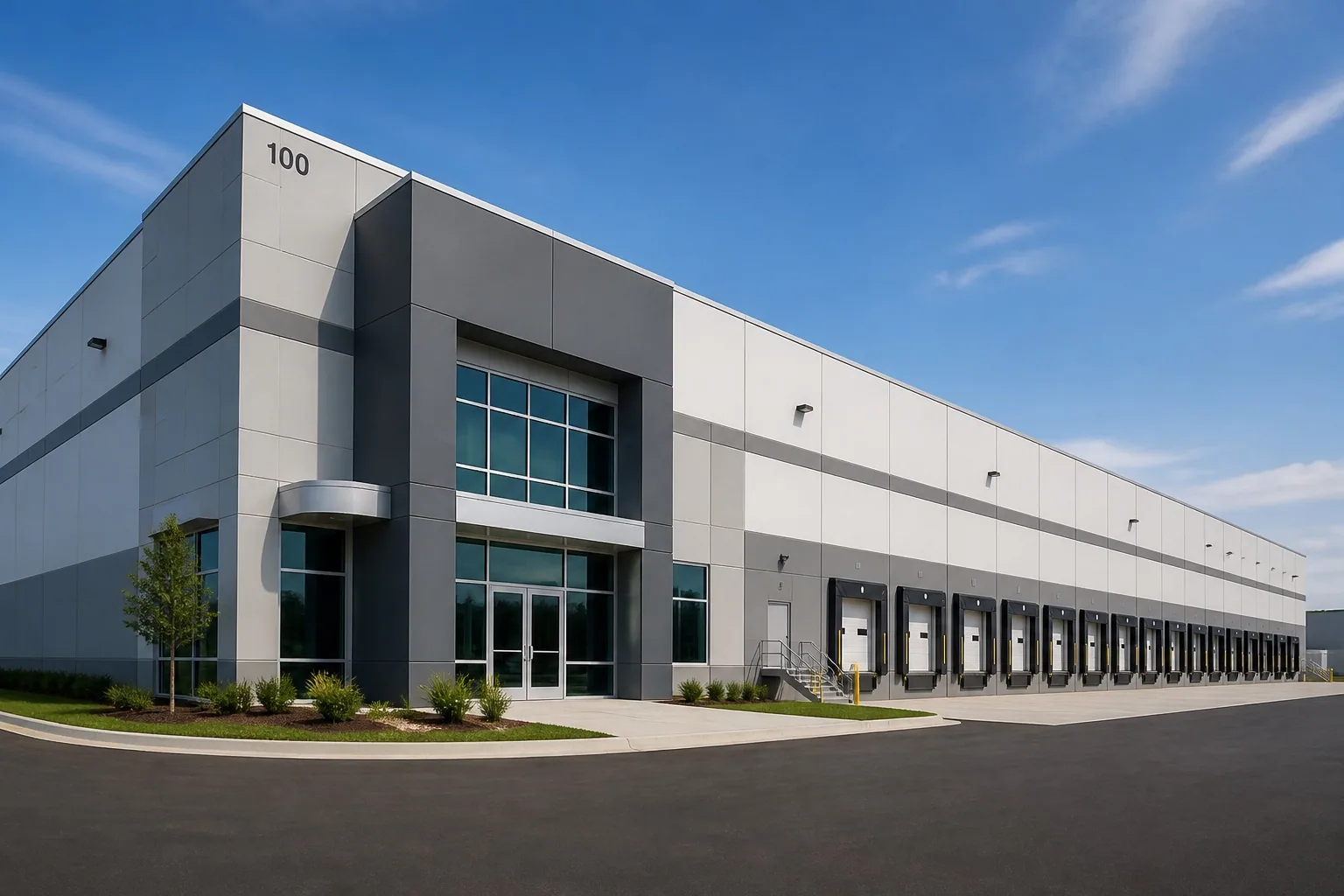
Logistics and 3PL operators work with freight constraints, while manufacturing facilities may have production controls. A construction site has its own superintendent, gate, and lift plan. We confirm its rules directly. Jurupa Industrial Park is a broad industrial area, but the project follows its own approved gate and laydown controls.
Heat can affect material staging and crew exposure. We confirm the work period and how material remains protected. If delivery moves, the superintendent needs notice before a crew or crane slot is committed.
Close the roof package for the next trade
Closeout identifies assembly components, completed details, approved changes, photographs, inspection records, and remaining items. The general contractor needs to know whether a roof area is ready for mechanical or electrical work. We identify the release boundary and any detail awaiting completion. The written record follows the roof plan.
Roof warranty administration depends on approved system documents and required closeout, not an assumed term. The handoff can list product data, field changes, inspection results, and maintenance information. Later service can use the same roof map.
We respond to active roof exposure after normal work hours, on weekends, and through holiday periods. The team should know who can authorize protection and how it relates to the subcontract scope.
Review the drawings and field sequence
Schedule a scope review and share the roofing drawings, specifications, phasing plan, access and hoisting assumptions, project schedule, and current field questions. We will identify roofing limits, trade interfaces, delivery needs, and approval points before procurement. If construction is active, include the superintendent and person coordinating mechanical curbs, penetrations, and deck release.
We can also inspect existing roof areas before an addition or tie-in and document conditions that may affect the proposed connection. A clear boundary, approved detail, and release point help the next crew move forward with a closed roof assembly.
Frequently Asked Questions
What should the roofing subcontractor receive before pricing?
Provide the current roof plan, specifications, phasing, access and hoisting assumptions, curb schedule, deck requirements, and project calendar. We identify included work, exclusions, and interfaces needing clarification. The general contractor can then compare bids on consistent boundaries.
Who owns a roof penetration installed by another trade?
The project documents and approved scope set responsibility. We identify the penetration, flashing limit, prerequisite, and inspection point before concealment. If the equipment location changes, the team should review the detail and authorization before closing the roof around it.
How do you handle a concealed condition during tear-off?
We stop at the approved boundary, photograph and locate the condition, and submit the added quantity and proposed correction for review. The change record states its cost and schedule effect. Work expands only after the authorized project contact approves the revised scope.
Can roofing be phased with mechanical installation?
Yes, when the zones, sequence, and tie-in points are agreed. The look-ahead should state deck release, curb completion, membrane closure, and who inspects the interface. Each party needs a clear handoff before equipment or other work blocks roof access.
What information supports warranty closeout?
Use the actual approved system documents, submittals, installed components, inspections, approved changes, and maintenance requirements. We return the roofing records required by the scope. No warranty length or status should be assumed apart from the final issued documents.