Commercial Roof Warranty Management
Organize Fontana roof warranty records, inspection duties, repair history, and claim documentation so obligations and next steps remain visible.
A service technician waiting at a locked roof hatch can lose the inspection window before anyone checks a warranty file. Warranty management connects document review with roof access, scheduled maintenance, and repair history. We organize the available terms, identify stated inspection or notification duties, and compare them with the roof's observed condition and work records. For Fontana properties, that process has to fit active loading, tenant hours, and summer roof conditions. We do not assume a warranty applies to every condition or promise that a claim will be accepted. The goal is to keep required actions and supporting records in view.
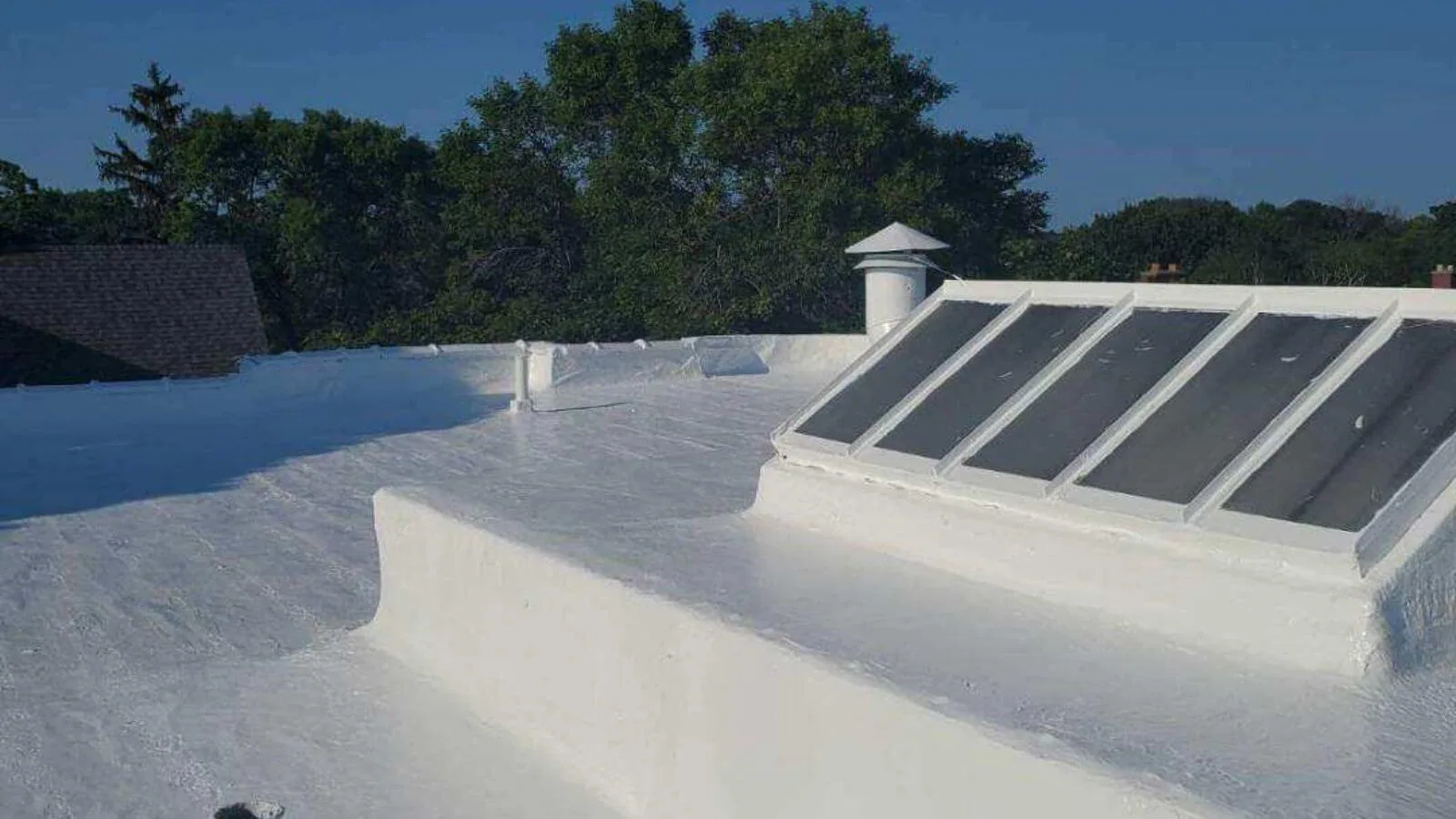
The file must identify the actual roof
We begin with the warranty document and any referenced system information, closeout materials, inspection records, and repair history. The property and covered roof areas need to match the paperwork. A building may have additions, tie-ins, or later repairs that change what the original document describes. We record those distinctions instead of extending a document beyond its stated scope. If the file is incomplete, the report identifies what is missing and who can supply it.
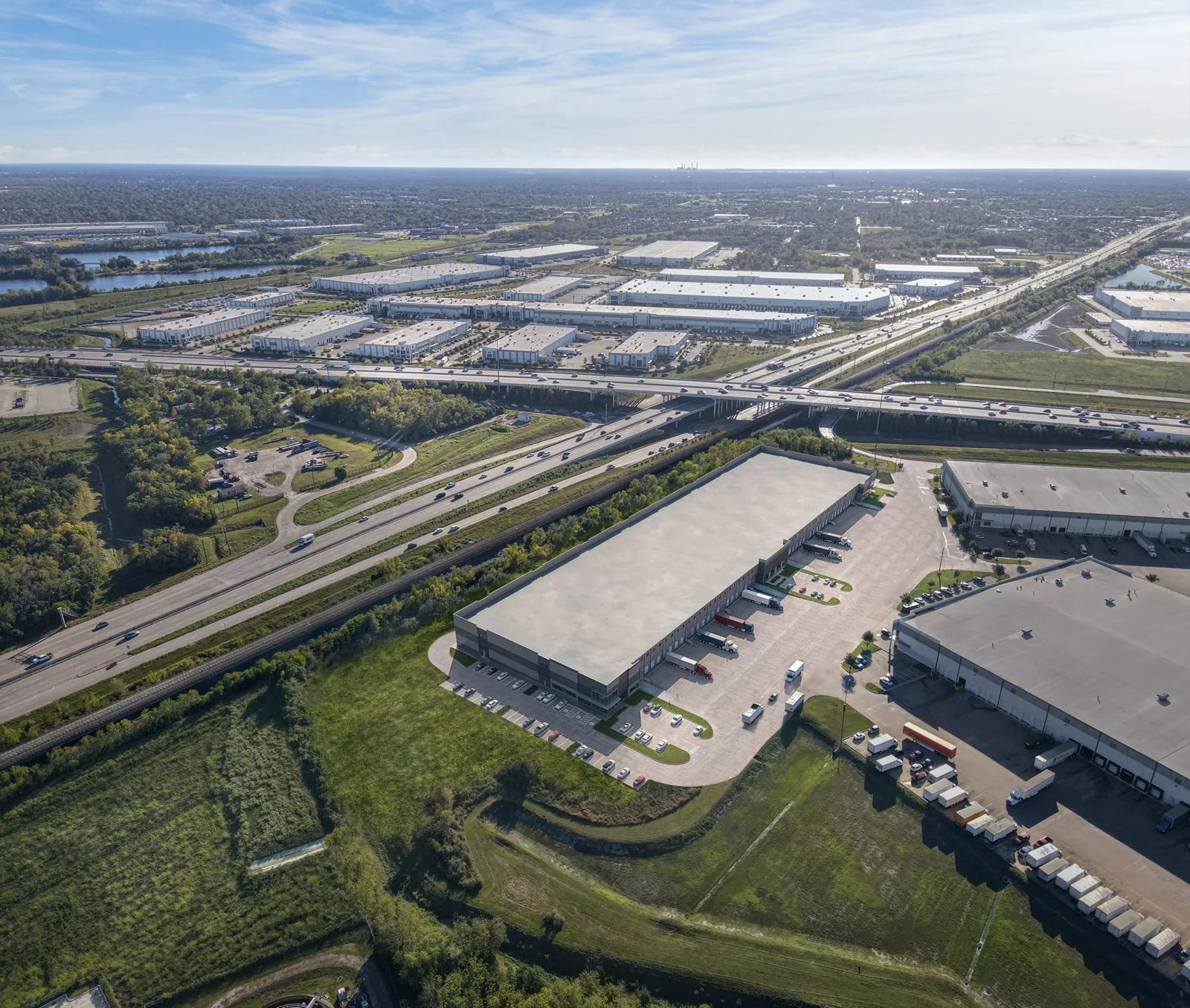
Fontana contains industrial, healthcare, retail, education, office, and civic buildings, with logistics and manufacturing prominent in the local economy. We confirm the roof system and warranty coverage from the property's documents and field findings before describing the assembly. We confirm available labels, plans, submittals, and field details before describing a roof assembly. A roof asset record can keep the warranty file with inspection and repair history rather than in an isolated folder.
Inspection and notice dates need owners
Warranty terms may set maintenance, inspection, repair, or notice procedures. We extract the duties that are actually stated, identify their dates or triggers, and assign an owner for each follow-up. If the document requires advance notice before a repair, that step belongs before dispatch. If it calls for periodic inspection, the schedule should include roof access and the records needed afterward. We do not invent a frequency or requirement where the paperwork is silent.
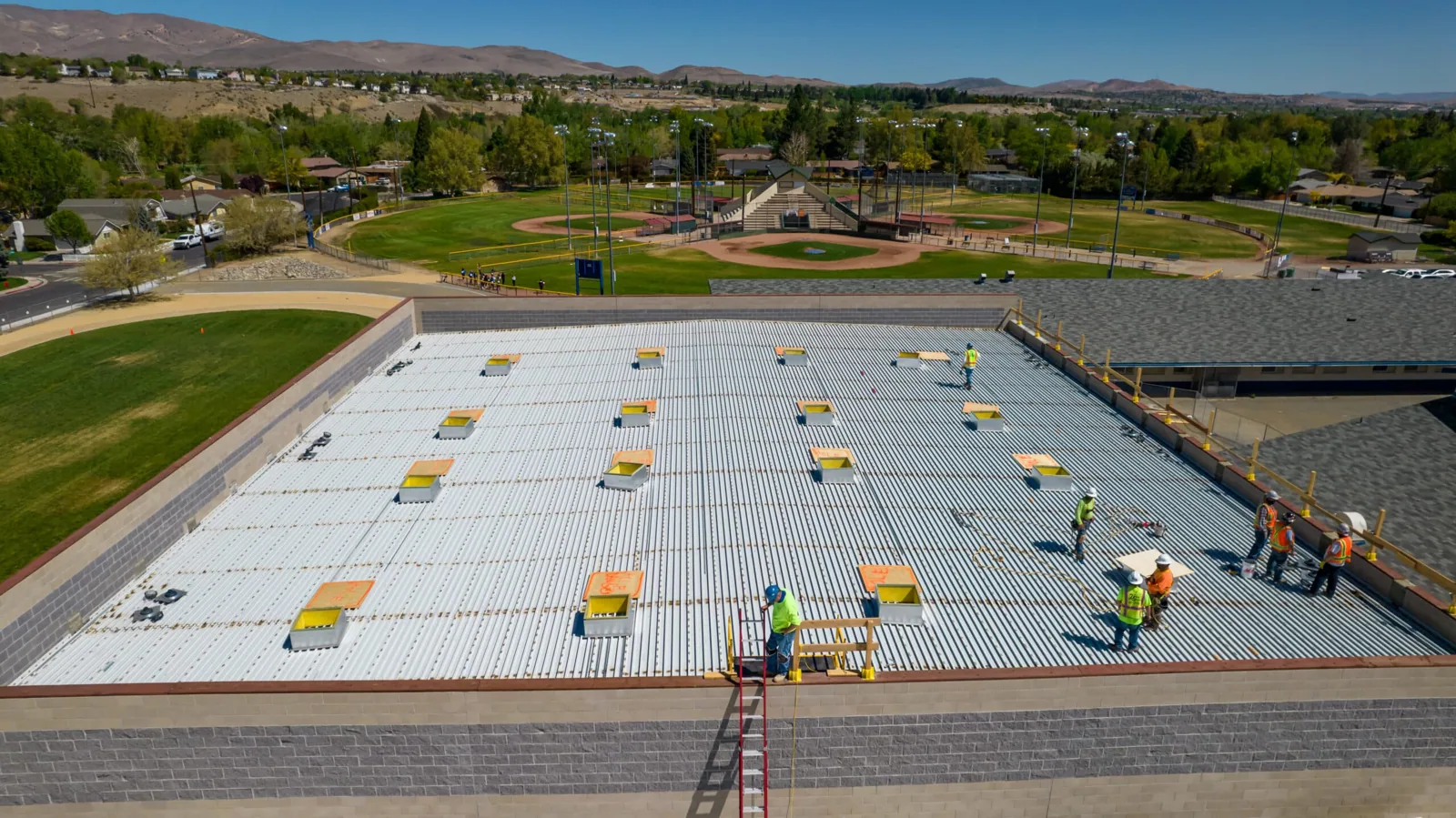
Fontana's high summer temperatures affect when crews can safely spend time on exposed surfaces. They may also affect the sequence for an urgent repair, so an owner should have access instructions and current roof records ready before the weather window narrows. A preventive maintenance visit can record drains, seams, penetrations, and visible wear while keeping the process aligned with the document's actual terms. The inspection record should state the visit date, accessible areas, and follow-up items.
The repair path preserves evidence
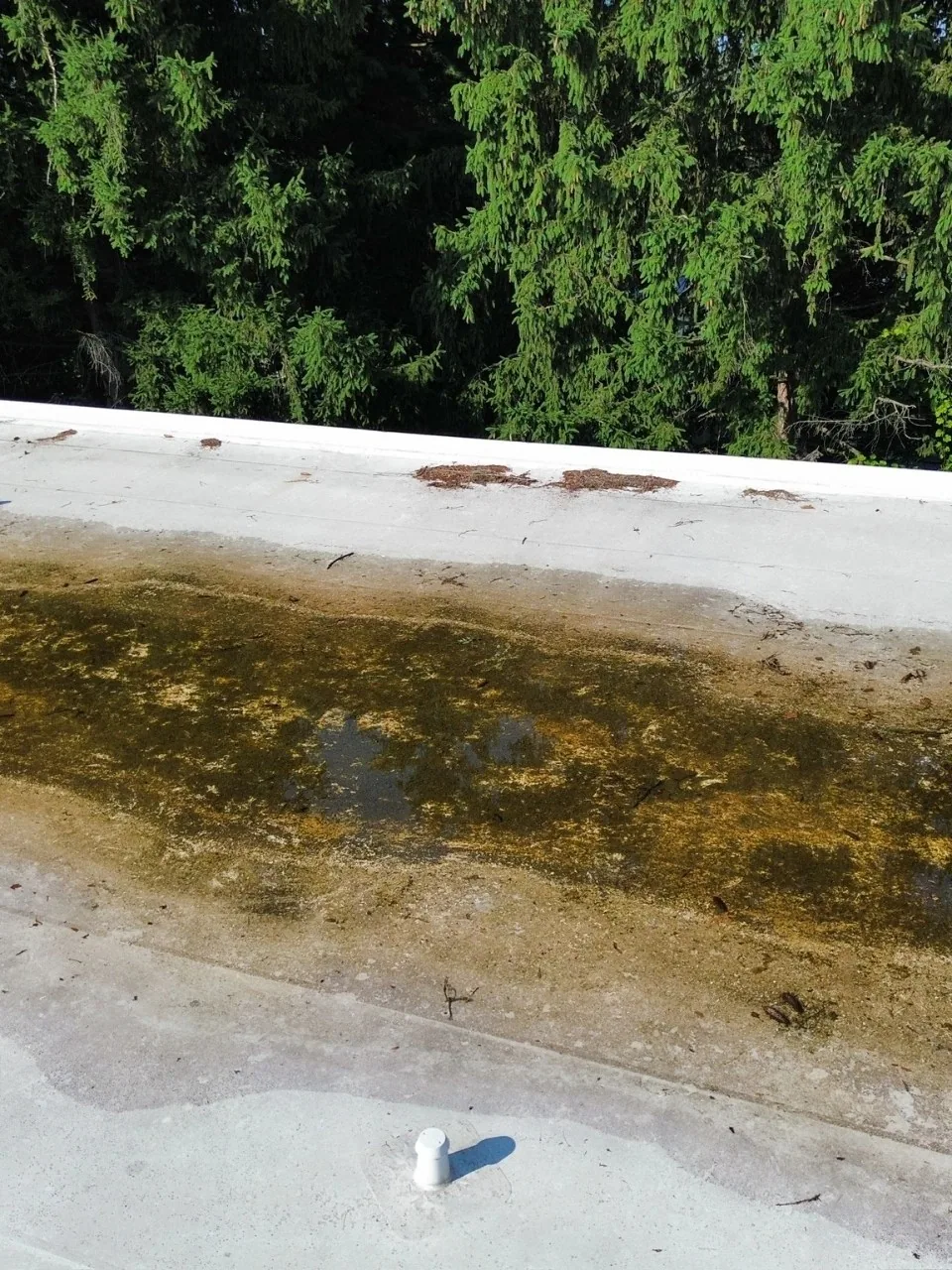
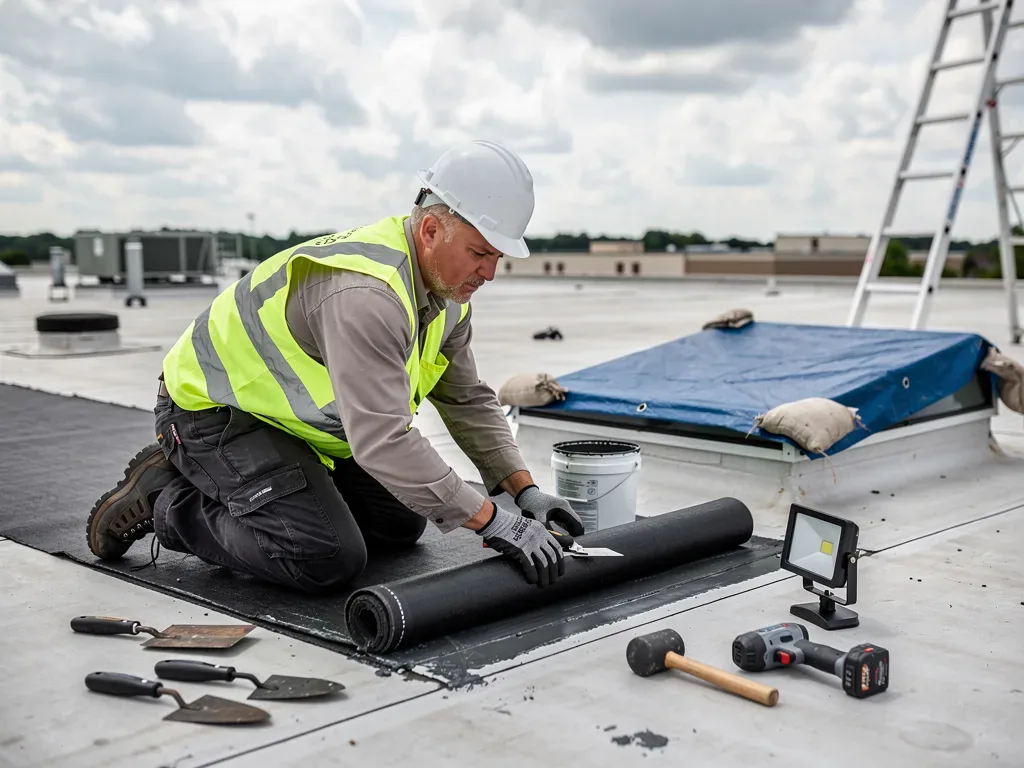
Water entry or physical damage should be stabilized with the document's procedures in mind. We photograph the condition, record when it was reported, and record the affected roof area before approved work changes the evidence. Emergency protection may still be needed to limit interior damage. The owner or property manager can coordinate required notice and retain the repair scope, materials, and closeout details with the warranty file.
Fontana freight and industrial operations create access constraints at some sites. Near the Southwest Industrial Park or Jurupa Industrial Park, a truck lane or active staging area can affect how a crew reaches the roof. Interstates 10 and 15 and SR-210 connect regional freight movement, but the building's own schedule determines the access plan. A leak repair visit should include safe entry, water-entry observations, and the right contact for document-related approvals.
A claim package needs a clear record
A claim submission is stronger when it connects the reported event or defect to dated photos, inspection findings, repair records, and a defined request. We can document observed conditions and organize a repair scope, but the warranty provider determines coverage under its terms. The record should distinguish pre-existing maintenance concerns from the newly reported condition when evidence supports that difference. Missing dates, undocumented alterations, or work performed without required notice can complicate review.
A condition report should not blur observation and coverage. We can document a split seam, loose edge, damaged flashing, or water path, but the report should not conclude that the manufacturer caused it unless the evidence and review establish that conclusion. We preserve the location and timing of the observation, describe the repair performed, and identify what remains uncertain. The owner can then provide the same organized record to the provider and avoid treating a maintenance recommendation as a coverage ruling.
For a suspected system issue, a roof condition report can preserve roof-zone observations, while a due diligence survey may help when a property changes ownership. A multi-site program can track dates across a portfolio, but each property retains its own terms and claim record. We keep the next action visible: notify, inspect, request records, or authorize a separate repair.
The calendar stays with the property
Warranty documents can outlast the person who received them. We keep renewal and inspection dates, open requests, repair closeouts, and responsible contacts in the building's working record. If a manager changes, the incoming person should be able to find the covered area, the last inspection, and the next obligation. When a repair is completed, we retain what was authorized and what remains outside its scope. A capital plan can then account for options that fall outside the warranty path.
A warranty calendar is especially useful when several contacts are involved. The facility lead can provide access; procurement can locate submittals and invoices; the property manager can route formal notice; and the owner can authorize work. We make the responsibility and due date explicit so the file does not rely on one person's inbox. In Downtown Fontana, the Sierra Avenue, Valley Boulevard, and Foothill Boulevard commercial corridors make customer and tenant schedules another inspection constraint.
To review a Fontana roof warranty, provide the complete document, roof plans if available, prior inspection records, repair invoices, and known leak dates. We will map the available obligations against current roof access and work history, then identify a practical next step. Schedule a document and condition review before approving work that may affect the system or a pending request.
Frequently Asked Questions
Does the written warranty cover every repair?
No. Coverage depends on the written terms, the condition reported, and the facts available to the provider. We can organize observations and records, but the warranty provider decides whether a claim qualifies. We avoid describing an outcome as approved before that decision is issued.
Should we stop a leak while waiting for review?
Active water entry may require prompt protection to limit interior damage. Before permanent repair, check any notice or authorization procedure in the document and preserve photographs and dates. We can help distinguish temporary protection from the permanent scope that needs review.
What if the building changed since the warranty was issued?
Additions, system alterations, or later repairs should be identified and compared with the covered areas and documents. We record what is known and flag differences for further review. We do not extend the original warranty to a modified area without supporting terms.
Can one schedule track several Fontana properties?
A shared calendar can organize inspection and notice dates, but each roof keeps its own document, covered area, service history, and open request. We confirm the correct contact and property for each record, keeping one building's terms separate from the rest of the portfolio.
What records should we retain after repair?
Keep the authorized scope, date, roof area, materials used, photographs, invoices, and closeout details. If the work was limited to temporary protection, record that status separately. The next inspection can then distinguish completed permanent work from items still under review.