Grand Terrace
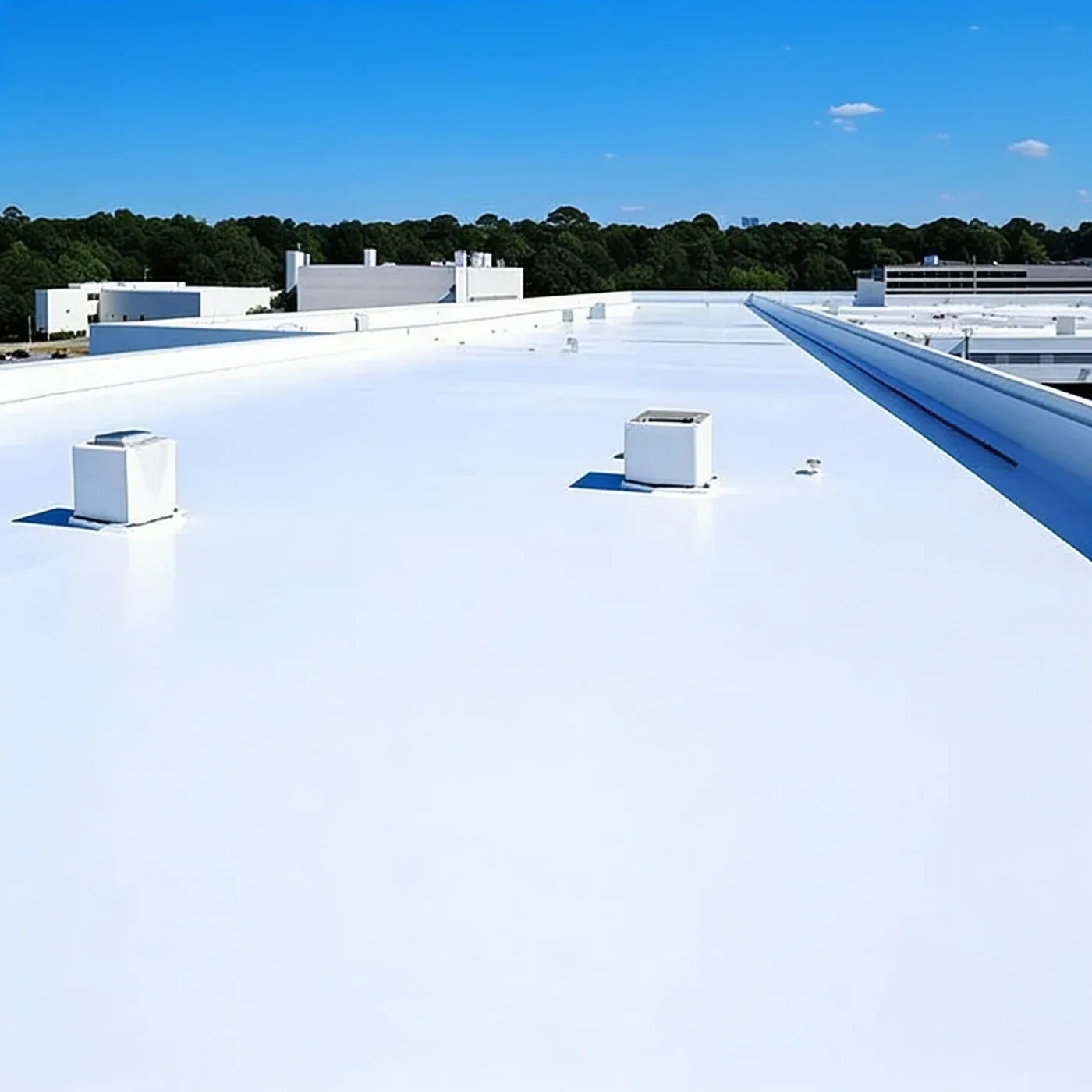
Plan commercial roof repair and replacement in Grand Terrace, CA, around Barton Road access, property operations, drainage details, and phased work zones.
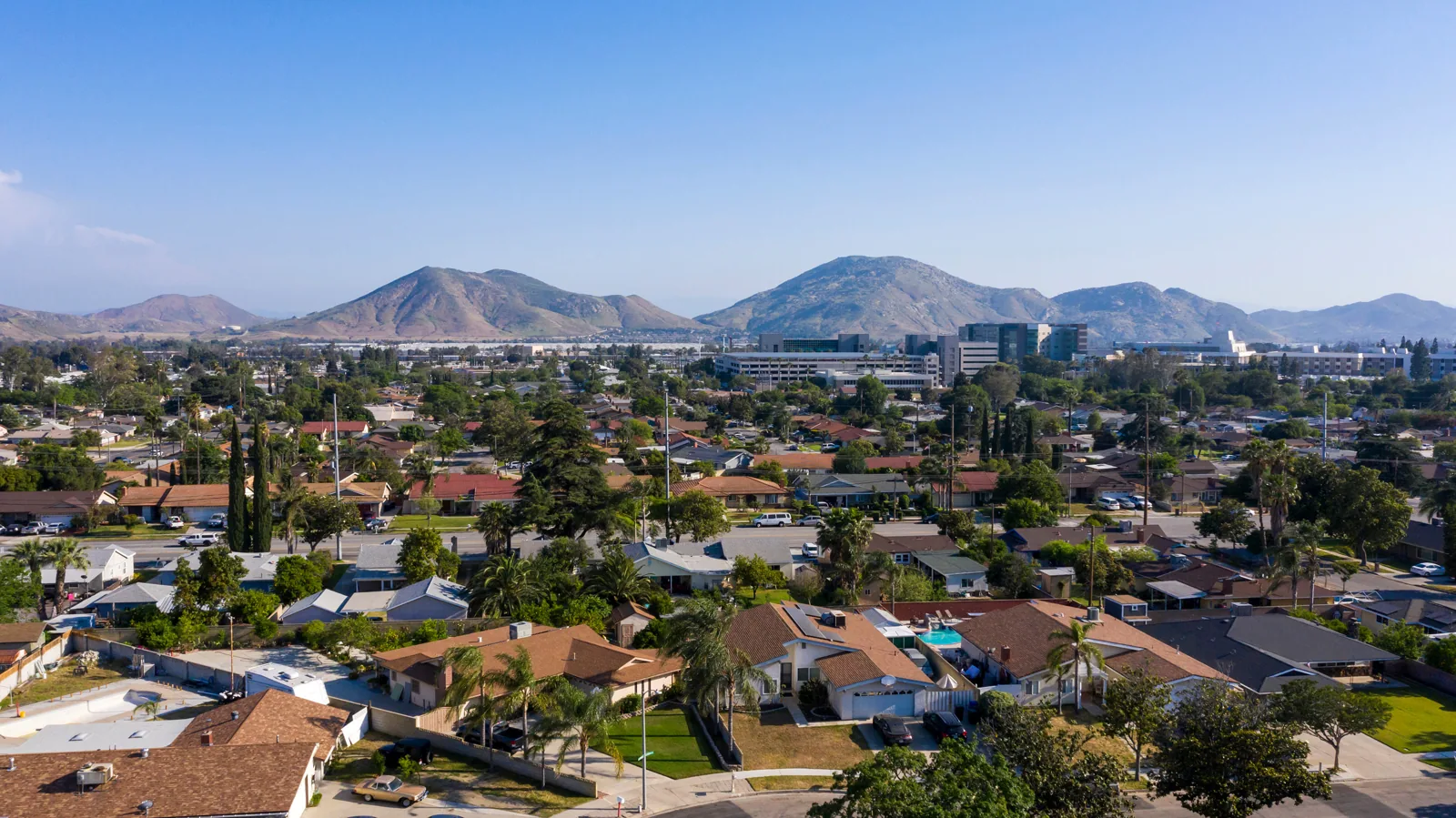
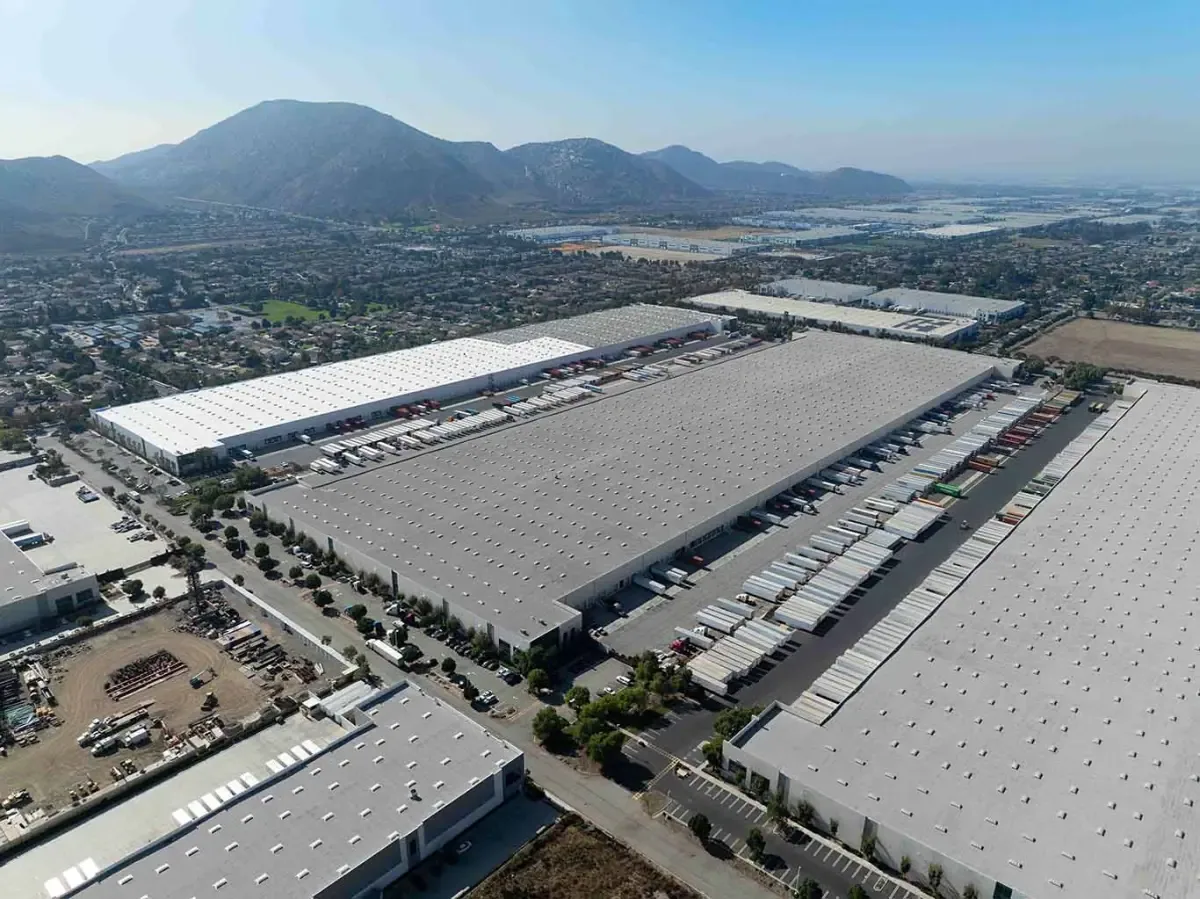
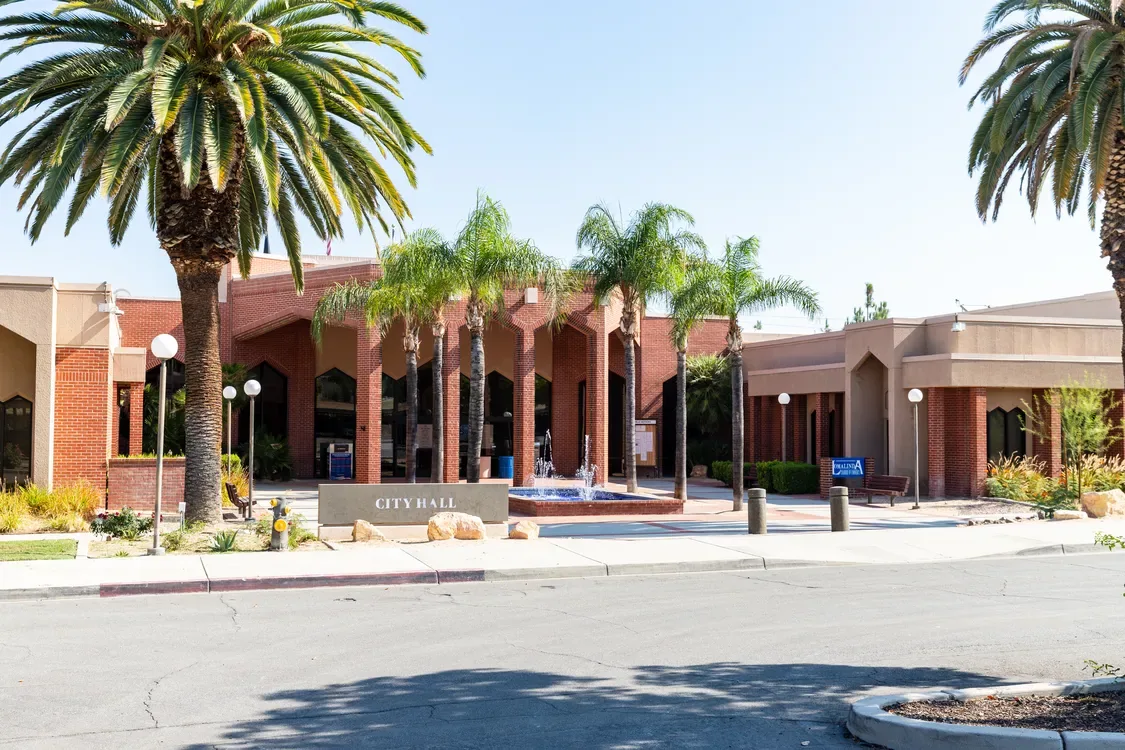
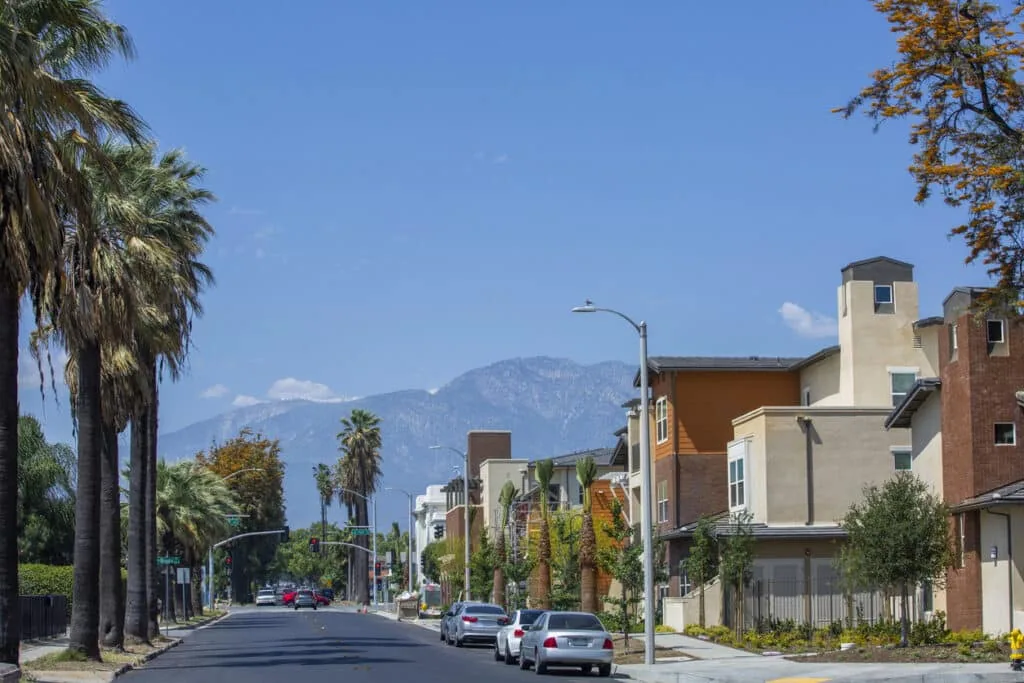
A material delivery near a busy commercial frontage has to leave room for customers, service vehicles and the work crew. In Grand Terrace, CA, Barton Road is the city's main business corridor, with established commercial properties and active redevelopment. We inspect the actual roof, confirm the property entrance and staging point, then define the work zone and daily closure around the owner's operating schedule.
The Barton Road Specific Plan guides commercial development through the corridor, and recent redevelopment activity near I-215 includes restaurant construction and associated parking, lighting, site planting and public improvements. Those projects make coordination at the property line and roof edge important during a site walk; the building's assembly and condition determine the roofing scope.
Coordinate roof work with frontage activity
Roof access may compete with customer parking, driveway use or a contractor's ground-level work. Before delivery, we identify where a lift can stand, which entry remains open and whether a parking or walk area needs a temporary boundary. When a redevelopment project includes paving, lighting or planting work, the owner can identify the trade sequence and the area that must remain clear for each participant. That information helps keep roofing material from arriving before its staging space is ready.
The estimate records the access window, route, equipment setup and debris path. A short delivery window can add handling or another mobilization, while a wider work zone may require more protection for people below. For properties near Downtown Fontana, commercial frontage also shapes pedestrian and tenant access. In Grand Terrace, the owner confirms the entrance and work path for each building.
An occupied-building plan identifies which roof area opens first and how it closes before the crew leaves. The phased reroof sequence can separate work by storefront, suite or roof section where the building layout and access allow it.
Inspect the roof before choosing an option
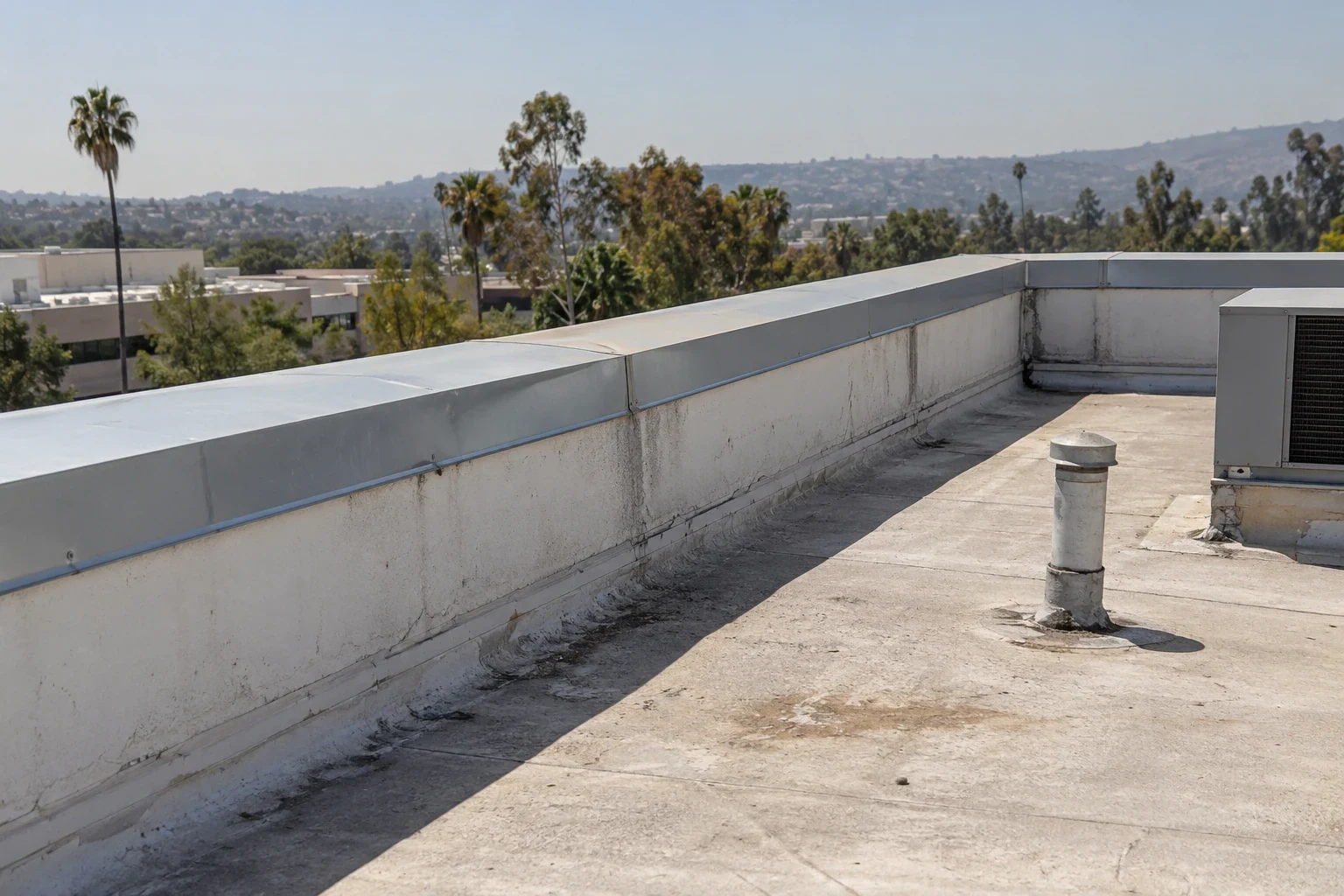
A ceiling mark or damp wall may point to a roof problem without locating the entry point. We compare the report with field seams, parapets, drains, curbs, wall transitions and previous repair areas. Water can move along a deck or insulation joint, so the proposal records the accessible roof location and separates confirmed work from a test opening that still needs approval. Photographs can connect each observation to a marked section.
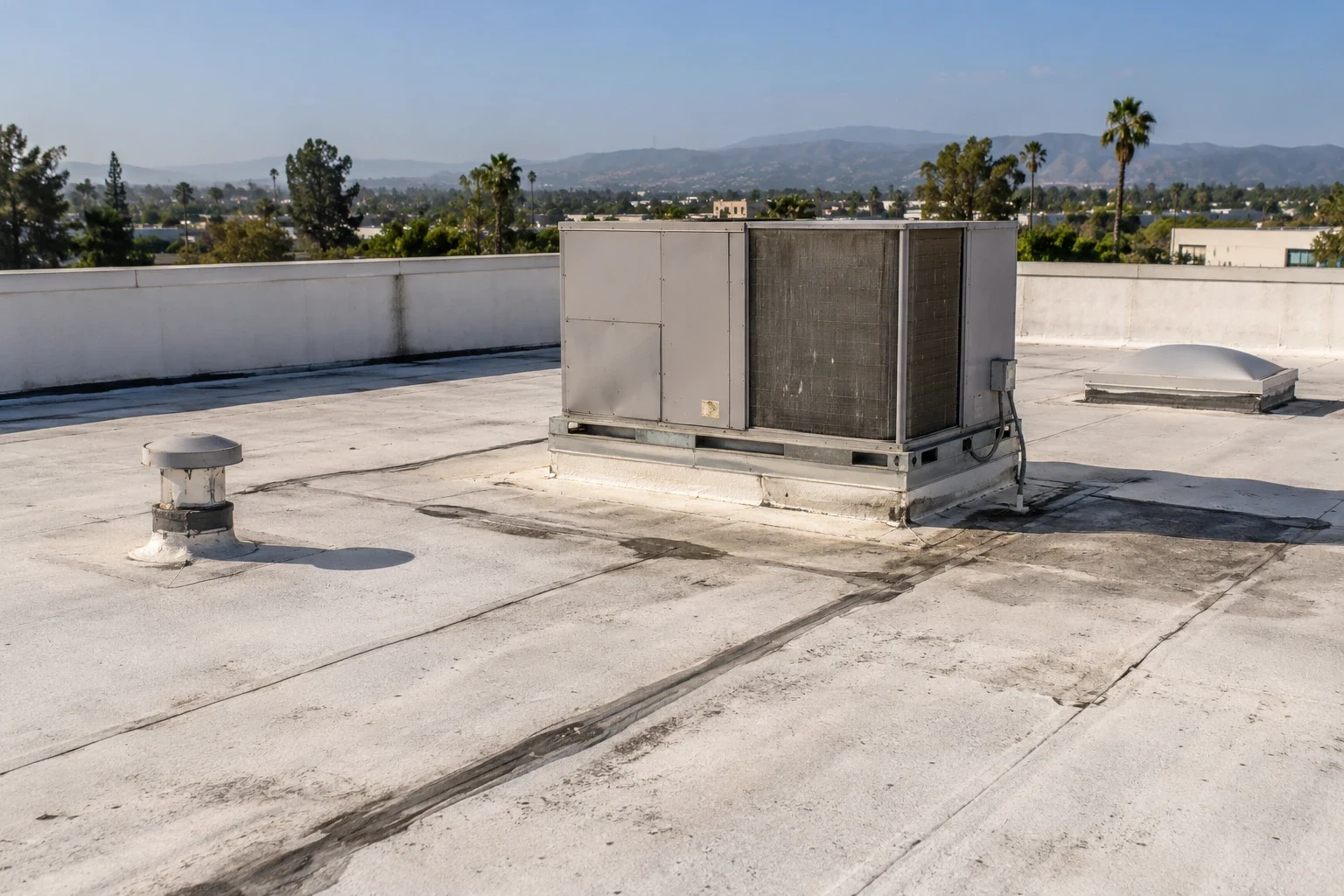
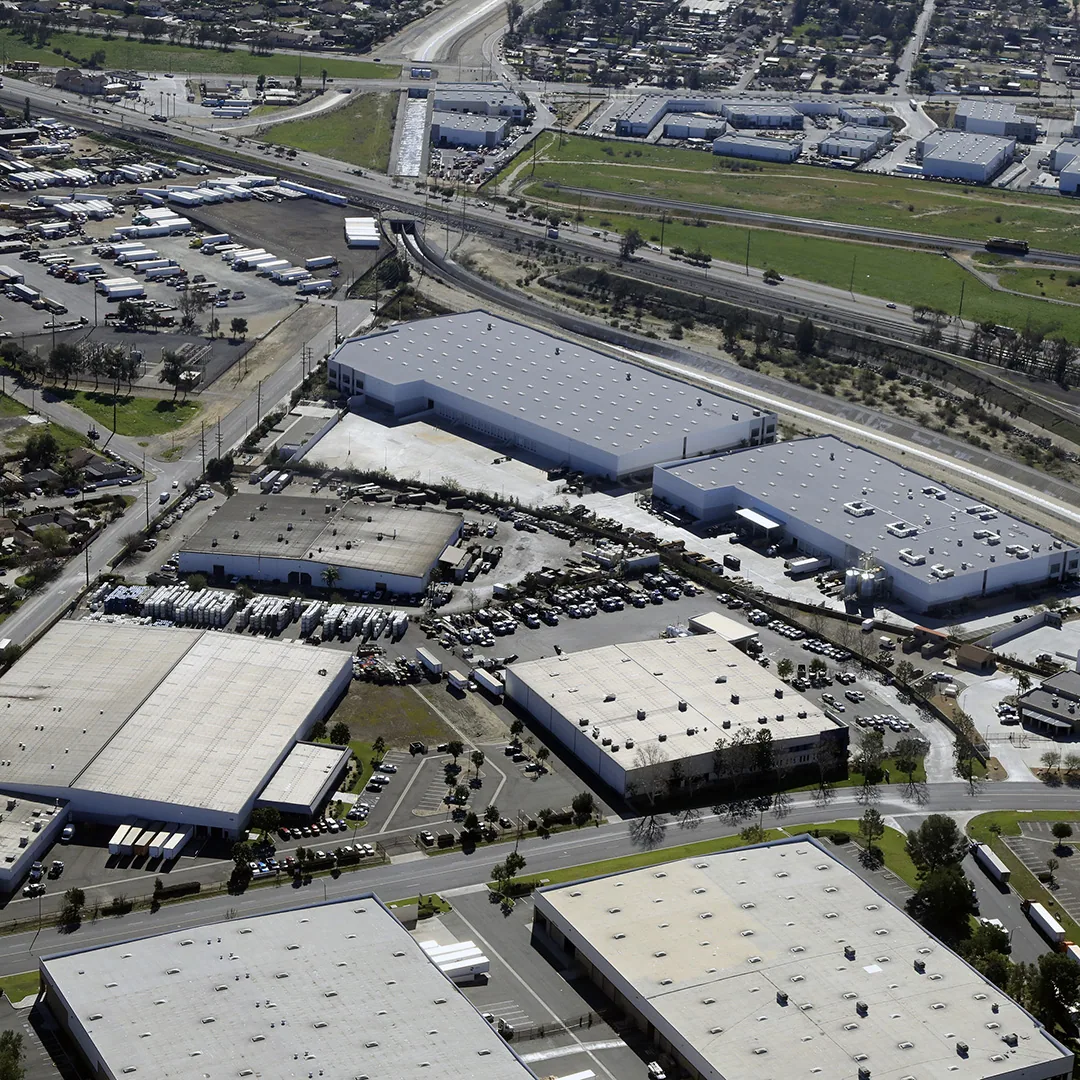
Commercial properties along Barton Road may have different roof histories, additions and equipment. We measure the affected building and review its own roof system. The substrate, attachment, flashing and drainage condition guide whether a repair, recover or replacement merits review. A commercial roof inspection identifies those conditions and the next decision; a roof condition report keeps the photos and work limits together for the property file.
If a test opening exposes wet insulation or damaged deck, we protect the section and measure the added quantity before work extends past the approved boundary. That keeps concealed conditions separate from the original repair price.
Close the seams, edges and water path
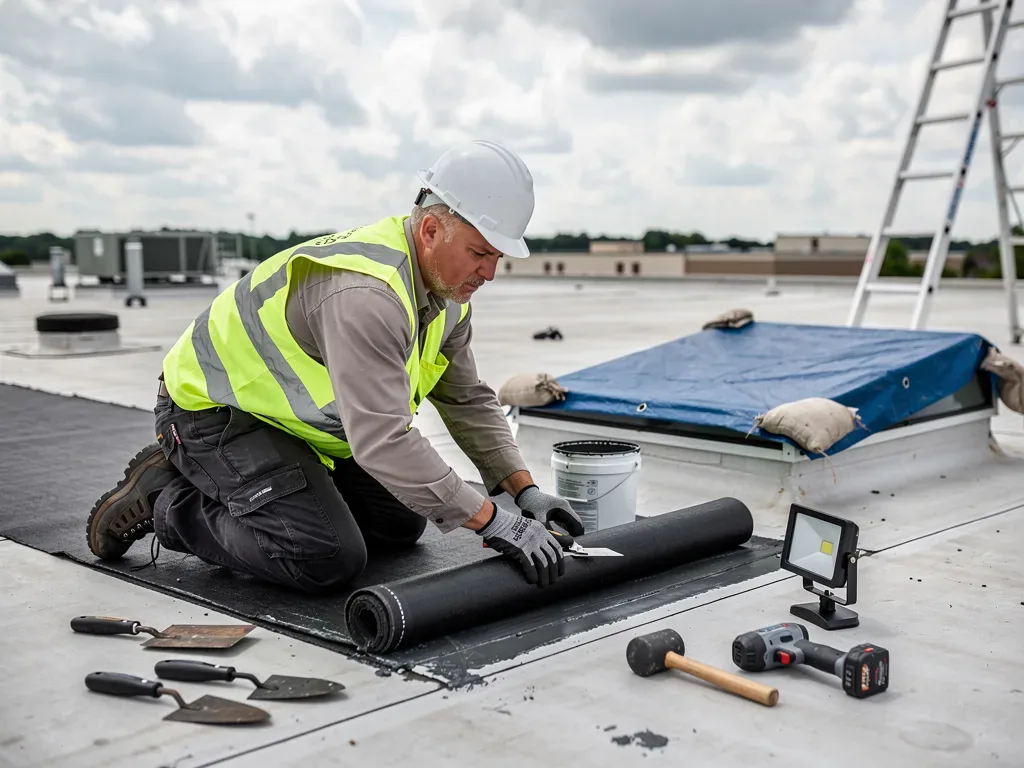
A small membrane split can be repaired when material around it is sound and a patch can terminate on a stable surface. We prepare the tie-in, restore the seam or flashing and check the drain path serving the area. If the leak traces to a curb or edge, repair details need to connect with that interface rather than cover only the open field. The scope lists any metal or plumbing task that sits outside the roofing work.
Roof drains, scuppers and overflow routes can be affected by debris, damaged bowls, added insulation or prior patches. We inspect accessible outlets and note whether water can reach them after the proposed work. A drainage repair scope can identify which outlets are included and the handoff to plumbing. If an edge or coping transition controls the closure, a perimeter metal repair addresses its backing and water-shedding detail.
Those checks matter whether the property is receiving a small repair or a larger project; each area receives a defined boundary and close-in method.
Price repair against recover or replacement
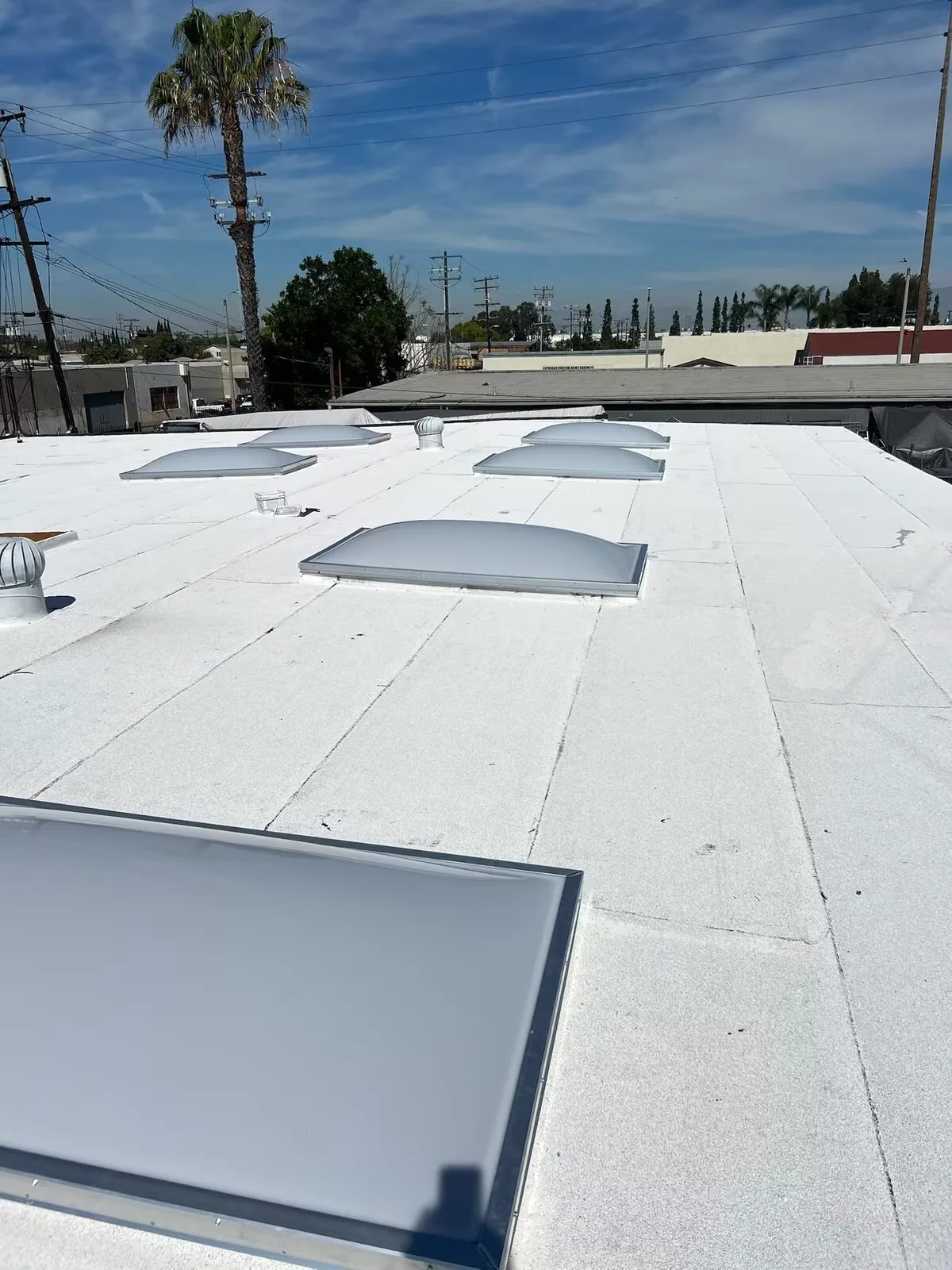
One failed seam can justify a contained repair, while repeated leakage, saturated insulation or weak attachment may point to a larger investment. We inspect the assembly and explain what the evidence supports. A recover is considered only after the retained layers and moisture condition are checked. If tear-off is needed, the proposal identifies removal limits, insulation, membrane, edges and the new drainage connection.
Cost and timing change with roof height, layers to remove, material access, occupied space, equipment coordination and the number of separate visits. Near redevelopment, the construction calendar and parking or planting work can also affect when staging is available. A replacement proposal ties quantities to the measured section and outlines the daily opening limit. That allows ownership to compare a limited repair with a phased renewal without treating every roof surface as one scope.
When the visible field appears serviceable but a concealed layer remains uncertain, we identify the test and the cost decision it informs. The owner can authorize that investigation separately before committing to a larger assembly.
Use current conditions to set the work limit
Fontana summer forecasts can exceed 100 degrees. On Barton Road, check the roof surface and selected product instructions before setting the installation window. We choose an area small enough to prepare and close before the shift ends, leaving no exposed edge while storefront activity continues below.
Cooler-season rain can make temporary protection and outlet access important when a replacement takes more than one day. Before removal, we set a maximum opening, describe the cover and identify the tie-in that will remain if work pauses. A changed forecast or a delayed ground-level trade can reduce the available window; the crew closes the approved section before starting another.
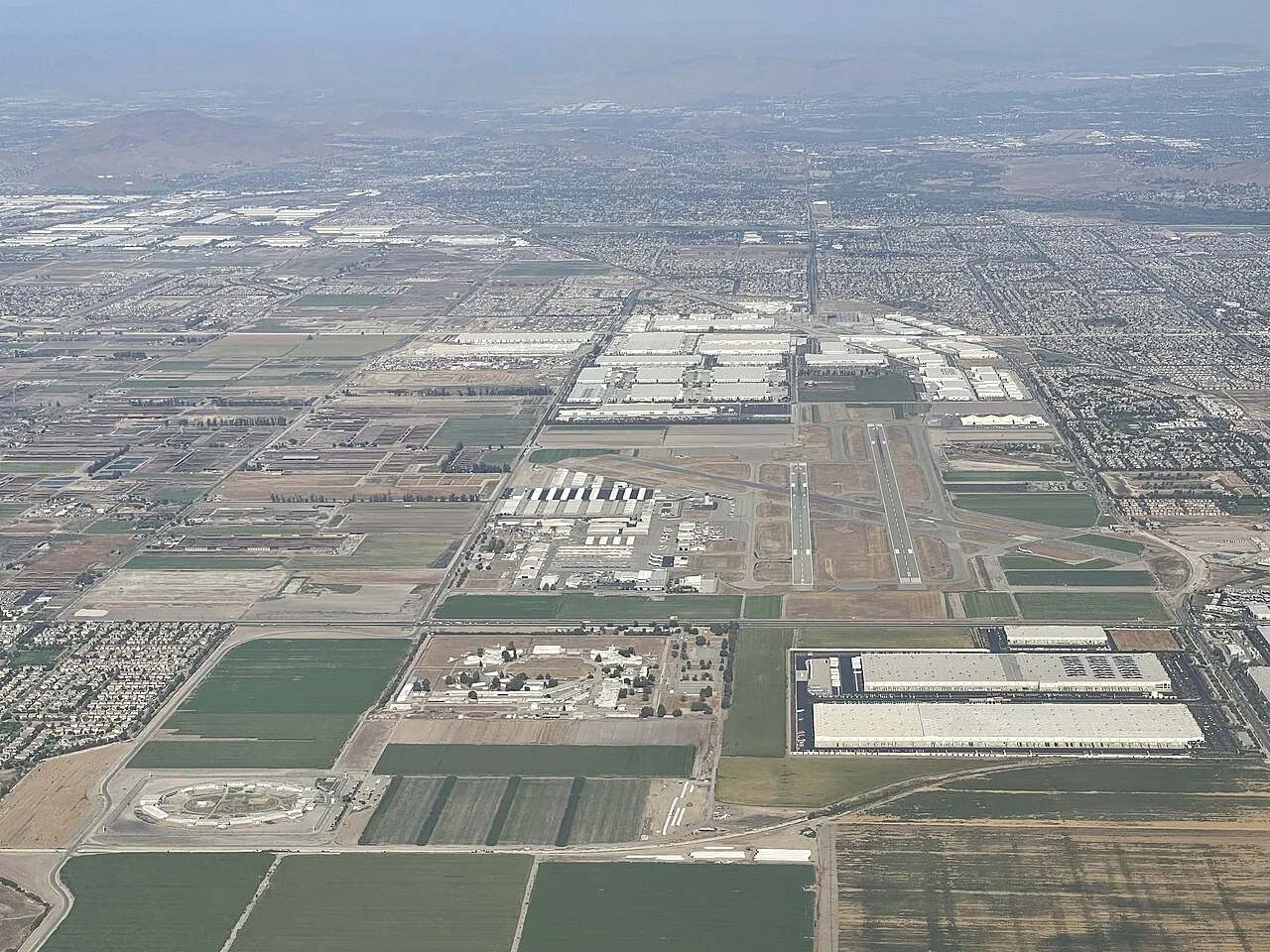
For a service visit in Southwest Industrial Park, truck court requirements shape deliveries differently from Barton Road's customer and redevelopment activity. We set the route and work limit from each property’s access conditions.
Give the owner a usable project record
Closeout identifies the building and roof area completed, material installed, quantities, photographs and any remaining work. If a separate trade must finish a support, outlet or interior item, its handoff is called out. A temporary cover is recorded as temporary, while any adjacent roof section that was not part of the accepted work remains distinct.
That record helps a manager coordinate future service with paving, lighting or planting work on the property and avoids reopening a completed detail without a reason. For an owner with more than one commercial building, each roof keeps its own measurements and operating restrictions. Maintenance staff can compare the latest work with the next inspection and plan procurement from the actual repair history.
Before scheduling, share the roof plan, leak area, access rules, redevelopment schedule and any parking or delivery limits. We can use those details to prepare an inspection route and identify the first work zone.
Frequently Asked Questions
Do you work on commercial buildings along Barton Road?
Yes. We schedule roof inspections and projects in Grand Terrace's commercial corridor. The owner or manager confirms the specific building's access route, operating hours and any redevelopment work affecting staging.
Can roof work overlap with parking or planting improvements?
It can when the project teams agree on boundaries, delivery timing and a handoff for each work area. We identify the roofing staging and access needs so they can be coordinated with the property's other work.
How do you determine whether a roof can be repaired?
We inspect the membrane, seams, flashing, substrate, attachment and drainage around the reported condition. A repair is priced when the boundary can tie into sound material; broader moisture or deterioration may require testing or a replacement comparison.
Does summer heat in the Inland Empire affect Grand Terrace work?
Summer conditions in the Inland Empire call for a surface-temperature check. We follow product installation limits at the property and size the daily opening so the section can be closed safely.
What should the owner keep after a roof project?
Retain the roof area, completed quantity, installed material, photographs and remaining tasks. That record helps coordinate later roof service with other property improvements.