Retail and Restaurant Chains
Plan Fontana chain roof repairs around customer entrances, kitchen exhaust, deliveries, tenant hours, and repeatable closeout records.
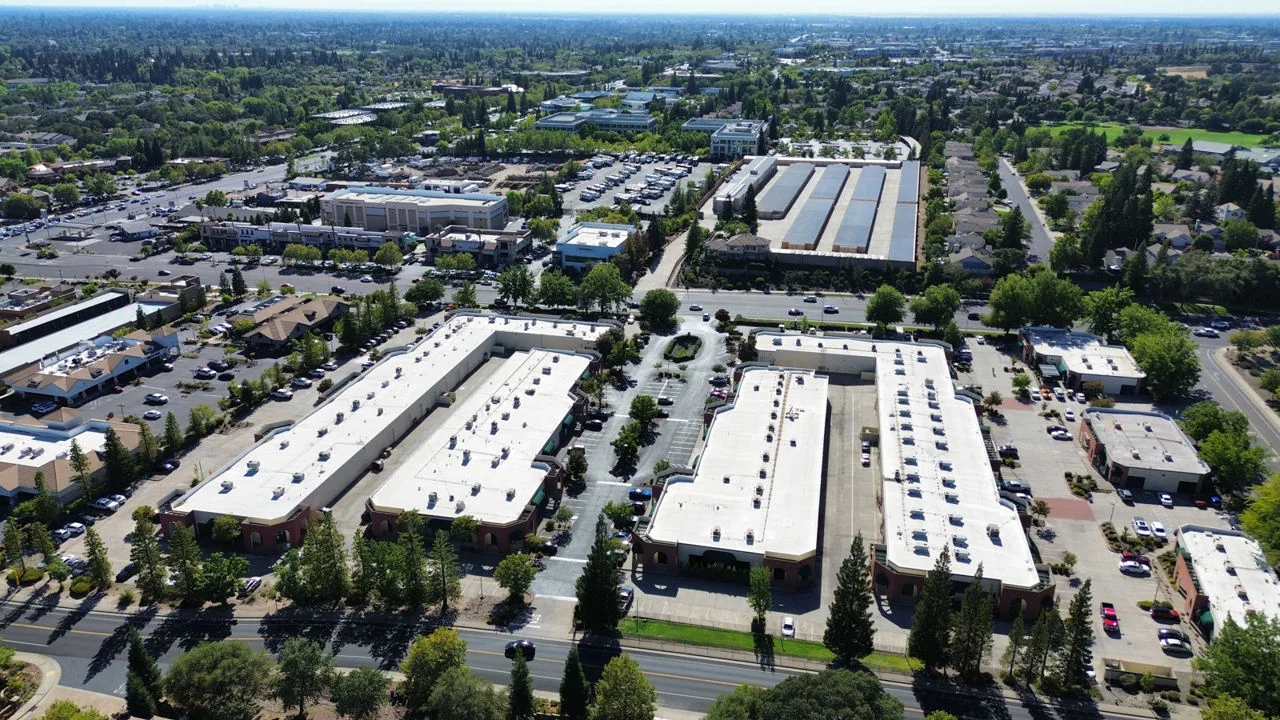
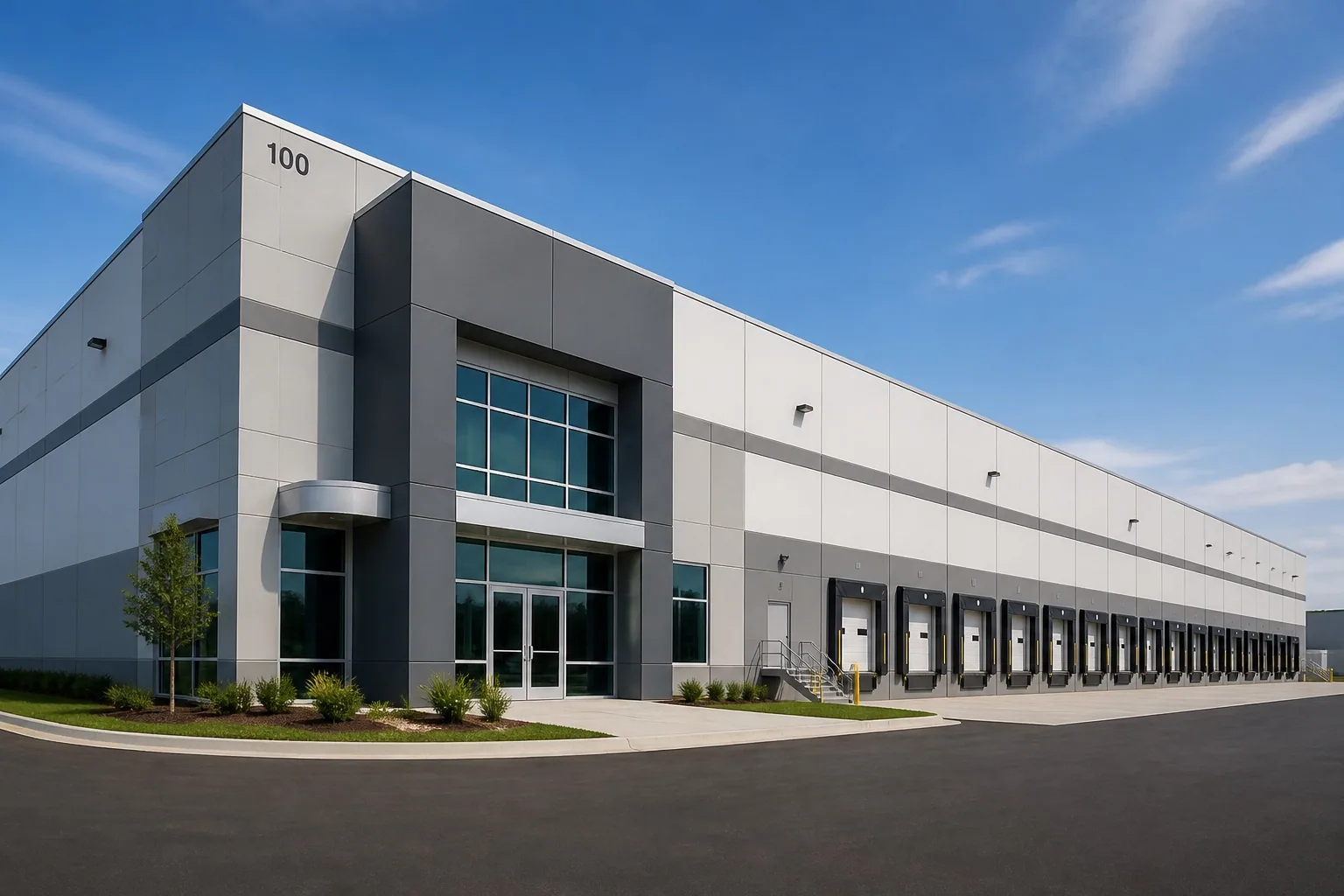
A supplier truck, customer entrance, and roof delivery can compete for the same service lane, so a chain roof project needs a site sequence that protects access while work is underway. Commercial Roofers Fontana plans commercial roofing for retail and restaurant chains in Fontana, CA, by confirming store hours, receiving windows, roof openings, and the route that stays clear. The scope identifies each location's work zone and keeps urgent repair separate from broader renewal.
Fontana includes retail, restaurant, office, healthcare, and industrial properties. Downtown and Sierra Avenue include commercial activity, while each store's roof and operating plan is set by its property. Each location needs its own inspection, tenant coordination, and delivery confirmation. Summer heat can influence roof access and material handling, while store hours determine how staging and protection fit below.
Store operations set the access plan
We confirm the operating manager, receiving schedule, service entrance, customer path, kitchen or loading activity, and areas where staging cannot occur. If a lift, dumpster, or material pallet could conflict with parking or deliveries, the plan identifies another position or a restricted window. The work zone should also account for rooftop equipment, exhaust, and penetrations without assuming that a visible unit is the cause of a roof problem.
Retail and restaurant chain locations may share brand standards but not site conditions. A freestanding store, restaurant in a center, and multi-tenant retail suite can have different roof access, landlord responsibilities, and service routes. We verify who owns the roof, who approves a closure, and who communicates with neighboring tenants. The estimate names the property, roof area, and access plan so each store receives a workable sequence.
Property management teams can coordinate landlord and tenant access, while hospitality operators may manage different public hours and guest routes. A chain's facilities contact confirms actual operating rules before work begins. A common reporting format can help compare sites, but construction approval remains tied to each location.
Trace leaks to the roof zone
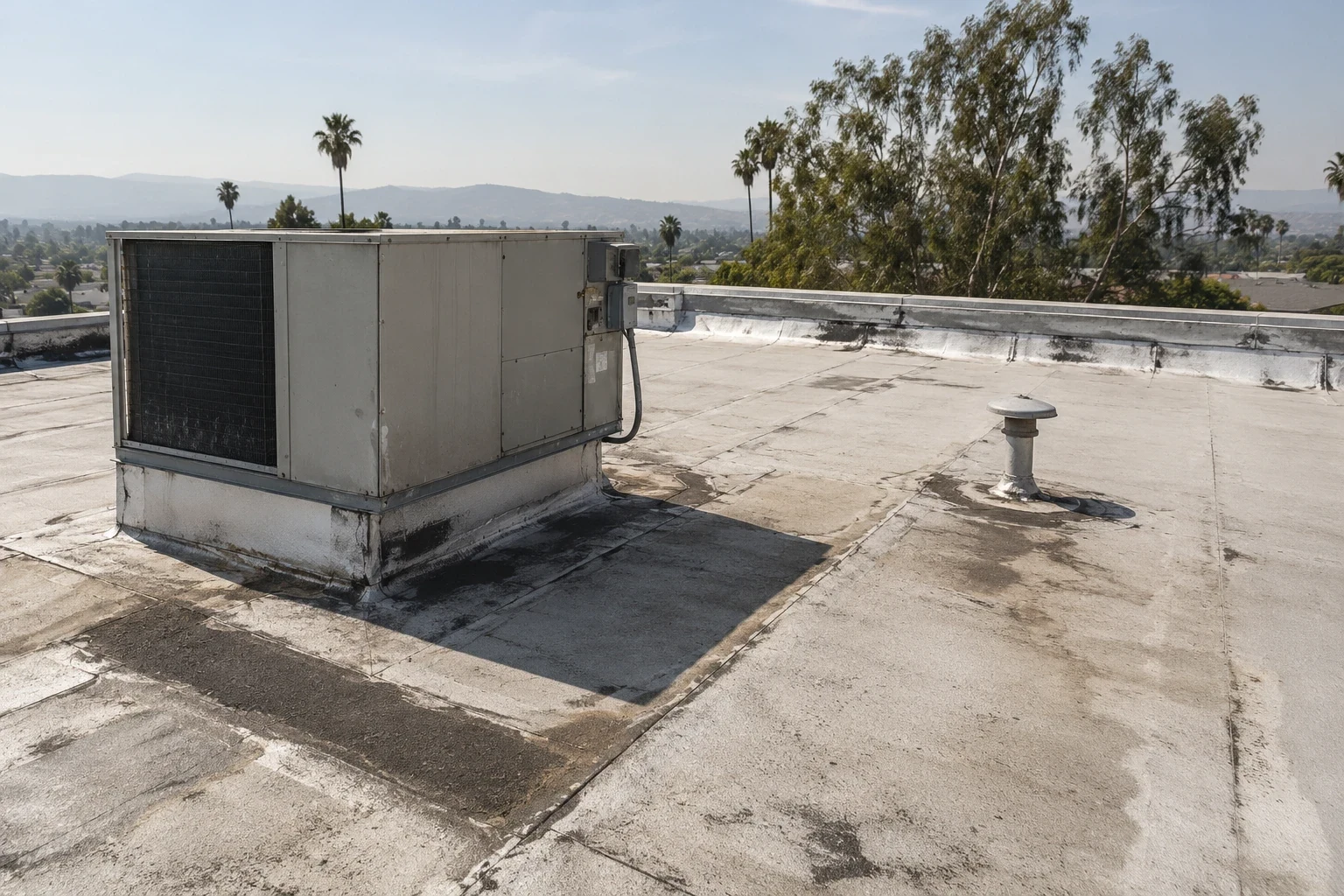
A water mark should be located against roof drains, seams, curbs, vents, and interior observations. We use photographs and a marked plan to show where the condition was reported and what could be examined. A ceiling stain can sit away from the roof entry point and does not show how much concealed material is wet. The record should state the limits and the next investigation needed to choose a repair.
A commercial roof inspection can document accessible membrane, flashing, edge, drain, and penetration conditions. Restaurant exhaust and rooftop equipment make curb details important to inspect, but the presence of equipment does not prove that a leak is related to it. We trace the actual water path as far as the available evidence allows and identify any material sample or opening needed for confirmation.
If a leak is active during business, the store can protect interior areas while the roofing scope addresses the roof. We identify the contact for immediate updates and keep temporary containment distinct from the permanent correction. Keep each repair record with its store and roof zone.
Choose a correction that fits the assembly
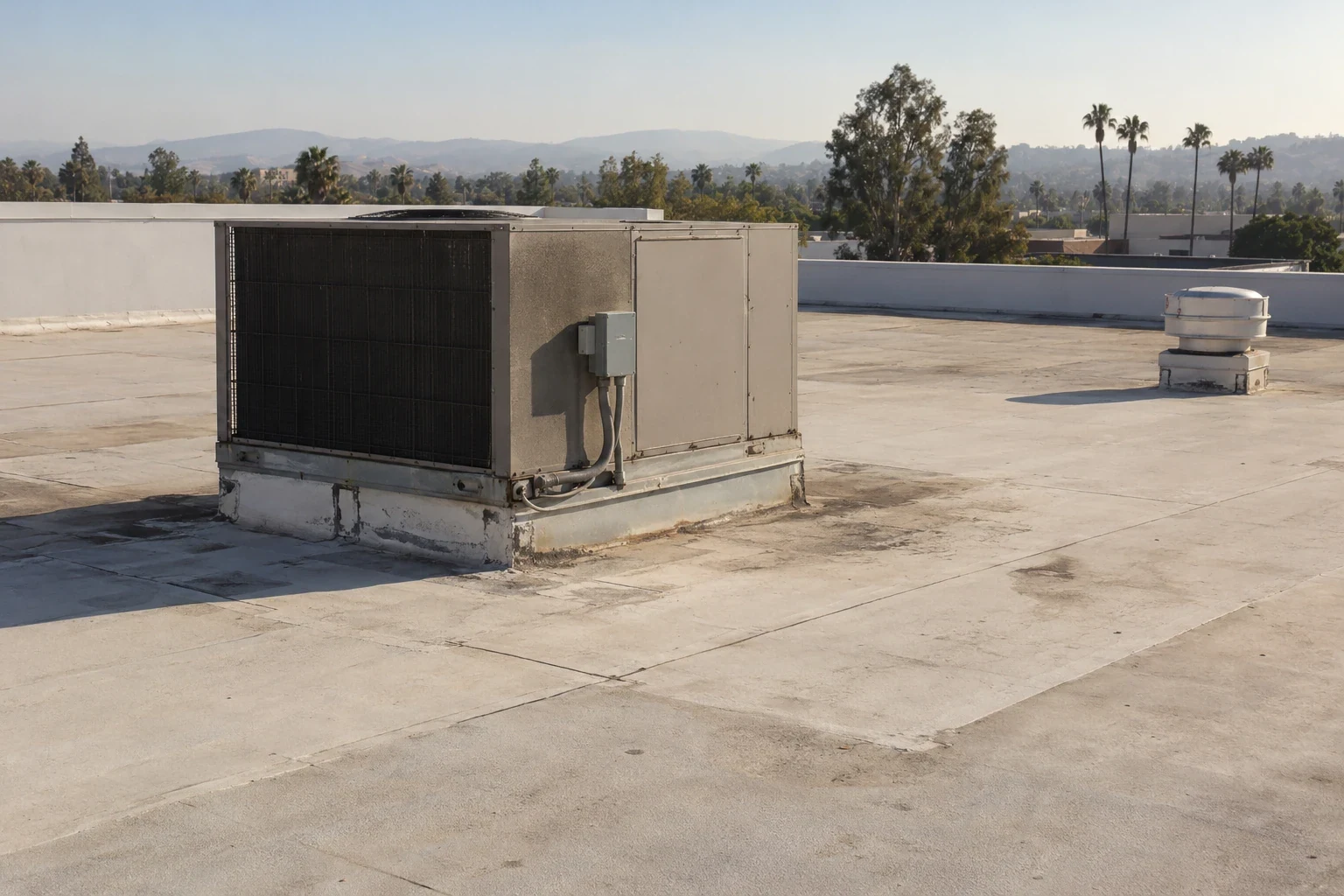
A local seam, flashing, or curb failure can support a targeted repair when the surrounding roof remains suitable. Wider deterioration, recurring moisture, or failing attachment may call for more examination or replacement. We identify the observed area, layer assumptions, drainage, rooftop interfaces, and the scope boundary. The owner can compare what the repair restores with what a recover or replacement would require.
A defined repair includes the correction, access, protection, and inspection point before the area returns to operation. If the roof condition points to broader work, a recover option states the receiving surface and what remains in place. A full replacement identifies removal, new insulation or cover board, drains, edges, curbs, and tie-ins. The scope states how a concealed condition will be measured, priced, and approved before additional work proceeds.
A coating is not a substitute for correcting a substrate or drainage problem. If restoration is considered, the receiving surface and exclusions must be stated. The chain can then compare construction tasks and operating impact instead of treating every lower initial amount as equivalent.
Heat and delivery windows influence the schedule
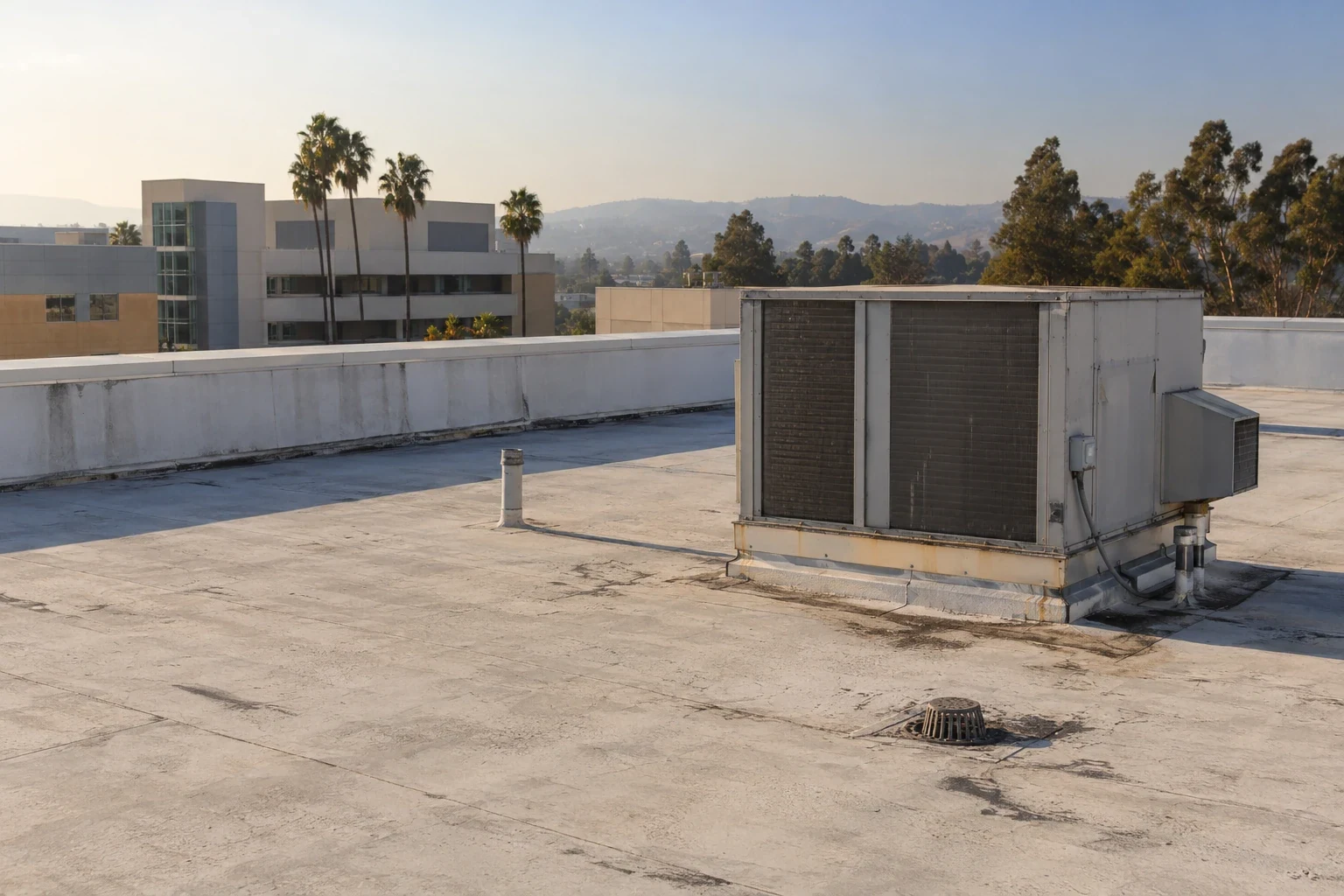
Heat is a schedule input: Fontana summer high forecasts frequently move beyond 100°F, with occasional extreme-heat alerts. The work plan accounts for safe roof access, material handling, and exposed tasks that may fit earlier in the day. We confirm store hours and delivery windows, then identify the order in which each roof zone opens and closes. If the property is in a retail center, the manager also confirms shared parking and access rules.
Fontana's I-10, I-15, and SR-210 corridors support freight and commuter movement. The city's commercial building mix includes retail and restaurant activity as well as industrial and healthcare uses. Those facts frame local coordination, but each store's receiving appointment, truck route, and landlord notice process determine the actual delivery plan.
The Sierra Commercial Corridor is a broad retail, office, and mixed-use area. Fontana Promenade is another multi-property commercial area with retail, office, restaurants, and entertainment uses. For a store in either area, we confirm the property contact, roof access, and staging point before setting the work sequence.
Keep chain records location-specific
A chain report shows active leaks, completed repairs, investigation, and capital work. Each entry needs the store, roof zone, date, condition, and status. Shared photo and approval formats do not combine buildings into a common roof condition.
A multi-site roof program can organize inspection cadence and approval status. A condition report preserves the roof-level evidence for each site, including access limitations and follow-up. If the property manager or franchise operator changes, the record should still identify who approved the work and what was installed.
Closeout lists materials, repaired details, approved changes, photographs, and any remaining observation. The next facilities review can tell what is complete and what needs a separate decision. Emergency response is available at any hour, including weekends and holidays, when active water entry needs prompt attention; that immediate work should be recorded apart from a larger replacement plan.
Review a store or portfolio scope
Schedule an inspection or scope review and share the store contact, owner or landlord contact, operating hours, delivery rules, roof plan, and active leak locations. We will document accessible conditions and return a defined work zone, access sequence, protection plan, and closeout. For multiple locations, list each site contact and roof record.
For an active leak during service, the manager can identify the affected room or sales area and name the on-site contact. We will record the protective step separately, leaving permanent repair or renewal for its own review.
Frequently Asked Questions
Can a chain use one roof proposal for multiple stores?
A shared format can make review consistent, but each location needs its own condition, roof zone, access, work quantities, and approval. A landlord may control one roof while the chain controls another. We keep records and costs attached to each property, so a visit to one store does not stand in for another site's inspection.
How do restaurant hours affect roof work?
We confirm service hours, receiving, exhaust activity, customer access, and any odor or noise restrictions with the site contact. The sequence identifies staging and the period each zone is open. If the work needs a temporary restriction, its duration and notice path should be approved before mobilization.
Does a rooftop exhaust fan explain a leak inside the restaurant?
Not by itself. We inspect the curb, flashing, nearby seams, drains, and the reported interior area, then state what the evidence supports. If the water path remains uncertain, additional examination may be needed before assigning the cause or proposing broader removal.
What should a store manager provide before a leak inspection?
Share the store contact, landlord or owner contact, leak location, operating schedule, roof access rules, and any prior repair record. We use those details to plan the visit and identify areas that must remain accessible. The field report will state what could be inspected and what remains unknown.
How can repair work fit a shared retail center?
At a shared center, we confirm the landlord's roof rules, neighboring tenant paths, parking, deliveries, and staging before setting the work zone. The plan identifies who authorizes a temporary change and when public routes return.