Commercial Heat and UV Roof Damage Repair
Repair heat and UV damage on Fontana commercial roofs. Check membrane, seams, flashing, and drainage before choosing a compatible repair or restoration.
A roll of membrane left on a sun-exposed roof can become difficult to handle before the crew reaches the repair zone. Fontana's heat makes work timing and material protection part of the repair sequence. We inspect the roof for brittleness, surface wear, open seams, split flashing, coating loss, and related water entry, then separate weathering from a condition that needs repair. The proposed work depends on the actual system and substrate, not simply the number of hot days. A safe access window and defined closeout keep the work area controlled while exposed materials are being handled.
Weathering is not a repair scope
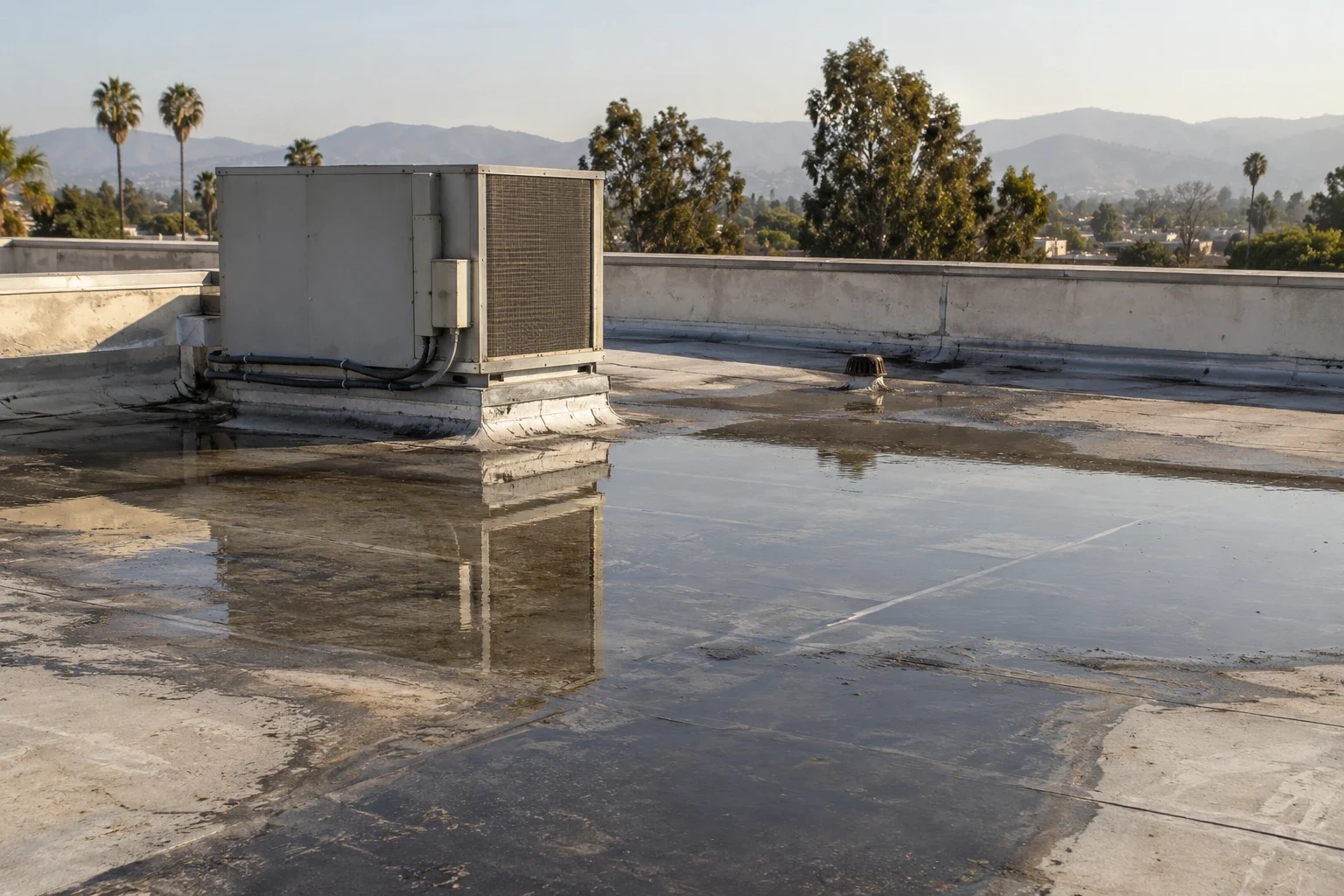
Sun and heat can accelerate wear on exposed membranes, coatings, sealants, and flashing, but a faded surface does not by itself show that a roof has failed. We look for changes that affect the water-shedding plane: open laps, cracks, loss of material, exposed reinforcement, loose terminations, or a path into the assembly. We also check drains, scuppers, penetrations, and edge conditions that may allow water to remain or enter. The inspection records visible evidence and notes where another test is needed.
Fontana summer forecasts regularly include highs above 100°F and occasional extreme-heat advisories. That is a real scheduling factor for exposed roof work, not a condition diagnosis for an individual building. A commercial roof inspection can map weathered areas and identify which details need repair. If an interior leak is active, a separate leak assessment traces entry instead of assuming every aged surface is the cause.
The damaged component sets the method
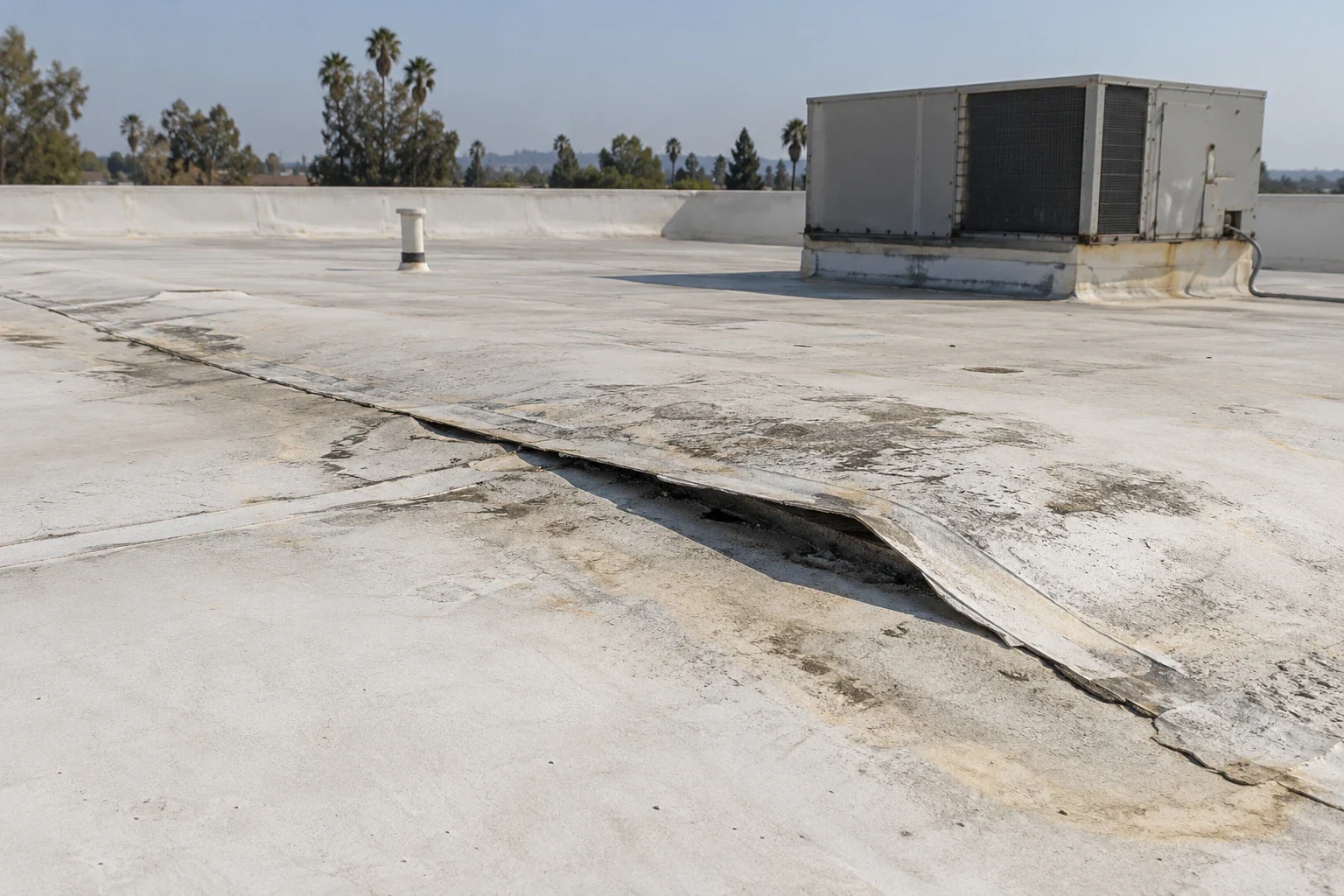
Different heat-related failures need different work. A surface crack in a coating may require removal and restoration of a compatible coating system; a split membrane seam needs preparation and a system-appropriate welded or adhered tie-in; brittle flashing may need removal and replacement at the detail. We check the condition of the adjoining field and substrate so a small patch does not stop on loose or degraded material. If insulation or cover board is damaged, the scope may need to open the assembly and replace it.
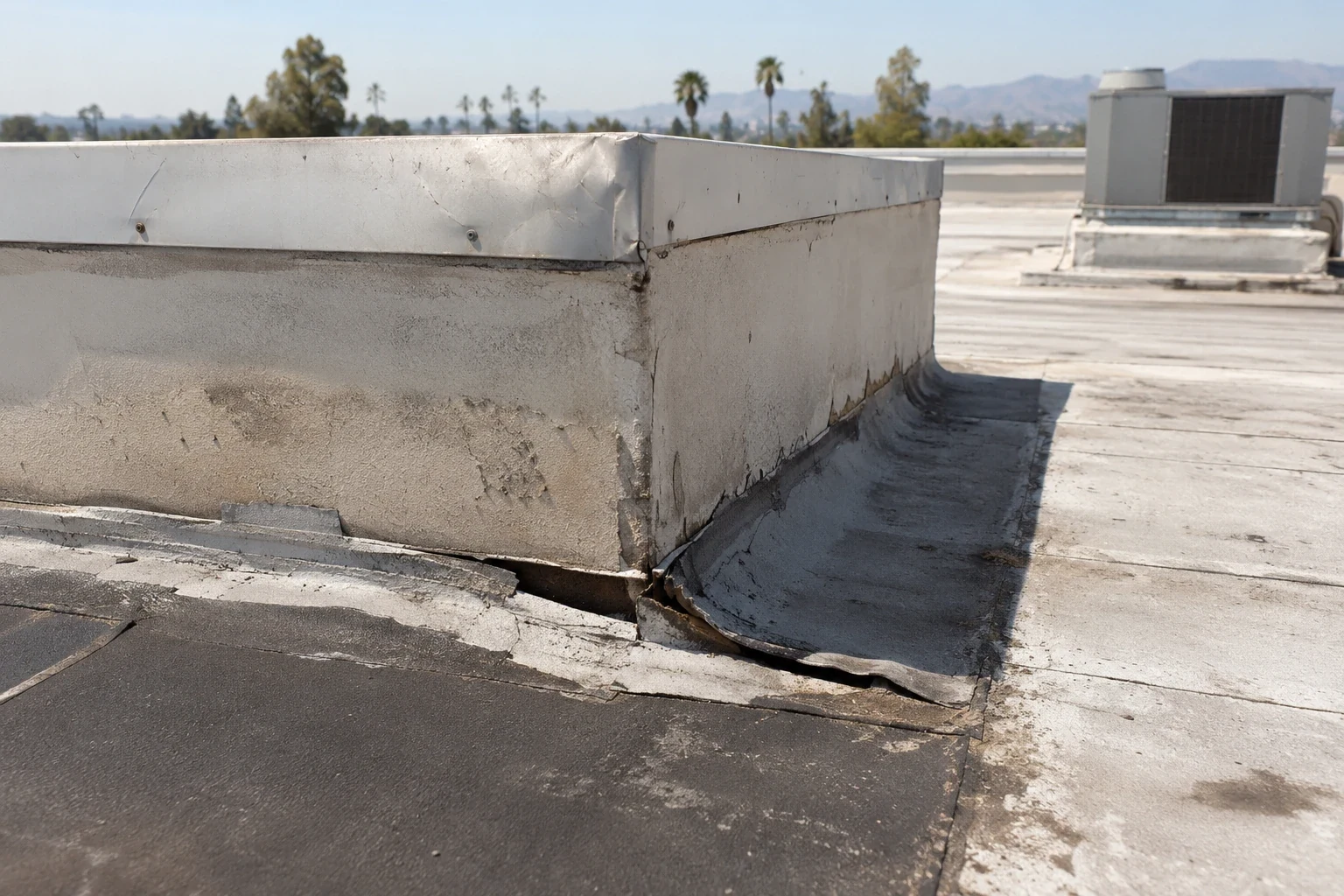
At rooftop curbs or penetrations, heat can affect exposed sealants and flashing edges, but the repair must preserve the designed transition. We inspect corners, terminations, and laps for movement or separation. Where damage has reached an interface, flashing repair or seam repair may be more appropriate than coating the surface. The material selection and sequence follow the existing roof type, manufacturer installation requirements, and confirmed substrate condition. We check whether the surface is dry and clean enough for the repair, whether adjacent material can accept a tie-in, and whether equipment or stored items block the detail. If the roof is hot, material preparation and cooling time can affect the safe work window. A clear scope identifies who moves equipment, how the opening stays protected, and what inspection confirms the repair is ready for closeout.
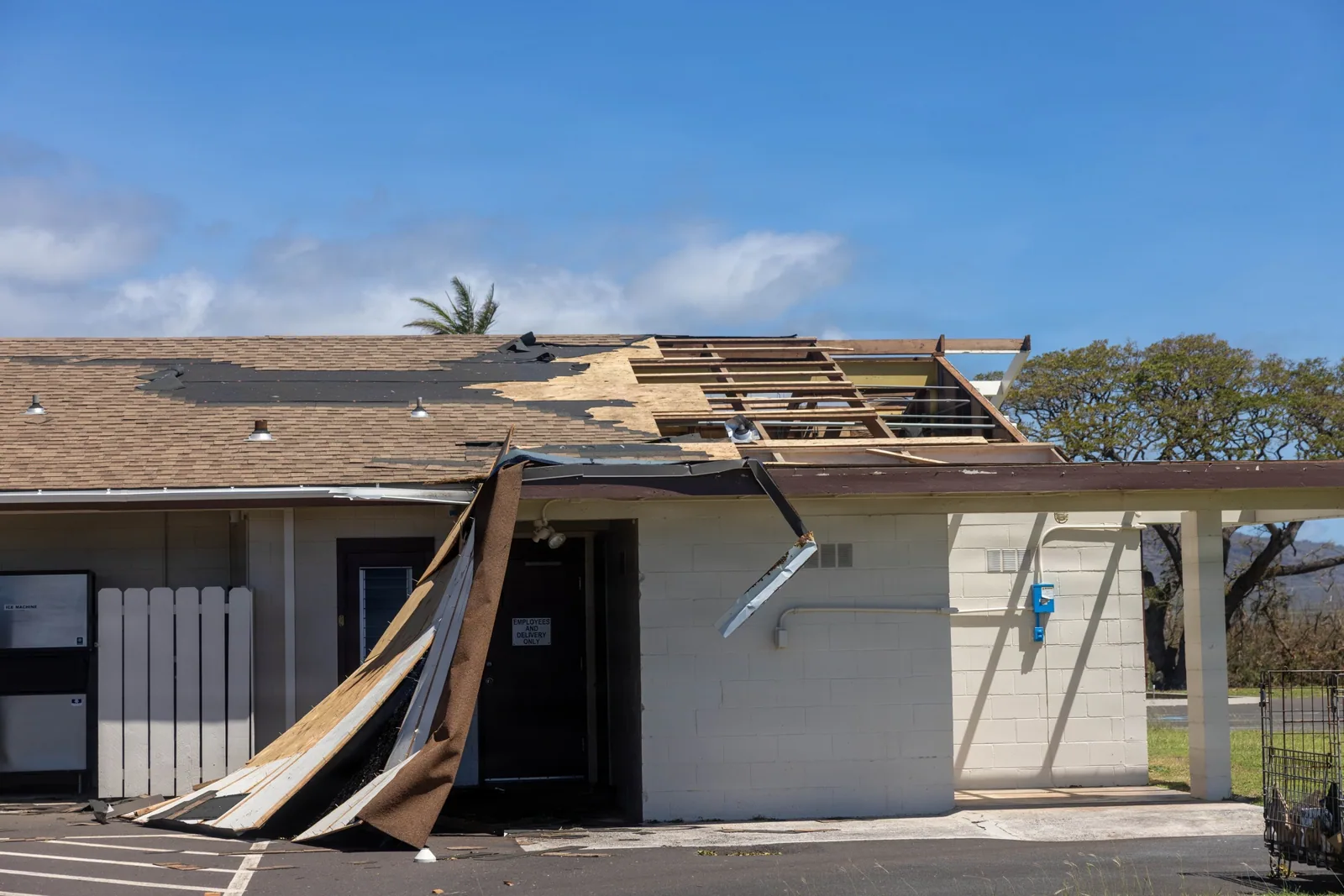
The building controls access and timing
Fontana's industrial plan areas support warehousing, distribution, trucking, vehicle storage, and manufacturing. A roof repair at a busy site may need a lift window that avoids active loading. We confirm where materials can be staged, how crews reach the roof, and whether tenants or equipment need protection below the work zone. The I-10 and I-15 freight corridors frame regional movement, while the property contact confirms the actual truck path and delivery sequence.
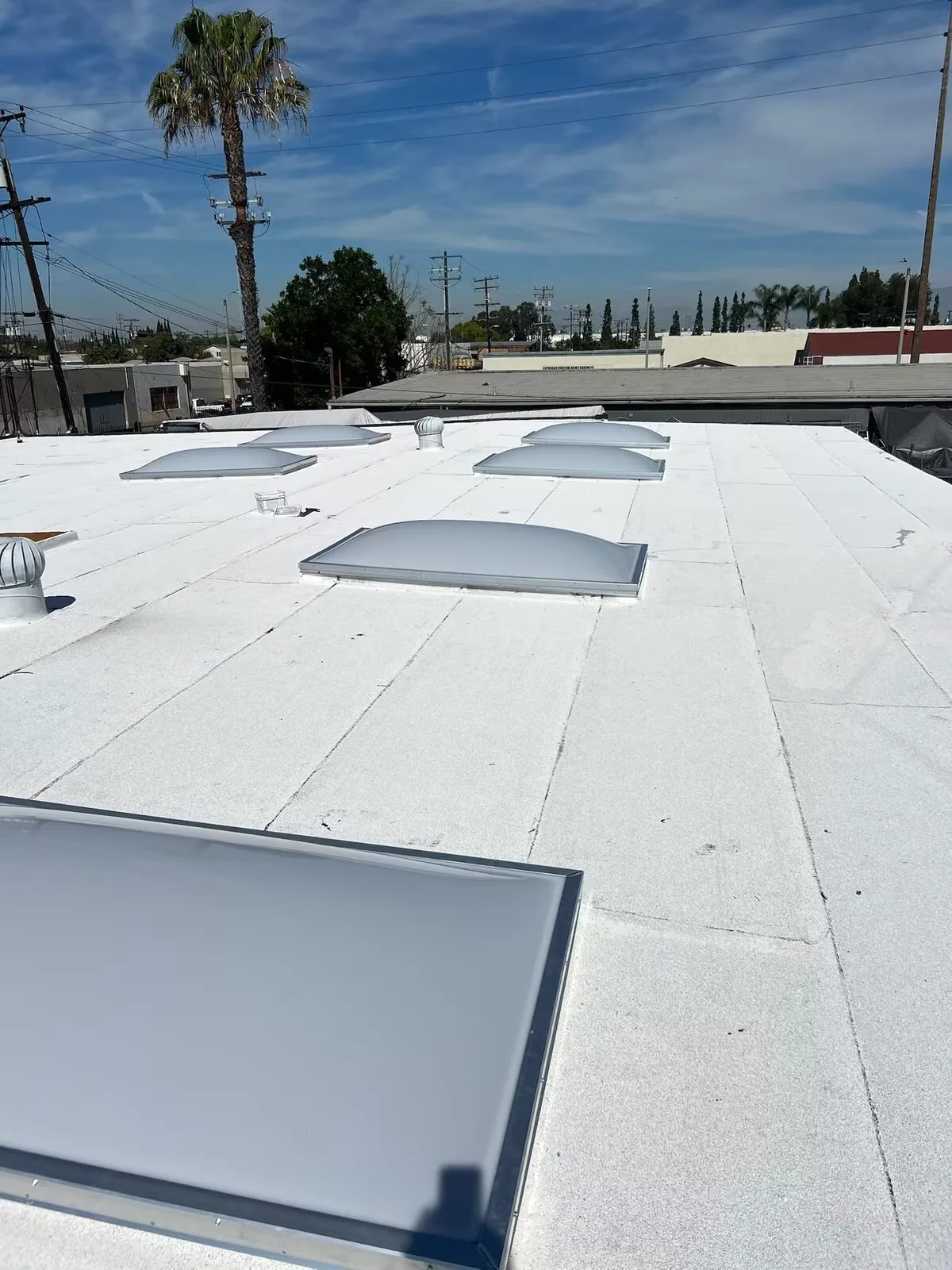
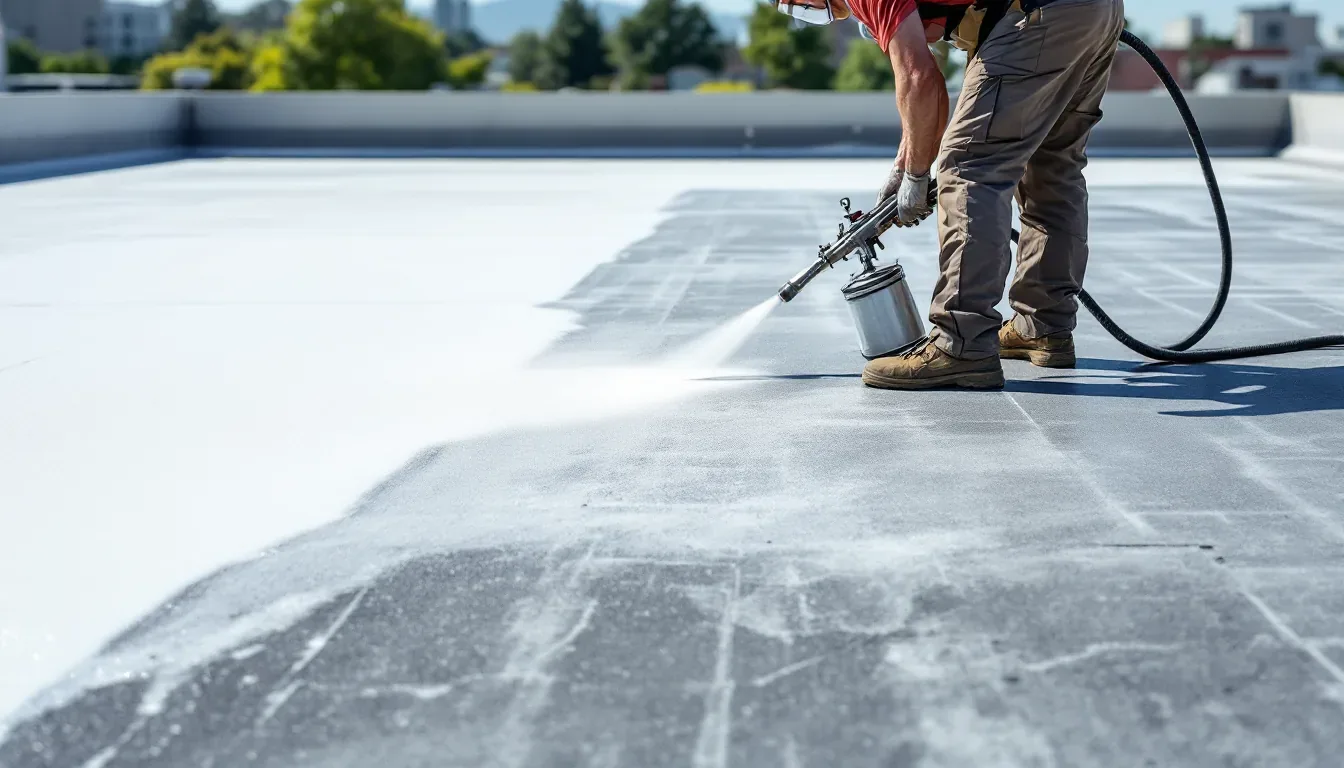
Downtown Fontana includes commercial corridors along portions of Sierra Avenue, Valley Boulevard, and Foothill Boulevard. Customer access and parking there may set a different staging limit than a broad industrial parcel. Heat can narrow the most practical work hours at either location. We plan the repair area, material handling, and temporary protection around the site's operating conditions. For broader surface restoration, roof coating restoration can be considered only after the existing roof and substrate are suitable.
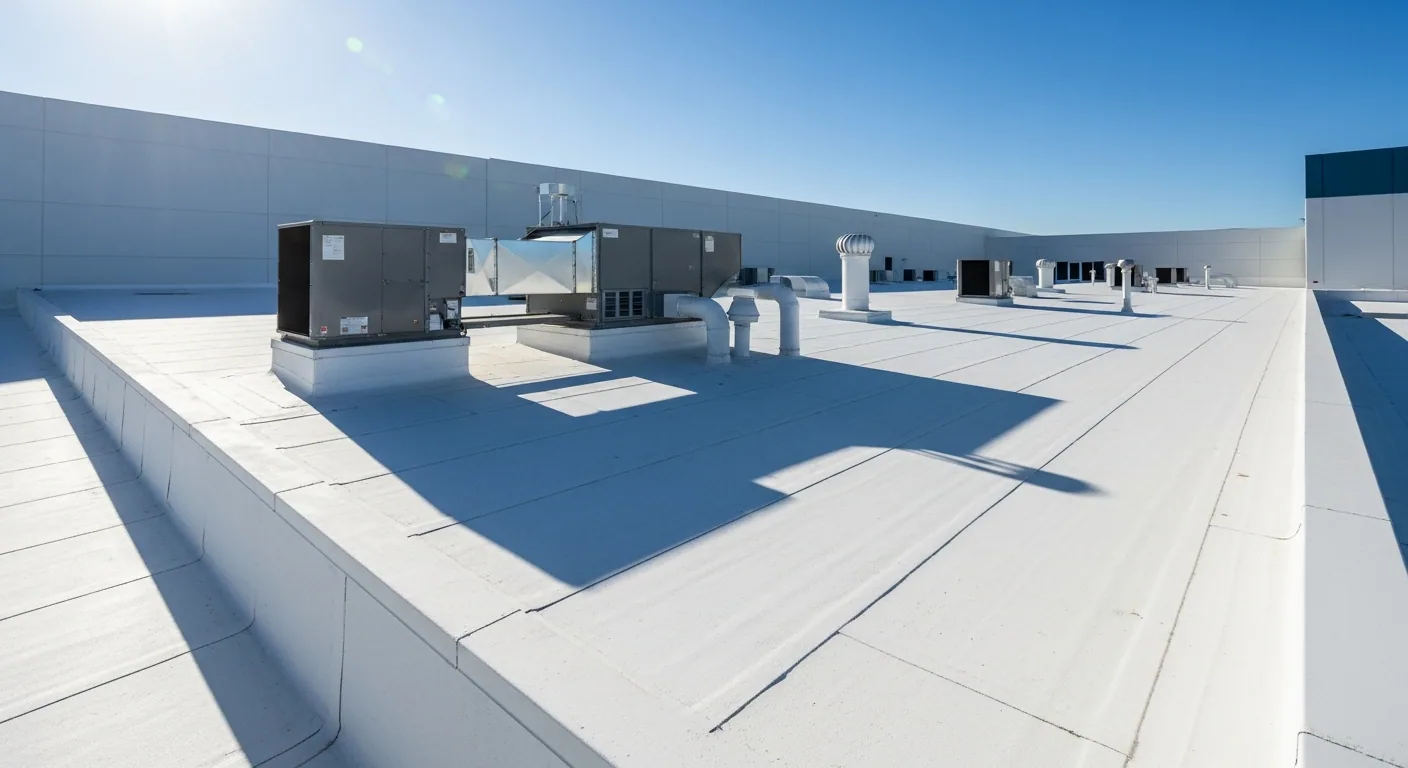
Repair, restoration, or replacement
A localized defect may be repaired without changing the whole roof. Widespread surface breakdown, repeated failures, wet insulation, or a deteriorated substrate can shift the decision toward restoration or replacement. We compare the available paths based on the observed area, system condition, drainage, attachment, code implications, and how much work can be completed without leaving the building exposed. An existing coating does not prove that another coat is appropriate; adhesion and compatibility need review.
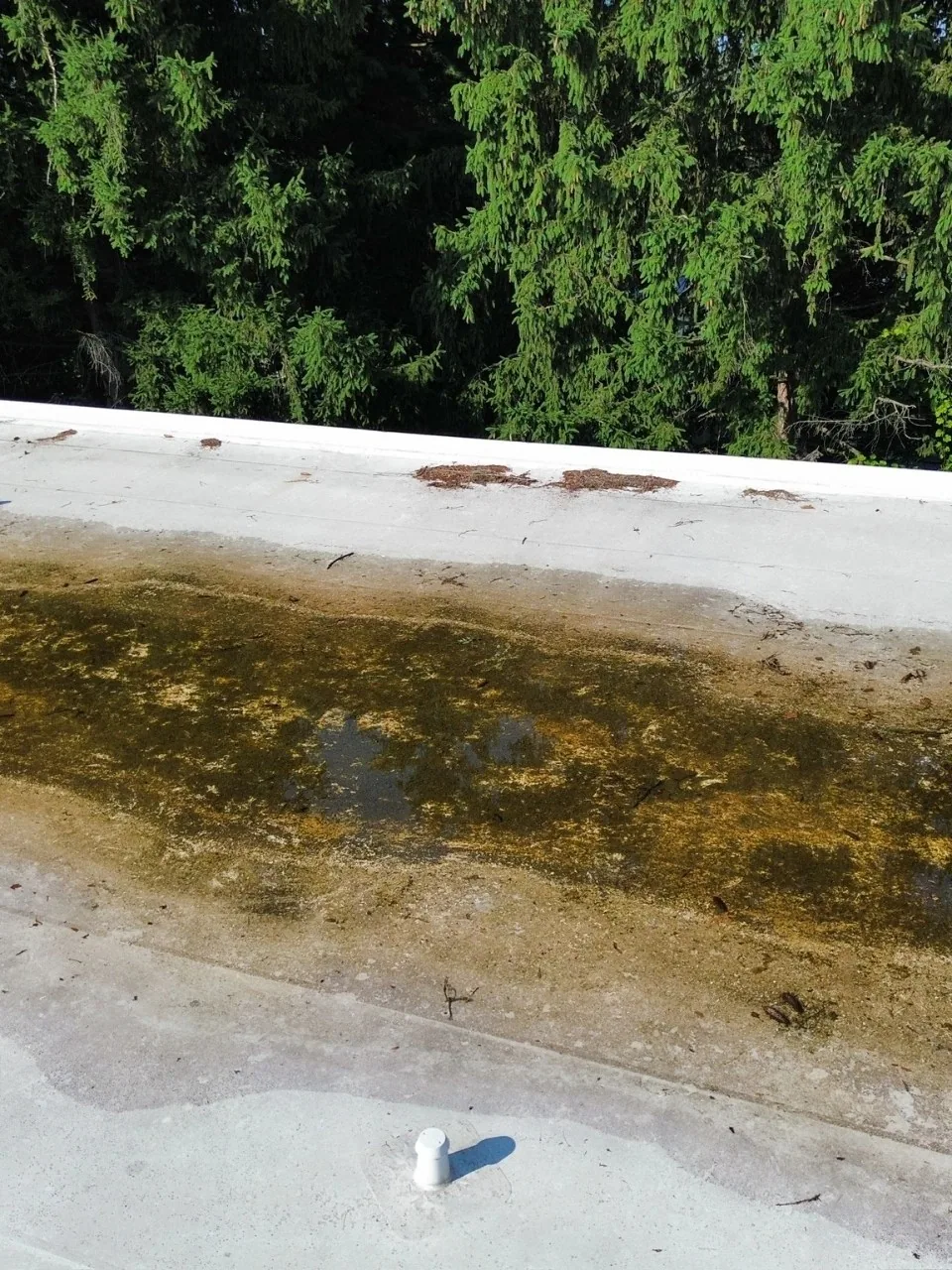
When assessing an older roof, we also check edge metal, drains, scuppers, and penetrations. Heat-related wear at a field seam may coexist with a separate drainage concern, but one does not prove the other caused the damage. We list each observed issue with its own location and next action. That helps the owner authorize a targeted repair without losing track of an item that affects the longer renewal decision.
Cost and timing reflect access, roof height, the area opened, replacement materials, substrate repair, and work-hour limits. A membrane puncture repair addresses a different failure than widespread heat aging. When more than one roof area has deteriorated, a condition report can help the owner separate urgent defects from longer-term funding questions. We give each recommendation a boundary and next action rather than using age alone to select a system.
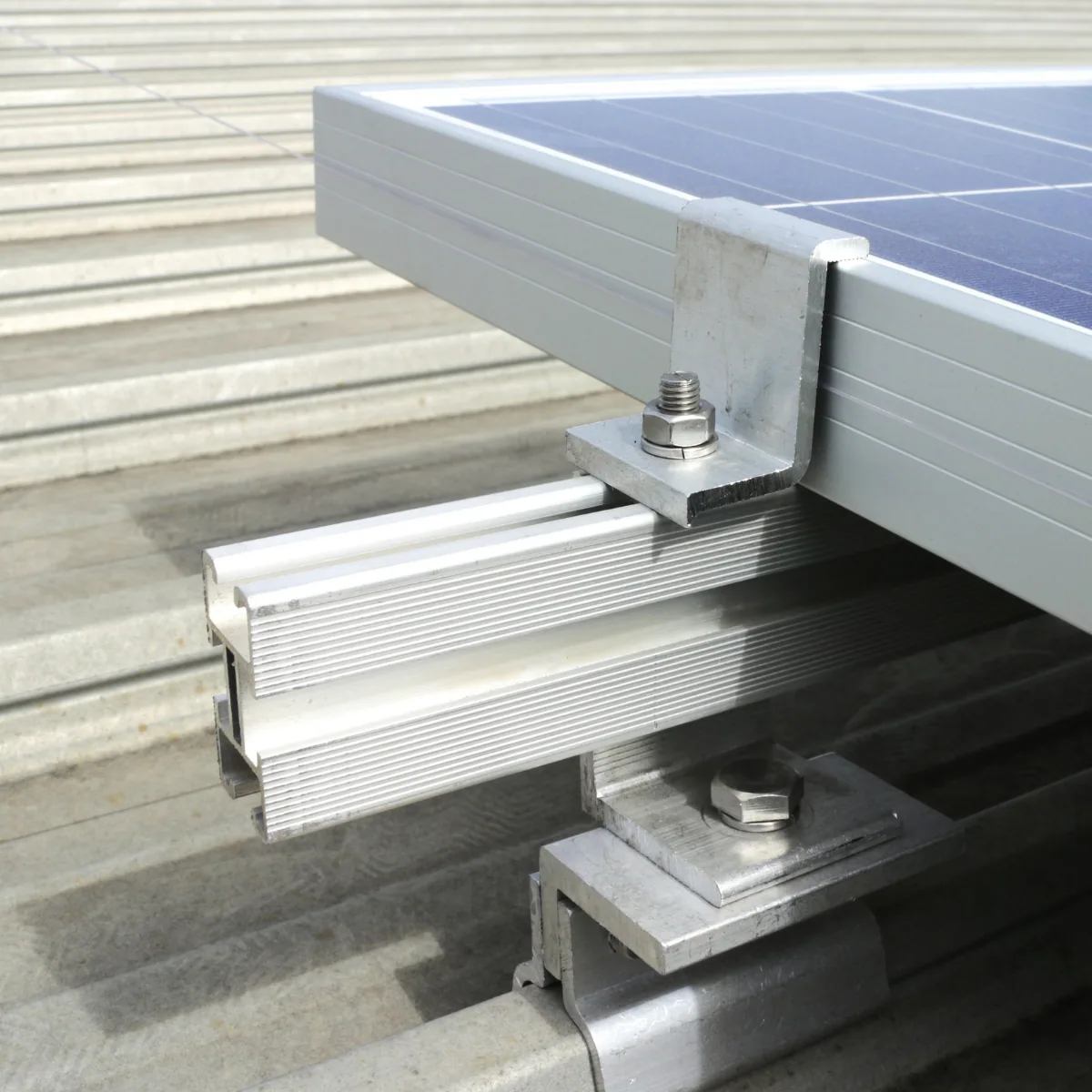
The closeout returns the roof to service
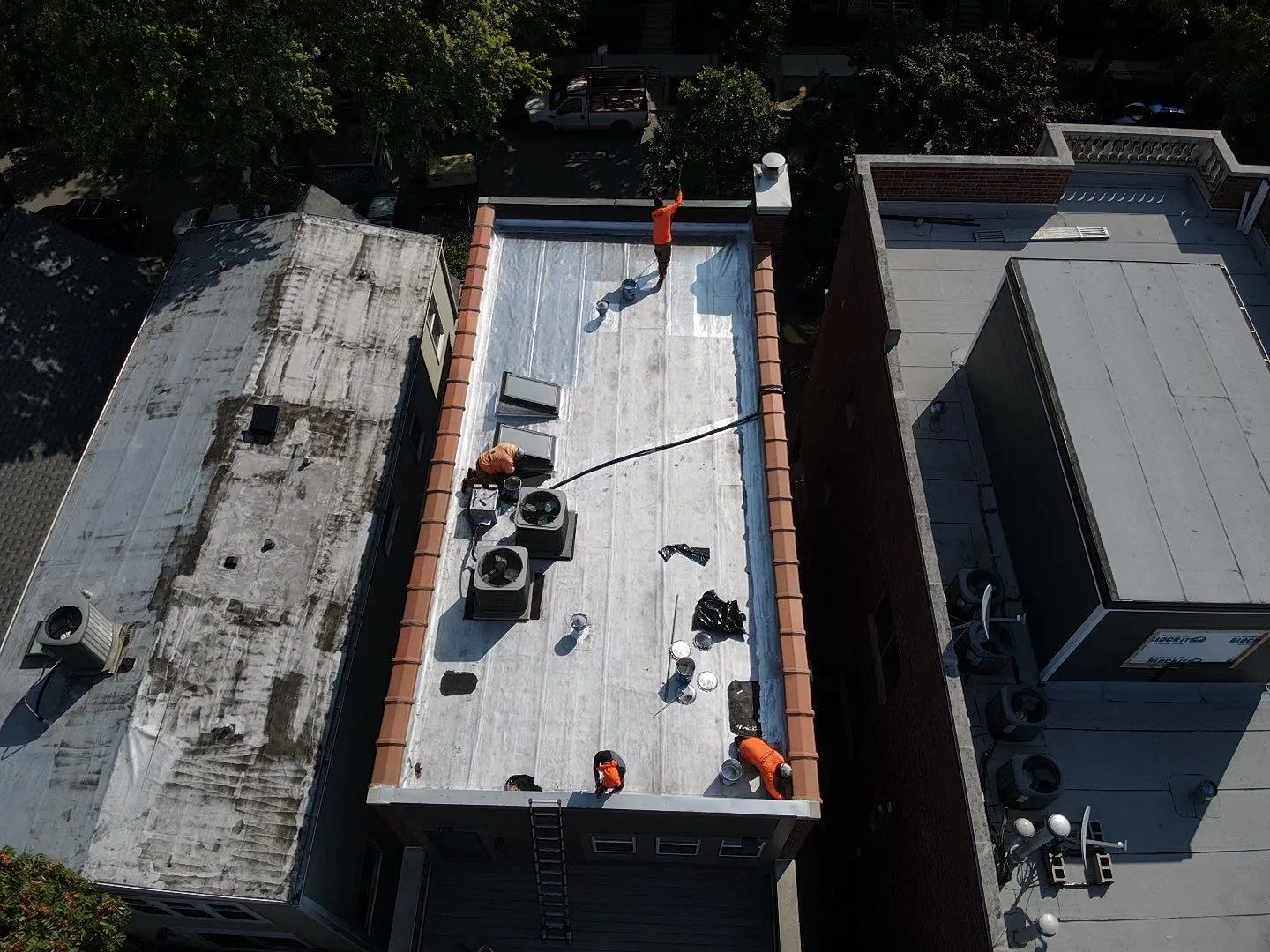
Before opening a repaired zone to normal activity, we confirm the tie-in is complete, temporary protection is removed or assigned, debris is cleared, and the owner knows what area was addressed. Photos and a work record should show where the repair begins and ends. If the inspection found a separate concern, it stays on a different line with a follow-up plan. That keeps a localized heat repair from being mistaken for a full roof assessment.
After the work, planned maintenance can track whether cracks, seams, coating, and drainage change over time. Fontana's summer exposure makes regular observation useful, but each inspection must document actual conditions rather than assume a fixed failure pattern. Schedule a roof review with the property access contact and any repair history. We will identify the damaged component, select a compatible scope, and set a safe work window for the building.
Frequently Asked Questions
Does a hot summer mean the roof has to be replaced?
No. Temperature history is context for inspection and scheduling, not a diagnosis. We look for actual membrane, flashing, coating, drainage, and substrate conditions. Localized failures may be repaired, while widespread deterioration or wet layers can require a larger scope review.
Can a coating cover heat cracks?
Only when the existing roof, coating, and substrate are suitable and the cracks are addressed as part of the system. A coating should not hide loose membrane, wet insulation, failed flashing, or poor adhesion. We inspect the assembly and define preparation and repair before recommending a restoration coat.
Why does the repair window matter in Fontana?
High summer temperatures and occasional heat advisories can affect time on an exposed roof and the handling of materials. We plan access, staging, and installation conditions around the product requirements and the site's operating schedule.
What if the roof is brittle near a curb?
We inspect the curb flashing, corners, adjacent membrane, and substrate. If the failure is at the transition, the scope may require new flashing or membrane tie-in rather than a surface patch. We define that boundary after checking the actual assembly.
Can repairs be phased by roof area?
Yes, if the roof can be safely separated into work zones and each phase can be closed out without leaving a vulnerable edge. We identify access, temporary protection, material lead time, and the condition of adjoining areas before setting the sequence.