Colton
Scope commercial roof work in Colton, CA, with inspections, drainage, repairs, replacement, operating schedules, and material access planned.
Warehouse, manufacturing, and retail activity can put different demands on commercial roofs in Colton. We inspect each roof assembly, drainage path, and property schedule before setting repair or replacement work in Colton, CA. The scope defines affected roof zones and the sequence for moving materials, protecting openings, and keeping the building operating through each shift.
Colton's local economy includes retail, warehouse-industrial, and manufacturing activity. The Hub City Centre is one of the city's commercial planning concepts, adding another reason for owners to coordinate roof access with changing property operations. For each building, we inspect the installed system and condition before setting the scope.
Set access before materials arrive
A roof delivery can cross the same driveways used by employees, suppliers, and customers. We confirm truck turns, unloading space, lift position, working hours, and pedestrian controls with the site contact. If a property has more than one operating area, the roof sequence identifies which access point changes during each phase and what remains open. Material is staged in a designated area rather than along an active route.
Inside the building, we identify occupied spaces, sensitive equipment, air intakes, and any shutdown needed near an opening. Before tear-off begins, the crew and owner agree on the area that can be removed, dried in, and protected during the shift. If an unexpected substrate condition changes the removal quantity, the work pauses at a secure edge while the owner reviews the new scope. That keeps the building protected and gives the facility team a clear decision. Lift rental, staging distance, and the quantity of roof material moved through occupied drives can affect cost and timing. We state those assumptions before mobilization so the owner can compare the logistics as well as the roofing assembly.
Owners with multiple properties across the region can align visits to Rialto and Ontario with a Colton inspection. Each site still receives a separate condition record, measurement, and work sequence.
Trace the roof condition by area
Water can travel through an assembly before it appears on an interior ceiling. We examine seams, penetrations, flashing, drains, equipment curbs, and previous repair boundaries above reported leaks. A roof's outward appearance does not establish whether insulation or deck below is dry. Where signs point to concealed moisture, infrared readings or selective test openings can help identify the extent that requires confirmation.
Our commercial roof inspection with photographs and roof-zone marks records observed conditions and areas needing further review. A localized defect may fit a repair matched to the installed membrane or metal, with material, preparation, and tie-in stated. If failures recur across separate sections or wet insulation spreads beyond the visible leak, we compare the repair with a recover or replacement.
Drainage is inspected alongside the membrane. We locate drains, scuppers, overflow paths, low areas, and debris that may impede flow. A recover can raise finished height and affect an outlet or wall transition. Drain and scupper coordination defines the roofing connection and identifies plumbing work that needs a separate trade.
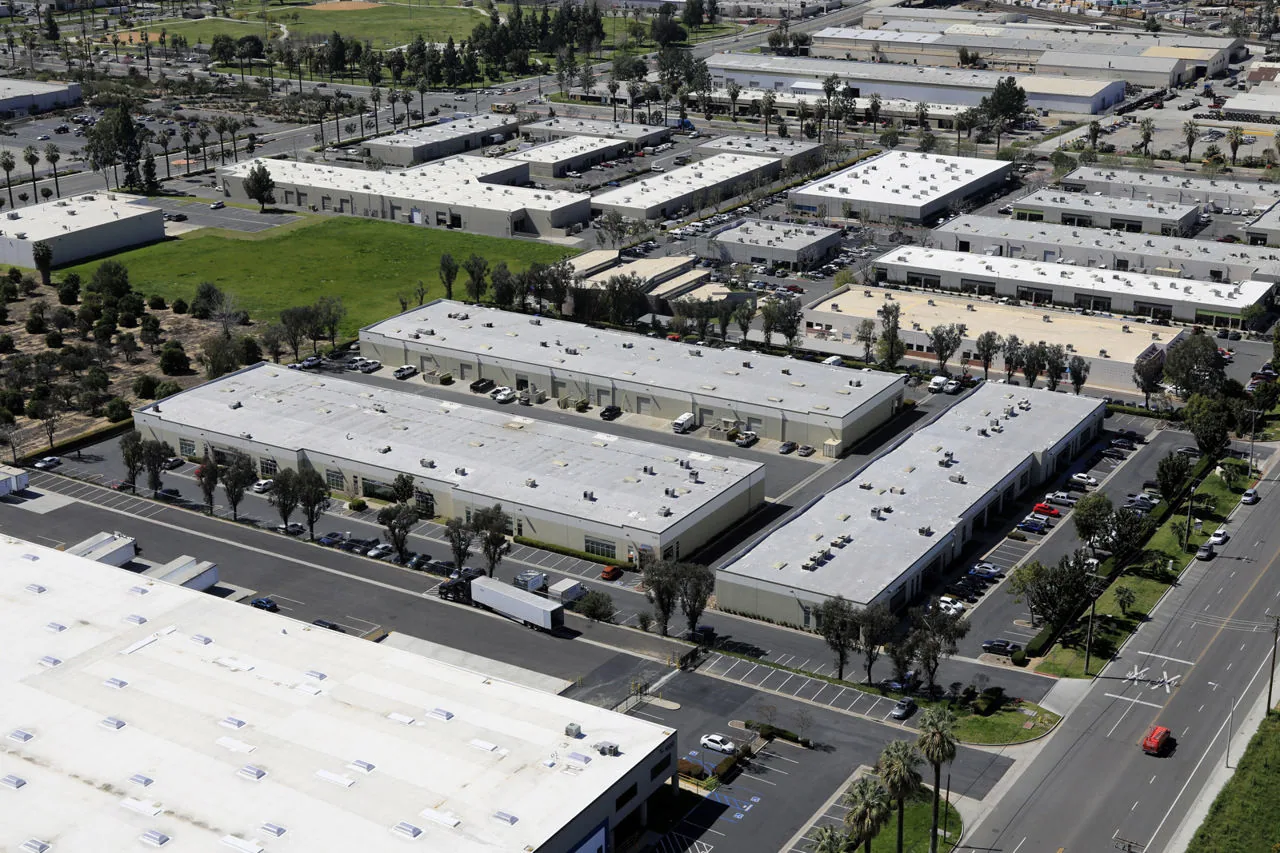
Define what stays and what comes off
A recover is considered only when the retained roof can support the new assembly. We review layer count, attachment, moisture, deck condition where accessible, and height at parapets, doors, drains, and curbs. The estimate identifies any separator, cover board, or new insulation and describes which existing material remains. A new surface over wet or detached layers can hide the cause of failure instead of correcting it.
When removal is required, we set the initial boundary and state how hidden deck damage or additional layers affect quantity. Selective removal may fit where one roof zone remains serviceable and another needs full replacement. A recover evaluation documents the retention checks. If the roof cannot support another layer, replacement with a clear tear-off limit and deck review sets the work sequence.
Colton's development activity includes commercial concepts as well as existing warehouse-industrial and manufacturing properties. A planned use or expansion can affect access and timing. We review the property schedule with the owner and coordinate penetrations, equipment changes, and repairs that another trade must complete before close-in.
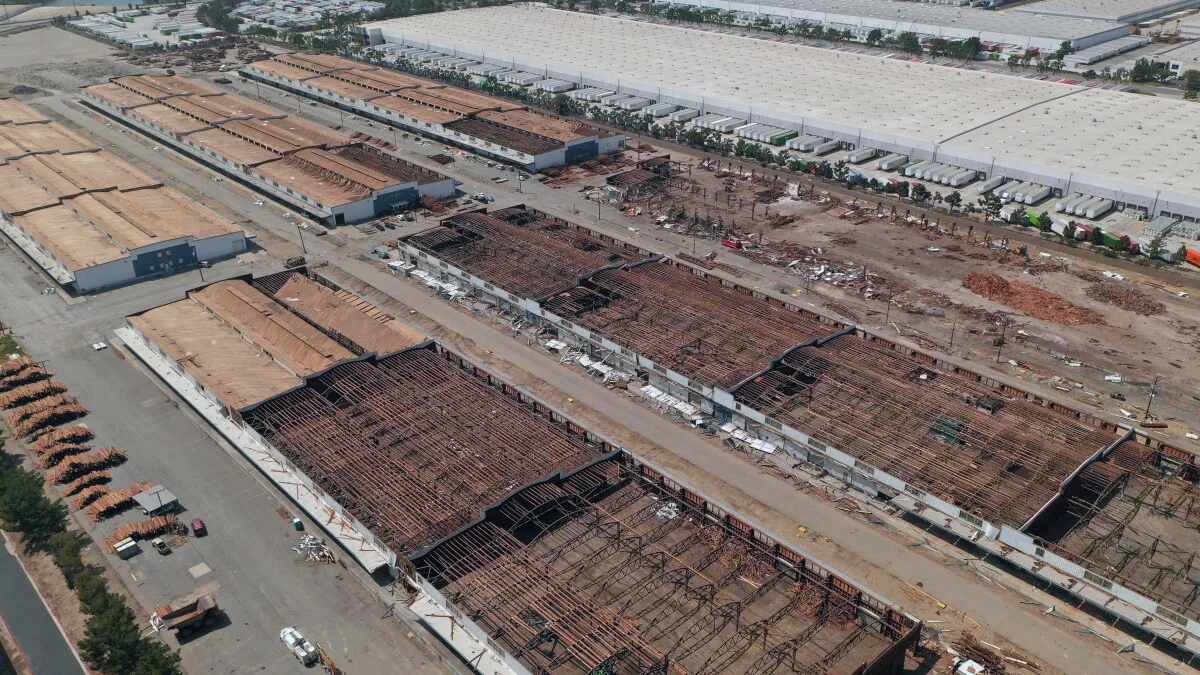
Plan a safe and weather-tight phase
For properties in the Fontana service market, summer forecasts in the Inland Empire valleys can exceed 100 degrees and sometimes include extreme-heat advisories. We identify Fontana as the forecast reference when applying that condition to a Colton project. Current surface temperature and the selected system's product limits determine the actual installation window. Staging, lift timing, and worker access are arranged before the roof opens.
Cooler-season rain makes the daily closure detail important. We identify how each opening will be covered, where water can drain if work pauses, and who confirms the area is secure. If a change in operations or weather shortens the available work period, the crew closes at the planned boundary rather than leave an exposed layer. The owner knows which zone is complete and what remains for the next visit.
Material procurement follows the approved assembly and delivery sequence. We identify what needs to be on site before tear-off, what can remain off the roof until called, and which component changes require a design review. This limits unnecessary handling and protects a work route used by other property operations.
Leave clear records for the next phase
Closeout lists repaired or replaced zones, installed materials, checked flashing and drainage details, and any condition outside the roofing scope. Photos and roof-plan marks help facilities staff coordinate inspections and later service. An outstanding issue is assigned a location and the access or trade decision needed to address it.
For a commercial owner with more than one Colton property, records can use consistent zone labels while remaining tied to each building's inspection. we record concealed conditions discovered during removal, what the owner approved, and which areas were repaired or retained. This helps future planning without assuming that one roof represents the rest of the portfolio.
Before a visit, provide available roof drawings, leak dates, operating hours, delivery limits, and planned equipment work. Those details help set the inspection route, identify safe staging, and coordinate a schedule that allows the property to keep moving. We also identify the first roof section, the tie-in that can be completed during the work window, and any drain or flashing detail that needs a separate trade. The owner can compare a contained repair with a larger renewal using the same measured area, access assumptions, and closeout requirements.
Frequently Asked Questions
Do you work on warehouse and manufacturing roofs in Colton?
Yes. We inspect commercial and industrial roofs in Colton and plan access around each property's operations. The city's economic profile identifies warehouse-industrial and manufacturing activity, while our inspection confirms the specific roof material, drainage, and condition.
Can repair be done without replacing the full roof?
A local repair may work when the surrounding membrane or panels, insulation, attachment, and deck remain suitable. We inspect the reported defect and nearby details, then define the repair boundary. Broader moisture or repeated failures may support a different scope, which we describe separately.
What if the roof needs replacement in stages?
We divide the project into roof zones, set daily removal limits, and identify a secure tie-in for each shift. The plan coordinates interior protection, deliveries, equipment access, and any tenant or production restrictions with the property contact.
Does a planned commercial development change a roof recommendation?
A planned expansion or site update can affect project timing and future penetrations, but it does not reveal the existing roof condition. We inspect the current assembly and coordinate known future work before installation so equipment and flashing details can be sequenced correctly.